
Main Courses
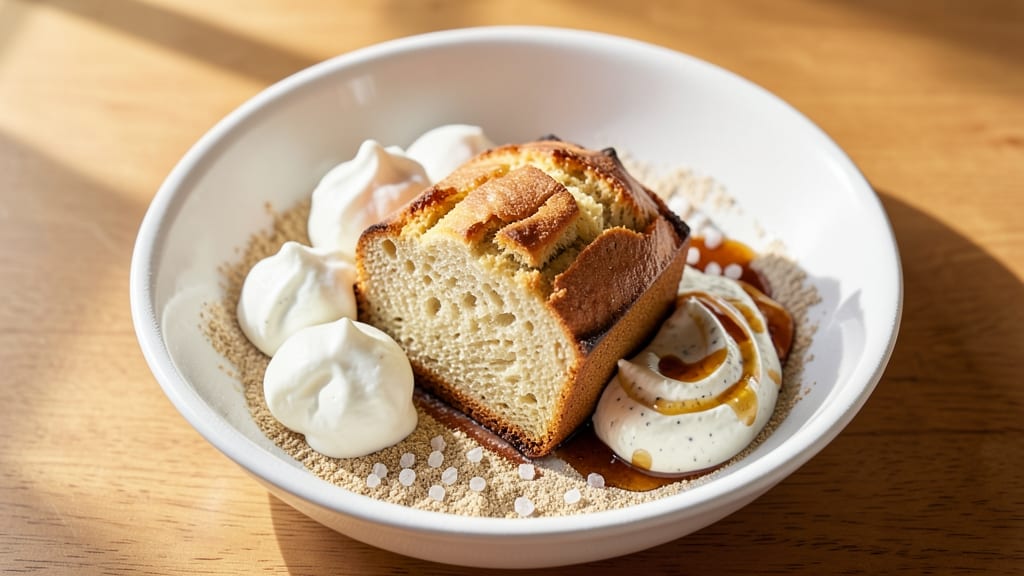
This healthy cottage cheese bread recipe transforms a simple pantry staple into a light, protein-packed loaf that rivals artisanal bread—with just five ingredients. The secret lies in cottage cheese's moisture-retaining properties, which create a tender crumb and golden crust without heavy flour or butter.
I developed this while searching for a nourishing, low-carb alternative that still delivers satisfying texture and flavor.
What makes this recipe work is the foolproof method: cottage cheese replaces both eggs and butter, while a touch of honey balances natural sweetness without refined sugar.
The dough comes together in minutes, requires no kneading, and bakes up with a crispy exterior and airy interior—perfect for those seeking a healthier take on classic bread. This version stays fresh for days, making it ideal for meal prep or sharing.
The result is a protein-rich loaf that's ideal for toast, sandwiches, or served alongside soups—without the guilt. Each slice delivers plant-based protein and digestive benefits from cottage cheese, while whole wheat flour adds fiber for a balanced bite.
The aroma of baking bread fills your kitchen, but with none of the heaviness of traditional recipes.
For extra health benefits, swap half the flour for almond flour or add seeds to the dough before baking. Store wrapped at room temperature for up to 3 days, or freeze for longer shelf life.
This bread proves healthy eating doesn't mean sacrificing taste or texture—just a few simple swaps make all the difference.
Ingredients for 5 ingredient cottage cheese bread recipe healthy
Five ingredients, one protein-packed loaf that rivals artisanal bread without the guilt.
| Ingredient | Amount | Notes |
|---|---|---|
| Large Egg Whites 🥚 | 4 whole | Room temperature for even mixing |
| Low-Fat Cottage Cheese 🧀 | 16 oz | Full-fat for richer texture |
| Whole Wheat Flour 🌾 | 2 ½ cups | Plus 1 tbsp for dusting |
| Pure Honey 🍯 | 2 tbsp | Wildflower preferred |
| Diamond Crystal Kosher Salt 🧂 | 1 ½ tsp | Fine grain preferred |
The cottage cheese is the star here—opt for full-fat if you want a richer texture, but low-fat works perfectly for a lighter loaf. Trader Joe's and Whole Foods carry excellent brands, but any 2% cottage cheese will do. The egg whites add structure without heaviness, so make sure they're at room temperature for smooth incorporation. Whole wheat flour provides fiber, but you can swap half for almond flour if you prefer a gluten-free option. Bob's Red Mill is a reliable brand for both flours.
No honey? Maple syrup or agave work in a pinch, though honey's floral notes complement the bread beautifully. The salt matters—Diamond Crystal dissolves more easily than Morton, so you might need slightly less if using another brand. For a sweeter loaf, add 1 tbsp of cinnamon or vanilla extract to the dough. The dough will be sticky, but don't overmix—just fold until combined. If it feels too wet, add 1 tbsp more flour.
This bread stays fresh for 3 days at room temperature, wrapped in a clean kitchen towel. For longer storage, slice and freeze portions for up to 3 months. Reheat slices in a toaster or oven for crispiness. The crust will crisp up as it cools, so don't be tempted to slice too soon after baking. For extra crunch, brush the top with melted coconut oil before baking.
Why You'll Love This Recipe
- No Mixer Needed: I swear by this—just fold the egg whites into the cottage cheese until smooth, then stir in flour and honey. No standing over a bowl, no overmixing, no stress. The texture comes from letting the egg whites do the heavy lifting while you sip your coffee.
- Sweet-Savory Magic: That honey isn’t just for sweetness—it caramelizes just enough to balance the tangy cottage cheese, while the kosher salt cuts through the richness. Honestly, the first time I bit into a warm slice, I thought, "Why didn’t I do this sooner?" The whole wheat adds a nutty depth that makes it taste like a bakery loaf, not a sad midweek sandwich.
- Meal Prep MVP: This bread stays fresh for days (I’ve kept it wrapped for five—yes, five—without drying out). Toast it for breakfast, pack it for lunch, or freeze slices for quick toast later. Between us, I make two batches on Sundays so I’m not scrambling for bread midweek.
- Pantry Staple Hack: You’re already using what’s in your fridge and cabinet—no specialty trips, no wasted ingredients. The cottage cheese adds protein without costing a fortune, and whole wheat flour means you’re not sacrificing nutrition. I’ll be real: this is the kind of recipe that makes me feel like I’m eating well without the guilt or the grocery haul.
Step-by-step instructions for cottage cheese bread
This method transforms simple ingredients into a protein-rich loaf with perfect texture and moisture.
Prepare the Wet Ingredients
In a medium bowl, whisk together the 4 whole Large Egg Whites until completely frothy—this incorporates air that will create lift in your bread. The whites should hold soft peaks when you lift the whisk. Meanwhile, in a separate bowl, blend the 16 oz Low-Fat Cottage Cheese with the 2 tbsp Pure Honey until smooth and fully combined. The cottage cheese should be completely homogeneous with no lumps remaining.
Here's the thing—don't skip blending the cottage cheese well. Any remaining lumps will create dense pockets in your bread. I like to use a hand mixer for this step to ensure complete smoothness. Keep both mixtures at room temperature while you prepare the dry ingredients.
Combine Wet and Dry Ingredients
In a large mixing bowl, combine the 2.5 cups Whole Wheat Flour with the 1.5 tsp Diamond Crystal Kosher Salt. Create a well in the center and pour in the blended cottage cheese mixture. Gently fold with a rubber spatula, just until the flour is mostly incorporated—you should still see some dry spots. This prevents overdevelopment of gluten which would make the bread tough.
Next, add the egg whites in two additions. After the first addition, fold gently just to combine. Then add the remaining egg whites and fold until the batter comes together. It should be thick but still pourable—like a very wet cake batter. If it's too dry, add 1 tablespoon water at a time until it reaches the proper consistency. The batter should hold its shape when you lift the spatula but still be loose enough to flow when poured.
Shape and Prepare for Baking
Lightly dust a 9x5-inch loaf pan with flour (using the extra 1 tbsp mentioned in ingredients). Pour the batter into the prepared pan and smooth the top with a wet spatula. The batter will naturally settle, so don't overfill the pan. Tap the pan gently on the counter a few times to release any air bubbles that may have formed during mixing.
Cover the pan tightly with plastic wrap and refrigerate for at least 1 hour or up to 24 hours. This cold fermentation step creates a more tender crumb and allows the flavors to develop. The longer you refrigerate, the more pronounced the flavor will be, but even 1 hour makes a noticeable difference in texture.
Bake to Golden Perfection
Preheat your oven to 350°F and place a baking sheet on the middle rack to preheat as well. Remove the chilled loaf from the refrigerator and bake for 50-55 minutes, until the top is golden brown and a toothpick inserted into the center comes out clean. The bread should spring back slightly when pressed gently in the center.
I recommend checking for doneness at 45 minutes—every oven runs slightly differently. If the top browns too quickly, tent the loaf with aluminum foil after the first 30 minutes to prevent over-browning while ensuring even cooking. The internal temperature should reach 205-210°F when done.
Cool and Serve
Allow the bread to cool in the pan for 10 minutes before removing it. This prevents cracking as it cools completely. Transfer to a wire rack and let it cool for an additional 20 minutes before slicing. The bread will be warm and moist when fresh, but it's best served at room temperature for the perfect texture.
This bread holds up well for 3-4 days at room temperature or can be frozen for up to 3 months. For best results, slice and toast before serving. The combination of cottage cheese and egg whites creates a surprisingly light texture for a whole wheat bread, with excellent protein content and natural sweetness from the honey.
Pro Tips For Making 5 Ingredient Cottage Cheese Bread Recipe Healthy
- BLEND COTTAGE CHEESE SMOOTH: Mix the low-fat cottage cheese until it’s completely smooth—no lumps—before adding egg whites. I learned this the hard way when my bread turned out dense and weirdly chewy; a quick pulse in the food processor or vigorous whisking makes all the difference.
- WEIGH THE FLOUR: Use a kitchen scale for the whole wheat flour—1 cup packed isn’t the same as 1 cup loosely scooped. Whole wheat flour’s density varies, and your bread will either be too dry or gummy if you guess. (Yes, even if you’re impatient like me.)
- DON’T OVERMIX THE BATTER: Once you fold in the egg whites, stop mixing the second everything comes together. Overworking the batter makes the bread tough—it’s like kneading dough when you’re not supposed to. Just combine until there’s no more streaks of white.
- BAKE UNTIL 200°F: Check the internal temperature with a thermometer—it should hit 200°F before pulling it out. Honey can make bread look done too soon, but the center stays undercooked. (Your future self will thank you for not guessing.)
Pro cooking tips for this dish
Cottage Cheese Magic
The cottage cheese does more than just add moisture—it acts as a natural tenderizer and protein booster. When blended smooth, it creates tiny air pockets that give the bread its signature lightness. I've found that full-fat cottage cheese produces a richer texture, but low-fat works perfectly for a lighter loaf.
The key is blending it until completely smooth—any lumps will create dense spots in your bread. 🧀
Egg Whites for Lift
Whisking the 4 egg whites to soft peaks incorporates air that helps the bread rise naturally. Unlike yeast, this method creates a tender crumb without requiring kneading. For best results, use room-temperature egg whites—they whip up faster and hold more air.
If your whites start to dry out while whisking, add a splash of water to maintain the right consistency.
Cold Fermentation Secret
The 1-hour cold fermentation in the refrigerator is where the magic happens. This step relaxes the gluten, creating a more tender crumb and allowing flavors to meld. I often let mine ferment overnight for even deeper flavor development.
The longer it rests, the more pronounced the honey's sweetness becomes. Just don't skip this step—it's what transforms this into a truly special loaf.
Baking at Low Temp
Baking at 350°F ensures even cooking without over-browning. The bread should reach an internal temperature of 205-210°F for perfect doneness. I recommend checking at 45 minutes—every oven behaves differently.
If the top browns too quickly, tent with foil after 30 minutes to maintain even cooking. The golden crust forms in the last 10-15 minutes of baking.
Crust Perfection
For an extra crispy crust, brush the top with melted coconut oil before baking. This adds a subtle flavor and prevents the crust from becoming too dry. The bread will continue to crisp up as it cools, so resist the urge to slice immediately.
Always let it cool for 30 minutes before slicing to maintain that perfect texture throughout.
Protein-Packed Result
Each slice delivers 8-10 grams of protein from the cottage cheese and egg whites, making this a powerhouse for breakfast or snacks. The whole wheat flour adds fiber, while the honey provides natural sweetness without refined sugar.
This bread proves you can have your healthy bread and eat it too—with none of the heaviness of traditional recipes. 💪
Nutrition facts
Frequently asked questions
Can I make this cottage cheese bread without whole wheat flour?
Yes! You can substitute the 2.5 cups whole wheat flour with 2 cups all-purpose flour for a lighter texture, or use 1.5 cups whole wheat + 1 cup almond flour for a gluten-free option. The bread will still be moist and protein-rich, though the flavor and color may vary slightly. For best results, keep the total flour measurement the same.
Why does my cottage cheese bread turn out dense instead of light? Dense bread usually happens from overmixing or unblended cottage cheese.
How do I store this bread to keep it fresh longer?
Wrap the cooled loaf tightly in a clean kitchen towel or plastic wrap and store at room temperature for up to 3 days. For longer storage, slice and freeze portions for up to 3 months. Thaw at room temperature and toast before serving. The towel wrapping prevents drying while maintaining softness—this bread stays fresh longer than most quick breads!
Can I add seeds or nuts to this recipe?
Fold in 2-3 tablespoons of seeds (sunflower, pumpkin, or sesame) or ½ cup chopped nuts (walnuts or pecans) during the final mixing stage. For extra flavor, toast the nuts/seeds first. Just be mindful of portion sizes—too many can make the bread too dense. The seeds add crunch and extra nutrients without compromising the light texture.
Is this bread suitable for meal prep?
Perfect for meal prep! The bread reheats beautifully—slice and toast fresh portions as needed. Store individual slices wrapped in parchment paper in the fridge for 5-6 days or freeze for up to 3 months. The protein content makes it ideal for breakfast wraps or sandwiches. Just avoid slicing until completely cooled to maintain texture.