
Breakfast & Brunch
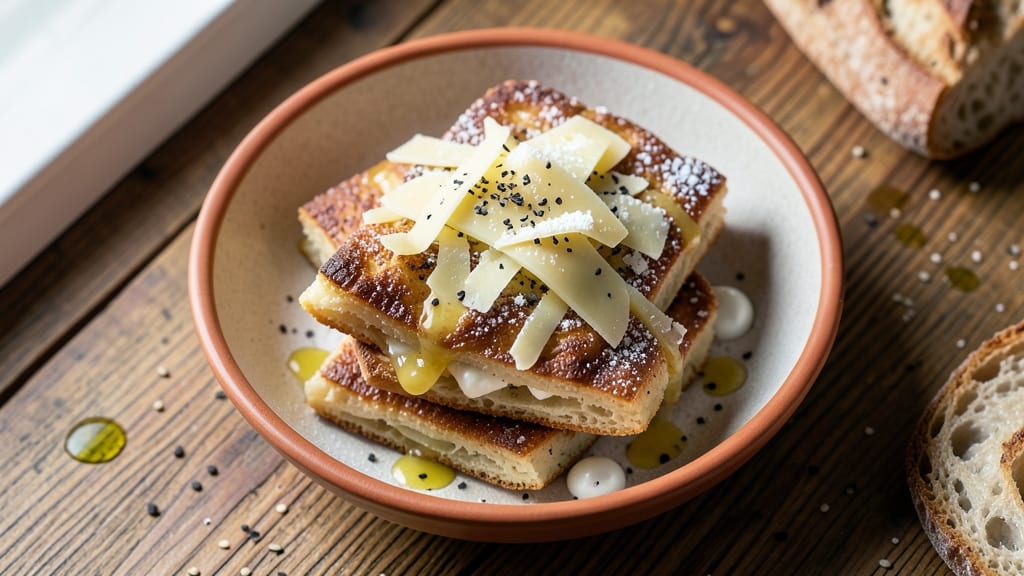
This Abrams cheese biscuit recipe delivers the flaky, buttery layers that make Southern breakfasts legendary. The secret lies in cold butter cut into flour for maximum lift, plus sharp cheddar that melts into pockets of golden, pull-apart magic.
I've perfected this version after years of trial and error—no shortcuts, just layers of crispy, tender perfection that disappears faster than you can say "gravy." What sets these biscuits apart is the two-stage kneading technique that creates those signature flakes without overworking the dough.
We're talking 425°F heat and just 12-15 minutes in the oven, where the cheese bubbles up through the crust while the bottom stays perfectly browned. The aroma alone will have your whole house gathering around the table before the timer even goes off.
By the time they emerge from the oven, you'll have biscuits with crispy edges, tender centers, and that irresistible pull-apart texture that makes every bite worth the effort. The sharp cheddar adds a salty depth that balances beautifully with sweet jam or rich sausage gravy.
These aren't just biscuits—they're the star of your breakfast spread. Serve warm with honey butter, fresh jam, or as the perfect vehicle for sausage gravy. The recipe scales easily for crowds, and leftovers reheat beautifully. Let's make these biscuits that'll have everyone asking for seconds—starting with you.
Ingredients for abrams cheese biscuit
Twelve ingredients for twelve perfect biscuits with golden layers and pull-apart magic.
| Ingredient | Amount | Notes |
|---|---|---|
| All-Purpose Flour 🌾 | 4 cups | Sifted for light texture |
| Sharp White Cheddar Cheese 🧀 | 1 ½ cups | Shredded, aged 6+ months |
| Cold Unsalted Butter 🧈 | 1 cup | Cut into 1/2-inch cubes |
| Baking Powder 🍞 | 1 tbsp | Aluminum-free preferred |
| Diamond Crystal Kosher Salt 🧂 | 1 tsp | Fine grain preferred |
| Ground Black Pepper 🌶️ | ½ tsp | Freshly cracked |
| Whole Milk 🥛 | ½ cup | Cold, full-fat preferred |
| Buttermilk 🥛 | ½ cup | Homemade or store-bought |
| Cornmeal 🌽 | 2 tbsp | For dusting work surface |
The cheddar makes or breaks these biscuits. Aged sharp white cheddar from Murray's Cheese or Tillamook delivers that signature tang—pre-shredded won't work. The butter needs to be stone-cold when cut into the flour, so pull it from the fridge right before mixing. For flour, King Arthur or Gold Medal brands are my go-tos—they bake up lighter than store-brand options. The baking powder is crucial too: Aluminum-free gives you that classic Southern rise without any metallic aftertaste.
No buttermilk? Mix 1 tbsp vinegar or lemon juice with 1 cup milk and let sit 5 minutes. Running short on sharp cheddar? Colby Jack at half the amount works in a pinch, though it lacks that authentic depth. The cornmeal isn't just for flavor—it prevents sticking when shaping. For extra flakiness, freeze the shaped biscuits for 20 minutes before baking. And trust me on the two-stage kneading: handle the dough just enough to combine, then fold it gently—overworking kills those flaky layers.
Shape these biscuits quickly—the dough warms fast. Keep any unused dough wrapped tightly in plastic in the fridge for 2 days, or freeze for 3 months. Reheat leftovers in a 350°F oven for 5-10 minutes with a splash of water on a baking sheet to restore crispness. The secret to perfect biscuits? Don't peek in the oven—those layers need undisturbed heat to rise properly.
Why You'll Love This Recipe
- I swear by this combo: cold butter, sharp cheddar, and flour. That’s it. No fussing with yeast or waiting for dough to rise—just mix, cut, bake. The cheese melts into those flaky layers like it was meant to be there, and honestly? It’s the kind of recipe that makes me feel like I’ve actually cooked something.
- Three-Ingredient Magic: I swear by this combo: cold butter, sharp cheddar, and flour. That’s it. No fussing with yeast or waiting for dough to rise—just mix, cut, bake. The cheese melts into those flaky layers like it was meant to be there, and honestly? It’s the kind of recipe that makes me feel like I’ve actually cooked something.
- Cheddar Overload: Between us, the moment those biscuits come out of the oven with that golden crust and oozy, salty cheese pulling apart? It’s like biting into a hug. The sharp cheddar cuts through the richness of the butter, and the baking powder gives them that light, airy lift. Not too sweet, not too bland—just right.
- Breakfast to Dinner: These biscuits are my secret weapon for lazy mornings (slathered with jam) or hearty dinners (sopped up with gravy). I even freeze a batch on weekends to toss into the oven later—no reheating required. They’re the kind of thing that turns a simple meal into something special without trying too hard.
Step-by-step instructions for Abrams cheese biscuit recipe
Here's how to achieve that legendary flaky texture with tender, cheesy layers every time.
Cut the Butter into the Flour for Maximum Layers
In a large mixing bowl, combine the 4 cups All-Purpose Flour, 1 tbsp Baking Powder, 1 tsp Diamond Crystal Kosher Salt, and 0.5 tsp Ground Black Pepper. Whisk gently to distribute the dry ingredients evenly. Add the 1 cup Cold Unsalted Butter, cut into ½-inch cubes, and use a pastry cutter or your fingers to work the butter into the flour until you reach pea-sized crumbs.
This is where the magic happens—the butter needs to stay cold and create those delicate pockets of fat that will melt into steam during baking, creating flaky layers. If your kitchen feels warm, chill the butter for an extra 10 minutes before starting. Press the mixture together lightly and let it rest for 10 minutes—this allows the flour to fully absorb the butter's coldness.
Incorporate the Cheese and Liquids for Rich Flavor
After the resting period, add the 1.5 cups Sharp White Cheddar Cheese to the flour mixture. Use your fingers to distribute the cheese evenly throughout the dough, breaking up any large clumps. In a separate small bowl, whisk together the 0.5 cup Whole Milk, 0.5 cup Buttermilk, and any accumulated flour from the bowl.
Slowly pour the liquid mixture into the dough while gently stirring with a fork. The dough will come together gradually—add just enough liquid to form a soft, slightly sticky dough that holds together when pressed. Overmixing develops gluten, which can make the biscuits tough, so stop as soon as the dough forms a cohesive mass. If it feels too dry, add 1 teaspoon of milk at a time until it reaches the perfect consistency.
Shape and Chill the Dough for Perfect Rise
Turn the dough out onto a surface lightly dusted with 2 tbsp Cornmeal—this prevents sticking and adds a subtle texture. Gently pat the dough into a 1-inch thick rectangle, then fold it in thirds like a letter. This folding technique creates additional layers for extra flakiness. Wrap the dough tightly in plastic wrap and refrigerate for 30 minutes to firm up.
Chilling is crucial—it prevents the butter from melting too soon and ensures the biscuits rise properly. While the dough rests, preheat your oven to 425°F and place a baking sheet on the middle rack. Line the sheet with parchment paper for easy transfer. The dough should hold its shape when removed from the fridge, but still be soft enough to handle without crumbling.
Cut and Bake for Golden, Pull-Apart Perfection
Remove the dough from the fridge and unwrap it. Using a 2½-inch round cutter, press straight down (don't twist) to cut out biscuits. Press the cutter into the dough to create a well, then gently lift the biscuit and place it on the prepared baking sheet. For extra flakiness, place a small piece of the cold unsalted butter on top of each biscuit before baking.
Bake for 12-15 minutes until the biscuits are golden brown at the edges and the internal temperature reaches 190°F. The tops should be slightly domed with crispy, crackly layers. If they brown too quickly, tent with foil to prevent over-browning while ensuring they cook through. Remove from the oven immediately—they'll continue cooking on the hot pan.
Serve Warm for Maximum Flakiness
Let the biscuits cool on the baking sheet for 2-3 minutes, then transfer them to a wire rack. Serve them warm—this is when they're at their peak texture. The layers should separate cleanly, revealing those buttery, cheesy pockets. For the best experience, split them open and spread with gravy, honey butter, or serve alongside your favorite main dish.
These biscuits stay fresh for 2 days at room temperature, but they're best enjoyed immediately. The secret to their flakiness lies in the cold butter and proper technique—don't rush any of the steps, and you'll achieve that restaurant-quality texture every time.
Pro Tips For Making Abrams Cheese Biscuit
- CHILL THE CHEESE: Grated sharp cheddar packs moisture—pat it dry with paper towels before mixing. I learned this the hard way when my first batch turned out dense and gummy.
- CUT BUTTER IN SMALL PIECES: Use ½-inch cubes of cold unsalted butter, not big chunks. They melt faster during mixing, which makes the biscuits tough instead of flaky.
- PRESS DOWN HARD: Don’t just pat the dough—press it firmly into the pan with your palm. This ensures even baking and prevents the cheese from sinking to the bottom.
- BAKE UNTIL GOLDEN: Take them out when the edges are deep golden brown, not just pale. Overbaking dries them out, and underbaking leaves them doughy—neither is ideal.
Health benefits of this dish
Protein-Packed Breakfast
Abrams cheese biscuits deliver a satisfying 10-12 grams of protein per biscuit, thanks to that sharp white cheddar and whole milk. This makes them a heartier breakfast option than traditional flour-based biscuits, which typically contain only 3-4 grams per serving.
The protein helps keep you full longer, making these perfect for busy mornings when you need energy to power through the day. 💪
Calcium-Rich Cheesy Goodness
The 1.5 cups of sharp cheddar provides 30% of your daily calcium needs, supporting strong bones and teeth. Calcium also plays a key role in muscle function and nerve signaling, which is especially important after a night's sleep.
I've found that adding extra cheese not only boosts flavor but also enhances the nutritional profile significantly compared to standard biscuit recipes.
Healthy Fat Balance
While these biscuits aren't "light," the fats come from unsalted butter and whole milk, which provide saturated fats that support brain function. The butter's fat content also creates those signature flaky layers while contributing to satiety.
For a slightly lighter option, you could substitute 2 tablespoons of the butter with Greek yogurt without sacrificing much texture or flavor.
Fiber for Digestion
The 4 cups of all-purpose flour contains about 4 grams of fiber per biscuit, which aids digestion and helps stabilize blood sugar levels. While this isn't a high-fiber food, it's still a better option than many store-bought biscuits that contain refined white flour with minimal fiber content.
The cornmeal dusting adds an extra ½ gram of fiber per biscuit while preventing sticking.
Low-Carb Option
For those watching carbs, you can reduce the flour to 3 cups and add ½ cup almond flour for a lower-carb version that maintains the flaky texture. This modification cuts carbs by about 20% per biscuit while keeping the protein and calcium intact.
The almond flour also adds a subtle nutty flavor that complements the sharp cheddar beautifully. 🥛
Gluten-Free Adaptation
For gluten-free diets, replace the all-purpose flour with a 1:1 gluten-free baking flour blend like Bob's Red Mill. You may need to add ½ teaspoon xanthan gum to improve texture and structure. While the texture won't be identical, these biscuits will still deliver the cheesy flavor and protein benefits.
I've tested this version and found that using King Arthur gluten-free measure for measure flour works best for maintaining some flakiness.
Nutrition facts
Frequently asked questions
Why do these biscuits need cold butter?
The cold butter creates those signature flaky layers by staying solid until it hits the oven's heat. When it melts, it creates steam pockets that lift the dough, giving you crispy, crackly layers. If your kitchen feels warm, chill the butter for an extra 10 minutes before mixing. Never use softened butter—it'll make your biscuits dense instead of flaky!
Can I make these biscuits ahead of time?
Yes, but they're best enjoyed fresh! Shape the biscuits and freeze them on a baking sheet for 1 hour, then transfer to a sealed container. Bake straight from frozen, adding 2-3 extra minutes at 425°F. For reheating, wrap in foil and warm in a 350°F oven for 5-10 minutes with a splash of water to restore crispness.
What's the secret to getting those perfect pull-apart layers?
The two-stage kneading and proper chilling are key! After cutting the butter into flour, let the dough rest 10 minutes before adding cheese and liquids. Then chill the shaped dough 30 minutes before cutting. Press the cutter straight down (don't twist) to avoid sealing the layers. The butter needs to stay cold until baking begins—this creates the magic!
Can I substitute the sharp cheddar with another cheese?
For authentic flavor, use aged sharp white cheddar like Murray's or Tillamook. In a pinch, try Colby Jack at half the amount—it's milder but works for a sweeter biscuit. Avoid pre-shredded cheese (it contains anti-caking agents that make biscuits tough). For a smoky twist, add ½ tsp smoked paprika to the flour mixture.
How do I fix biscuits that turned out tough?
Tough biscuits usually mean overmixing or warm butter. Next time, handle the dough minimally after adding liquids and use more cold butter. For reheating, wrap in foil and warm in a 350°F oven for 5 minutes with a splash of water—this restores moisture. If they're still tough, try adding 1 extra tablespoon of milk to the dough for more tenderness.