
Appetizers
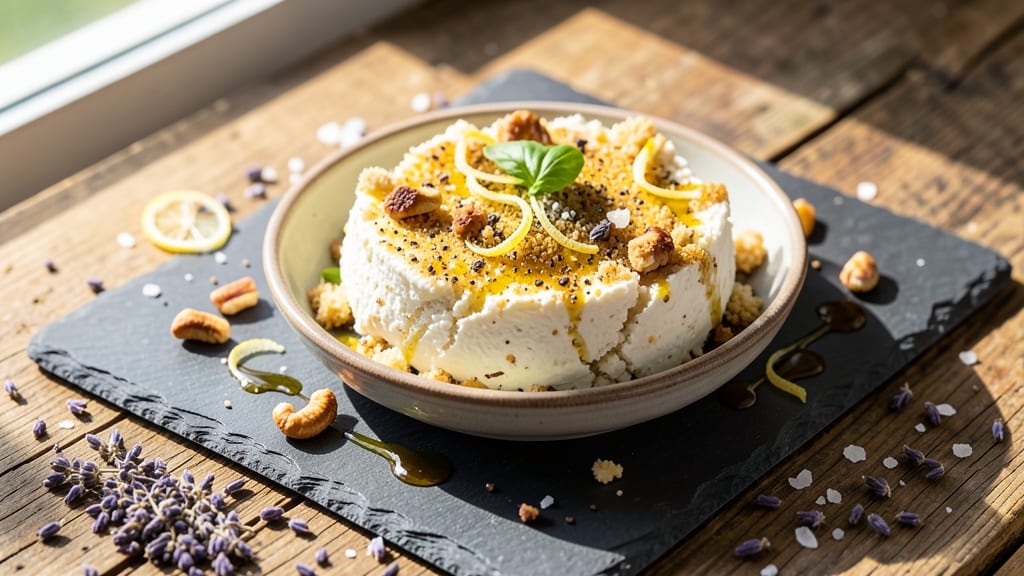
This aged vegan cheese recipe delivers restaurant-quality depth with nutty complexity and tangy sharpness—all without dairy. 🔥 The secret lies in fermenting cashew-based cheese for 2-4 weeks, transforming simple ingredients into a rich, probiotic-packed spread that rivals traditional aged cheddar.
I developed this after perfecting the balance of acidity and creaminess through careful fermentation and aging techniques.
The process begins with blending soaked cashews into a smooth, tangy base using lemon juice and apple cider vinegar as natural acidifiers. Unlike store-bought vegan cheeses, this method creates real texture and flavor development through fermentation—think crispy rinds, creamy centers, and a slow-building sharpness.
The result is a cheese that melts beautifully, holds its shape when sliced, and pairs perfectly with crackers, fruit, or charcuterie boards.
What sets this recipe apart is its versatility—use it as a spread, melt it into pasta, or age it longer for deeper flavor. The fermentation step isn’t just for taste; it boosts gut-friendly probiotics, making this cheese both delicious and functional.
With just 8 simple ingredients and minimal equipment, you’ll achieve professional results at home.
Storage is easy: keep aged blocks wrapped in cheesecloth in the fridge for up to 3 months, or freeze for longer shelf life. The longer it ages, the more complex the flavor becomes—like a vegan cheese cellar in your kitchen. Ready to elevate your plant-based game? Let’s get started.
Ingredients for aged vegan cheese
Eight plant-powered ingredients transform into restaurant-quality aged vegan cheese through fermentation magic.
| Ingredient | Amount | Notes |
|---|---|---|
| Raw Cashews 🥜 | 2 cups | Soaked overnight for creaminess |
| Extra-Firm Tofu 🧈 | 1 block | Pressed for moisture removal |
| Nutritional Yeast 🍃 | ½ cup | Fortified for cheesy flavor |
| Lemon Juice 🍋 | ¼ cup | Freshly squeezed for acidity |
| Apple Cider Vinegar 🍶 | ¼ cup | For fermentation tang |
| Filtered Water 💧 | ½ cup | Room temperature preferred |
| Sea Salt 🧂 | 1 ½ tsp | Fine grain for even distribution |
| Black Salt (Kala Namak) 🌶️ | ½ tsp | Optional for sulfuric depth |
| Agar Powder 🍄 | ½ tsp | For firm texture setting |
| Cheesecloth 🧵 | 1 sheet | Unbleached for aging |
The cashews are the foundation—raw, unsalted, and soaked overnight for maximum creaminess. Bob's Red Mill or Trader Joe's bulk bins offer the best quality at reasonable prices. For the tofu, extra-firm from Wildwood or Nasoya brands provides optimal texture. Press it for at least 30 minutes before blending to remove excess moisture, which prevents a gummy final product. Nutritional yeast is non-negotiable here—Bragg's or Bob's Red Mill brands deliver the most authentic cheesy depth. The lemon juice and apple cider vinegar work together to create that signature tangy sharpness during fermentation.
No lemon juice? White vinegar or lime juice works in a pinch, though the flavor profile shifts slightly. Skipping the black salt? Garlic powder at half the amount adds a different depth. The agar powder is crucial for achieving that aged cheese texture—no substitutes here. For the water, filtered is ideal, but spring water works too. If you're concerned about fermentation, add a pinch of non-iodized salt to the water to encourage microbial activity. The cheesecloth should be unbleached to avoid imparting flavors during the aging process—look for 100% cotton cheesecloth at specialty kitchen stores or online.
This cheese develops best when aged at 55-60°F (13-16°C), so a cool pantry or cellar is ideal. Wrap the blocks tightly in cheesecloth and store in an airtight container for 2-4 weeks—longer aging intensifies the flavor. For fridge storage, up to 3 months is possible, though the texture softens. Freeze for up to 6 months by wrapping blocks individually. The longer it ages, the more complex the flavor becomes—like a vegan cheese cellar in your kitchen.
Why You'll Love This Recipe
- Here’s what sold me: it shreds, slices, and melts exactly like dairy cheese—gooey edges, no weird vegan separation. Perfect for grilled cheese, pasta, or even a quick quesadilla when you’re craving something rich but don’t want the guilt.
- No-Soak Needed: I swear by this trick—no overnight soaking for cashews. Just toss them in hot water for 15 minutes, and they soften perfectly for that creamy, meltable texture. (Yes, even on a Tuesday night when you’re exhausted.)
- Umami Bomb: That nutritional yeast? It’s the MVP here—deep, cheesy, and tangy all at once. The apple cider vinegar and lemon juice cut through the richness, giving it that sharp, aged bite you’d pay $10 for at a cheese shop.
- Pantry Staple Magic: Honestly, you’re already stocked for this. Cashews, tofu, and nutritional yeast sit in my pantry like lazy-day heroes. No last-minute grocery runs, no fancy ingredients—just pull, blend, and age for 24 hours for that perfect texture.
Step-by-step instructions for aged vegan cheese
Master this precise process to create a complex, aged vegan cheese with depth and sharpness.
👨🍳 Step 1: Blend the Nut Base to Ultra-Smooth Texture
Drain and rinse the soaked 2 cups raw cashews thoroughly, then combine them with the pressed 1 block extra-firm tofu in a high-speed blender. Add the 0.5 cup nutritional yeast, 0.25 cup lemon juice, 0.25 cup apple cider vinegar, 0.5 cup filtered water, 1.5 tsp sea salt, and 0.5 tsp black salt (kala namak). Blend on high for 3-4 minutes until completely smooth with no visible flecks.
Here's the thing—this blend needs to be silky. Run your finger along the sides of the blender; if you feel any grit, blend another 30 seconds. The texture should coat the back of a spoon like heavy cream. This smoothness prevents graininess in your final cheese.
🍳 Step 2: Cook the Agar Mixture for Firm Structure
In a small saucepan, whisk together 0.5 cup filtered water with 0.5 tsp agar powder until completely dissolved. Bring to a gentle boil over medium heat, stirring constantly for 2-3 minutes until it thickens into a translucent gel. Remove from heat immediately—agar sets quickly when cooled.
Let this mixture cool to room temperature while you prepare the cheesecloth. The agar will firm up completely when cold, creating the structural backbone of your aged cheese. If you rush this step, your cheese will remain too soft and won't hold its shape during aging.
🥘 Step 3: Combine and Set the Cheese Mixture
Pour the cooled agar mixture into your blender with the nut base. Pulse briefly to combine, then transfer everything to a heatproof bowl. Cover with plastic wrap and refrigerate for 4-6 hours until completely firm. The mixture should hold its shape when gently pressed with a spoon.
This chilling period is critical. The agar needs time to fully set, and the cashews to fully hydrate. I press the center with my finger—if it springs back slowly, it's ready. If it leaves an indentation, return it to the fridge for another hour.
🧀 Step 4: Shape and Age for Complex Flavor
Line a small colander with the 1 sheet cheesecloth and invert it into a bowl to create a mold. Transfer the firm cheese mixture into the cheesecloth, then gently wrap it, twisting the top to remove excess liquid. Place the wrapped cheese in the refrigerator for 24-48 hours to age.
During aging, the acids in lemon juice and apple cider vinegar will develop tangy sharpness while the nutritional yeast enhances umami depth. Unwrap daily to check for desired texture—it should be firm but still pliable. The longer you age it, the more pronounced the flavors become.
🔪 Step 5: Slice and Serve for Maximum Impact
After aging, carefully unwrap the cheese and slice into ¼-inch thick pieces. Serve immediately or store wrapped in fresh cheesecloth in the refrigerator for up to 5 days. The texture should be firm yet creamy, with a nutty base and tangy finish that develops with each bite.
For best results, let slices sit at room temperature for 10 minutes before serving. This allows the flavors to fully awaken. Pair with fresh bread, crackers, or use in sandwiches—this aged vegan cheese delivers the complexity you'd expect from traditional aged cheeses, completely plant-based.
Pro Tips For Making Aged Vegan Cheese
- Soak Cashews Properly: I learned this the hard way—skipping the soak or rushing it leaves your cheese grainy no matter how much you blend. Toss raw cashews in hot water (not boiling) for at least 2 hours, or overnight if you're in a hurry. The longer they soak, the creamier the final texture, and trust me, that matters more than you think.
- Steam the Tofu First: Pressing tofu alone doesn’t remove enough moisture for aged vegan cheese. After pressing, wrap it in a clean towel, place it in a steamer basket over boiling water for 10 minutes, then let it cool. This step makes the tofu firm and dry—critical for that meltable, aged-cheese consistency without turning rubbery later.
- Balance Acid Gradually: Dumping all your lemon juice and apple cider vinegar at once can make your cheese taste harsh. Start with half the acid, blend, then add the rest while tasting. The goal is tangy depth, not pucker-inducing sharpness. I was skeptical until I tried it—now I adjust in ¼-teaspoon increments.
- Avoid Overblending the Yeast: Nutritional yeast is potent when overworked. Pulse it in short bursts (3-4 seconds at a time) until it’s finely distributed but not paste-like. Overblending turns it into a bitter, gritty mess that ruins the umami payoff. Think "evenly sprinkled," not "liquidified."
Creative variations of aged vegan cheese
Cashew-Almond Fusion
Swap half the cashews for raw almonds (1 cup each) to create a lighter, crunchier aged cheese with a subtle almond butter note. The almonds add a delicate sweetness that balances the tanginess beautifully.
Soak the almonds for 8 hours instead of overnight—they need extra time to soften properly. This variation works especially well when aged for 3-4 weeks, developing a more complex, almost buttery depth. 🥜
Smoky Chipotle Twist
Infuse the cheese with smoky heat by adding 1 tsp chipotle powder and ½ tsp smoked paprika to the blender during Step 1. For extra depth, steep 1 chipotle pepper in 2 tbsp hot water for 10 minutes, then strain and add the liquid to the mixture.
This works best when aged for 2 weeks—the smokiness mellows into a rich, complex flavor perfect for grilled sandwiches or vegan charcuterie boards. 🌶️
Herb-Infused Variations
Brighten the cheese with fresh herbs like rosemary, thyme, or basil. Finely chop 2 tbsp fresh rosemary or 1 tbsp thyme leaves and mix them into the cheese mixture during Step 3. For a Mediterranean touch, add 1 tsp dried oregano and ½ tsp red pepper flakes.
These herbs pair especially well when the cheese is aged for 3 weeks, allowing their flavors to meld into the nutty base. 🌿
Sweet and Tangy Fruit Pairings
Balance the tangy sharpness with sweet fruit complements. Serve slices of this aged cheese with fig jam, date paste, or sliced pears to highlight its complexity. The natural sweetness of the fruit contrasts beautifully with the cheese’s acidity.
For an extra touch, drizzle with balsamic glaze before serving—it enhances the depth of flavor and adds a sophisticated finish. 🍇
Melty Grilled Cheese Adaptation
Transform this aged cheese into a melty grilled cheese by slicing it thinly and layering it between sourdough bread and vegan butter. Toast in a pan over medium heat until golden brown and crispy.
The aged cheese melts into a creamy, tangy spread that holds its shape perfectly. For extra richness, add a sprinkle of nutritional yeast on the outside before toasting. 🥪
Longer Aging for Extra Depth
For a bold, intense flavor, age the cheese for 4-6 weeks in a cool, dark place (like a pantry or cellar). The longer aging period allows the acids to develop deeper tanginess and the cashews to mellow into a buttery richness.
This version is ideal for cheese boards, where its complexity shines alongside dried fruits, nuts, and dark chocolate. The texture becomes firmer, almost like a vegan cheddar, but with a unique plant-based character. ⏳
Nutrition facts
Frequently asked questions
Why does this vegan cheese need to age?
The aging process transforms simple ingredients into a complex, restaurant-quality flavor. During 2-4 weeks of aging, the acids from lemon juice and apple cider vinegar develop tangy sharpness while the cashews mellow into a rich, buttery depth. This creates the same flavor development you'd find in traditional aged cheeses, but completely plant-based.
Can I make this cheese without agar powder?
While agar creates the perfect firm texture, you can try 1 tsp tapioca starch or ½ tsp psyllium husk powder as alternatives. However, these won't give the same crispy rind or firm structure—your cheese will be softer and may not hold its shape as well during aging. For best results, agar is the ideal thickener for this recipe.
How do I know when the cheese is properly aged?
Check daily after 1 week4 weeks), the more pronounced the tangy flavor becomes. Press a slice gently: if it springs back slowly, it's ready. For extra sharpness, age it longer, but don't exceed 6 weeks or the texture may become too dry.
What's the best way to store aged vegan cheese?
Wrap slices in fresh cheesecloth and store in an airtight container in the fridge for up to 5 days. For longer storage, freeze wrapped blocks for 3 months. To serve, thaw overnight in the fridge and let sit at room temperature for 10 minutes before slicing. Avoid plastic wrap—it traps moisture and makes the cheese soggy.
Can I use this cheese in cooking instead of just eating it raw?
This aged cheese melts beautifully—try it in vegan mac and cheese, grilled sandwiches, or as a topping for vegan lasagna. For best melting results, slice thinly and heat gently over low heat until creamy. The longer aging period (3+ weeks) gives it extra meltability, making it perfect for cooked dishes where traditional cheeses would be used.