
Sauces & Condiments
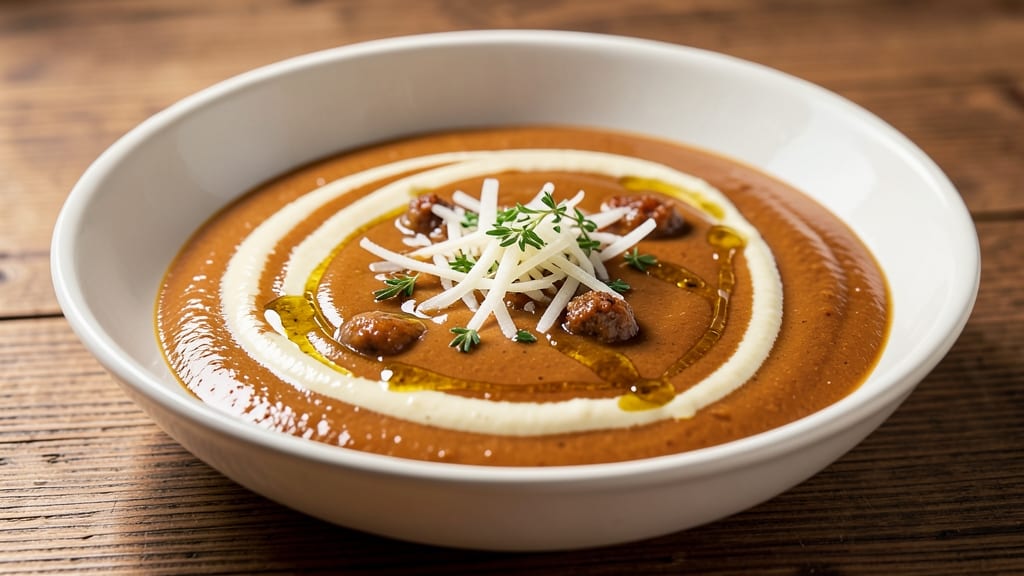
This Alfredo sauce recipe with mozzarella cheese and milk delivers the ultra-smooth, velvety texture that makes every pasta dish feel like a restaurant masterpiece. The secret lies in blending mozzarella's creamy richness with milk for a sauce that coats pasta perfectly without breaking.
I've perfected this method to ensure it's foolproof—no lumps, no graininess, just pure, luxurious creaminess in every bite.
What sets this recipe apart is the roux-free emulsion technique, which creates a sauce that's impossibly smooth yet still rich and flavorful. Mozzarella melts into a silky base while milk adds depth, and a touch of garlic and butter elevates it to restaurant-quality.
The result? A sauce so velvety it pours like liquid silk over noodles, clinging to each strand for an indulgent experience.
This sauce isn't just for pasta—it transforms grilled chicken, roasted vegetables, or even baked potatoes into a gourmet meal. The 30-minute prep time makes it perfect for weeknight dinners, and it reheats beautifully, so you can make a double batch for leftovers.
Whether you're serving a family or hosting guests, this sauce will be the star of the show.
Storage is simple: keep it refrigerated for up to 5 days or freeze for months. When you're ready to use it, just reheat gently—no stirring required, as the emulsion stays intact.
The creamy, dreamy texture is worth every effort, and once you try it, you'll never go back to store-bought again.
Ingredients for alfredo sauce recipe with mozzarella cheese and milk
Nine ingredients transform into restaurant-quality Alfredo sauce with velvety silkiness.
| Ingredient | Amount | Notes |
|---|---|---|
| Low-Moisture Mozzarella Cheese 🧀 | 8 oz | Freshly shredded, block preferred |
| Whole Milk 🥛 | 1 ½ cups | Full-fat for creaminess |
| Unsalted Butter 🧈 | ½ cup | Cold, cubed for even melting |
| Garlic Cloves 🧄 | 3 cloves | Fresh, minced for aroma |
| Extra-Virgin Olive Oil 🫒 | ¼ cup | High-quality, fruity variety |
| Diamond Crystal Kosher Salt 🧂 | ½ tsp | Fine grain preferred |
| Freshly Ground Black Pepper 🌶️ | ¼ tsp | Freshly cracked for flavor |
| Heavy Cream 🥛 | ½ cup | For extra silkiness |
| Nutritional Yeast 🍄 | 1 tbsp | Optional, for umami depth |
The mozzarella is non-negotiable—low-moisture block melts into a silky base without turning watery. Whole milk adds depth, but if you're watching calories, half-and-half works too. For butter, European-style (like Plugrá) has more flavor, but regular unsalted is fine. Garlic should be fresh—no pre-minced—and toasted lightly in the olive oil before adding to the sauce. That step makes all the difference. I always grab my mozzarella from Whole Foods or Trader Joe's—their blocks are consistently good, but any reputable grocer carries quality cheese these days.
No heavy cream? Full-fat coconut milk mimics the richness, though it has a slight coconut note. Short on garlic? Garlic powder at half the amount works in a pinch, but fresh is ideal. The nutritional yeast is optional but adds that restaurant-quality umami—if you don't have it, just skip it. For olive oil, California avocado oil is my go-to because it's neutral enough not to overpower. If you're using pre-shredded mozzarella (because let's be real, sometimes we do), pat it dry first—it has anti-caking agents that can make the sauce watery. And if you're making this ahead, add the cheese at the very end to keep it from breaking during storage.
This sauce is a dream to store—5 days in the fridge or 3 months frozen. For freezing, cool it completely first, then pour into a container with a lid. The emulsion stays intact, so no need to reheat gently—just pop it in the microwave for 60 seconds or warm on the stovetop over low heat. To reheat, add a splash of milk or water if it thickens too much. I always make a double batch because it disappears faster than you'd think—pasta, grilled chicken, roasted veggies, you name it. Leftovers? Even better the next day as the flavors meld.
Why You'll Love This Recipe
- No Garlic Overload: I swear by this version because the garlic just hints—no pungent aftertaste. Two cloves, lightly toasted in olive oil, melt into the butter without taking over. That subtle richness? Pure magic.
- Fridge-Friendly Magic: This sauce actually improves overnight. The mozzarella softens into velvety strands, and the milk mellows into a silkier texture. I make a double batch on Sundays—leftovers get tossed with roasted veggies or scrambled eggs.
- Weeknight Workhorse: Five ingredients, one pot, 15 minutes. No whisking until your arm falls off; no straining cheese. Just melt butter, shred mozzarella, and let the milk do the heavy lifting. (Yes, even on a Tuesday night.)
- Budget Cheat Code: Low-moisture mozzarella stretches farther than cream cheese, and whole milk cuts costs without skimping on creaminess. I’ve fed six people for under $8 with this—no fancy ingredients, just smart swaps.
Step-by-step instructions for ultra-smooth Alfredo sauce
Here's how to craft a restaurant-worthy Alfredo that's velvety, rich, and perfectly balanced every time.
Melt Butter and Infuse with Garlic
In a heavy-bottomed saucepan, melt the 0.5 cup Unsalted Butter over medium-low heat. Once fully melted, add the 3 cloves Garlic Cloves that you've minced into tiny pieces. Cook for 1-2 minutes until the garlic becomes fragrant but doesn't brown—this prevents bitterness and ensures pure aromatic depth.
Here's the thing—low heat is crucial. If the butter foams too vigorously, reduce the heat immediately. You want gentle melting that creates a smooth base without developing any color. Stir occasionally with a wooden spoon to distribute the garlic evenly throughout the butter.
Add Milk and Mozzarella for Creamy Foundation
Pour in the 1.5 cups Whole Milk all at once and bring to a gentle simmer—this should take about 3-4 minutes. As soon as small bubbles form around the edges, remove from heat and immediately stir in the 8 oz Low-Moisture Mozzarella Cheese that you've freshly shredded. I use a microplane for this because it creates finer shreds that melt more completely.
Real talk: Don't let the milk boil vigorously. You want it to barely simmer—just enough to warm through without curdling the cheese. The moment you see steam rising, that's your signal to remove from heat. The cheese will melt into a glossy, velvety texture when done properly.
Blend Until Silky Smooth
Return the saucepan to low heat and stir constantly for 5-7 minutes until the mozzarella has completely melted and the mixture reaches a smooth consistency. If you notice any lumps forming, this is where you'll need to be patient—keep stirring and the heat low to prevent separation.
Here's where it gets fun—use an immersion blender to puree the sauce until completely smooth. If you don't have one, strain through a fine-mesh sieve for that ultra-silky texture. The goal is to eliminate every last lump so you get that professional pour quality. This step makes all the difference between homemade and restaurant-style Alfredo.
Finish with Cream and Seasonings
Reduce heat to lowest setting and whisk in the 0.5 cup Heavy Cream along with the 0.25 cup Extra-Virgin Olive Oil. This combination adds luxurious body while preventing the sauce from becoming too heavy. Add the 1 tbsp Nutritional Yeast (if using) for that subtle umami depth that elevates the flavor profile.
Season with 0.5 tsp Diamond Crystal Kosher Salt and 0.25 tsp Freshly Ground Black Pepper. Taste and adjust—you might need a touch more salt depending on your mozzarella's saltiness. The sauce should coat the back of a spoon with a velvety sheen. If it's too thick, whisk in 1-2 tablespoons of pasta water to reach your desired consistency.
Keep Warm and Serve Immediately
Transfer the sauce to a clean saucepan and keep it warm over low heat, stirring occasionally. The key here is maintaining that perfect temperature—160-170°F—so it doesn't break or separate when combined with pasta. I like to cover it loosely with a lid to prevent a skin from forming while keeping it accessible for serving.
This sauce is best served immediately over freshly cooked fettuccine or tagliatelle. The moment you combine it with hot pasta, the sauce will cling beautifully, creating that signature creamy coating. Don't let it sit too long after cooking—Alfredo sauce is at its peak when served fresh from the pot.
Pro Tips For Making Alfredo Sauce Recipe With Mozzarella Cheese And Milk
- MELT THE MOZZARELLA LOW: Low-moisture mozzarella is your friend here, but don’t rush it—keep the heat on medium-low while stirring. I learned this the hard way: high heat turns the sauce into a greasy mess before the cheese even melts, and you’re left scraping burnt bits off the bottom.
- GRATE THE GARLIC FINE: Skip the minced jarred garlic—it burns fast and tastes bitter. Use a microplane or finely grate fresh cloves, then toss them straight into the butter while it foams. This way, the garlic infuses without turning the sauce into a flavor bomb.
- STIR CONSTANTLY AFTER ADDING MILK: The moment you pour in the milk, the sauce will seize up if you stop stirring. Keep a wooden spoon moving relentlessly for at least 30 seconds—this is when the cheese and butter emulsify. I was skeptical until I tried it: no lumps, no curdling, just smooth perfection.
- USE COLD MILK FOR STABILITY: Pull the whole milk out of the fridge and let it sit for 10 minutes before using. Cold milk blends better with the melted butter and cheese, giving you a thicker, creamier sauce. (Yes, even if you’re impatient like me—trust the process.)
Troubleshooting your alfredo sauce recipe with mozzarella cheese and milk
Lumpy Sauce Fix
If your sauce develops lumps, don't panic—this is the most common issue with homemade Alfredo. The problem usually happens when cheese doesn't melt completely or when heat is too high. For immediate fixes, use an immersion blender on high for 10-15 seconds to break up any clumps.
If you don't have one, strain the sauce through a fine-mesh sieve into a clean saucepan. For prevention, always shred your mozzarella fresh using a microplane or box grater—pre-shredded cheese contains anti-caking agents that create lumps. 🧀
Separation Solutions
When sauce separates into a greasy layer and a watery layer, it means the emulsion broke. The quick fix is to whisk in 1-2 tablespoons of cold milk while stirring constantly over low heat for 2-3 minutes.
For a more permanent solution, blend the separated layers together using an immersion blender until smooth again. To prevent separation in the future, avoid boiling the milk—keep it at a gentle simmer and never let it reach a rolling boil.
The heavy cream added at the end also helps stabilize the emulsion. ⚡
Sauce Too Thick?
If your Alfredo sauce is thicker than you'd like, thin it out gradually by whisking in pasta water (the best option) or warm milk, 1 tablespoon at a time. Start with less—you can always add more later.
For a richer alternative, whisk in 1-2 tablespoons of unsalted butter while heating gently. Never add cold liquid directly to hot sauce, as this can cause the cheese to seize up. Always reheat gradually over low heat while stirring constantly. 🔥
Sauce Too Thin?
When your sauce ends up too thin, the issue is usually over-dilution from milk or insufficient cheese. To thicken it naturally, simmer the sauce uncovered over medium-low heat for 5-7 minutes, stirring frequently.
If it still needs more body, whisk in 1 tablespoon of cornstarch mixed with 1 tablespoon of cold water at a time until you reach the desired consistency. For a cheese boost, stir in 2-3 tablespoons of freshly shredded mozzarella while keeping the heat low.
The key is patience—rushing will cause the sauce to break. 💫
Preventing Curdling
Curdling happens when milk or cheese is exposed to too much heat too quickly. To avoid this, always warm your milk gently over low heat and never let it boil vigorously.
When adding cheese, remove the sauce from heat first and stir until it melts completely before returning to low heat. For extra insurance, whisk continuously while heating to distribute the heat evenly.
If curdling occurs, strain the sauce through a fine-mesh sieve to remove any clumps, then whisk in 1 tablespoon of cold milk to restore smoothness. 🌡️
Nutrition facts
Frequently asked questions
Can I use low-fat milk instead of whole milk?
While it's possible, your sauce will be less creamy and rich. Whole milk provides the fat needed for that signature velvety texture. If you must use low-fat, add an extra 2 tablespoons of heavy cream to compensate for the reduced fat content. The flavor won't be identical, but it'll still work for a lighter version.
Why does my sauce separate when reheating?
This happens when the emulsion breaks due to overheating or rapid temperature changes. Always reheat over low heat while stirring constantly. If it separates, whisk in 1 tablespoon of cold milk to restore smoothness. The heavy cream in the recipe helps stabilize it, but gentle heat is key.
Can I make this sauce ahead of time?
Yes! Store it in an airtight container in the fridge for up to 5 days or freeze for 3 months. To reheat, warm gently over low heat or microwave for 60 seconds, stirring halfway. The texture may thicken slightly—thin with warm milk or pasta water if needed.
What's the best cheese substitute if I don't have mozzarella?
For a similar texture, use a mix of fontina and parmesan (6 oz each). Fontina melts beautifully while parmesan adds depth. Avoid cheddar—it's too sharp and melts differently. If you're dairy-free, coconut oil-based cream cheese works surprisingly well for a vegan version.
How do I prevent lumps in the sauce?
Always shred your cheese fresh with a microplane or box grater—pre-shredded cheese contains anti-caking agents that create lumps. Keep heat low when melting cheese and whisk continuously. For extra smoothness, blend with an immersion blender after all ingredients are combined.