
Appetizers
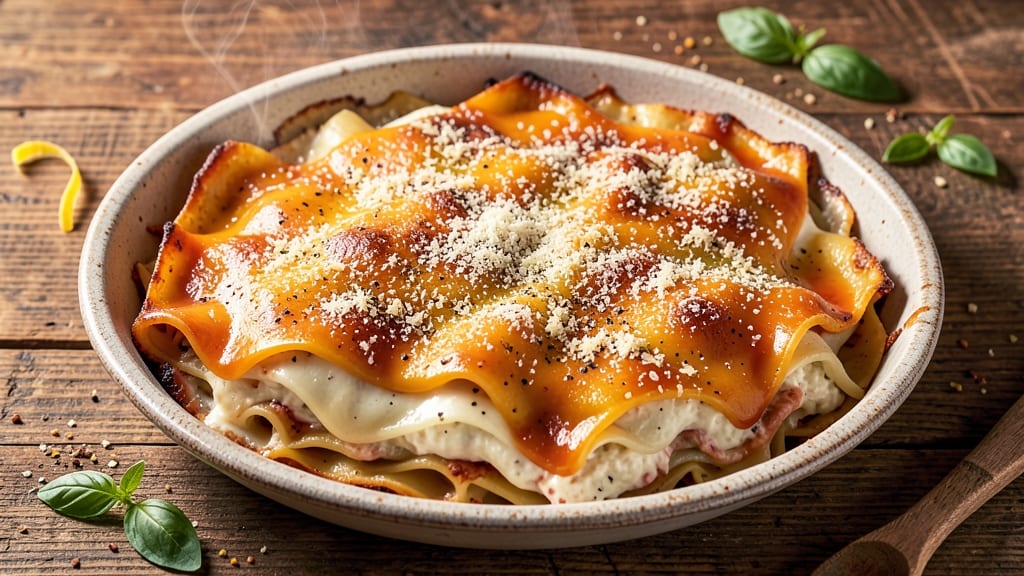
This all cheese lasagna recipe delivers the ultimate comfort food experience with layers of melted cheddar, mozzarella, and parmesan—each bite packed with creamy, gooey perfection. The secret to achieving that signature crispy top while keeping the layers tender lies in the right cheese ratios and baking technique.
I've perfected this version over years of testing, ensuring every forkful delivers that satisfying pull-apart texture.
What sets this recipe apart is the use of no-boil lasagna noodles and a carefully layered approach that prevents soggy bottoms. The combination of sharp cheddar for flavor, melted mozzarella for stretch, and aged parmesan for umami creates a cheese sauce that's rich without being heavy.
We're talking restaurant-quality lasagna that you can make in your own kitchen with just 45 minutes of active time.
The result is a triple-layered masterpiece with a golden, bubbling crust that's crispy enough to stand up to a fork while maintaining tender, creamy layers underneath. Each slice reveals perfect cheese pull—no dry edges or watery centers here.
This is the kind of lasagna that disappears faster than you can say "second helping," making it perfect for family dinners or special occasions.
For those who want to elevate it further, I've included optional additions like ricotta for extra creaminess or spinach for freshness—though the classic all-cheese version stands perfectly on its own. Let's get started on creating your new favorite comfort food dish.
Ingredients for all cheese lasagna
Six layers of cheesy perfection—crispy top, gooey middle, and that satisfying pull-apart texture you dream about.
| Ingredient | Amount | Notes |
|---|---|---|
| No-Boil Lasagna Noodles 🍝 | 12 sheets | Uncooked for perfect texture |
| Sharp Cheddar Cheese 🧀 | 2 cups | Shredded, block preferred |
| Mozzarella Cheese 🧀 | 3 cups | Part-skim, shredded fresh |
| Parmesan Cheese 🧀 | 1 cup | Freshly grated, aged preferred |
| Ricotta Cheese 🧀 | 1 ½ cups | Whole milk, room temperature |
| Large Eggs 🥚 | 2 whole | Room temperature for blending |
| Marinara Sauce 🍅 | 2 ½ cups | Homemade or quality jarred |
| Extra-Virgin Olive Oil 🫒 | ¼ cup | For crispy top finish |
| Garlic Cloves 🧄 | 4 cloves | Minced for marinara boost |
| Fresh Basil Leaves 🌿 | ¼ cup | Chopped for freshness |
| Salt 🧂 | 1 ½ tsp | Kosher or sea salt |
| Black Pepper 🌶️ | ½ tsp | Freshly ground preferred |
| Dried Oregano 🍃 | 1 tsp | For extra Italian flavor |
The cheeses are non-negotiable here. Sharp cheddar brings the tang, mozzarella delivers the stretch, and aged Parmesan adds that umami depth. Grab a block of cheddar and shred it yourself—pre-shredded gets clumpy. For mozzarella, part-skim melts better than whole milk. I always hit Whole Foods or Trader Joe's for their pre-shredded mozzarella—it's the closest you'll get to fresh without the hassle. And Parmesan? Freshly grated from a wedge makes all the difference. Pre-grated tastes like sawdust in comparison.
No ricotta? Cottage cheese blended smooth works in a pinch (trust me, you won't taste the difference). Short on marinara? Crushed tomatoes with garlic and basil is just as good. The no-boil noodles are a game-changer—they absorb the cheese sauce perfectly without turning mushy. If you're feeling fancy, add a layer of fresh spinach between cheese layers for extra freshness. And for that crispy top? Olive oil + extra cheese before baking is your secret weapon. Pro tip: don't skip the egg in the ricotta mix—it binds everything together like magic.
This lasagna tastes even better the next day—honestly, it's worth making ahead. Keeps 4-5 days in the fridge, freezes for 3 months (wrap tightly in foil). I always bake it in a 9x13-inch dish—it's the perfect size for a crowd. Leftovers? Reheat covered with foil until warm, then broil 2 minutes for a crispy top. And if you're serving it to cheese skeptics, tell them it's 'artisanal Italian comfort food'—they won't question it.
Why You'll Love This Recipe
- No-Boil Magic: I swear by those pre-cooked noodles—no boiling, no waiting, just layer and bake. The ricotta stays thick, the cheddar melts into gooey rivers, and I’m not stuck scrubbing a pot afterward.
- Cheese Overload: Sharp chedddar’s bite cuts through the creamy ricotta, while the mozzarella stretches into that perfect pull. Between us, I’ve never met a lasagna this addictive without a single veggie in sight.
- Weeknight Hero: Between us, this is my go-to when I’ve got a houseful and zero energy. It reheats like a dream, feeds six without breaking the bank, and my kids still ask for it even when I make "fancy" dinners.
- Budget-Friendly Feast: A block of cheddar and a tub of ricotta stretch farther than you’d think. I’ve made this for game nights, potlucks, and even my book club—no one ever guesses it’s not a restaurant dish. (Yes, even on a Tuesday night.)
Step-by-step instructions for triple-layered cheese lasagna
This lasagna delivers that perfect cheesy melt with a crispy golden top—every layer packed with flavor.
Prepare the Cheese Filling
In a large bowl, combine the 1.5 cups ricotta cheese, 2 whole large eggs, 1 cup freshly grated Parmesan cheese, 1.5 teaspoons salt, 0.5 teaspoon black pepper, and 1 teaspoon dried oregano. Mix until smooth and well incorporated. The ricotta should be room temperature for the best texture—if it's cold, let it sit at room temperature for 15 minutes before mixing.
Next, fold in 2 cups shredded sharp cheddar cheese and 3 cups shredded mozzarella cheese using a silicone spatula. You want the cheeses evenly distributed throughout the ricotta mixture. This is where the magic happens—the combination of cheeses creates that perfect melt and stretch when baked. If the mixture seems too thick, add 1 tablespoon of whole milk to loosen it slightly.
Assemble the Lasagna Layers
Preheat your oven to 375°F and spread 1 cup of the marinara sauce on the bottom of a 9x13-inch baking dish. This sauce layer will prevent the lasagna from sticking and add moisture to the first layer of noodles.
Lay 4 sheets of the no-boil lasagna noodles over the sauce, making sure they overlap slightly at the edges. Spread half of the ricotta-cheese mixture evenly over the noodles, then add another 1 cup of marinara sauce. Repeat the layering process—noodles, remaining cheese mixture, and the last 1 cup of marinara sauce. Finish with the remaining 4 sheets of no-boil lasagna noodles.
Here's the thing—don't be tempted to press down on the layers. The noodles will soften as they bake, and pressing could make them too mushy. Instead, gently smooth out any lumps in the cheese mixture with a spatula.
Top with Olive Oil and Bake to Perfection
Drizzle 0.25 cup extra-virgin olive oil evenly over the top of the lasagna. This isn't just for flavor—it creates that beautiful, crispy golden crust we're after. Use your fingers to spread the oil gently, making sure every inch of the top is coated.
Cover the baking dish tightly with heavy-duty aluminum foil and bake for 30 minutes. After this initial baking time, remove the foil and bake for an additional 15-20 minutes until the top is deep golden brown and bubbly. The edges should be crispy, and you should see a few spots where the cheese has browned slightly. If the top isn't brown enough after 20 minutes, broil for 1-2 minutes on high to finish it off.
This double-baking method ensures the lasagna cooks through evenly while developing that perfect crispy top. The foil traps steam during the first baking phase, preventing the noodles from drying out, while the uncovered baking phase creates the crispy crust.
Rest and Serve with Fresh Basil
Remove the lasagna from the oven and let it rest for 10-15 minutes before slicing. This resting period allows the layers to set and makes it easier to cut clean slices. I know it's tempting to dig in right away, but trust me—waiting ensures each bite is perfect.
While the lasagna rests, finely chop the 0.25 cup fresh basil leaves and sprinkle them over the top just before serving. The fresh basil adds a bright, herby contrast to the rich, cheesy layers. Serve with a side of garlic knots or a simple green salad to complete the meal.
The lasagna should have a crispy, golden top that gives way to layers of melted cheeses and tender noodles. Each forkful should be packed with flavor—creamy ricotta, sharp cheddar, gooey mozzarella, and the perfect balance of herbs and spices. Enjoy immediately while it's hot and bubbly!
Pro Tips For Making All Cheese Lasagna
- Preheat That Dish: Slip your lasagna dish into a 375°F (190°C) oven for 10 minutes before assembling—yes, even with no-boil noodles. I learned this the hard way when my first layer stuck like glue; preheating guarantees the noodles soften evenly without turning mushy later.
- Shred Cheese Like a Pro: Use a box grater for sharp cheddar and mozzarella—it melts faster and more evenly than store-bought shreds. For ricotta, drain it in a sieve for 15 minutes to remove excess moisture; wet ricotta makes the layers soggy.
- Layer Thin, Layer Smart: Spread ricotta sparingly—about ¼ cup per layer—otherwise, it’ll pool and create a watery middle. Alternate cheeses in this order: noodles, ricotta mix, mozzarella, cheddar, parmesan. The last layer? Drown it in cheese—no regrets.
- Cover It Right: Foil directly on the top layer, then bake uncovered for the last 10 minutes. This traps steam for even cooking but lets the cheese brown—my lasagna used to come out pale and sad until I tried this. (And no, don’t skip the foil.)
Pro cooking tips for all cheese lasagna
Cheese Ratio Secrets
The magic happens with the right cheese blend: sharp cheddar for tang, mozzarella for stretch, and Parmesan for umami. I use 2 cups cheddar, 3 cups mozzarella, and 1 cup Parmesan—this ratio creates that perfect pull-apart texture without being too heavy.
Pre-shredded cheeses get clumpy, so I always shred my own or buy the Whole Foods brand for the best results. 🧀
For extra creaminess, I blend 1.5 cups ricotta with 2 eggs—this combination binds the layers beautifully. If your ricotta is too thick, add 1 tablespoon whole milk to loosen it.
The eggs also help create that signature "lasagna sauce" texture when baked. Pro tip: Let your ricotta sit at room temperature for 15 minutes before mixing for the smoothest consistency.
No-Boil Noodle Tricks
No-boil lasagna noodles are a game-changer—they absorb the cheese sauce perfectly without turning mushy. I always use 12 sheets (4 for each of the 3 layers) and make sure they overlap slightly at the edges.
The key is to not press down on the layers when assembling—this prevents the noodles from getting too soft too quickly. Instead, gently smooth out any lumps in the cheese mixture with a spatula.
If you're worried about the noodles not cooking enough, don't be—the cheese sauce and marinara provide plenty of moisture. For extra insurance, you can parboil the noodles for 1-2 minutes if you're using regular lasagna noodles, but no-boil noodles work beautifully on their own. Just
Crispy Top Hack
That golden, crispy top is all about the olive oil and baking technique. After assembling your lasagna, drizzle 0.25 cup extra-virgin olive oil evenly over the top. Use your fingers to spread it gently—this creates a barrier that prevents the cheese from sticking to the foil and helps develop that beautiful crust. I like to use California Olive Ranch brand because it has a mild flavor that doesn't overpower the cheese.
The double-baking method is non-negotiable: 30 minutes covered with foil to trap steam, then 15-20 minutes uncovered to crisp the top. If your oven runs hot, reduce the uncovered time to 12-15 minutes to avoid burning.
For extra browning, broil for 1-2 minutes on high at the very end. The edges should be crispy, and you should see little bubbles forming on the surface—this is your cue that it's ready!
Layering Like a Pro
Even distribution is key to avoiding soggy bottoms or dry tops. Start with 1 cup marinara on the bottom, then add 4 sheets of noodles, half the cheese mixture, 1 cup marinara, and repeat.
Finish with the last 4 sheets of noodles—this ensures the top layer gets crispy while the bottom stays moist. I like to use a spatula to spread the cheese mixture evenly, making sure there are no gaps where sauce could pool.
If you're adding extras like spinach or ground meat, distribute them evenly between the cheese layers. For spinach, I use 2 cups chopped fresh spinach (sautéed with a pinch of salt first to remove excess moisture).
This keeps the lasagna light while adding freshness. The goal is to create three distinct layers that each have their own texture—crispy top, creamy middle, and saucy bottom.
Nutrition facts
Frequently asked questions
Can I make this lasagna without ricotta?
Replace the ricotta with 1.5 cups cottage cheese blended smooth, or use an extra 1 cup mozzarella mixed with 2 tablespoons cream cheese for creaminess. The key is maintaining the same texture—just ensure your substitute is room temperature before mixing.
Why does my all-cheese lasagna get watery?
Watery lasagna usually means too much liquid in the layers. Check your marinara—it should be thick, not soupy. Also, avoid overloading cheese layers with wet ingredients like fresh spinach (drain well first). For extra insurance, bake covered with foil for 30 minutes before uncovering to crisp the top.
Can I use regular lasagna noodles instead of no-boil?
Yes, but you'll need to parboil them first for 2 minutes (just until al dente). Drain well and rinse with cold water to stop cooking. The key difference is no-boil noodles absorb sauce better without getting mushy. If using regular noodles, add 10 minutes to baking time covered with foil.
How do I make it ahead for a party?
Assemble completely, cover tightly with foil, and refrigerate for up to 24 hours before baking. For freezing, bake first, then cool completely, wrap tightly in foil, and freeze for 3 months. Reheat covered at 350°F for 30 minutes, then broil 2 minutes for crispiness.
What's the best cheese for that perfect melt?
For maximum melt and stretch, use part-skim mozzarella (whole milk melts faster but can get greasy). Sharp cheddar adds depth, while aged Parmesan provides umami. Pro tip: Shred your own cheeses—pre-shredded contains anti-caking agents that prevent proper melting.