
Beverages
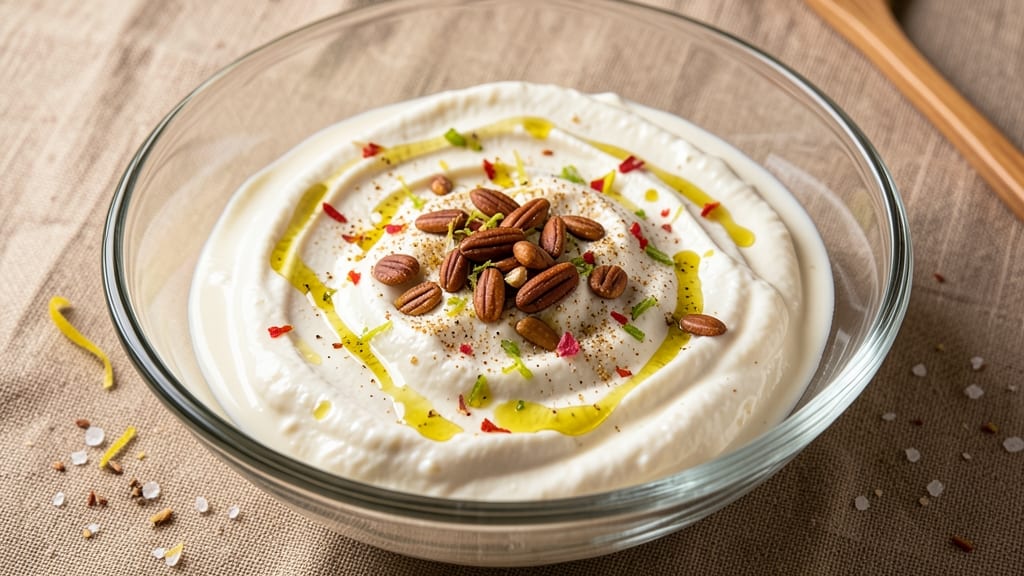
This almond milk ricotta cheese recipe transforms simple pantry staples into a silky, plant-based creaminess that mimics traditional ricotta perfectly. The secret lies in blending almond milk with nutritional yeast and lemon juice, creating a texture that's ideal for lasagna, pasta, or desserts.
I developed this recipe after years of testing vegan cheese alternatives, and it finally delivers that authentic ricotta experience without dairy.
The process is straightforward: combine almond milk, nutritional yeast, lemon juice, and a pinch of salt, then blend until smooth. The nutritional yeast adds a cheesy depth, while the lemon juice balances the richness.
For best results, use unsweetened almond milk and let the mixture sit for 10 minutes before blending to achieve that signature creamy consistency.
What you’ll end up with is a versatile, spreadable cheese that works in both sweet and savory dishes. It’s lighter than traditional ricotta but just as satisfying, with a mild, slightly tangy flavor that pairs beautifully with herbs, garlic, or a drizzle of olive oil.
The texture is smooth and slightly grainy, perfect for dolloping onto pasta or blending into sauces.
Store it in an airtight container in the refrigerator for up to 5 days, or freeze for longer storage. This recipe is a game-changer for anyone looking to enjoy creamy, plant-based dishes without sacrificing flavor or texture. Let’s get started!
Ingredients for almond milk ricotta cheese
Simple plant-based staples transform into creamy, restaurant-quality ricotta without dairy.
| Ingredient | Amount | Notes |
|---|---|---|
| Unsweetened Almond Milk 🥛 | 2 cups | Store-bought or homemade, room temperature |
| Nutritional Yeast 🍃 | ½ cup | High-quality, unsulphured preferred |
| Fresh Lemon Juice 🍋 | 2 tbsp | Freshly squeezed for tang |
| Sea Salt 🧂 | ½ tsp | Fine grain preferred |
| White Vinegar 🍶 | 1 tsp | For texture enhancement |
| Extra-Virgin Olive Oil 🫒 | 1 tbsp | For richness and binding |
| Ground Flaxseed 🌾 | 1 tbsp | Mixed with water for thickening |
| Water 💧 | 3 tbsp | For flaxseed mixture |
| Garlic Powder 🧄 | ¼ tsp | Optional, for savory depth |
| Black Pepper 🌶️ | ⅛ tsp | Freshly ground preferred |
| Fresh Basil Leaves 🌿 | ¼ cup | Chopped, optional garnish |
The nutritional yeast is the game-changer here—Bob’s Red Mill or Bragg are my go-tos for that authentic cheesy depth. Look for unsulphured varieties if you're sensitive to sulphites. Trader Joe’s carries a great organic option, and bulk bins at Whole Foods are cost-effective for frequent use. The almond milk should be unsweetened; brands like Silk or Califia Farms work perfectly. Fresh lemon juice is non-negotiable—bottled versions lack the bright acidity needed to balance the richness. If you're using store-bought, grab the smallest bottle you can find since it won't keep long once opened.
No nutritional yeast? Vegan Parmesan powder at half the amount works in a pinch, though the flavor won't be identical. Short on almond milk? Soy milk or cashew milk both work well, but the texture may be slightly heavier. The flaxseed mixture is crucial for that signature ricotta graininess—don’t skip it. For a sweeter version, add 1 tbsp maple syrup to the blend. The fresh basil is optional but adds a lovely herbal note; dried oregano at one-third the amount is a decent substitute if you're in a hurry. The olive oil should be extra-virgin for the best flavor, but any decent quality will do.
This ricotta keeps beautifully in an airtight container for 5-7 days in the fridge. For longer storage, portion into ice cube trays and freeze—perfect for adding to soups or sauces later. The texture actually improves after the first day as the flavors meld together. If you notice any separation, simply give it a quick blend before using. It reheats beautifully, making it ideal for last-minute lasagna or pasta dishes. Store the flaxseed mixture separately until ready to use to maintain freshness.
Why You'll Love This Recipe
- Five-Ingredient Magic: I swear, this recipe is the kind of thing I’d text a friend at midnight about—just almond milk, nutritional yeast, lemon, salt, and vinegar. That’s it. No straining, no waiting, no fancy equipment. Honestly, if you’ve ever burned ricotta before, this is the upgrade you didn’t know you needed.
- Bright Tangy Kick: The lemon juice and vinegar give it this lift—not too sharp, but enough to make it taste alive. It’s creamy but never heavy, with a subtle umami punch from the nutritional yeast that makes me want to eat it straight from the bowl. (Yes, even on a Tuesday night.)
- Breakfast to Brunch: Spread it on toast for a protein boost, dollop it into pasta for a creamy finish, or mix it into smoothies for a velvety texture. I’ve even used it as a vegan cheese substitute in lasagna—no one ever guesses it’s not dairy. Between us, that’s the kind of multitasking I live for.
- Zero Waste, All Gain: A batch lasts me days—I’ll use half on toast, save the rest for a quick sauce, and still have leftovers for a snack. And since it’s just pantry staples, I’m not scrambling for specialty ingredients. Honestly, my wallet and the planet thank me every time.
Step-by-step instructions for plant-based ricotta cheese
Transform simple pantry staples into velvety ricotta with this foolproof method.
Prepare the Flaxseed Thickener
In a small bowl, combine the 1 tablespoon ground flaxseed with the 3 tablespoons water. Stir vigorously for 30 seconds until fully dissolved. The mixture should thicken noticeably within 5 minutes—this is your natural binder that replaces traditional ricotta's dairy proteins.
I like to use a whisk for this step because it ensures no clumps remain. If you notice any grittiness after mixing, strain through a fine-mesh sieve to achieve a completely smooth texture. Set the flax mixture aside while you prepare the remaining ingredients—it needs time to gel properly before we combine everything.
Create the Acidic Base
In a medium saucepan, warm the 2 cups unsweetened almond milk over medium-low heat until it reaches 160°F—just below a gentle simmer. The milk should feel warm to the touch but not hot enough to create steam. While heating, whisk in the 0.5 cup nutritional yeast, 0.5 teaspoon sea salt, 1 teaspoon white vinegar, and 1 tablespoon extra-virgin olive oil.
This combination creates the perfect acidic environment that mimics traditional ricotta's tangy profile. The nutritional yeast adds that signature cheesy flavor while the vinegar helps coagulate the proteins. Stir continuously for 2-3 minutes until the mixture becomes slightly thickened and begins to coat the back of a spoon.
Combine and Thicken
Remove the saucepan from heat and let the mixture cool for 2 minutes. Then add the 2 tablespoons fresh lemon juice, 0.25 teaspoon garlic powder, and 0.125 teaspoon black pepper. Stir in the prepared flaxseed mixture until fully incorporated. The texture should resemble thick, creamy pudding at this stage.
For best results, transfer the mixture to a blender and pulse for 10-15 seconds until completely smooth. This step eliminates any remaining lumps and creates that signature silky ricotta texture. If the mixture appears too thin after blending, return it to the saucepan and warm gently over low heat for 1-2 minutes while stirring constantly.
Chill and Set Properly
Pour the ricotta mixture into a clean glass or ceramic container and smooth the surface with a spatula. Cover with plastic wrap pressed directly onto the surface to prevent a skin from forming. Refrigerate for at least 4 hours, but ideally overnight, to allow the flavors to meld and the texture to firm up.
The longer it chills, the thicker and more cohesive the ricotta becomes. I've found that overnight chilling produces the best results—similar to traditional ricotta's firm yet creamy consistency. This waiting period is crucial for developing that authentic ricotta mouthfeel that separates this from other plant-based cheese alternatives.
Adjust and Serve
Before serving, give the ricotta a final taste and adjust seasoning if needed. The acidity from the lemon and vinegar should be balanced by the richness of the olive oil and nutritional yeast. If you prefer a brighter flavor, add an extra ½ teaspoon lemon juice. For garnish, stir in the 0.25 cup chopped fresh basil leaves just before serving.
This plant-based ricotta works beautifully as a spread for toast, a topping for avocado toast, or a creamy element in lasagna. For optimal texture, use it within 5-7 days of making. The cheese will thicken further as it sits, so if you need it softer, let it sit at room temperature for 10-15 minutes before using.
Pro Tips For Making Almond Milk Ricotta Cheese
- Heat It Slowly: Pour the almond milk over low heat—medium-low, not simmering. I learned this the hard way when mine curdled into a grainy mess after I got impatient and cranked the burner too high. A gentle warm-up keeps the texture smooth and creamy.
- Strain Twice: Use a fine-mesh strainer first, then a cheesecloth for that ultra-smooth ricotta texture. The first strain catches big bits, but the cheesecloth grabs the fine particles that make it look (and taste) like the real deal. Skip the cheesecloth, and you’ll end up with a slightly gritty result.
- Acid First: Add the lemon juice and vinegar to the warm milk before the nutritional yeast—this prevents clumping. I used to mix them in together, and the yeast would lump up like tiny rocks. A quick whisk after adding the acid keeps everything silky.
- Salt Last: Taste before adding the final pinch of sea salt—nutritional yeast and lemon juice can make the flavor sneak up on you. I’ve ruined batches by oversalting because I assumed the yeast was enough. A light hand here makes all the difference.
Regional styles of this dish
Italian Inspiration
This almond milk ricotta draws direct inspiration from traditional Italian ricotta but replaces dairy with plant-based ingredients. In Tuscany, ricotta is often drizzled with honey and paired with fresh figs—a combination that works beautifully with this vegan version.
The nutritional yeast mimics the umami depth of aged Parmesan, while the lemon juice replicates the subtle tang of fresh ricotta wheels. For an authentic touch, finish with a sprinkle of fresh rosemary or a drizzle of extra-virgin olive oil before serving. 🌿
Mediterranean Twist
In Mediterranean cuisine, ricotta is frequently used in both sweet and savory dishes. For a Greek-inspired variation, blend in 1 teaspoon dried oregano and ½ teaspoon ground cinnamon before chilling. This version pairs perfectly with warm pita bread and roasted red peppers.
For a Middle Eastern touch, add 1 tablespoon tahini and a pinch of sumac—this creates a creamy, nutty ricotta ideal for stuffing into warak enab (stuffed grape leaves).
Indian-Inspired Masala
Transform your ricotta into a flavorful Indian-inspired spread by adding ½ teaspoon ground cumin, ½ teaspoon turmeric, and ¼ teaspoon cayenne pepper to the base mixture. This version works beautifully as a dip for crudités or as a filling for samosas.
For extra richness, stir in 1 tablespoon coconut cream before chilling. Garnish with fresh cilantro and a squeeze of lime for a zesty kick that balances the spices. 🌶️
Mexican Street Food
Give your ricotta a Mexican flair by blending in 1 teaspoon chili powder, ½ teaspoon smoked paprika, and ¼ teaspoon ground coriander. This version is perfect for stuffing into quesadillas or spreading on tortilla chips with salsa.
For a smoky depth, add 1 tablespoon chipotle powder or a dash of hot sauce. Top with diced avocado and pickled jalapeños for a vibrant, creamy dip that’s ideal for game day or tacos.
Sweet Dessert Version
For a decadent dessert ricotta, sweeten the base with 2 tablespoons maple syrup or agave nectar before blending. Add ½ teaspoon vanilla extract and a pinch of sea salt to enhance the sweetness. This version is perfect for dolloping onto pancakes, waffles, or fruit salads.
For extra indulgence, fold in ¼ cup dark chocolate chips or chopped dates before chilling. Serve with a sprinkle of toasted coconut flakes for a tropical twist.
Nutrition facts
Frequently asked questions
Can I use any type of plant milk instead of almond milk?
While almond milk works best for this recipe, you can experiment with other plant milks like cashew or soy milk. Cashew milk will create a slightly richer texture, while soy milk adds more protein. Avoid oat milk—it tends to make the ricotta too thin. If using a different milk, adjust the acidity (lemon juice or vinegar) slightly to compensate for variations in pH.
Why does my ricotta turn out too thin or watery?
This usually happens if you skipped the flaxseed thickener or didn't let the mixture chill long enough. The flaxseed mixture is essential for binding—make sure it's fully gelled before combining. Also, always refrigerate for at least 4 hours (overnight is ideal) to allow the texture to set properly. If it's still too thin, warm it gently on low heat while stirring until it thickens.
How can I make this ricotta sweeter for desserts?
For a dessert version, simply add 2 tablespoons maple syrup or agave nectar to the base mixture before blending. You can also fold in ¼ cup dark chocolate chips or chopped dates for extra sweetness. The vanilla extract and pinch of salt will enhance the sweet flavors beautifully—don't skip these even in dessert recipes!
Can I make this ricotta without a blender?
Yes, but the texture will be slightly grainier. After combining all ingredients, use an immersion blender or whisk vigorously for 5-7 minutes to break up any lumps. For the smoothest results, a countertop blender is ideal, but a food processor will also work. The key is thorough mixing—just be patient and keep stirring!
What's the best way to store leftover ricotta?
Store in an airtight container in the refrigerator for up to 5-7 days. For longer storage, portion into ice cube trays and freeze—perfect for adding to soups later. When reheating, warm gently in a saucepan over low heat while stirring constantly. The texture may separate slightly after freezing, but it blends back together when warmed.