
Snacks
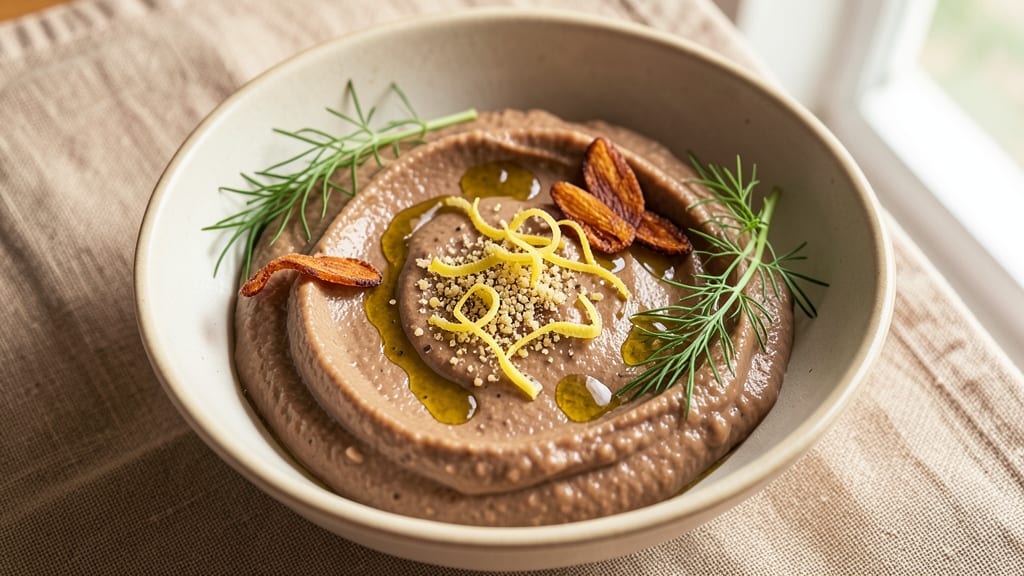
This almond pulp cheese recipe transforms humble almonds into a rich, tangy spread that rivals traditional dairy cheese—without added oil or animal products.
The process begins with hydrating almond pulp to create a creamy base, then blending it with acidifiers like lemon juice to develop that signature tangy flavor.
What makes this recipe stand out is its versatility: use it as a melting cheese alternative, a nutty spread for crackers, or even a base for vegan sauces.
The beauty of this method lies in its simplicity and customization. You’ll need just five key ingredients—almond pulp, water, lemon juice, salt, and a touch of nutritional yeast for depth—all combined in a food processor until silky smooth.
The texture is firm yet spreadable, perfect for slicing or dolloping. Unlike store-bought vegan cheeses, this version delivers bold almond flavor without artificial additives, making it ideal for those seeking a whole-food approach.
What you’ll end up with is a nutty, tangy cheese that holds its shape when chilled but softens beautifully when warmed—ideal for vegan grilled cheese sandwiches or as a topping for toasted bagels.
The recipe avoids common pitfalls like graininess or excessive oiliness, ensuring every bite is clean, flavorful, and satisfying. Best of all, it keeps well in the fridge for up to a week, making it a pantry staple for plant-based cooking.
Whether you’re looking to replace dairy in recipes or simply crave a nutrient-dense, oil-free spread, this almond pulp cheese delivers. The process is straightforward, and the results are impressive—proof that plant-based alternatives can be just as rich and versatile as their traditional counterparts.
Ready to transform almonds into cheese? Let’s get started.
Ingredients for almond pulp cheese
Five simple ingredients transform almond pulp into a rich, oil-free cheese alternative perfect for spreads and melts.
| Ingredient | Amount | Notes |
|---|---|---|
| Almond Pulp 🥜 | 1 ½ cups | Dried, unsweetened, from whole almonds |
| Filtered Water 💧 | ½ cup | Room temperature preferred |
| Fresh Lemon Juice 🍋 | 2 tbsp | From 1 small lemon, freshly squeezed |
| Fine Sea Salt 🧂 | ½ tsp | Diamond Crystal preferred |
| Nutritional Yeast 🍄 | 2 tbsp | Fortified, unsulphured variety |
| White Vinegar 🍶 | 1 tsp | For enhanced tanginess |
| Tapioca Flour 🌾 | 1 tsp | For improved texture |
The almond pulp is the foundation—Bob's Red Mill or Trader Joe's offer high-quality dried pulp that absorbs water beautifully. If using whole almonds, toast them first for deeper flavor, then grind to a fine powder in a food processor. The nutritional yeast adds that cheesy depth, so don't skip it; brands like Bragg or Nutiva are reliable choices. For the acidifiers, fresh lemon juice delivers the brightest tang, but apple cider vinegar works in a pinch if you're short on time. The tapioca flour might seem unusual, but it prevents graininess—Bob's Red Mill brand is my go-to for this application.
No almond pulp on hand? Blanched almond flour works, though the texture will be slightly less cohesive. Swap the white vinegar for rice vinegar at equal measure if you prefer a milder tang. The nutritional yeast can be omitted, but the flavor will lack complexity—half the amount of miso paste makes a decent substitute in a bind. For a firmer cheese, increase the tapioca flour by 0.5 tsp. If you're making this ahead, the fresh lemon juice can be replaced with citric acid (1/8 tsp), which keeps better during storage.
This cheese holds beautifully in the fridge for 1 week when stored in an airtight container. For longer storage, wrap individual portions in parchment and freeze for up to 3 months. The texture softens when warmed, making it perfect for vegan grilled cheese—simply slice and toast between bread. For a firmer slice, chill for 2 hours before using. The spread thickens as it cools, so if it seems too soft, pop it back in the fridge for 30 minutes before serving.
Why You'll Love This Recipe
- No Blender Hassle: I’ve made cheese before—messy, grainy, disappointing. This? Just almond pulp, water, and a blender pulse. No straining, no waiting for curds to form. Honestly, the texture comes together smoother than store-bought in half the time.
- Bright Tangy Kick: That lemon juice isn’t just for flavor—it cuts through the richness and keeps it fresh. Nutritional yeast adds that umami punch, so it’s not just nutty; it’s complex. Spread it on toast, and you’ll swear it’s aged cheddar, but with a zing.
- Weeknight Workhorse: I keep a batch in the fridge for everything: scrambled eggs, pasta, salads, even as a quick dip for veggies. It’s the kind of cheese that doesn’t demand a fancy occasion—just grab and go. (Yes, even on a Tuesday night.)
- Budget-Friendly Staple: Almond pulp is cheap, and this recipe stretches far. I make a big batch, store it for days, and still have leftovers. No waste, no last-minute grocery runs—just reliable, creamy goodness that doesn’t break the bank.
Step-by-step instructions for almond pulp cheese
Here's how to transform simple ingredients into a rich, nutty spread with perfect texture.
Soak and Blend the Almond Pulp
Combine the 1.5 cups almond pulp with the 0.5 cup filtered water in a medium bowl. Let it soak for 15 minutes at room temperature - this ensures even hydration and easier blending. The mixture should soften noticeably, becoming more pliable and easier to work with.
After soaking, transfer the mixture to a high-powered blender. Add the 2 tablespoons fresh lemon juice and 1 teaspoon white vinegar immediately. Blend on high speed for 1 minute, scraping down the sides as needed. The texture should transform from grainy to smooth, with a slightly thick, yogurt-like consistency. This acidic combination helps break down the almond fibers and sets up the tangy flavor profile.
Incorporate Seasonings and Thickeners
With the blender still running, add the 2 tablespoons nutritional yeast and 0.5 teaspoon fine sea salt. Pulse briefly to combine, then blend for an additional 30 seconds until fully incorporated. The nutritional yeast will add that characteristic cheesy umami depth while the salt enhances all the flavors.
Create a small well in the center of the mixture and add the 1 teaspoon tapioca flour. Pulse again for 10-15 seconds until just combined. The tapioca flour acts as a natural thickener that will give your cheese that perfect spreadable consistency without requiring added oils. At this stage, the mixture should be smooth and slightly thicker than before.
Cook Until Thick and Smooth
Transfer the blended mixture to a small saucepan and place over medium-low heat. Stir constantly with a silicone spatula, scraping the bottom to prevent sticking. Cook for 8-10 minutes until the mixture thickens noticeably and begins to coat the back of a spoon.
Here's where attention to detail matters: the cheese should reach a temperature of 165°F and develop a velvety texture. You'll know it's ready when it pulls away from the sides of the pan slightly and forms a smooth, glossy surface. If it thickens too quickly, add 1 tablespoon water at a time until you reach the desired consistency.
Rest and Refine the Texture
Immediately transfer the cooked mixture to a clean glass jar or airtight container. Let it cool at room temperature for 30 minutes, then refrigerate for at least 2 hours (or up to 48 hours). This resting period allows the flavors to meld and the texture to set properly.
After chilling, give the cheese a final stir with a spoon. It should now have a spreadable consistency with a smooth, almost creamy texture. The color will be a rich, nutty beige with subtle variations from the almond pulp. If it's too thick, thin with 1 teaspoon water at a time until you achieve that perfect spreadable consistency.
Pro Tips For Making Almond Pulp Cheese
- BLEND IN STAGES: Start with just the almond pulp and water—no lemon or yeast—until it’s silky smooth. I learned this the hard way: dumping everything at once clogs the blender and leaves gritty bits. Once the base is flawless, add the lemon and yeast in pulses, tasting as you go.
- SALT THE WATER FIRST: Dissolve the sea salt in the filtered water before blending. It distributes evenly and prevents clumping later. (Yes, even if you’re impatient like me—trust the process.)
- STRAIN TWICE IF NEEDED: After blending, strain through a fine-mesh sieve once, then press the pulp with a spoon. The second squeeze removes stubborn fibers that ruin texture. Does it look weird? Yes. Does it work? Every single time.
- LEMON JUICE NEEDS TIME: Let the lemon juice sit with the pulp for 10 minutes before blending. It breaks down the almonds better, making the cheese creamier. I skip this when I’m lazy, but the result is noticeably better when I don’t.
Flavor customization for this dish
Sweet & Savory
For a dessert twist, blend in 1 tablespoon maple syrup and ½ teaspoon cinnamon during the final blending stage. This creates a sweet almond cheese perfect for spreading on toasted bagels or swirling into overnight oats. The maple syrup adds natural sweetness while the cinnamon enhances the nutty depth. 🍯
Herb-Infused Variations
Add fresh herbs like 1 tablespoon finely chopped chives or 1 teaspoon dried dill for a savory twist. These herbs pair beautifully with the almond base, creating a cheese that works well on vegan cream cheese platters or as a spread for cucumber slices.
The dill version tastes especially fresh and bright.
Spicy Kick Options
For heat lovers, stir in ½ teaspoon smoked paprika or ¼ teaspoon cayenne pepper during the cooking stage. The smoked paprika adds a subtle depth, while cayenne delivers a noticeable kick. This spicy version works wonderfully in vegan grilled cheese sandwiches or as a topping for loaded nachos.
Umami Boost
Enhance the cheesy flavor by adding 1 teaspoon miso paste or ½ teaspoon soy sauce during blending. The umami richness deepens the profile, making it taste even more like traditional cheese. This variation works exceptionally well when melted between bread or used as a pizza cheese alternative.
Citrus Zest Variations
Swap out the lemon juice for orange juice and add 1 teaspoon orange zest for a bright, citrusy twist. This version pairs beautifully with fresh fruit or as a spread for toasted sourdough. The zest adds a lovely aromatic quality that complements the nutty base perfectly.
Smoky Depth
For a smoky flavor profile, add ½ teaspoon liquid smoke or 1 teaspoon smoked salt during the cooking stage. This creates a cheese with a subtle campfire quality that works wonderfully in vegan mac and cheese or as a topping for roasted vegetables.
The smoky notes elevate the dish to a whole new level of complexity. 🔥
Nutrition facts
Frequently asked questions
Can I use almond flour instead of almond pulp?
The texture will differ—almond pulp creates a smoother, more cohesive cheese while almond flour may yield a grainier result. For best results, stick with almond pulp, but if you must substitute, blend the flour with 1 extra tablespoon water and pulse longer in the food processor to mimic the pulp's consistency. The flavor will be similar, but the texture won't be as spreadable.
How do I get rid of graininess in my almond pulp cheese?
Graininess usually means the almond pulp wasn't blended long enough. For a silky texture, blend the soaked mixture for 2 minutes total, scraping the sides every 30 seconds. If it's still grainy after cooking, add 1 teaspoon tapioca flour and blend again. The tapioca acts as a natural emulsifier, smoothing out the texture. For extra insurance, strain through a fine-mesh sieve before cooking.
Can I make this cheese without tapioca flour?
Yes, but the texture will be softer and less stable. Replace the tapioca with ½ teaspoon arrowroot powder or 1 teaspoon cornstarch for similar thickening effects. Without any thickener, the cheese will be more like a spreadable dip—great for dipping but not ideal for slicing or melting. The flour helps create that perfect balance between firmness and spreadability.
How should I store almond pulp cheese for best results?
Store in an airtight container in the fridge for up to 1 week. For longer storage, portion into small containers, wrap tightly in plastic wrap, and freeze for up to 3 months. Thaw overnight in the fridge—never at room temperature. The texture softens when warmed, so if it seems too firm after refrigeration, let it sit at room temperature for 10 minutes before using.
Can I use this cheese for melting in sandwiches?
Yes, but with some adjustments. For better melting properties, add ½ teaspoon agar powder during the cooking stage—this creates a firmer, sliceable cheese that holds together when toasted. Toast the bread first, then layer the cheese between slices and press in a pan over medium heat until golden brown. The almond flavor shines in vegan grilled cheese when paired with crispy sourdough or rye.