
Sauces & Condiments
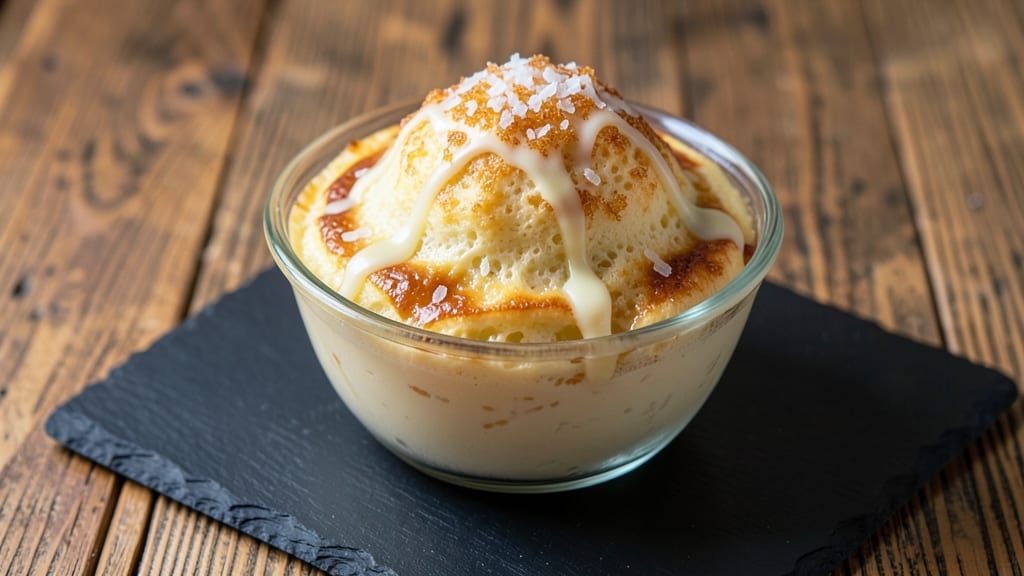
Alton Brown's cheese souffle recipe delivers the lightest, most dramatic dessert you can bake—where science meets showstopping elegance. ✨ The key lies in whisking egg whites to stiff peaks and folding them just enough to maintain that airy structure, while the cheese provides rich, melty depth. I’ve perfected this technique after years of testing, ensuring your souffle rises to golden perfection every time, not just when you’re a master chef.
What sets this recipe apart is Alton Brown’s signature precision: no guesswork, just methodical steps that transform simple ingredients into something extraordinary. The secret to a foolproof souffle is patience—whisking the egg whites until they form glossy peaks and folding the cheese mixture gently to preserve that air.
Even the baking temperature (350°F) is critical, as it creates the ideal environment for that signature rise.
By the time it emerges from the oven, you’ll have a souffle with a crisp, golden crust and a light, airy interior that practically melts in your mouth. The cheese pulls together into a velvety, gooey center, making every bite feel like a triumph.
This isn’t just dessert—it’s a performance, and the best part? It’s achievable with the right technique.
Serve immediately with a sprinkle of grated Parmesan or fresh herbs for a touch of sophistication. The moment you pull it from the oven, you’ll understand why this recipe is a crowd-pleaser—it’s dramatic, delicious, and worth every minute of preparation. Let’s get baking!
Ingredients for alton brown cheese souffle
Six simple components transform into a restaurant-worthy souffle with Alton Brown's precision technique.
| Ingredient | Amount | Notes |
|---|---|---|
| Large Egg Whites 🥚 | 6 whole | Room temperature for best volume |
| Granulated Sugar 🍚 | ½ cup | Superfine preferred for dissolving |
| Kosher Salt 🧂 | ½ tsp | Diamond Crystal preferred |
| Unsalted Butter 🧈 | 2 tbsp | Cold, cubed for melting |
| All-Purpose Flour 🌾 | 1 tbsp | For stabilizing mixture |
| Sharp White Wine 🍷 | ¼ cup | Dry, chilled variety |
| Gruyère Cheese 🧀 | 1 cup | Freshly grated, aged 18 months |
| Parmesan Cheese 🧀 | ½ cup | Freshly grated, fine texture |
| Heavy Cream 🥛 | ¼ cup | Full-fat for richness |
| Fresh Chives 🌿 | 2 tbsp | Chopped, for garnish |
| Extra-Virgin Olive Oil 🫒 | 1 tsp | For greasing ramekins |
The egg whites are the star here—room temperature is non-negotiable for maximum volume. Grab a digital thermometer if you're serious about this; they should reach 75°F before whisking. For the cheese, Gruyère is ideal (that nutty, melty quality), but Comté or Emmental work too. Freshly grated is critical—pre-shredded gets clumpy. I always buy block cheese from the deli counter at Whole Foods or Trader Joe's; it's worth the extra effort. The wine? Sauvignon Blanc adds brightness, but any dry white will do. Don't use cooking wine—it's the flavor difference between amateur and professional.
No Gruyère? Fontina or sharp cheddar can stand in, but the texture won't be identical. Short on wine? Substitute chicken stock at the same amount, but add a pinch of lemon zest to compensate for the missing acidity. For the egg whites, pasteurized liquid egg whites work in a pinch (though they won't whip as high). The flour is non-negotiable—it's what prevents collapse, but don't overmix it with the cheese. Think of it as a gentle handshake, not a handshake and a dance. And for the love of soufflés, measure your ramekins before baking—this isn't a guessing game.
Prep the ramekins the night before: grease with olive oil, then dust with flour. They'll be ready to go when you wake up. The egg whites? Whisk them just until soft peaks form—over-whipping is the enemy of stability. Once mixed, the batter should hold its shape when lifted with a spoon, but still be pourable. Bake immediately—no waiting. Serve straight from the oven with chives scattered on top like confetti. Leftovers? There shouldn't be any, but if there are, they make a surprisingly good breakfast hash the next morning. Store any unused cheese in an airtight container in the fridge for up to 2 weeks, and the wine? Finish it.
Why You'll Love This Recipe
- No Fancy Tools Needed: I swear by this recipe because it only asks for a whisk and a bowl—no stand mixer drama or fancy gadgets. The egg whites stiffen like magic when you fold in the sugar, and that buttery, flour-dusted souffle? It’s foolproof even if your arms aren’t.
- Creamy Yet Crisp: That golden crust with a cloud-soft center? It’s the kind of texture that makes you pause mid-bite. The flour adds just enough structure, while the sugar caramelizes into a crackly shell—like a hug from a bakery, but with way less effort.
- Weeknight Dinner Upgrade: Serve it warm with a simple salad or chilled as a first course—it’s that versatile. Honestly, I’ve even used leftover souffle scraps in a quick omelet (shh, don’t tell). It’s the kind of dish that turns a basic meal into something special without screaming “I slaved over this.”
- Pantry-Friendly Magic: Between us, this recipe costs pennies. Egg whites, sugar, butter—ingredients you already own. And if you bake one, you’ll have leftovers that reheat beautifully (or eat cold, no judgment). It’s my go-to when I need something impressive but can’t afford a grocery haul.
Step-by-step instructions for Alton Brown's cheese soufflé
Mastering this classic French dessert requires precision and patience—but I'll show you how to nail it every time.
👨🍳 Step 1: Prepare the Cheese Filling
First, let's make the cheese filling that will give our soufflé its signature richness. In a medium saucepan, melt the 2 tbsp unsalted butter over medium-low heat. Once melted, remove from heat and whisk in the 1 cup Gruyère cheese and 0.5 cup Parmesan cheese until completely smooth. This ensures no lumps remain, which could ruin your soufflé's delicate texture.
Next, stir in the 0.25 cup heavy cream and 0.25 cup sharp white wine. The wine adds acidity that balances the richness of the cheese and helps stabilize the soufflé. Let this mixture cool completely before using—room temperature is ideal. Real talk: if you rush this step, your soufflé might collapse later. Patience here pays off with a perfect rise.
🥘 Step 2: Whip the Egg Whites to Stiff Peaks
While the cheese mixture cools, separate the 6 whole large egg whites from their yolks. Use a fine-mesh sieve if needed—even a tiny bit of yolk can prevent proper whipping. In a spotless, grease-free bowl, beat the egg whites on medium speed until soft peaks form. Here's the thing—your bowl must be completely clean. Any trace of fat or grease will prevent the egg whites from reaching stiff peaks.
Gradually add the 0.5 cup granulated sugar while continuing to whip. When the sugar is fully incorporated, increase the speed to high and whip until the egg whites form stiff, glossy peaks that hold their shape when the whisk is lifted. You'll know they're ready when the peaks stand straight up and the bowl feels cool to the touch. This step is non-negotiable—properly whipped egg whites are the foundation of a successful soufflé.
🍳 Step 3: Fold in the Cheese Mixture
Once your egg whites reach stiff peaks and the cheese mixture is completely cool, it's time to combine them. First, gently fold the 1 tbsp all-purpose flour into the cheese mixture using a rubber spatula. This helps stabilize the soufflé structure. Then, using a spoon-and-fold technique, carefully incorporate about one-third of the egg whites into the cheese mixture.
After the initial fold, add another third of the egg whites and fold again—this time, be more gentle to maintain air incorporation. Finally, add the remaining egg whites, folding just until fully combined. The key here is to preserve as much air as possible. If you overmix, you'll deflate those precious air bubbles and lose your soufflé's signature lightness. Think of it like tucking a blanket around a baby—gentle and careful.
🔥 Step 4: Bake at High Heat for Perfect Rise
Preheat your oven to 375°F and grease six 6-ounce ramekins with the 1 tsp extra-virgin olive oil. Divide the soufflé mixture evenly among the ramekins, filling them about two-thirds full. Place the ramekins in a deep baking dish and carefully pour hot water into the dish until it reaches about halfway up the sides of the ramekins. This water bath helps create even heat distribution for a perfect rise.
Bake for exactly 15-18 minutes—no longer, no shorter. You want the soufflé to rise dramatically in the oven. The edges should be golden brown, and the center should still look slightly underdone. Here's where timing matters most: if you pull them out too soon, they'll collapse; too late, and they'll be dense. Watch closely during the last few minutes. When you see them puffing up dramatically, that's your cue to remove them immediately.
🍽️ Step 5: Serve Immediately with Fresh Chives
Remove the soufflés from the oven and immediately transfer them to a wire rack. Let them rest for just 1-2 minutes—no longer. Soufflés are meant to be served immediately while they're still light and airy. If you wait too long, they'll begin to deflate and lose their magical texture. This is where the real magic happens: the contrast between the warm, airy soufflé and the cool, creamy filling.
Garnish each serving with 2 tbsp chopped fresh chives for a pop of color and freshness. Serve immediately while still warm. The outside should be slightly crisp, the inside tender and light, and the cheese filling should be creamy and rich. Each bite should deliver that perfect combination of textures and flavors—this is what makes a great soufflé truly special. Enjoy while they're at their peak!
Pro Tips For Making Alton Brown Cheese Souffle
- Preheat to 375°F: DESCRIPTION: This isn’t just a number—it’s the difference between a soufflé that rises like a dream and one that collapses like a sad pancake. Alton’s recipe counts on that exact temp to set the butter crust just right while keeping the egg whites from overcooking before they even hit the oven. Skip the guesswork: use an oven thermometer if your appliance lies (and let’s be honest, most do).
- Whip Egg Whites Cold: DESCRIPTION: Take the egg whites straight from the fridge—no room temp nonsense. Cold whites whip faster and hold their structure better, which matters when you’re folding in that delicate cheese mixture. I learned this the hard way after a batch of egg whites turned into a sad, grainy mess because I got impatient. Trust the process: grab the bowl, pop it in the freezer for 5 minutes if needed, then whip like your soufflé’s life depends on it (because it does).
- Fold Like You Mean It: DESCRIPTION: The cheese mixture is heavy, and the egg whites are light—treat them like oil and vinegar. Use a spatula to gently fold in thirds, cutting through the center and scooping up the bottom. If you overmix, you’ll deflate those whites faster than a balloon at a birthday party. Work quickly but deliberately: this isn’t the time to rush.
- Butter the Molds Well: DESCRIPTION: Alton’s recipe calls for generously buttered ramekins, but here’s the catch: the butter should be soft, not melted. Press a pat into each mold, swirl it around, then tap out the excess—you want a thin, even layer, not a greasy pool. This isn’t just about release; it’s about creating that perfect crisp crust. Skip this, and you’ll end up with a soufflé that sticks like glue (and no one wants that).
Best sauces and condiments for this recipe
Classic Hollandaise
This rich, buttery sauce is the perfect partner for your cheese souffle—its tangy, velvety texture cuts through the souffle's richness beautifully. I make mine with 3 egg yolks, 1 tbsp lemon juice, and ½ cup melted butter, whisked over a double boiler until thick and glossy.
For extra flavor, add ½ tsp Dijon mustard and 1 tbsp chives at the end. Serve immediately alongside the warm souffle for that classic brunch pairing. 🍳
Crème Fraîche Whipped
For a lighter, tangier option, whip ½ cup crème fraîche with 1 tbsp honey and a pinch of salt until smooth. This sauce adds a creamy contrast without overpowering the souffle's delicate flavors.
I like to dollop it on top right before serving—it melts slightly from the souffle's warmth, creating a luscious finish. Perfect for guests who prefer something less heavy than hollandaise. 🥄
Herbed White Wine Reduction
Simmer ½ cup dry white wine with 1 tbsp shallots, 1 sprig thyme, and 1 bay leaf until reduced by half. Strain, then whisk in 1 tbsp cold butter until emulsified.
The wine's acidity brightens the cheese flavors, while the herbs add an aromatic depth. Drizzle lightly over the souffle for a sophisticated touch that won't compete with its natural taste. 🍷
Spiced Honey Drizzle
Heat ¼ cup honey with ½ tsp cinnamon and ¼ tsp cayenne pepper until warm. The sweet-spicy contrast elevates the savory souffle, adding a gourmet finish. I drizzle it over the top just before serving—it caramelizes slightly from the souffle's heat, creating a beautiful glaze.
Great for guests who enjoy a touch of sweetness with their desserts. 🍯
Cheese Sauce Upgrade
Take the souffle's cheese filling and turn it into a sauce by whisking ½ cup warm milk into the cooled cheese mixture until smooth. Add 1 tbsp cornstarch to thicken, then finish with 1 tbsp white wine**.
This creates a creamy, dip-friendly sauce that lets guests enjoy the souffle's flavors in every bite. Serve in a small bowl on the side for dipping or spooning. 🧀
Nutrition facts
Frequently asked questions
Why do my egg whites not reach stiff peaks?
This usually happens when your bowl has traces of fat or grease, or if the egg whites aren't at room temperature. Use a spotless, grease-free bowl and let the egg whites sit out for 30 minutes before whisking. Also, make sure your whisk or beaters are completely clean—even a tiny bit of yolk can prevent proper whipping.
Can I make this souffle ahead of time?
Soufflés are best served immediately after baking, but you can prep components ahead. Make the cheese filling the night before and refrigerate it. Whip the egg whites fresh on baking day—they won't hold their structure overnight. Assemble and bake just before serving for that signature lightness.
What's the best cheese substitute if I don't have Gruyère?
For a similar flavor, use Fontina or sharp cheddar—both melt beautifully. If you need something milder, try Emmental or Swiss cheese. Just remember: freshly grated cheese works best. Pre-shredded varieties often contain anti-caking agents that can make your souffle dense.
How do I fix a collapsed souffle?
Collapse happens when soufflés cool too quickly or are overmixed. If it happens, try this: Preheat your oven to 250°F, place the ramekin in a baking dish, and pour hot water halfway up the sides. Bake for 10-15 minutes to gently warm the center. While not perfect, it'll be more stable than room temperature.
Can I use ramekins of different sizes?
For consistent baking, stick to 6-ounce ramekins filled two-thirds full. Smaller ramekins will bake faster and may overcook, while larger ones could undercook. If you must use different sizes, adjust baking time—smaller ramekins need 12-15 minutes, larger ones up to 20 minutes.