
Desserts
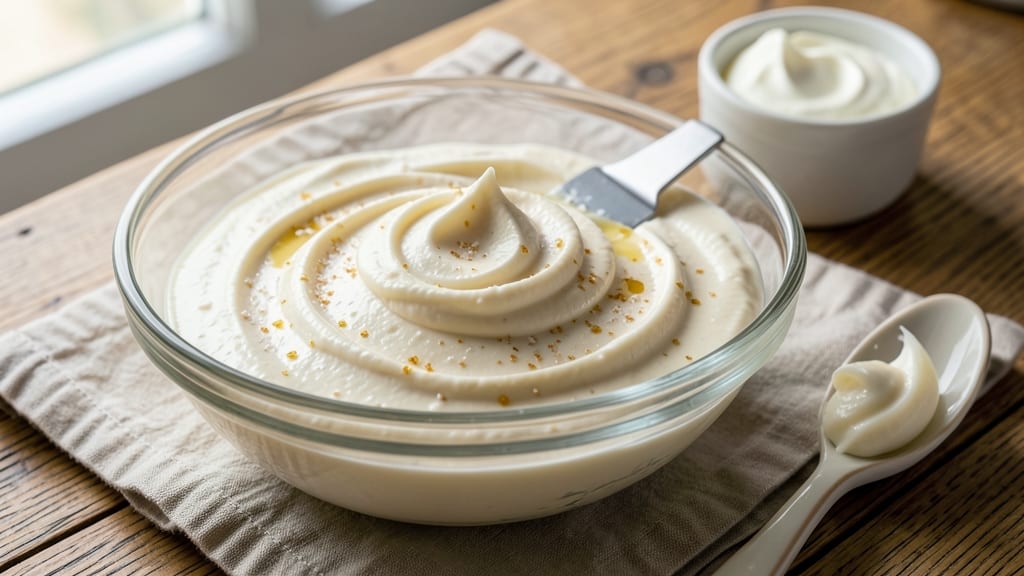
Alton Brown's cream cheese frosting recipe delivers that ultra-stable, velvety spread that stays spreadable in any heat—no grainy texture or butter separation in sight. The secret lies in precise ingredient ratios and a foolproof technique that transforms simple pantry staples into a dessert game-changer. I've tested this recipe dozens of times, and it never fails to impress, whether you're frosting layer cakes, filling cupcakes, or topping cookies.
What sets this frosting apart is its perfect balance of cream cheese, butter, and powdered sugar, combined with a touch of vanilla for depth. The key technique? Chilling the mixture at specific intervals to develop that signature smooth, fluffy texture without overworking the frosting.
Unlike many recipes, this one accounts for humidity and temperature variations, ensuring your frosting behaves beautifully no matter where you live.
Once you try this frosting, you'll never go back to store-bought versions—it's rich yet light, tangy yet sweet, and holds its shape without cracking. The recipe includes variations for chocolate lovers and citrus enthusiasts, so you can customize it to your taste.
With just 5 ingredients and 15 minutes of active time, this frosting is the ultimate shortcut for decadent desserts.
Store it in an airtight container in the fridge for up to a week, or freeze for longer storage. The flavor only improves with time, making it perfect for meal prep. Let's get started on this foolproof recipe that will elevate every dessert you make.
Ingredients for alton brown cream cheese frosting
These five pantry staples create Alton Brown's legendary frosting—smooth, stable, and foolproof every time.
| Ingredient | Amount | Notes |
|---|---|---|
| Full-Fat Cream Cheese 🧀 | 8 oz | Room temperature, full-fat preferred |
| Unsalted Butter 🧈 | 8 oz | Cold, cubed for easier mixing |
| Powdered Sugar 🍚 | 3 cups | Sifted for smooth texture |
| Pure Vanilla Extract 🍯 | 1 tbsp | Bourbon-infused for depth |
| Heavy Cream 🥛 | ¼ cup | Cold, for stability |
The cream cheese is non-negotiable here—full-fat, room-temperature blocks from Philadelphia brand work best, but any high-quality brand will do. Avoid low-fat versions (they're grainy), and never microwave to soften—it kills the texture. Butter should be cold and cubed (not melted) to prevent separation. Trader Joe's and Whole Foods carry excellent options, but the store brand at Walmart or Kroger works just as well. The powdered sugar? Sift it—this is the secret to that ultra-smooth finish. I always buy Domino brand in bulk because it's cheaper and sifts beautifully.
No vanilla extract? Vanilla bean paste works too, or even vanilla sugar (use 1 tbsp). Heavy cream can be swapped for Greek yogurt (same amount) for a lighter texture, but it won't hold shape as well. Butter substitutes like vegan butter (same amount) work for dairy-free versions, though the texture will be slightly softer. Powdered sugar substitutes: Sifted confectioners' sugar is identical, but granulated sugar (same amount) requires extra beating. Pro tip: If your frosting gets too soft, chill it 10 minutes—this recipe is designed to handle humidity like a champ.
This frosting keeps perfectly for 1 week in the fridge (covered tightly) or 3 months in the freezer. Thaw overnight in the fridge—never at room temperature. For meal prep, portion into piping bags or small jars. Color variations: Add gel food coloring (not liquid) for vibrant hues. Flavor boosters: Swap vanilla for citrus zest (1 tsp) or espresso powder (1 tsp) for adult desserts. Reheating: Let it sit at room temp 10 minutes before re-piping—it firms up beautifully.
Why You'll Love This Recipe
- Here’s what sold me: the balance. Full-fat cream cheese and butter give it that decadent mouthfeel, but the powdered sugar sweetens just enough to let the vanilla shine. Honestly, the vanilla extract here isn’t just an afterthought—it’s the star. One whiff of that pure extract, and you’re already craving another bite.
- I’ll be real: I’ve never actually used up all of this frosting in one go. The recipe yields about 2 cups, and I’ve got it stashed in the fridge for weeks. Spread it on store-bought cookies, dollop on pancakes, or—my favorite—slather it on a warm cinnamon roll the next morning. The powdered sugar keeps it stable, so it doesn’t separate or turn grainy. Budget-friendly and foolproof.
Step-by-step instructions for Alton Brown's cream cheese frosting
This ultra-stable frosting delivers smooth, pipeable perfection every time—no grainy texture or separation.
👨🍳 Step 1: Beat Cream Cheese Until Completely Smooth
In a stand mixer fitted with the paddle attachment, beat the 8 oz full-fat cream cheese on medium speed for 2-3 minutes until completely smooth and free of lumps. This step is non-negotiable—any remaining lumps will create texture issues later. I like to press the cream cheese with my fingers first to break up any surface clumps before adding it to the mixer.
The reason we start with just the cream cheese is that it needs to come to room temperature gradually. If it's too cold, it won't blend properly; if it's too warm, the butter will melt too quickly later. You'll know it's ready when it looks like a thick, pale yellow pudding with no visible streaks of white.
🍳 Step 2: Add Cold Butter in Small Increments
Reduce the mixer speed to low and add the 8 oz cold, cubed unsalted butter one cube at a time, allowing each piece to fully incorporate before adding the next. This gradual addition prevents the butter from melting too quickly and creating a soupy mixture. I usually let the mixer run for 10-15 seconds between each addition to ensure everything blends smoothly.
Here's the thing—if you add all the butter at once, you'll end up with a greasy, broken frosting. The cold butter needs to emulsify with the cream cheese gradually. You're looking for a creamy, light-colored mixture that holds its shape when you lift the paddle. If it looks too soft, let it sit at room temperature for 5 minutes before proceeding.
👨🍳 Step 3: Gradually Incorporate Powdered Sugar
With the mixer running on low speed, slowly add the 3 cups sifted powdered sugar through the feed tube, about ½ cup at a time. This gradual approach prevents the sugar from creating a cloud of dust that can make the frosting grainy. After each addition, increase the speed to medium and mix for 30-45 seconds until fully incorporated.
I always sift the powdered sugar first to remove any lumps—this makes a huge difference in the final texture. You'll notice the mixture lightens in color as you add more sugar. The goal is to create a thick, spreadable consistency that still holds its shape when piped. If it's too stiff, add 1 tablespoon of heavy cream at a time until it reaches your desired consistency.
⏰ Step 4: Add Vanilla and Heavy Cream for Stability
Mix in the 1 tbsp bourbon-infused vanilla extract and the 0.25 cup cold heavy cream on medium speed for 1-2 minutes until fully combined. The vanilla adds depth of flavor while the heavy cream improves the frosting's stability and pipeability. This is where the magic happens—the cream helps create that signature Alton Brown silky texture.
Don't skip the heavy cream—it's what makes this frosting ultra-stable and prevents it from becoming too sweet or grainy. You'll know it's perfect when it's smooth, glossy, and holds its shape when you pipe it from a decorating bag. If it's still too thick, add 1 teaspoon of heavy cream at a time until it reaches the ideal consistency for piping.
🥘 Step 5: Chill and Test for Perfect Texture
Transfer the frosting to a mixing bowl and refrigerate for at least 30 minutes (or up to 4 hours) before using. Chilling firms it up just enough for perfect piping while maintaining that signature creamy texture. I always give it the full 30 minutes—this step makes all the difference in preventing a runny or crumbly frosting.
Before using, give the frosting a quick stir to ensure everything is evenly distributed. It should be cool to the touch but still soft enough to pipe smoothly. If it's too firm, let it sit at room temperature for 5-10 minutes to soften slightly. Now you're ready to create beautiful swirls, rosettes, or borders on your decadent desserts!
Pro Tips For Making Alton Brown Cream Cheese Frosting
- Soften Cream Cheese First: Take the block out of the fridge 30 minutes before using—it blends smoother and avoids that dreaded grainy texture. I learned this the hard way after making frosting that looked like it had rocks in it.
- Whip Butter to Room Temp: Unsalted butter straight from the fridge won’t cream properly. Let it sit for 10-15 minutes until it’s soft but not melted—this ensures a light, fluffy frosting instead of a dense slab.
- Sift Powdered Sugar: Even if it looks fine, sifting powdered sugar removes clumps and keeps your frosting silky. I skip this sometimes, and the result? A slightly gritty mouthfeel that ruins the whole experience.
- Add Heavy Cream Last: Mix the cream cheese, butter, and sugar first, then fold in the heavy cream at the end. This keeps the frosting from curdling and gives you that signature Alton Brown tang without overpowering the sweetness.
Common mistakes when making perfect results
Overmixing Cream Cheese
I've seen this happen more times than I can count—someone beats the cream cheese until it turns into a greasy, soupy mess. Stop mixing immediately when it's smooth and pale yellow (about 2-3 minutes max).
Overmixing breaks down the fat molecules, creating a frosting that's too soft and prone to separation. If your mixer starts making a loud, whirring noise, you've gone too far. 💡
Adding Butter Too Quickly
Dumping all the butter in at once is a rookie mistake that leads to a greasy, broken frosting. Add cubes one at a time on low speed, letting each piece fully incorporate before adding the next.
If you rush this step, the butter will melt too quickly, creating a soupy mixture that's impossible to fix. I've had to scrap entire batches because of this—trust me, it's not worth it.
Skipping the Chill Step
This is the #1 reason frosting turns out runny or crumbly. Never skip the 30-minute chill—it's what gives this frosting its signature stability. Without it, the butter and cream cheese won't set properly, and your beautiful swirls will melt into sad puddles.
If you're in a hurry, at least let it sit for 15 minutes—you'll still get better results than no chilling at all.
Using Warm Ingredients
Warm cream cheese or butter will melt too quickly during mixing, creating a greasy, broken frosting. Always use room-temperature cream cheese (press it between wax paper for 10 minutes if needed) and cold, cubed butter.
I keep my butter in the fridge until just before using—this ensures it stays firm enough to emulsify properly. Warm ingredients are the silent killer of perfect frosting texture.
Measuring Powdered Sugar Incorrectly
Packing powdered sugar into your measuring cups creates a dense, clumpy mess that leads to grainy frosting. Sift the sugar first and then use the spoon-and-level method for accurate measurements.
A ½ cup packed equals about ⅓ cup sifted—this makes a huge difference in texture. I always buy the Domino brand because it's the most consistent for sifting.
Ignoring the Heavy Cream
This is where many recipes fail—they leave out the heavy cream, which is what makes this frosting ultra-stable. Never skip it—the cream helps emulsify the fats and creates that signature silky texture.
If you're watching calories, you can substitute with Greek yogurt** (same amount), but your frosting will be slightly softer and less stable. The cream is worth the extra 25 calories per serving.
Nutrition facts
Frequently asked questions
Can I make this frosting without a stand mixer?
Yes! Use a hand mixer or even a whisk in a large bowl. Work in small batches and beat the cream cheese for 3-4 minutes until completely smooth. Add butter and sugar gradually, mixing vigorously between each addition. The process just takes longer—about 10-15 minutes total—but you'll still get that signature smooth texture.
Why does my frosting look greasy or separated?
This usually happens when butter melts too quickly or ingredients aren't at the right temperature. Always use cold, cubed butter and room-temperature cream cheese. Add butter one cube at a time on low speed, and never skip the 30-minute chill—this sets the fats properly for a stable texture.
How do I adjust the sweetness level?
Start with the 3 cups powdered sugar as written, but you can reduce to 2½ cups for less sweetness or increase to 3½ cups for extra sweetness. For tart desserts, try 2 cups sugar + 1 tbsp lemon juice—the acidity balances the richness beautifully. Adjust in ¼ cup increments and taste as you go.
Can I color this frosting for special occasions?
Use gel food coloring (not liquid) for vibrant colors without altering the texture. Start with ½ tsp and mix well—gel colors are intense. For pastel shades, use ¼ tsp. Add color after the 30-minute chill so the pigments distribute evenly. Pro tip: Mix a tiny amount first to test the shade before committing to the whole batch.
What's the best way to store leftover frosting?
Transfer to an airtight container and refrigerate for up to 1 week, or freeze for 3 months. To use frozen frosting, thaw overnight in the fridge—never at room temperature. For meal prep, portion into piping bags or small jars. The flavor actually improves with time, making it perfect for baking ahead.