
Main Courses
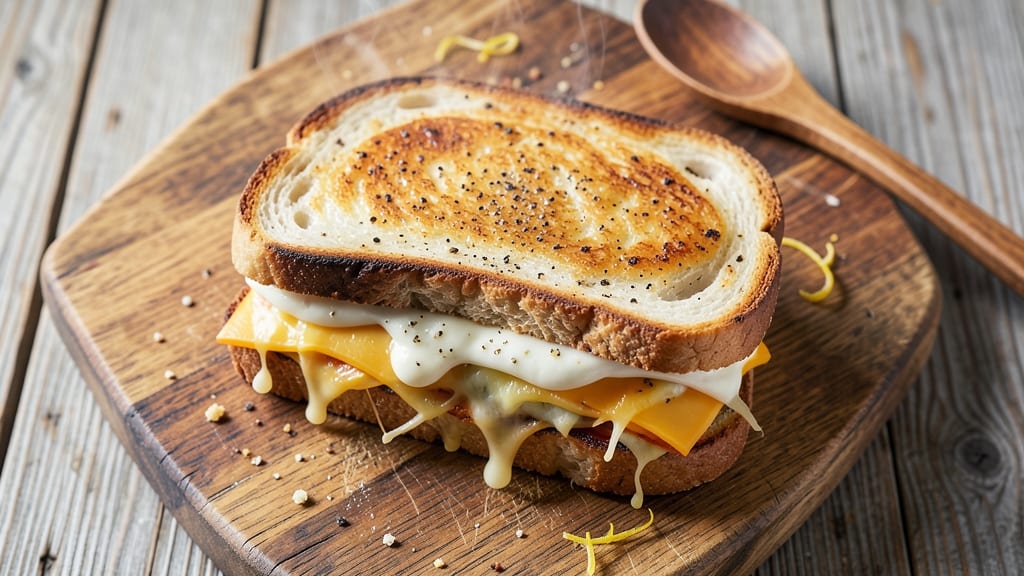
Alton Brown's grilled cheese recipe delivers restaurant-quality sandwiches with crispy-golden crusts and perfectly melty cheese every time. I've been perfecting this technique for years, and the secret lies in the right pan, proper buttering, and precise pressing—no more sad, soggy sandwiches. This method transforms a simple lunch into a culinary experience worth savoring.
The key to Alton's approach is using a cast-iron skillet (or nonstick with a heavy base) and buttering the bread generously—both inside and out—for that signature caramelized crust. We're talking crispy edges that shatter with the first bite while the cheese inside remains luscious and gooey.
The right cheese blend is crucial too: sharp cheddar for bite, Gruyère for creaminess, and a touch of American for meltability.
When you press the sandwich just right, you'll hear that satisfying sizzle and see the butter pool at the edges—visual proof you're on your way to perfection.
The result is a sandwich with structural integrity: it holds together when cut, doesn't fall apart when lifted, and delivers that perfect balance of textures in every bite. This isn't just lunch; it's an elevated comfort food experience.
For those who want to take it further, we'll explore optional add-ins like crispy bacon, spicy jalapeños, or caramelized onions that add depth without compromising the sandwich's integrity.
The beauty of this method is its adaptability—whether you're making a classic or gourmet version, the foundation remains the same. Let's get started on mastering this iconic sandwich.
Ingredients for alton brown grilled cheese
Here's what transforms ordinary grilled cheese into Alton Brown's legendary crispy-golden masterpiece.
| Ingredient | Amount | Notes |
|---|---|---|
| Unsalted Butter 🧈 | ½ cup | Cold, cut into small pieces |
| Sourdough Bread 🍞 | 8 slices | Crust removed for even toasting |
| Sharp White Cheddar Cheese 🧀 | 1 ½ cups | Shredded, aged 6 months minimum |
| Gruyère Cheese 🧀 | 1 cup | Shredded, nutty flavor profile |
| American Cheese 🧀 | ½ cup | Shredded, for meltability |
| Mayonnaise 🥫 | 1 tbsp | For inside bread spread |
| Diamond Crystal Kosher Salt 🧂 | ½ tsp | For bread seasoning |
| Freshly Ground Black Pepper 🌶️ | ¼ tsp | For bread seasoning |
| Garlic Powder 🧄 | ¼ tsp | For bread seasoning |
| Cast-Iron Skillet 🍳 | 1 whole | 10-inch diameter preferred |
| Plastic Wrap 📄 | 1 sheet | For sandwich assembly |
| Butter Knife 🔪 | 1 whole | For butter spreading |
The cheese blend makes all the difference—sharp white cheddar for that signature bite, Gruyère for nutty depth, and American for meltability. Whole Foods or specialty cheese shops carry perfect-aged cheddar, but Kraft sharp white works in a pinch. For Gruyère, Murray's or Cowgirl Creamery are my go-tos, but any good-quality shredded will do. The bread? Sourdough from the bakery section—it holds up better than sandwich bread. Look for slices that are about 3/8-inch thick for even cooking. Pro tip: remove the crusts unless you're going for a rustic look.
No sourdough? Marble rye or brioche both work beautifully—just adjust cooking time. The butter matters too: European-style unsalted like Plugrá or President melts cleaner than American butter. For that signature crisp, butter the bread inside and out—don't skimp. The mayonnaise on the inside might sound weird, but it creates that perfect chewy layer between the bread and cheese. Hellmann's or Duke's are my go-to brands. Want extra flavor? Add a pinch of smoked paprika to the butter or sprinkle nutritional yeast on the cheese for umami depth.
This isn't a sandwich you want to reheat—it's best eaten fresh off the skillet. But if you must store, wrap in parchment paper (not foil—it traps steam) and keep for up to 2 days in the fridge. Reheat in a dry pan for 2-3 minutes per side—never microwave. The skillet? Clean it immediately after use—hot water and a brush work wonders. I always make a double batch because these disappear faster than you can say 'crispy edges.' Freeze extras on parchment-lined trays before transferring to a bag for up to 1 month—reheat from frozen in the skillet.
Why You'll Love This Recipe
- Five-Ingredient Magic: I swear by this combo—sourdough’s chewy texture, sharp white cheddar’s bite, and Gruyère’s nutty depth, all buttered with unsalted butter until the edges sing. The American cheese? That’s the secret weapon for melty, stretchy perfection. Honestly, it’s the kind of sandwich that makes you question why you ever bought pre-made.
- Crispy-Creamy Balance: That first golden-brown crackle when you cut in? Chef’s kiss. The butter pools just right, creating a crisp shell while the cheeses melt into a gooey, salty-sweet center. Between us, I’ve tried fancy grilled cheeses, but this one’s the only one that actually delivers on both fronts—no soggy middles or dry crusts.
- Weeknight & Picnic Hero: Throw it together while dinner simmers, or pack it for a lunchbox—it reheats beautifully (toaster or skillet, no judgment). My college kids devour these for late-night snacks, and my book club friends beg for the recipe after potlucks. It’s the one dish that never feels like a chore to make.
- Budget-Friendly Luxury: You’re getting gourmet flavors for pennies—Gruyère and sharp cheddar stretch far, and sourdough feels fancy without the bakery price tag. Leftovers? Toast ‘em up for breakfast the next morning. I’ll be real: I’ve spent more on “special occasion” sandwiches that tasted half this good. This is the move.
Step-by-step instructions for Alton brown's grilled cheese
Here's the method that guarantees those perfect golden-brown crusts and melty cheese layers every time.
Prepare the Bread with Seasoned Butter
Take the 8 slices of sourdough bread and remove any remaining crusts if not already done. In a small bowl, mix the 0.5 cup unsalted butter (cut into small pieces), 0.5 tsp diamond crystal kosher salt, 0.25 tsp freshly ground black pepper, and 0.25 tsp garlic powder. Using the butter knife, spread this mixture evenly over one side of each bread slice.
I like to press down gently with the knife to ensure even distribution. This seasoned butter creates the perfect foundation for that crispy crust. Let the bread sit at room temperature while you prepare the cheese filling—this prevents soggy bread when assembly time comes.
Assemble the Cheese Layers
On the unbuttered side of four bread slices, spread 1 tbsp mayonnaise evenly. This mayonnaise layer is Alton Brown's secret for ultra-moist, pull-apart sandwiches. Now for the cheese: place ¼ cup sharp white cheddar cheese, ¼ cup gruyère cheese, and ¼ cup american cheese between each pair of bread slices.
I arrange the cheeses in this order—cheddar first for sharpness, gruyère in the middle for nutty depth, and american cheese on top for that classic melty texture. Press down gently to help the cheeses adhere. Cover the assembled sandwiches with plastic wrap and refrigerate for 15 minutes—this chilling step ensures the cheese melts beautifully instead of sliding out.
Cook in the Cast-Iron Skillet
Heat your cast-iron skillet over medium-low heat until it's hot enough to sizzle when you add the sandwich. I wait until the butter in the pan begins to foam but hasn't yet turned brown. Place one sandwich in the skillet and cook for 3-4 minutes until the bottom is golden brown and the cheese begins to melt.
Here's the crucial part: press down gently on the sandwich with a spatula during the first minute—this prevents it from curling and ensures even contact with the pan. Flip carefully and cook the other side for another 3-4 minutes until golden brown and the cheese is fully melted. The sandwich should be crispy on the outside with gooey, stretchy cheese inside.
Rest and Serve Immediately
Transfer the completed sandwich to a cutting board and let it rest for 1-2 minutes. This brief rest allows the cheese to set slightly, making it easier to slice without losing that perfect melt. Cut each sandwich diagonally into four triangles for easy serving.
Serve immediately while the bread is still crisp and the cheese is at its peak meltiness. The mayonnaise inside keeps everything moist, while the seasoned butter crust delivers that satisfying crunch. For extra indulgence, pair with a simple tomato soup or pickles on the side.
Pro Tips For Making Alton Brown Grilled Cheese
- Butter First, Then Heat: Spread that unsalted butter on the outside of the bread first—thick, even layers. Then crank the pan to medium-high heat, but resist the urge to rush; the butter needs 30 seconds to sizzle and foam before adding the cheese. I learned this the hard way—skipping this step means a sad, greasy mess instead of a golden crust.
- Shred Cheese Like It’s 1985: Use a box grater, not a food processor, for the sharp white cheddar and Gruyère. Food processors pack the cheese into dense clumps that won’t melt evenly—you’ll end up with dry, rubbery bits. American cheese? Shred it by hand or use the largest holes on a grater; it’s softer and needs room to spread.
- Press Hard, Then Wait: When you flip, press down firmly with a spatula for 10 seconds—this seals the cheese and prevents leaks. Then, walk away. Let it cook undisturbed for 2-3 minutes, even if it looks uneven. I was skeptical until I tried it: the cheese melts into a perfect, gooey blanket instead of sliding out the sides.
- Sourdough Needs a Toast: Toast the sourdough slices for 30 seconds per side before buttering. The crust firms up, soaking less butter and preventing a soggy sandwich. Pro move: Use a nonstick pan for the first toast—it’s less messy than wrestling with a sticky cast iron. Your future self will thank you when the bread holds its shape.
Troubleshooting your alton brown grilled cheese
Soggy Bread Fix
If your sandwich turns out soggy instead of crispy, the issue is usually excess moisture from the cheese or bread. First, pat your bread dry with a paper towel before buttering—this removes surface moisture that causes steam.
Also, reduce the mayonnaise to just ½ tbsp per slice instead of 1 tbsp, or skip it entirely if you're using very moist bread like brioche. For extra insurance, press down firmly with a spatula during the first minute of cooking to squeeze out any excess liquid. 🔥
Cheese Not Melting
Cheese sliding out or not melting properly happens when the sandwich isn't hot enough inside. Always chill your assembled sandwiches for 15 minutes before cooking—this helps the cheese stick.
If your pan isn't hot enough, increase the heat slightly to medium and wait until you see butter foam before adding the sandwich. For stubborn cheeses, sprinkle a pinch of cornstarch (about ¼ tsp) over the cheese layer before assembling—it helps bind the melt. 🧀
Uneven Browning
Uneven golden-brown crusts usually mean your pan isn't hot enough or your sandwich isn't making proper contact. First, use a 10-inch cast-iron skillet—smaller pans won't distribute heat evenly. Press down gently with a spatula during the first minute to flatten any curls.
If one side browns faster, reduce the heat slightly to medium-low. For extra even cooking, rotate the sandwich 90 degrees halfway through cooking. 🍳
Burnt Outside, Cold Inside
This classic problem happens when you crank the heat too high. Medium-low heat is key—you want gentle sizzling, not aggressive smoking. If your pan is too hot, remove the sandwich and let it cool slightly before continuing.
For faster internal heating, assemble sandwiches with slightly warmer bread (toast for 1-2 minutes before buttering). Also, cover the skillet with a lid for the last 30 seconds of cooking to trap heat and finish melting the cheese. ⏰
Sandwich Breaks Apart
If your sandwich falls apart when slicing, the mayonnaise layer might be too thick or the cheese isn't binding properly. Spread mayonnaise sparingly—just enough to coat the bread without pooling. For extra adhesion, lightly toast the bread for 30 seconds before buttering to create a sturdier base.
Press the cheese layers firmly during assembly, and chill for 15 minutes before cooking. If using very soft cheeses like brie, mix in 1 tbsp grated Parmesan for structure. 💡
Stuck to the Pan
Sticking happens when butter isn't properly distributed or the pan isn't hot enough. Always butter the bread thoroughly—inside and out—and heat the pan until butter foams before adding the sandwich. For nonstick issues, use a well-seasoned cast-iron skillet or a heavy nonstick pan (like All-Clad).
If it still sticks, slide a butter knife between the sandwich and pan to loosen it gently. Never force it—patience prevents tears! 🔪
Nutrition facts
Frequently asked questions
Why does Alton Brown's recipe use mayonnaise inside the sandwich?
That creamy mayo layer creates a perfect chewy texture between the bread and cheese—it prevents sogginess while keeping everything moist. Think of it as the secret to that restaurant-quality pull-apart quality. Just 1 tbsp per slice is all you need!
Can I make this with regular sandwich bread instead of sourdough?
While sourdough holds up beautifully, any sturdy bread works. For sandwich bread, toast it for 1-2 minutes before buttering to create a better base. Brioche or marble rye are also fantastic alternatives—they just need slightly less mayonnaise to avoid excess moisture.
What's the best cheese substitute if I can't find Gruyère?
For that nutty depth, try aged Gouda or Swiss cheese—they're the closest substitutes. If you're in a pinch, extra sharp cheddar mixed with a little Parmesan works too. The key is balancing sharpness with meltability, so adjust ratios to taste.
How do I keep the sandwich from sticking to the pan?
First, make sure your pan is properly heated until butter foams. Butter the bread thoroughly—both inside and out—and use a well-seasoned cast-iron skillet. If it still sticks, slide a butter knife between the sandwich and pan to loosen it gently. Never force it!
Can I make these ahead of time?
Fresh is best, but you can assemble and refrigerate for up to 2 days before cooking. For longer storage, wrap cooled sandwiches in parchment paper (not foil) and freeze for up to 1 month. Reheat in a dry pan for 2-3 minutes per side—never microwave!