
Soups & Stews
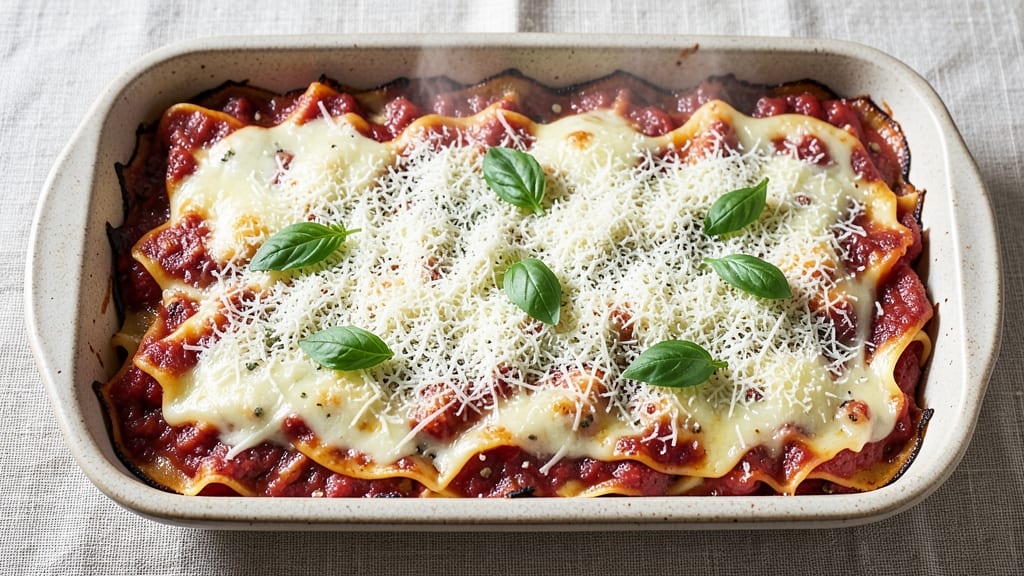
America's Test Kitchen's cheese and tomato lasagna delivers restaurant-quality results with layered precision that ensures every bite is rich, tender, and perfectly cheesy. The secret lies in balancing moisture and texture—a technique refined through countless test batches to eliminate soggy noodles or a dry crust.
This isn’t your average lasagna; it’s a foolproof method that transforms simple ingredients into a showstopping dish.
The foundation starts with no-boil lasagna noodles, eliminating the need for pre-cooking and ensuring they absorb the sauce perfectly while baking. A tomato-based sauce simmers until thick and flavorful, while a three-cheese blend (mozzarella, ricotta, and parmesan) creates a velvety, melty layer that binds everything together.
Baking at 375°F for 45-60 minutes delivers that coveted golden, bubbly cheese crust without burning the edges.
What sets this recipe apart is the strategic layering—each component has its place to maximize flavor and texture. The result? Tender noodles, creamy cheese layers, and a caramelized top that holds its shape when sliced.
Whether you’re feeding a crowd or meal prepping for the week, this lasagna delivers consistent, professional-quality results every time.
Ready to elevate your weeknight dinners? This recipe includes optional variations like adding sautéed spinach or ground meat, ensuring it fits any dietary preference or occasion. Let’s get started—your taste buds will thank you.
Ingredients for america's test kitchen cheese and tomato lasagna
Precision-layered ingredients for a lasagna with restaurant-quality texture and flavor balance.
| Ingredient | Amount | Notes |
|---|---|---|
| No-Boil Lasagna Noodles 🍝 | 12 sheets | Standard width, 8-inch variety |
| Tomato Sauce 🍅 | 3 cups | High-quality jarred or homemade |
| Ricotta Cheese 🧀 | 1 ½ cups | Whole milk, 15% fat minimum |
| Mozzarella Cheese 🧀 | 2 cups | Fresh, shredded or block |
| Parmesan Cheese 🧀 | 1 cup | Freshly grated, fine grind |
| Large Eggs 🥚 | 2 whole | Room temperature for blending |
| Garlic Cloves 🧄 | 4 cloves | Fresh, minced for sauce |
| Shallots 🧅 | 1 whole | Minced, for sauce depth |
| Extra-Virgin Olive Oil 🫒 | ½ cup | For sauce, fruity variety |
| Salt 🧂 | 1 ½ tsp | Diamond Crystal kosher |
| Fresh Basil Leaves 🌿 | ¼ cup | Chopped, for sauce finish |
| Black Pepper 🌶️ | ½ tsp | Freshly cracked |
| Ground Nutmeg 🌿 | ¼ tsp | Freshly grated preferred |
| Unsalted Butter 🧈 | 2 tbsp | For topping, melted |
The foundation begins with no-boil lasagna noodles—critical for achieving that perfect al dente texture without pre-cooking. Barilla or De Cecco are the gold standards, but any reputable brand with a 10-12 sheet count works. For the cheese blend, whole-milk ricotta is non-negotiable; part-skim versions lack the necessary creaminess. When selecting mozzarella, opt for fresh, block cheese rather than pre-shredded—it melts more evenly and lacks anti-caking agents that create graininess. The Parmesan should be freshly grated using a fine microplane for maximum flavor dispersion throughout the layers. Whole Foods or specialty Italian markets carry the highest quality cheeses, but even standard grocery stores stock reliable brands like Boar’s Head or Kraft Natural.
Substitutions must preserve the moisture-to-texture ratio. No ricotta? Cottage cheese blended with cream cheese (1:1 ratio) mimics the texture, though flavor will differ slightly. Pre-shredded mozzarella is acceptable in a pinch, but add 1 tbsp cornstarch per cup to absorb excess moisture. For the tomato sauce, San Marzano canned tomatoes are ideal, but any high-quality crushed tomatoes will work—simmer until reduced by one-third to achieve proper thickness. The garlic and shallots can be swapped for 2 tbsp garlic powder and 1 tsp onion powder, though fresh minced adds depth. Fresh basil is preferred, but 1 tsp dried basil can substitute if needed. The nutmeg is optional but enhances the cheese layers' complexity—omit if unavailable.
Store assembled lasagna, unbaked, in the refrigerator for up to 2 days before baking. For longer storage, freeze the assembled lasagna (without baking) in a parchment-lined baking dish for up to 3 months. When reheating, cover with foil and bake at 375°F for 45 minutes to prevent over-browning. The cheese sauce layer thickens upon reheating, so add 2-3 tbsp milk or water if it appears too dry. Leftovers keep for 4-5 days in the fridge, though flavor peaks immediately after baking. For meal prep, portion into individual baking dishes—each reheats perfectly for grab-and-go lunches.
Why You'll Love This Recipe
- No-Boil Magic: I swear by those lasagna noodles—no pre-boiling, no soggy mess. Just layer, bake, and walk away while the oven does all the work. That’s 20 minutes saved right there, and honestly? My back thanks me every time.
- Rich, Layered Bite: The ricotta’s creamy, the mozzarella melts into gooey perfection, and that Parmesan? Crumbled on top like confetti. Every forkful has that perfect contrast—tangy tomato, salty cheese, and a crisp edge from the no-boil noodles.
- Weeknight or Party Star: Between us, this feeds a crowd without stress. Double the batch for game day, or make half for a lazy Sunday. The ricotta keeps it light enough for summer but hearty enough for winter—it’s my go-to for any gathering, no matter the season.
- Leftovers That Don’t Suck: I make this on Sundays and eat it for days. The no-boil noodles stay sturdy when reheated, and the cheese doesn’t turn into a sad, greasy blob. Plus, it’s budget-friendly—ricotta and mozzarella stretch far, and a big pot of sauce lasts for ages. Win-win.
Step-by-step instructions for america's test kitchen cheese and tomato lasagna
Precision layering and proper technique ensure a lasagna that's rich, tender, and never soggy.
Prepare the Ricotta Cheese Mixture
In a medium bowl, combine the 1.5 cups ricotta cheese, 2 whole large eggs, 1 cup finely grated Parmesan cheese, 0.5 teaspoon black pepper, and 0.25 teaspoon ground nutmeg. Using a rubber spatula, fold the ingredients together until just combined—avoid overmixing, which can make the filling dense. The mixture should be smooth with no visible lumps, and the texture should be thick but spreadable. This ricotta layer is the secret to a creamy, cohesive lasagna that won't slide off the noodles.
Season the mixture with 1 teaspoon of the 1.5 teaspoons salt (reserve the rest for the sauce). Taste the mixture and adjust seasoning if needed—ricotta can vary in saltiness. Cover the bowl with plastic wrap and let it rest at room temperature for 15 minutes while you prepare the sauce. This resting period allows the flavors to meld and the mixture to reach a consistent temperature, ensuring even cooking.
Sauté Aromatics for the Tomato Sauce
In a large skillet, heat the 0.5 cup extra-virgin olive oil over medium heat. Add the 1 whole minced shallot and 4 cloves minced garlic, cooking for 3-4 minutes until the shallots soften and the garlic becomes fragrant but doesn't brown. This step develops the sauce's depth of flavor—don't rush it, as undercooked aromatics will taste raw and bitter.
Pour in the 3 cups tomato sauce and bring to a gentle simmer. Reduce heat to low and let the sauce cook uncovered for 15 minutes, stirring occasionally. This slow reduction allows the flavors to concentrate and the sauce to thicken slightly. Stir in the 0.25 cup chopped fresh basil leaves and the remaining 0.5 teaspoon salt, then remove from heat. The sauce should be smooth, well-seasoned, and ready to layer.
Assemble the Lasagna with Precision
Preheat your oven to 375°F. Spread 1 cup of the tomato sauce evenly on the bottom of a 9x13-inch baking dish. This initial layer prevents the noodles from sticking and adds moisture to the first layer. Arrange 3 sheets of the no-boil lasagna noodles side by side, slightly overlapping if necessary to cover the bottom completely. The noodles should fit snugly without gaps.
Spread one-third of the ricotta mixture evenly over the noodles, then sprinkle with ⅔ cup of the mozzarella cheese. Repeat the layering process: 3 more noodles, another one-third of the ricotta, and ⅔ cup mozzarella. Finish with the final 3 noodles, the remaining ricotta, and the last ⅔ cup mozzarella. Top with the remaining 1 cup tomato sauce and cover the dish tightly with aluminum foil. This foil trap steams the lasagna, ensuring tender noodles and a creamy texture.
Bake and Rest for Optimal Texture
Bake the lasagna uncovered for 30 minutes. Remove the foil and continue baking for an additional 15-20 minutes until the top is golden brown and bubbly. The edges should be slightly crisp, and the cheese should be melted and pull away from the sides of the dish. If the top browns too quickly, tent loosely with foil to prevent burning while allowing the cheese to melt.
Let the lasagna rest for 15 minutes before slicing. This resting period allows the layers to set and the juices to redistribute, preventing a runny lasagna. Use a long, sharp knife or a serrated knife to cut through the lasagna into 6 equal portions. Serve immediately with a side of garlic bread or a simple arugula salad to balance the richness.
Pro Tips For Making America'S Test Kitchen Cheese And Tomato Lasagna
- Preheat That Pan: The cast-iron or heavy baking sheet isn’t just for show—get it screaming hot for 20 minutes before assembly. I learned this the hard way when my first batch sat in a lukewarm pan and ended up soggy at the bottom. Trust me, the extra effort guarantees a crispier crust without burning the cheese on top.
- Drain and Squeeze Ricotta: Ricotta straight from the tub is deceptive—it’s wetter than it looks. Drain it in a fine-mesh strainer for 10 minutes, then press it gently with a clean kitchen towel to remove excess moisture. This keeps your layers from turning into a cheese puddle halfway through baking.
- Layer Like a Pro: Start and end with sauce—this isn’t optional. Spread a thin, even layer (about ¼ cup) on the bottom of the pan and another on top of the final noodle layer. It acts as a barrier, preventing the cheese from sticking like glue when you go to slice it later.
- Cover Tight for 20: After the initial 25 minutes of baking, slap on that foil snugly—no gaps. I used to leave it loose, and the edges would dry out while the center stayed damp. A tight seal traps steam, ensuring even cooking and a creamy texture throughout. (Yes, even if you’re impatient like me.)
Troubleshooting great america's test kitchen cheese and tomato lasagna
Soggy Noodles Fix
If your noodles turn mushy, the issue is usually excess moisture from the sauce or ricotta. First, reduce your tomato sauce by simmering uncovered for an extra 10-15 minutes until thickened to a syrup-like consistency.
For the ricotta layer, pat it dry with a paper towel before mixing with eggs—this removes excess liquid. Another pro move: add an extra layer of mozzarella (about ½ cup) between noodle layers to absorb moisture.
If your lasagna is already assembled, bake it covered with foil for the first 45 minutes to trap steam, then uncover for the final 10 minutes to crisp the top. 💫
Cheese Not Melting
Uneven cheese melting often means the oven temperature fluctuates or the lasagna isn’t hot enough. Preheat your oven for at least 30 minutes before baking to ensure 375°F consistency.
For stubborn cheese, melt 2 tbsp unsalted butter and brush it over the top layer before the final 10 minutes of baking. If using pre-shredded mozzarella, add 1 tbsp cornstarch per cup to prevent clumping and improve melt.
For extra insurance, cover the lasagna with foil during the first 30 minutes of baking, then uncover to let the cheese brown. ✨
Dry or Crumbly Texture
A dry lasagna usually means the ricotta mixture was overmixed or the sauce wasn’t reduced enough. To fix this, whisk 2 tbsp heavy cream into the ricotta mixture before assembling—this adds moisture without altering texture.
For the sauce, simmer it until it coats the back of a spoon (about 20 minutes total).
If your lasagna is already baked dry, slice it and reheat covered with foil in the oven at 350°F for 10 minutes, then add 2-3 tbsp warm milk or water to the sauce layer before serving. 🔥
Uneven Cooking
Lasagna often cooks unevenly if the baking dish isn’t preheated or the oven racks aren’t positioned correctly. Place your baking dish on the middle rack and preheat the oven with the dish inside for 15 minutes before adding lasagna.
For large batches, bake at 350°F instead of 375°F—this ensures even cooking without over-browning the top. If the edges brown too fast, cover them with foil during the first 20 minutes, then uncover to crisp. 🌡️
Sauce Too Watery
Watery sauce is the #1 cause of a gummy lasagna. Always reduce your sauce until it’s thick enough to coat the back of a spoon—this takes 20-30 minutes of simmering. For jarred sauces, strain out excess liquid using a fine-mesh sieve after simmering.
If your sauce is still too thin, mix 1 tbsp cornstarch with 2 tbsp cold water, stir into the sauce, and simmer for 2-3 minutes until thickened. For extra insurance, add a splash of red wine (¼ cup) while simmering—it deepens flavor and helps thicken the sauce naturally. 🍷
Nutrition facts
Frequently asked questions
Why use no-boil lasagna noodles?
No-boil noodles are designed to absorb moisture while baking, eliminating the need for pre-cooking. This ensures perfectly tender noodles without turning mushy. They also simplify the process by cutting prep time—just layer and bake!
Can I make this lasagna ahead of time?
Assemble the lasagna up to 2 days ahead and refrigerate uncovered. Bake straight from the fridge, adding 10-15 extra minutes to the cooking time. For freezing, assemble without baking, wrap tightly in foil, and freeze for up to 3 months. Thaw overnight before baking.
What’s the best way to reheat leftovers?
Slice the lasagna and reheat covered with foil at 350°F for 10-15 minutes. For extra creaminess, add 2-3 tbsp warm milk or water to the sauce layer before serving. Microwaving works too—cover with a damp paper towel and heat in 1-minute intervals until warmed through.
How do I prevent a soggy bottom layer?
Spread a thin layer of sauce on the bottom of the dish, but don’t overdo it—1 cup total is enough. Use fresh mozzarella (not pre-shredded) and pat the ricotta dry before mixing. Bake covered with foil for the first 45 minutes to trap steam, then uncover to crisp the top.
Can I add meat or spinach to this recipe?
Yes! For meat, brown 1 pound Italian sausage or ground beef with garlic and herbs, then mix into the sauce. For spinach, sauté 4 cups chopped spinach until wilted and fold into the ricotta mixture. Adjust seasoning as needed—both additions work beautifully!