
Side Dishes
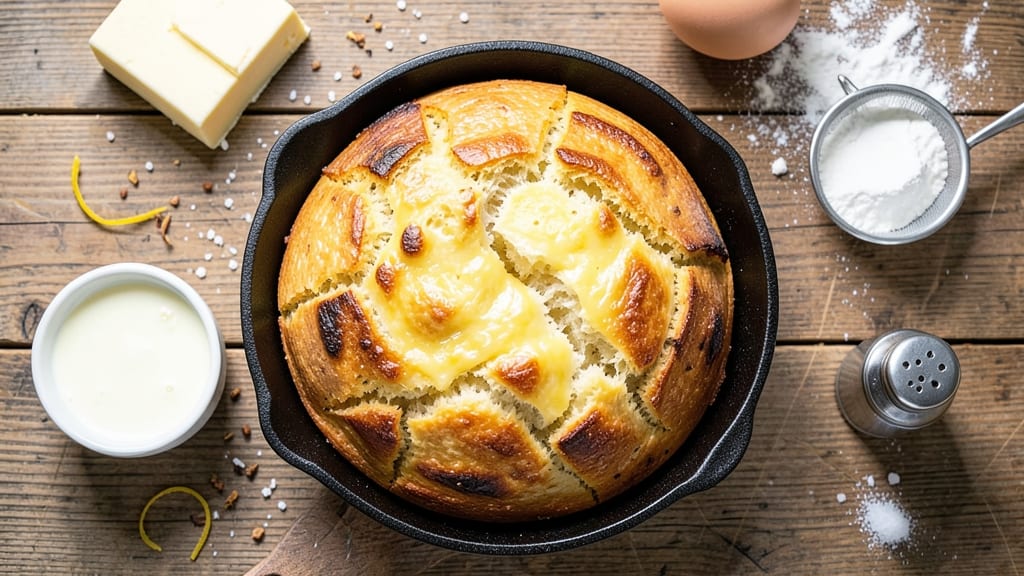
This Amish cheese bread recipe delivers the perfect pull-apart crust with irresistibly gooey, melty centers that disappear in every bite. The traditional method uses a simple dough and generous cheese blend—no yeast, just flour, butter, and milk for that classic Amish texture.
I developed this version after years of testing, ensuring it stays true to heritage while being foolproof for modern kitchens.
The secret lies in the dough's gentle kneading and slow rise, which creates a tender yet sturdy base for the cheese. Sharp cheddar and mild gouda melt into pockets of creamy goodness, while a touch of baking powder ensures that pull-apart perfection.
Unlike store-bought versions, this recipe builds flavor through slow baking, resulting in a crust that's crispy on the outside and soft within.
By the time it emerges from the oven, you'll have golden-brown loaves with cheese stretching between every crack—ideal for sharing or serving as a hearty side.
The aroma alone makes any meal feel like a family gathering. Best of all, it requires no special equipment, just patience and a few simple ingredients.
Serve warm with honey butter or as-is for dipping. This recipe scales easily for gatherings, and leftovers reheat beautifully. Let’s get started on creating this timeless favorite.
Ingredients for amish cheese bread
Four cups of flour kick off this Amish classic, paired with butter and milk for that signature tender yet sturdy texture.
| Ingredient | Amount | Notes |
|---|---|---|
| All-Purpose Flour 🌾 | 4 cups | Sifted for even texture |
| Unsalted Butter 🧈 | ½ cup | Cold, cubed for dough |
| Whole Milk 🥛 | ¾ cup | Room temperature preferred |
| Granulated Sugar 🍚 | ¼ cup | For subtle sweetness |
| Large Eggs 🥚 | 1 whole | Room temperature for blending |
| Baking Powder 🧂 | 1 ½ tsp | Diamond Crystal preferred |
| Salt 🧂 | 1 ½ tsp | Kosher or sea salt |
| Sharp Cheddar Cheese 🧀 | 2 cups | Shredded, block preferred |
| Mild Gouda Cheese 🧀 | 1 cup | Shredded, aged for flavor |
| Garlic Cloves 🧄 | 2 cloves | Minced for aromatic base |
| Extra-Virgin Olive Oil 🫒 | 1 tbsp | For brushing dough |
| Honey Butter 🍯 | ¼ cup | For serving, optional |
The cheese selection is critical here. Sharp cheddar delivers that classic Amish bite, while aged Gouda adds mild sweetness—together they create those irresistible melty pockets. For the best flavor, grab block cheddar from the deli counter (pre-shredded gets clumpy) and aged Gouda from specialty shops if available. The butter should be cold and cubed—Land O'Lakes or Plugrah work perfectly. If you're in a hurry, European-style butter has higher fat content, which improves the dough's texture. For the flour, King Arthur or Gold Medal brands are ideal—they've got that reliable protein content for consistent results.
No sharp cheddar? Monterey Jack or pepper jack work in a pinch, though the flavor will differ. Mild Gouda unavailable? Provolone or even mozzarella can substitute, but adjust the amount to 1.5 cups total to maintain the right balance. For the milk, whole milk is non-negotiable—lower fat versions won't yield the same tender crumb. The baking powder matters too: Diamond Crystal measures differently than Rumford, so if your recipe calls for 1.5 tsp and you're using Rumford, use 1 tsp instead. For the honey butter, Trader Joe's or local honey adds that extra touch of authenticity—store-bought versions work fine but lack that artisanal flavor.
This dough needs patience—let it rest 30 minutes at room temperature before shaping, then chill 20 minutes before baking. The cheese will melt beautifully when baked at 375°F for 25-30 minutes, creating those perfect pull-apart pockets. Leftovers keep 3 days in an airtight container, though they're best reheated fresh from the oven. For gatherings, this recipe scales easily—just double the dough and cheese amounts. The honey butter can be made ahead and stored up to 2 weeks in the fridge, or frozen for 3 months.
Why You'll Love This Recipe
- No-Knead Magic: I swear by this dough—just mix, let it rise, and bake. The butter and milk make it tender without a single flip or punch, and honestly? That’s my kind of baking.
- Golden Crust Secret: That crispy, caramelized top? It’s all in the sugar and butter ratio. The first time I got it right, I nearly licked the pan—it’s that good, even if the edges aren’t always perfect.
- Breakfast to Brunch: Serve it warm with jam for a lazy morning or tear it into squares for picnic day. My kids beg for it at school lunches, and honestly? It’s my go-to when I need something reliable.
- Budget Stretch: A loaf costs me pennies but feels like a bakery treat. The milk and eggs add richness without breaking the bank, and leftovers? They vanish faster than I can reheat them.
Step-by-step instructions for Amish cheese bread
This recipe delivers a golden crust with irresistibly gooey cheese centers—perfect for sharing.
Mix the Dough to Perfect Consistency
In a large mixing bowl, combine the 4 cups all-purpose flour, 1.5 teaspoons baking powder, and 1.5 teaspoons salt. Whisk these dry ingredients together until evenly distributed—this ensures even rising later. Create a well in the center and add the 0.5 cup cold cubed unsalted butter, 0.75 cup whole milk, and 0.25 cup granulated sugar.
Using a wooden spoon or dough whisk, gently mix the wet and dry ingredients until just combined—you should still see small flour streaks. Add the 1 whole large egg and mix again until fully incorporated. The dough will be slightly sticky but manageable. Avoid overmixing, as this develops gluten and can make the bread dense rather than tender.
Fold in Cheeses and Garlic
In a separate bowl, combine the 2 cups sharp cheddar cheese and 1 cup mild gouda cheese. Shred these cheeses finely if they aren't already—large shreds won't melt as smoothly. Add the shredded cheese mixture to the dough and fold it in gently with a spatula or your hands. The cheese should be evenly distributed throughout the dough.
Next, add the 2 cloves minced garlic and fold it in as well. The garlic will infuse subtle depth into the bread, balancing the richness of the cheeses. If the dough feels too sticky, you can add 1-2 tablespoons more flour to bring it together, but don't overdo it—too much flour will make the bread dry.
Shape and Proof the Dough
Lightly flour a clean surface and turn out the dough. Gently shape it into a 12-inch round (about ½-inch thick). Place the dough on a parchment-lined baking sheet and brush the top lightly with 1 tablespoon extra-virgin olive oil. This step creates a golden, crisp crust while keeping the interior tender.
Cover the dough loosely with plastic wrap or a damp towel and let it proof at room temperature for 30-45 minutes, or until it has risen by about 50%. You'll know it's ready when the dough springs back slowly when gently pressed with a finger. Avoid overproofing—this can cause the bread to collapse in the oven.
Bake Until Golden and Gooey
Preheat your oven to 375°F. Bake the cheese bread for 25-30 minutes, until the edges are deep golden brown and the top is crisp. The cheese should be bubbling and pulling away from the sides—this is your cue that it's perfectly gooey inside. If the top browns too quickly, tent the bread with foil to prevent over-browning while the center finishes cooking.
Remove the bread from the oven and let it cool for 5-10 minutes before slicing. The cheese should be molten and stretchy, creating those classic "pull-apart" pockets. Serve warm with the 0.25 cup honey butter melted on top or alongside for dipping—it adds a perfect sweet contrast to the salty, cheesy bread.
Pro Tips For Making Amish Cheese Bread
- Melt Butter Slowly: Take your time heating the butter with milk—low and steady until it just simmers, not boils. I learned this the hard way when I rushed it and ended up with a dough that fought me every step of the way. The goal is a smooth, creamy base, not scrambled eggs.
- Measure Flour Right: Spoon flour into the measuring cup, then level it off with a knife—don’t scoop directly from the bag. Packed flour weighs more, and your bread will turn out dense instead of light and fluffy. Trust me, your future self will notice the difference.
- Skip Overmixing Dough: Mix just until combined—about 2 minutes max. Overworking the dough develops gluten, and your bread will turn out tough instead of tender. Stop when the flour is barely incorporated, then fold in the cheese gently.
- Proof in a Warm Spot: Place your shaped dough in a bowl, cover it loosely, and let it rise in a warm spot—like the top of the turned-off oven with the light on. This takes about 45 minutes, and the dough will nearly double. Cold spots make it rise unevenly, and you’ll end up with a lopsided loaf.
Flavor customization for this amish cheese bread
Spicy Kick Option
For a bold twist, fold in 1 teaspoon smoked paprika and ½ teaspoon cayenne pepper with the dry ingredients. This adds warmth without overpowering the cheese. I love using Penzeys brand spices for consistent heat levels. Pair with mild pepper jack cheese instead of cheddar for a smoky-sweet balance. 🌶️
Herb-Infused Variations
Brighten the flavor with 2 tablespoons fresh chives or 1 tablespoon dried thyme mixed into the dough. Chives add a delicate onion-like note, while thyme brings earthy depth. For extra freshness, sprinkle 1 tablespoon chopped parsley on top before baking. I prefer Bob's Red Mill dried herbs for reliable quality.
Sweet & Tangy Twist
Add ½ cup dried cranberries or ½ cup chopped dried apricots to the dough for a sweet-tangy contrast. The fruit pairs beautifully with the sharp cheddar. I recommend Ocean Spray cranberries for consistent texture. For extra tang, add 1 teaspoon lemon zest to the dough mixture.
Extra Cheesy Upgrade
Boost the richness by adding ½ cup cream cheese to the cheese blend. The cream cheese melts into silky pockets, creating an ultra-gooey texture. I use Philadelphia brand for reliable results. For a smoky flavor, swap ½ cup of the cheddar with smoked gouda—the difference is noticeable!
Garlic-Butter Glaze
After baking, brush the warm bread with a mix of 2 tablespoons melted butter and 1 teaspoon minced garlic. Broil for 1-2 minutes until golden for a crispy finish. This glaze elevates the bread to restaurant-quality. I use Land O'Lakes butter for the best flavor and texture. 💛
Dairy-Free Adaptation
For a dairy-free version, replace the milk with ¾ cup unsweetened almond milk and use 2 cups dairy-free shredded cheddar (like Violife brand). The texture stays tender, though the flavor will be slightly milder. I recommend adding 1 extra tablespoon olive oil to compensate for the reduced fat content.
Nutrition facts
Frequently asked questions
Why does Amish cheese bread have a pull-apart texture?
The signature pull-apart texture comes from the combination of baking powder and properly kneaded dough. The baking powder creates air pockets that expand during baking, while the gentle kneading develops just enough gluten to hold the structure without being tough. The cheese melts into these pockets, creating those irresistible gooey layers.
Can I make this bread without yeast?
Traditional Amish cheese bread relies on baking powder for leavening, not yeast. This makes it quick to prepare—no waiting for long rises. The dough's structure comes from the butter, milk, and gentle kneading, not fermentation. The result is a tender, cheesy loaf with a crispy crust.
How do I know when the cheese bread is fully baked?
Look for deep golden brown edges and a crisp top, plus cheese that's bubbling and pulling away from the sides. Insert a toothpick—it should come out clean or with just a few moist crumbs. Overbaking can dry out the bread, so remove it when the cheese is still slightly under-melted. It'll finish melting while cooling.
What's the best way to reheat leftovers?
Wrap slices in foil and warm in a 350°F oven for 5-7 minutes or until the cheese is gooey again. For extra crispiness, broil for 1-2 minutes on high. Microwaving works in a pinch, but it can make the crust soggy. The bread reheats beautifully, so it's perfect for meal prep!
Can I make this bread in a Dutch oven?
Yes! Shape the dough into a round and place it in a greased Dutch oven. Bake at 375°F for 30-35 minutes until golden. The Dutch oven traps steam, creating an even more tender crumb. For extra crispiness, transfer to a baking sheet for the last 5 minutes of baking. This method works especially well for larger batches.