
Appetizers
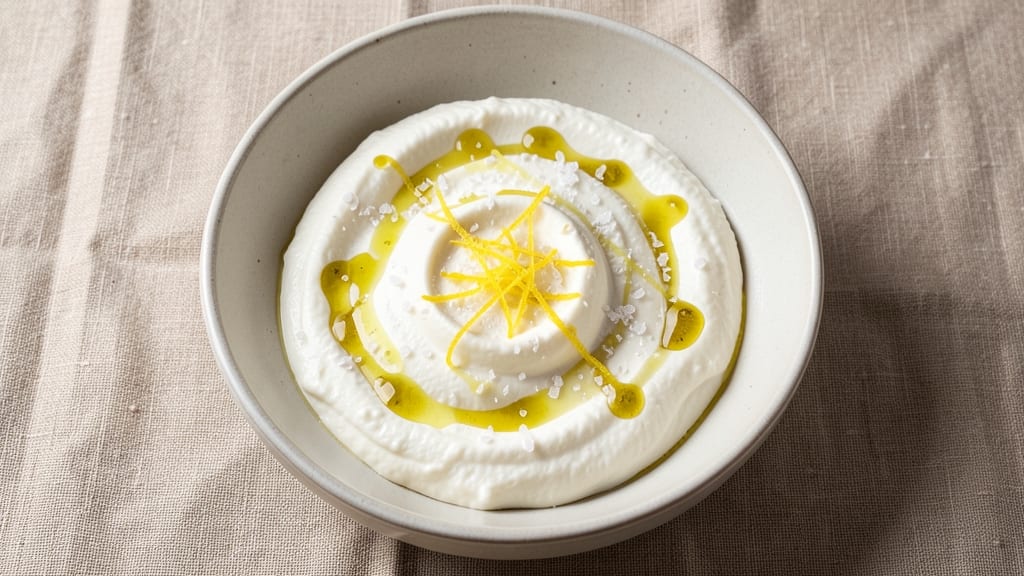
Anne Burrell’s ricotta cheese recipe delivers velvety softness with a signature tang that elevates any dish. This isn’t just another ricotta recipe—it’s a carefully balanced blend of fresh ricotta, lemon zest, and herbs that creates a creamy, slightly acidic spread perfect for appetizers or pasta toppings.
The secret lies in the acidity from lemon and vinegar, which brightens the richness without overpowering it.
What sets this recipe apart is its versatility and professional finish. Whether you’re layering it on bruschetta, mixing it into stuffed shells, or serving it as a dip with crusty bread, the texture remains silky smooth while the tang cuts through richness.
The technique is straightforward but precise—whisking the ricotta until completely smooth and incorporating the acidity gradually ensures a harmonious flavor profile every time.
By the end, you’ll have a ricotta preparation that’s restaurant-quality yet simple to make at home. The lemon zest adds a subtle brightness, while fresh herbs like basil or parsley contribute a fragrant freshness.
This isn’t just a cheese recipe—it’s a foundation for countless dishes, from antipasti to main courses, all with that signature Anne Burrell tang.
The best part? This ricotta keeps well for up to 3 days in the refrigerator, making it ideal for meal prep. Garnish with a drizzle of olive oil or cracked black pepper for an extra touch of sophistication. Ready to transform your appetizers with this foolproof technique?
Ingredients for anne burrell ricotta cheese
Creamy ricotta meets bright acidity and fresh herbs for a velvety spread with restaurant-quality tang.
| Ingredient | Amount | Notes |
|---|---|---|
| Whole Milk Ricotta Cheese 🧀 | 16 oz | Part-skim or whole milk preferred |
| Extra-Virgin Olive Oil 🫒 | ¼ cup | High-quality, fruity variety |
| Fresh Lemon Zest 🍋 | 1 tbsp | From 1 large organic lemon |
| Fresh Lemon Juice 🍋 | 1 ½ tbsp | Freshly squeezed, strained |
| White Wine Vinegar 🍷 | 1 tsp | Dry, crisp variety preferred |
| Diamond Crystal Kosher Salt 🧂 | ½ tsp | Fine grain for even dissolving |
| Fresh Basil Leaves 🌿 | ¼ cup | Finely chopped, stems removed |
| Fresh Flat-Leaf Parsley 🌿 | ⅛ cup | Finely chopped, stems removed |
| Black Peppercorns 🌶️ | ¼ tsp | Freshly cracked, coarse grind |
| Granulated Sugar 🍚 | ¼ tsp | Optional, for subtle sweetness |
| Heavy Cream 🥛 | ¼ cup | Optional, for extra richness |
The ricotta is the foundation, so choose whole milk ricotta for maximum creaminess—part-skim works but lacks richness. Whole Foods and specialty cheese counters often carry the best quality, though any well-drained ricotta will suffice. Fresh lemon zest is critical here: organic lemons yield more vibrant zest, and always use a microplane for fine, even strips. The vinegar selection matters too—dry white wine vinegar adds complexity without overpowering, while cheaper varieties can taste harsh. For herbs, basil and parsley should be fragrant and bright; if they smell musty, skip them.
No fresh herbs? Dried basil at one-third the amount works in a pinch, though texture suffers. Substituting vinegar? Apple cider vinegar adds subtle sweetness, while balsamic creates a deeper complexity. The sugar is optional but recommended—it balances the acidity beautifully. For extra richness, the heavy cream is non-negotiable; full-fat is essential here. If you must omit it, increase olive oil to 0.375 cups instead. The olive oil should be extra-virgin with noticeable fruitiness; cheap oils will taste flat. And for the salt, Diamond Crystal dissolves more easily than Morton's.
This ricotta keeps beautifully for 3 days in an airtight container in the fridge, though texture degrades after day 2. For longer storage, divide into small containers and freeze for up to 3 monthsthat final touch elevates it from homemade to restaurant-quality. Portion into small ramekins for individual servings or spread directly onto toasted baguette slices for bruschetta.
Why You'll Love This Recipe
- Just Five Ingredients: That’s it—no crowded pantry raid or forgotten spices. Whole milk ricotta, a drizzle of olive oil, a squeeze of lemon, and a splash of vinegar come together so effortlessly I’ve made this while chatting with a friend on the phone. Honestly, the simplicity makes it feel like cheating, but somehow it still tastes like you slaved over it.
- Bright & Tangy Magic: The lemon zest and juice cut through the richness of the ricotta in the best way—like a wake-up call for your taste buds. Between us, that white wine vinegar is the secret weapon; it adds a sharpness that makes this ricotta taste like it belongs at a fancy brunch, not just on toast.
- Brunch to Bites: Spread it on warm crusty bread for a lazy Sunday morning, dollop it into pasta for a creamy twist, or toss it with greens for a zingy salad. I’ve even used it as a dip for veggies when I’m too tired to cook—versatile enough to handle whatever my week throws at me.
- Lasts All Week: Make a big batch and store it in the fridge—it keeps beautifully for days, saving me from last-minute grocery runs. Plus, the cost? A fraction of store-bought flavors. Not the prettiest in a jar, but every bite is worth the effort (or lack thereof).
Step-by-step instructions for Anne Burrell's signature ricotta cheese
A perfectly balanced blend of creamy texture and bright acidity—this method delivers restaurant-quality ricotta every time.
Whisk the Ricotta Until Completely Smooth
Place the 16 oz whole milk ricotta cheese in a medium mixing bowl. Using an electric mixer fitted with the whisk attachment, blend on low speed for 1-2 minutes until completely smooth and free of lumps. This step is critical—any remaining texture will affect the final consistency.
I like to use a whisk attachment rather than a paddle here because it incorporates air more thoroughly, creating a lighter, more velvety ricotta. If you're using a hand mixer, work in short bursts to prevent overheating the cheese. The mixture should be completely homogeneous with no visible graininess.
Incorporate the Acidic Components
In a small bowl, combine the 1 tbsp fresh lemon zest, 1.5 tbsp fresh lemon juice, 1 tsp white wine vinegar, and 0.25 tsp granulated sugar. Whisk until the sugar dissolves completely. This acidic mixture is what gives Anne Burrell's ricotta its signature tangy brightness.
With the mixer running on low speed, gradually pour the acidic mixture into the ricotta while scraping down the sides of the bowl with a silicone spatula. The lemon zest adds aromatic depth while the vinegar enhances the brightness. This gradual incorporation prevents curdling and allows the flavors to meld evenly throughout the cheese.
Blend in the Olive Oil and Seasonings
Add the 0.25 cup extra-virgin olive oil in a slow, steady stream while continuing to mix on low speed. The olive oil adds richness and helps create that signature silky texture. After the oil is fully incorporated, add the 0.5 tsp diamond crystal kosher salt and 0.25 tsp freshly cracked black peppercorns.
I always use high-quality extra-virgin olive oil here—the fruity notes complement the lemon beautifully. The salt should be fine grain to dissolve completely, and the pepper should be freshly cracked for maximum aroma. Mix for an additional 30 seconds to ensure everything is evenly distributed throughout the ricotta.
Fold in the Fresh Herbs
In a separate small bowl, combine the 0.25 cup finely chopped fresh basil leaves and 0.125 cup finely chopped fresh flat-leaf parsley. Using a rubber spatula, gently fold these herbs into the ricotta mixture by hand. This prevents overmixing which could break down the delicate herb structure and release bitterness.
The herbs should be distributed evenly throughout the ricotta. I like to press the herbs into the mixture gently with the spatula to ensure they're fully incorporated. The basil provides that signature Anne Burrell freshness while the parsley adds a subtle earthiness that balances the bright lemon notes.
Optional Cream Addition and Final Adjustments
For extra richness, add the 0.25 cup heavy cream to the ricotta mixture and whisk on low speed for 30-45 seconds until fully combined. This step is optional but recommended for a truly luxurious texture. Taste and adjust seasoning if needed—you may want to add a pinch more salt or lemon juice to achieve the perfect balance.
Once perfectly balanced, transfer the ricotta to a clean glass or ceramic bowl. Cover with plastic wrap pressed directly onto the surface to prevent a skin from forming. Let it rest at room temperature for 30 minutes before serving to allow all the flavors to meld completely. This resting period is crucial for developing the full complexity of the cheese.
Pro Tips For Making Anne Burrell Ricotta Cheese
- STRAIN THE RICOTTA: I learned this the hard way—store-bought ricotta often hides excess whey that makes your finished cheese watery. Drain it through a fine-mesh sieve lined with cheesecloth for 10-15 minutes before mixing. Yes, it’s extra work, but the texture becomes silky instead of grainy.
- ZEST FIRST, THEN JUICE: Add lemon zest to the ricotta while it’s still warm (if you’re gently heating it) so the oils release fully. Then finish with juice—this prevents the zest from turning bitter or floating on top. I was skeptical until I tried it: the flavor integration is noticeably smoother.
- EMULSIFY THE OIL: Slowly drizzle the olive oil into the ricotta while whisking vigorously. This creates a stable emulsion that won’t separate later. Skip the whisk? You’ll end up with a sad, oily puddle instead of a creamy spread.
- ACIDIFY GRADUALLY: Start with half the vinegar and let it sit for 5 minutes before adding the rest. This balances the tang without overpowering the delicate ricotta. I used to dump it all in at once—now I taste the difference in every bite.
Troubleshooting your anne burrell ricotta cheese
Ricotta Curdling
If your ricotta separates or curdles during mixing, it’s usually from adding acidic ingredients too quickly. To fix it, whisk in a 1 tbsp cornstarch or arrowroot powder with 2 tbsp cold water to create a slurry. Gradually mix it into the ricotta while whisking continuously on low speed.
This helps stabilize the texture by binding the proteins. For future batches, add the acidic components (lemon juice, vinegar) in a slow, steady stream while mixing constantly. 💡
Grainy Texture
A grainy ricotta often means the cheese wasn’t whisked long enough or was too cold when mixed. First, try warming the ricotta slightly in a microwave-safe bowl for 10-15 seconds (just until it reaches room temperature). Then, whisk it again on low speed for an additional 1-2 minutes.
If it’s still grainy, strain it through a fine-mesh sieve lined with cheesecloth for 5 minutes to remove any remaining lumps. For prevention, always use room-temperature ricotta and whisk thoroughly.
Weak Flavor
If your ricotta tastes bland, it’s likely missing the acidity balance. Boost the flavor by adding an extra ½ tsp white wine vinegar and ½ tsp lemon juice. For depth, stir in 1 tsp minced shallot or garlic (optional but recommended).
If the herbs are the issue, increase the fresh basil to ⅓ cup and add a pinch of red pepper flakes for subtle heat. Always taste as you go—Anne Burrell’s signature tang comes from the acidity, so don’t skimp!
Too Thick Consistency
If your ricotta is too thick, it’s likely from overmixing or insufficient olive oil. Thin it out by whisking in 1-2 tbsp extra-virgin olive oil or 1 tbsp heavy cream until it reaches a smooth, spreadable consistency. For a quicker fix, stir in 1 tbsp warm water while mixing gently.
To prevent this in the future, measure your olive oil carefully and avoid overmixing after adding the herbs. The ricotta should be velvety but not runny—think of it like thick whipped cream.
Herbs Sinking
Herbs sinking to the bottom is common, but you can fix it by gently folding in the herbs just before serving. If you want them evenly distributed, mix in 1 tsp xanthan gum or guar gum (found in baking aisles) with the ricotta before adding the herbs.
This helps suspend them without altering the texture. For a quick workaround, stir the ricotta vigorously for 30 seconds right before serving to keep the herbs afloat temporarily. 🌿
Storage Issues
If your ricotta develops a skin or separates after refrigeration, it’s likely from exposure to air or temperature fluctuations. To revive it, whisk in 1 tbsp cold water or heavy cream until smooth again.
For storage, always press plastic wrap directly onto the surface of the ricotta to minimize air contact. Divide into small, shallow containers to cool evenly, and store in the coldest part of your fridge.
If it’s been refrigerated for more than 3 days, it’s best to make a fresh batch—ricotta doesn’t hold its peak texture beyond that.
Nutrition facts
Frequently asked questions
Can I use part-skim ricotta instead of whole milk?
Yes, but expect a slightly lighter texture and less richness. Whole milk ricotta creates that signature velvety consistency Anne Burrell is known for. If you must use part-skim, add an extra 1 tbsp olive oil and 1 tbsp heavy cream to compensate for the reduced fat content. The flavor will still be delicious, just not as luxurious.
How do I prevent the ricotta from getting grainy?
Always whisk the ricotta until completely smooth before adding any other ingredients, and ensure it's at room temperature. If it's still grainy after mixing, strain it through a fine-mesh sieve lined with cheesecloth for 5 minutes. For future batches, avoid using cold ricotta straight from the fridge—let it sit at room temperature for 15-20 minutes before mixing.
What are the best ways to serve this ricotta?
This versatile ricotta works beautifully as a spread for toasted baguette slices, stuffed into pasta shells or ravioli, or as a dip with warm pita chips. For an elegant presentation, pipe it into small ramekins and garnish with a drizzle of olive oil, cracked black pepper, and a sprinkle of flaky sea salt. It also makes a fantastic topping for grilled vegetables or as a filling for crepes.
Can I make this ricotta ahead of time?
This ricotta actually improves with a day's rest. Store it in an airtight container in the refrigerator for up to 3 days, though the texture may degrade slightly after day 2. For longer storage, divide into small portions and freeze for up to 3 months. Thaw gradually in the refrigerator before using. The flavors meld beautifully overnight, making it perfect for meal prep.
What if I don't have fresh herbs?
Use 1 tsp dried basil and ½ tsp dried parsley instead, but reduce the amount by one-third. For a different flavor profile, try ½ tsp dried oregano or ½ tsp thyme. If you're completely without herbs, a pinch of red pepper flakes or smoked paprika can add interesting depth. The key is balancing the bright acidity with some aromatic element.