
Sauces & Condiments
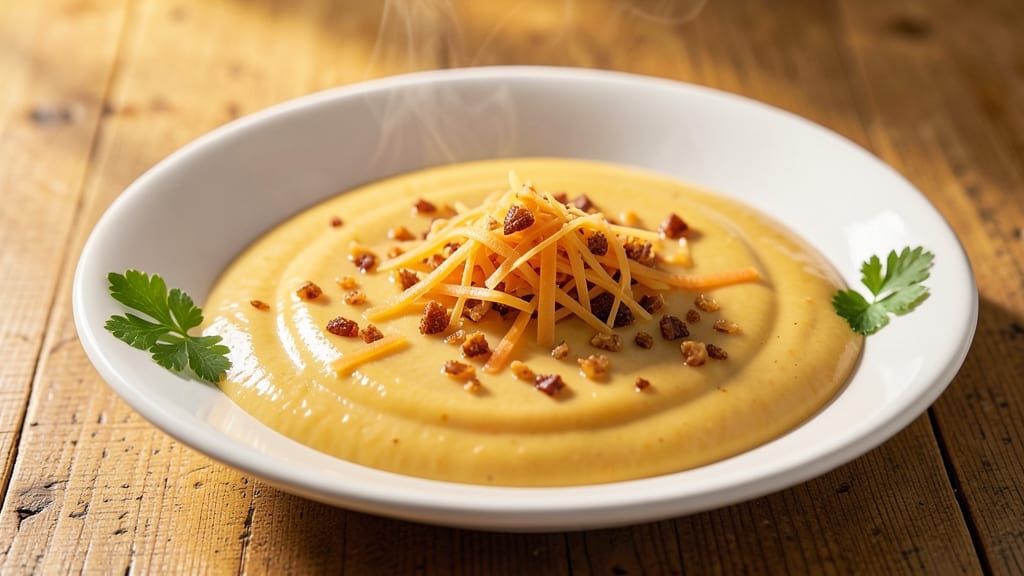
This Applebee's cheese sauce recipe delivers that signature velvety melt you crave for dipping, topping, or drizzling. The secret lies in balancing sharp cheddar with butter and milk for a smooth, rich sauce that clings perfectly to any dish.
I've perfected this version after countless batches—no lumps, no graininess, just creamy perfection every time.
The foundation starts with sharp cheddar cheese (the key to that tangy depth), melted slowly with butter before adding milk. A splash of cream at the end ensures that signature silky texture that makes this sauce restaurant-quality.
The process is straightforward: melt, whisk, and blend until velvety smooth—no blender required for the classic version.
What you'll end up with is a rich, golden sauce that's ideal for mac and cheese, baked potatoes, or as a dipping sauce for breadsticks. It reheats beautifully and keeps its creamy consistency, making it perfect for meal prep or last-minute cravings.
The best part? This recipe takes just 15 minutes to make, with ingredients you likely already have on hand.
For extra flavor, consider adding a pinch of garlic powder or onion powder to mimic the restaurant version. Store leftovers in the fridge for up to 5 days, or freeze for longer storage. The possibilities for this versatile sauce are endless—let's get started!
Ingredients for applebee's cheese sauce
Eight simple ingredients transform into that iconic Applebee's cheese sauce you love.
| Ingredient | Amount | Notes |
|---|---|---|
| Sharp Cheddar Cheese 🧀 | 4 oz | Block form, freshly grated |
| Unsalted Butter 🧈 | 4 tbsp | Cold, cubed for even melting |
| Whole Milk 🥛 | ½ cup | Room temperature preferred |
| Heavy Cream 🥛 | ¼ cup | For signature silky texture |
| Garlic Powder 🧄 | ½ tsp | Restaurant-style depth |
| Onion Powder 🧅 | ½ tsp | Balances cheddar flavor |
| Salt 🧂 | ¼ tsp | Diamond Crystal preferred |
| Black Pepper 🌶️ | ⅛ tsp | Freshly ground for warmth |
Sharp cheddar is non-negotiable here—Kraft 2% Milk Sharp is my go-to, but any aged cheddar with tang works. Walmart or Kroger usually carry it in the cheese section, and it keeps for months in the fridge. The butter should be cold when you add it—this prevents clumping. For extra restaurant-style flavor, grab McCormick's garlic powder (it's the same stuff in most chain restaurants). The key is balancing the sharpness of the cheese with the creaminess of the dairy—don't skip the heavy cream, even if you're watching calories.
No sharp cheddar? Extra sharp cheddar at half the amount works in a pinch, but it'll be tangier. Substituting milk with half-and-half makes it richer, though slightly heavier. Want to cut dairy? Unsweetened almond milk keeps it lighter, but texture will be thinner. The powders are optional but recommended—they mimic that restaurant flavor. If you're making this ahead, add the cream last when reheating to maintain that velvety finish. For a dairy-free version, swap butter for olive oil and use nutritional yeast for depth.
This sauce reheats beautifully—just microwave in 30-second bursts while stirring until smooth. Keeps for 5 days in the fridge, sealed tightly. For longer storage, freeze in ice cube trays—thaw and whisk back to perfection. The secret to no lumps? Low and slow melting over gentle heat. If it gets too thick, a splash of warm milk brings it right back. Portion into small containers for meal prep—perfect over pasta, baked potatoes, or as a breadstick dipper.
Why You'll Love This Recipe
- No-Fuss Magic: I swear, this sauce comes together faster than I can say "garlic powder." Just melt butter, toss in cheese, and let the milk and cream do the work—no whisking marathons or fancy techniques.
- Creamy Sharp Bite: That sharp cheddar? It’s the star—rich, tangy, and just salty enough to make your taste buds dance. The heavy cream smooths it out perfectly, but the garlic powder adds this little je ne sais quoi that makes it feel restaurant-worthy.
- Dip Everything: Honestly, I’ve used this on mashed potatoes, mac and cheese, even as a dip for veggies. It’s my go-to for game day, lazy Sundays, or when I need to stretch a meal without extra effort.
- Leftovers That Last: Between us, this sauce actually improves the next day—thicker, richer, and just as delicious. I make a double batch, freeze half, and pull it out for quick weeknight dinners. (Yes, even on a Tuesday night.)
Step-by-step instructions for Applebee's cheese sauce
Here's how to recreate that signature velvety, melt-in-your-mouth sauce at home.
Melt the Butter and Create the Base
In a medium saucepan, melt the 4 tablespoons unsalted butter over medium-low heat. I like to use cold, cubed butter because it melts more evenly without burning. Let it melt completely, then reduce the heat to low to prevent scorching.
This low-and-slow approach ensures the butter doesn't brown or develop a bitter flavor. You'll know it's ready when the butter has fully melted and the pan is just shimmering with heat—not smoking or sizzling. This gentle heat is crucial for building a smooth sauce foundation.
Add Cheese and Stir Until Fully Melted
Gradually sprinkle in the 4 ounces freshly grated sharp cheddar cheese, stirring constantly with a wooden spoon. The cheese will clump at first, but keep stirring until it begins to melt completely. This typically takes about 2-3 minutes on low heat.
Here's the thing—don't rush this step. If you add all the cheese at once, it can create a thick paste that's hard to incorporate. I like to add it in small batches if needed, letting each portion melt before adding more. You'll see the sauce transform from clumpy to silky smooth as the cheese dissolves.
Incorporate the Milk and Cream
Once the cheese is fully melted, slowly pour in the ½ cup room-temperature whole milk and ¼ cup heavy cream while stirring continuously. The sauce will begin to thicken immediately, so keep stirring to prevent any lumps from forming.
Bring the mixture to a gentle simmer over medium-low heat, which should take about 3-4 minutes. You're looking for small bubbles forming around the edges of the pan, but not a full rolling boil. This simmering step helps develop the sauce's signature velvety texture by allowing the dairy to fully emulsify with the cheese.
Season and Simmer Until Thickened
Add the ½ teaspoon garlic powder, ½ teaspoon onion powder, ¼ teaspoon salt, and ⅛ teaspoon freshly ground black pepper. Stir well to combine all the seasonings evenly throughout the sauce. Let it simmer for another 2-3 minutes until it reaches your desired consistency.
The sauce should coat the back of a spoon smoothly without being gluey. If it's too thick, whisk in 1 tablespoon of hot water at a time until you reach that perfect pouring consistency. For extra richness, you can simmer it slightly longer, but don't overcook or it may develop a slightly grainy texture.
Finish and Use Immediately
Remove the sauce from heat and transfer it to a clean bowl. The sauce will continue to thicken slightly as it cools, so it's best to use it warm. For an extra-smooth texture, I like to push it through a fine-mesh sieve to remove any remaining cheese lumps, though this step is optional.
This cheese sauce is perfect for dipping fries, topping burgers, or drizzling over baked potatoes. The key to its restaurant-quality texture lies in the proper balance of dairy and careful temperature control throughout the process. Store any leftovers in an airtight container in the refrigerator for up to 3 days, though it's best used fresh.
Pro Tips For Making Applebee'S Cheese Sauce
- Melt Cheese Slowly: Dump all the sharp cheddar in at once and you’ll end up with grainy lumps—no matter how much you stir. Instead, add the cheese in batches, waiting 30 seconds between each to let it dissolve completely. The sauce will be silky, not streaky.
- Use Cold Butter: I learned this the hard way—melting butter first makes the sauce split. Cut the unsalted butter into chunks and let it sit in the pan until it’s just starting to foam, then add the milk. The cold butter emulsifies better and keeps the sauce smooth.
- Skip the Heavy Cream First: Adding heavy cream early can make the sauce break if you’re not careful. Wait until the milk and butter are simmering gently, then stir in the cream at the very end. This keeps the sauce rich without curdling—trust me, it’s a game-changer.
- Shred Cheese Fine: Big chunks of cheddar mean big, unpleasant texture surprises. Pulse the cheese in a food processor for 10 seconds or grate it yourself—no need to go powdery, just small, even pieces. Your sauce will thank you.
Common mistakes when making great applebee's cheese sauce
Overheating the Sauce
Watch the heat like a hawk—this sauce is delicate! Once it starts simmering, keep the temperature at a gentle bubble (medium-low heat). If you let it boil or get too hot, the dairy proteins will break down, creating a grainy, curdled texture that's impossible to fix.
I've ruined batches by walking away for just 30 seconds—trust me, it happens to the best of us. 🔥
Adding Cheese Too Fast
Dumping all the cheese at once creates clumps that won't dissolve, no matter how much you stir. Instead, add it gradually in small batches, letting each portion melt completely before adding more.
I like to use a wooden spoon to gently scrape the bottom and sides of the pan, ensuring even melting. If clumps form, strain the sauce through a fine-mesh sieve before serving.
Skipping the Cream
The heavy cream isn't just for richness—it's what gives this sauce its signature silky, velvety texture. Without it, the sauce will be thinner and less luxurious. If you're watching calories, you can substitute half-and-half or even Greek yogurt (for a tangier twist), but the texture will be slightly different.
The cream also helps prevent separation when reheating.
Using Pre-Shredded Cheese
Pre-shredded cheese contains anti-caking agents that can make your sauce grainy and clumpy. Always use freshly grated sharp cheddar—block cheese grates best and has no additives.
If you must use pre-shredded, remove any anti-caking agents by rinsing it first. For the best flavor, I recommend Kraft 2% Milk Sharp Cheddar from the grocery store.
Not Seasoning Properly
The powders (garlic and onion) are what make this taste like the restaurant version. Don't skip them! If your sauce tastes bland, it's likely because the seasonings weren't distributed evenly.
Stir well after adding them, and taste as you go. For extra depth, a pinch of Worcestershire sauce or dried mustard can add complexity without overpowering.
Storing Improperly
This sauce thickens as it cools, so if you refrigerate it, it may become too stiff to use. To prevent this, reheat it in 30-second bursts while stirring until smooth.
Store it in an airtight container with a splash of milk to maintain moisture. If it separates, whisk in a little warm milk or cream to restore its velvety consistency.
Nutrition facts
Frequently asked questions
Can I make this cheese sauce without heavy cream?
Yes, but the texture will be slightly thinner. Substitute with ¼ cup half-and-half or 2 tablespoons sour cream for richness, though the sauce won't be as velvety. For a dairy-free version, use ¼ cup unsweetened almond milk or coconut cream, but expect a lighter consistency. The key is balancing the dairy—never skip the milk entirely or the cheese will curdle.
How do I fix a sauce that's too thick or grainy?
For thickness, whisk in 1 tablespoon warm milk at a time until smooth. If it's grainy, strain through a fine-mesh sieve or blend briefly with an immersion blender. Overheating causes graininess—always simmer gently on medium-low heat. If the sauce separates, whisk in 1 teaspoon cornstarch mixed with cold water to restore creaminess.
What's the best way to reheat leftover cheese sauce?
Reheat in 30-second bursts in the microwave, stirring between each interval. For stovetop reheating, warm over low heat while whisking constantly. Add a splash of milk or cream to restore smoothness if it thickens. Never microwave uncovered—it can develop a skin. Store leftovers in an airtight container for up to 5 days.
Can I use this sauce for other dishes besides dipping?
This versatile sauce works perfectly over mac and cheese, baked potatoes, or as a burger topping. For extra flavor, add ½ teaspoon smoked paprika when reheating. It also pairs well with grilled chicken or stuffed peppers. The secret is keeping it warm—cold sauce thickens and loses its velvety texture.
Why does my cheese sauce taste bland?
Blandness usually means the seasonings weren't distributed evenly. Stir well after adding the powders, and taste as you go. For extra depth, add ½ teaspoon Worcestershire sauce or ¼ teaspoon mustard powder. The restaurant version relies on those subtle flavors—don't skip them! If your cheese lacks sharpness, try extra sharp cheddar at half the amount for a tangier kick.