
Appetizers
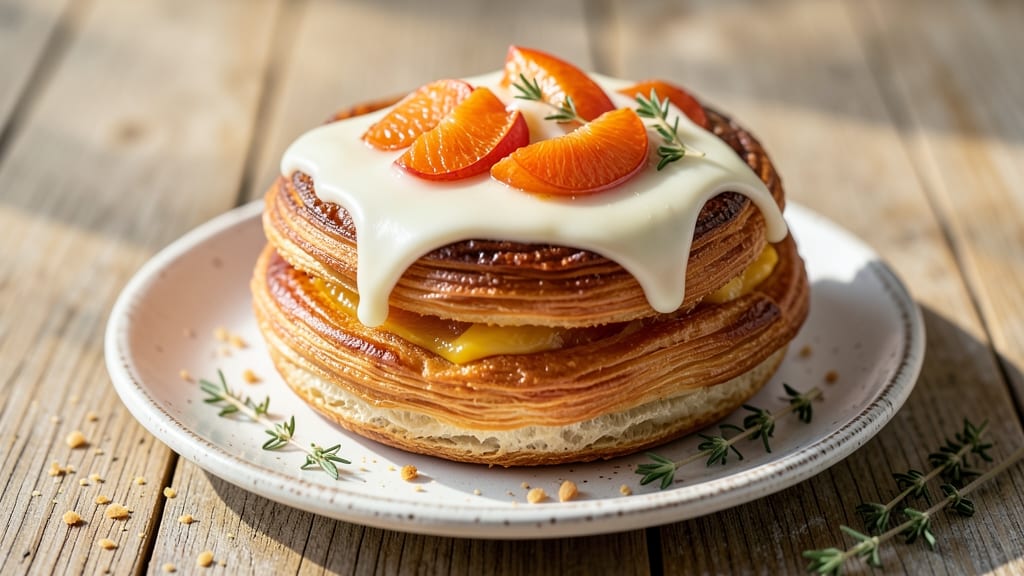
This apricot cheese danish recipe delivers the perfect balance of flaky, buttery layers and jam-filled sweetness that rivals bakery favorites. 🌟 The secret lies in a well-proportioned yeast dough that develops rich flavor during a slow rise, while the apricot-cheese filling combines tangy cream cheese with spiced apricot jam for a harmonious sweet-savory bite.
Every fold and layer creates that signature puffy texture, ensuring each bite reveals crisp, golden pastry and luscious filling.
What sets this recipe apart is the attention to detail in both dough preparation and filling assembly.
The dough requires patience—allowing it to rise overnight develops deep flavor and a tender crumb, while the filling benefits from a quick simmer to meld the apricot's natural sweetness with warm spices like cinnamon and cardamom.
The result is a danish with a flaky crust that shatters slightly at the edges, encasing a creamy, jam-infused center that's neither too sweet nor too rich.
Baking at the right temperature is critical—too hot, and the layers collapse; too cool, and the filling won't set properly. This recipe strikes the perfect balance, yielding danishes with a golden brown finish and a filling that's just firm enough to hold its shape when sliced.
The aroma alone as they emerge from the oven will have everyone gathering around the kitchen, eager for their first taste.
Once cooled, these danishes are even better—the filling sets slightly, creating clean slices that showcase their beautiful layers. Serve warm with a dusting of powdered sugar or a drizzle of caramel for extra elegance. Perfect for breakfast gatherings, brunch menus, or as a showstopping dessert. Let's get baking!
Ingredients for apricot cheese danish
Buttery layers, spiced apricot filling, and golden crust—these ingredients create bakery-style danishes at home.
| Ingredient | Amount | Notes |
|---|---|---|
| All-Purpose Flour 🌾 | 4 ½ cups | Sifted for best texture |
| Unsalted Butter 🧈 | 1 ¼ cups | Cold, cubed, European preferred |
| Granulated Sugar 🍚 | ¼ cup | Plus 1 tbsp for dough |
| Active Dry Yeast 🍞 | ¼ oz | Or 2 1/4 tsp, proofed first |
| Whole Milk 🥛 | ¾ cup | Warmed to 110°F |
| Large Eggs 🥚 | 1 whole | Room temperature |
| Salt 🧂 | ½ tsp | Fine sea salt preferred |
| Cream Cheese 🧀 | 8 oz | Full-fat, room temperature |
| Apricot Jam 🍑 | ¾ cup | Unsweetened, spiced if possible |
| Ground Cinnamon 🌿 | ½ tsp | Plus extra for dusting |
| Ground Cardamom 🍃 | ¼ tsp | Optional but magical |
| Powdered Sugar 🍚 | ¼ cup | For final dusting |
| Heavy Cream 🥛 | ¼ cup | For brushing layers |
The butter is non-negotiable here—European-style (like Plugrá) has higher fat content for that signature flakiness. Grab it from Whole Foods or Trader Joe's if you're unsure. The flour? King Arthur or Bread Flour for extra protein and chew. Yeast can be tricky—always proof it first in warm milk to ensure it's active. For the apricot jam, unsweetened varieties (like Bonne Maman) let the spices shine without overpowering. Cardamom is the secret weapon—find it at Penzeys or the spice aisle at World Market.
No European butter? Platinum or Land O'Lakes work in a pinch, but expect slightly less flakiness. Substituting jam? Peach or plum jam works beautifully—just add a pinch more cinnamon. Running low on cardamom? Nutmeg or allspice at half the amount gives a similar warmth. The cream cheese should be room temperature—microwave it for 20 seconds if it's straight from the fridge. For the dough, if you're short on time, instant yeast can be used directly in the recipe (no proofing needed).
The dough keeps beautifully in the fridge for 3 days or freezes for 3 months—wrap tightly in plastic. The filling can be prepped ahead and stored in the fridge for 5 days. Once baked, these danishes reheat wonderfully—wrap them in foil and warm at 300°F for 10 minutes. For extra elegance, dust with powdered sugar right before serving. Store leftovers at room temperature for 2 days—they're even better the next morning!
Why You'll Love This Recipe
- You’re using pantry staples: flour, butter, sugar—no specialty ingredients. The yeast and milk stretch a little go a long way, and the cheese adds richness without breaking the bank.
- No-Fuss Dough: The yeast and milk activate while you measure—no kneading, no waiting around. Just mix, let it rise once, and roll it out like you’re playing with playdough (but way tastier).
- Sweet-Tart Magic: That jammy apricot filling meets the buttery, slightly tangy cheese—it’s like dessert had a love affair with breakfast. The sugar in the dough caramelizes just enough to make every bite feel special.
- Weekday Hero: Make a double batch on Sunday, freeze half, and pull out a warm danish for a lazy morning or after-school snack. (Between us, I’ve reheated these straight from the freezer with zero judgment.)
Step-by-step instructions for apricot cheese Danish
Get ready to create restaurant-quality Danish with layers so flaky they'll have everyone asking for seconds.
👨🍳 Step 1: Make the Yeast Dough Foundation
In a small bowl, whisk together the 0.75 cup warm whole milk (should feel like bath water), 0.25 cup granulated sugar, and 0.25 oz active dry yeast. Let it sit for 5-10 minutes until foamy—that's your signal the yeast is active and ready to work its magic.
In a large bowl, combine the 4.5 cups sifted all-purpose flour and 0.5 tsp salt. Make a well in the center and pour in the yeast mixture along with the 1 whole large egg and 1.25 cups cold cubed unsalted butter. Using your hands or a dough whisk, mix until the butter is incorporated and you have a shaggy dough. This is where the flakiness begins!
🍳 Step 2: Build Laminated Layers for Maximum Flakiness
Turn the dough out onto a lightly floured surface and pat it into a rough rectangle about 12x10 inches. Wrap it in plastic and refrigerate for 30 minutes—this chills the butter so it stays firm during folding. While it chills, prepare your workspace with plenty of flour to prevent sticking.
After chilling, unfold the dough and fold it into thirds like a letter (this is the first of three folds). Rotate the dough 90 degrees and repeat, then refrigerate again for 30 minutes. Repeat this process one more time for a total of three folds—this creates those signature flaky layers. The key is keeping everything cold so the butter doesn't melt and ruin your layers.
🥘 Step 3: Prepare the Cream Cheese Filling
In a medium bowl, beat the 8 oz room temperature cream cheese until completely smooth. Add the 0.75 cup apricot jam, 0.5 tsp ground cinnamon, and 0.25 tsp ground cardamom, mixing until just combined. The filling should be thick but spreadable—if it's too stiff, add 1 teaspoon of heavy cream to loosen it.
Spread the filling evenly over two-thirds of the chilled dough, leaving a 2-inch border around the edges. This border is crucial—it prevents the filling from oozing out during baking. Fold the empty third over the filled portion to seal, then roll the dough gently but firmly into a 12x18-inch rectangle. Trim any uneven edges for clean lines.
🔥 Step 4: Proof and Bake to Golden Perfection
Place the rolled dough on a parchment-lined baking sheet and let it rise at 75°F for 1-1.5 hours until puffy and nearly doubled in size. Preheat your oven to 375°F while it proofs—this is where the magic happens.
Brush the top generously with 0.25 cup heavy cream mixed with 1 tablespoon granulated sugar for a beautiful caramelized crust. Bake for 25-30 minutes until the top is deep golden brown and the edges are set. The center should still feel slightly soft to the touch—it'll firm up as it cools.
🍽️ Step 5: Finish with Powdered Sugar and Serve Warm
Remove the Danish from the oven and immediately dust generously with 0.25 cup powdered sugar while still warm. Let it cool for 10 minutes before slicing—this allows the filling to set slightly so it doesn't ooze everywhere. Cut into 6 equal rectangles and serve warm for that perfect balance of crispy layers and gooey filling.
Here's the thing—these Danish are best enjoyed the day they're made. The layers stay flaky for about 24 hours, but the filling is most luxurious when still warm. Save any leftovers in an airtight container, but don't expect them to last long!
Pro Tips For Making Apricot Cheese Danish
- CHILL THE DOUGH: After the first rise, pop the dough in the fridge for 1–2 hours before rolling. I learned this the hard way—skipping it makes the butter leak out when you roll, and your Danish layers turn into sad, flat pancakes. Cold dough handles like butter (literally), so it stays together.
- USE COLD BUTTER: Cut that unsalted butter into tiny cubes and freeze it for 10 minutes before mixing into the dough. Warm butter = soggy layers. Cold butter = flaky, melt-in-your-mouth perfection. Trust me, your Danish will rise to the occasion.
- DON’T OVERWORK THE YEAST: Whole milk should be warm—about 105°F (40°C)—when activating the yeast, but no hotter. Overheating kills it, and you’ll end up with dense, flavorless dough. Test it by dipping your finger in: if it feels like bathwater, it’s too hot. Let it cool slightly first.
- WEIGH THE FLOUR: Scooping flour from the bag packs it down, giving you way more than you need. Use a kitchen scale for the all-purpose flour—1 cup is actually 120–125 grams, not the 160 grams you’d guess by volume. Precise measurements mean lighter, airier dough that rises like a dream.
Flavor customization for apricot cheese danish
Sweet-Savory Balance
Adjust the filling's sweetness by swapping apricot jam for peach or plum jam—both pair beautifully with the tangy cream cheese. For a more pronounced flavor, add 1 tsp lemon zest to the filling for a bright citrus note.
If you prefer less sweetness, reduce the jam to 0.5 cup and add 1 tbsp honey to balance the flavors. 🍯
Spice Variations
Swap the cardamom for 1 tsp orange zest to infuse a citrusy aroma, or use ½ tsp ground ginger for warmth. For a smoky twist, add ¼ tsp smoked paprika to the filling.
If you love warmth, a pinch of nutmeg enhances the cream cheese's richness. Always taste as you go—spices can intensify during baking!
Cheese Substitutions
Cream cheese isn’t the only option! Try farmer’s cheese for a tangier profile or ricotta for a lighter texture. For extra decadence, mix in 2 oz mascarpone with the cream cheese.
If you’re avoiding dairy, use vegan cream cheese (like Kite Hill) and ensure your butter is dairy-free too. The filling will still hold its shape beautifully.
Fruit Twists
Swap apricot jam for strawberry or raspberry preserves for a berry-forward flavor. For a tropical vibe, use mango chutney (reduce sugar by half) or pineapple jam with a pinch of cinnamon.
Fresh fruit works too—spread thinly sliced peaches (tossed in cinnamon) over the dough before folding. Just reduce the cream cheese to 6 oz to balance moisture.
Crunchy Additions
Add texture with toasted almonds or pecans—chop ¼ cup and sprinkle over the filling before sealing. For a crumbly topping, mix 1 tbsp granola into the powdered sugar.
If you love caramel, drizzle 2 tbsp salted caramel sauce over the baked Danish before dusting with sugar. These additions elevate the dish from classic to extraordinary!
Nutrition facts
Frequently asked questions
Can I make this recipe without yeast?
This recipe relies on yeast for that signature flaky, airy texture—but you can adapt it! Use a puff pastry dough instead for a similar effect. Replace the yeast dough with store-bought puff pastry sheets, spread the apricot-cheese filling, fold, and bake at 375°F for 20-25 minutes. The layers will be slightly different but still delicious!
How do I prevent the filling from leaking during baking?
Leave a 2-inch border around the edges when spreading the filling—this creates a seal that keeps everything contained. Also, chill the dough for 15 minutes after filling to help the cream cheese set slightly. If you notice filling oozing during baking, reduce the oven temperature by 25°F to slow the process.
Can I make these ahead of time?
The dough can be prepped and refrigerated for 3 days or frozen for 3 months. The filling can be made 5 days ahead and stored in the fridge. Bake fresh for the best texture, but you can reheat slices at 300°F for 10 minutes wrapped in foil to restore warmth and flakiness.
What’s the best way to slice for perfect portions?
Use a serrated knife and cut through the center of each danish for even slices. Warm the knife slightly by running it under hot water or passing it through a flame for 2 seconds before each cut—this prevents tearing. Serve immediately after slicing for the cleanest presentation.
Why did my danish turn out dense instead of flaky?
Dense layers usually mean the butter melted during folding. Keep everything cold—refrigerate the dough between folds and avoid warm hands. Also, ensure your butter is cold but pliable (not rock-hard). If the dough feels too sticky, it may need more flour, but don’t overdo it or the texture will suffer.