
Side Dishes
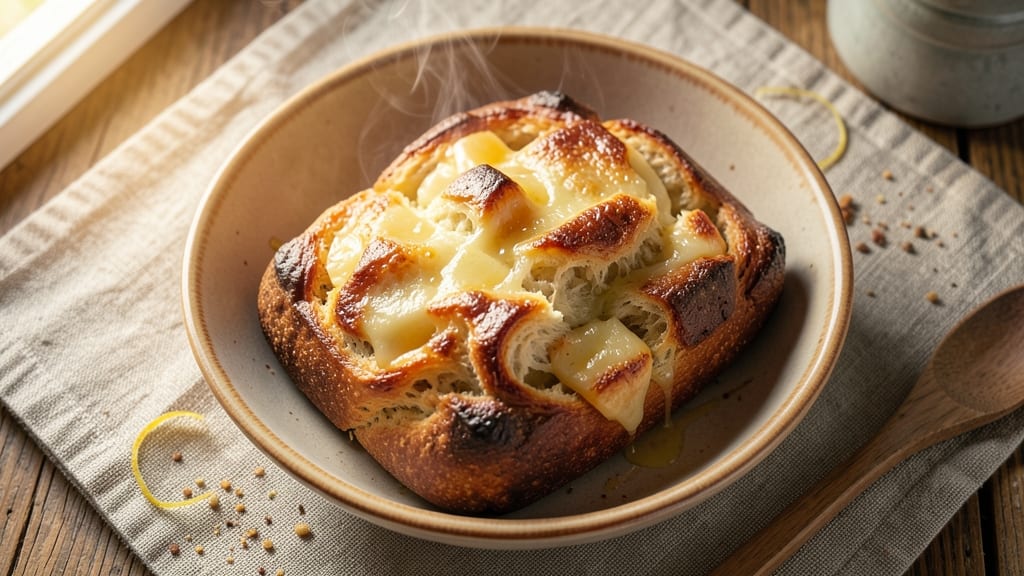
This artisan cheddar cheese bread recipe delivers a golden, toasted crust packed with melty cheddar chunks that transform every bite into a savory masterpiece.
The secret lies in a perfectly balanced dough that stays tender while holding its shape, creating a bread so good it disappears faster than you can say "pull-apart loaf."
I developed this recipe after years of experimenting with cheddar-infused doughs, and the difference between this and store-bought is night and day.
The foundation starts with a simple yeast dough enriched with whole milk and butter, which creates a rich, slightly sweet base that complements the sharp, tangy cheddar.
What makes this recipe special is the cheese placement technique—folding large chunks of aged cheddar directly into the dough ensures they stay gooey and intact during baking, rather than melting into the dough prematurely. The result? A bread with pockets of molten cheese waiting to be discovered in every bite.
By the time it emerges from the oven, you'll have a loaf with a crisp, golden crust that gives way to tender, chewy interior studded with those irresistible cheddar chunks.
The aroma alone will have everyone gathering around your table, and the first pull-apart bite delivers that perfect combination of toasted crust and melty cheese. This is the kind of bread that turns ordinary meals into special occasions.
Whether you're making a single loaf for sandwiches or a batch of dinner rolls for a crowd, this recipe scales beautifully while maintaining that authentic artisan quality. The best part?
You don't need any special equipment—just patience for the dough to rise and a little time to let the magic happen in the oven. Let's get started on creating your perfect cheddar cheese bread.
Ingredients for artisan cheddar cheese bread
Golden crust, melty cheddar pockets, and tender dough—this is the holy trinity of perfect cheddar cheese bread.
| Ingredient | Amount | Notes |
|---|---|---|
| Active Dry Yeast 🍞 | 2 ¼ tsp | One packet for convenience |
| Warm Whole Milk 🥛 | 1 ¼ cups | 110°F, not hot |
| Unsalted Butter 🧈 | ½ cup | Softened, full-fat version |
| Granulated Sugar 🍚 | 1 tbsp | For yeast activation |
| Large Eggs 🥚 | 1 whole | Room temperature |
| All-Purpose Flour 🌾 | 4 ½ cups | Spooning and leveling |
| Diamond Crystal Kosher Salt 🧂 | 1 ½ tsp | Adjusts to taste |
| Aged Sharp Cheddar Cheese 🧀 | 2 cups | Cube into 1-inch pieces |
| Extra-Virgin Olive Oil 🫒 | 1 tbsp | For dough shaping |
| Cornmeal 🌽 | ½ cup | For dusting pan |
| Egg Wash 🥚 | 1 whole | 1 egg + 1 tbsp water |
| Coarse Sea Salt 🧂 | 1 tbsp | For final sprinkle |
The cheddar makes or breaks this recipe. Look for aged sharp cheddar—the kind with visible crystals on the rind—at specialty cheese shops or the deli section of Whole Foods. Kraft or pre-shredded won't cut it here; you need real, melty chunks. Cube it yourself into 1-inch pieces for even distribution in the dough. Pro tip: Chill the cheese cubes for 10 minutes before folding them in—they'll stay intact longer during baking. For the yeast, Bob's Red Mill is my go-to brand, but any active dry yeast works if it's fresh (check the expiration date—yeast loses potency fast).
No aged cheddar? Pepper jack or Gouda work in a pinch, but you'll lose that signature sharpness. Running low on whole milk? Warm 2% milk or even water (with a splash of sugar) will activate the yeast, though texture might be slightly less tender. The butter is non-negotiable—full-fat only. Margarine or vegetable oil will make the dough dry. If you're gluten-sensitive, King Arthur gluten-free flour blend works well (increase by 1/4 cup), but the texture won't be identical. For the egg wash, room temperature eggs prevent streaks—crack them into a bowl first, then whisk with water.
This dough is a patience test, but it's worth it. First rise takes 1-1.5 hours—don't rush it. The shaped loaf needs another 45-60 minutes to proof before baking. Store any leftovers wrapped tightly at room temperature for 2 days or freeze for up to 3 months. To reheat, wrap in foil and warm at 350°F for 10 minutes. The best part? Double the recipe—this bread freezes beautifully for last-minute gatherings. Just thaw overnight in the fridge before reheating.
Why You'll Love This Recipe
- No-Knead Magic: I swear by this dough—just mix, let it rise, and forget it. The yeast blooms overnight while I sleep, so by morning, I’m left with a pillowy base that’s actually worth the wait (and zero elbow grease).
- Sharp Cheese Magic: That block of aged cheddar? It’s the star. The warm milk softens it just enough to melt into the dough, giving every bite that perfect pull-between-your-teeth stretch. Honestly, I’ve tried pre-shredded cheese in bread before—this is night and day.
- Breakfast to Brunch: I make a double batch on Sundays because it’s that good cold for lunch, toasted with butter for breakfast, or even sliced for charcuterie boards. The sugar in the dough caramelizes when toasted, so it’s basically dessert bread too.
- Leftovers That Don’t Suck: Unlike most bread, this stays fresh for days (I’ve kept it wrapped for five). The butter keeps it from drying out, and I’ve even reheated slices in the oven for a crispy crust—no sad, stale loaves here. Budget win: one loaf feeds my family for weeks.
Step-by-step instructions for artisan cheddar cheese bread
Here's how to create a golden crust with pockets of melty cheddar—every bite will be pure comfort.
Activate the Yeast with Warm Milk and Sugar
In a small bowl, combine the 2.25 tsp active dry yeast with 1.25 cups warm whole milk (110°F) and 1 tbsp granulated sugar. Stir gently and let sit for 5-7 minutes until frothy. You'll see bubbles forming—this means your yeast is alive and ready to work. If it doesn't bubble after 10 minutes, your yeast is dead and you'll need to start over.
This step is non-negotiable. Room-temperature milk activates yeast faster, but never use hot milk—it kills the yeast instantly. The sugar feeds the yeast, helping it multiply and create that airy texture we want in the bread. Once bubbly, proceed immediately to avoid overproofing.
Mix the Dough Until Smooth and Elastic
In a stand mixer fitted with the dough hook, combine the yeast mixture with 0.5 cup softened unsalted butter, 1 whole large egg, 4.5 cups all-purpose flour, and 1.5 tsp diamond crystal kosher salt. Mix on low speed for 2 minutes until combined, then increase to medium speed for 5-7 minutes until the dough pulls away from the sides of the bowl and forms a smooth, elastic ball.
Here's the thing—you're looking for a dough that's slightly tacky but not sticky. If it's too dry, add 1 tbsp warm milk at a time until it comes together. Overmixing develops gluten, which can make the bread tough. Once it passes the "windowpane test" (stretch a small piece—it should be thin enough to see light through), you're ready for the next step.
Knead in the Cheddar Cheese for Maximum Flavor
Turn the dough out onto a lightly floured surface and gently press in the 2 cups aged sharp cheddar cheese, cubed into 1-inch pieces. Fold the dough over itself to encase the cheese completely. This creates those pockets of melty goodness we're after. Shape the dough into a 12x6-inch rectangle and wrap tightly in plastic wrap.
Don't be tempted to overwork the dough now—just enough to distribute the cheese evenly. The cheese will soften slightly during the rise, creating those perfect pockets when baked. If the dough feels too sticky, wet your hands lightly with water to prevent sticking.
Let the Dough Rise Until Doubled in Size
Place the wrapped dough in a greased bowl and let it rise in a warm place for 1-1.5 hours, or until doubled in size. I like to turn on my oven light to create a warm, draft-free environment. The dough should spring back slowly when poked with a finger—this indicates it's ready for shaping.
Patience is key here. Rushing the rise leads to dense bread. If your kitchen is cold, place the bowl on top of your refrigerator (not inside) for consistent warmth. The dough should rise to about 2 inches thick—this ensures a light, airy texture when baked.
Shape and Proof the Dough for a Perfect Loaf
Punch down the dough to release air, then shape it into a 12x6-inch rectangle again. Place it on a baking sheet dusted with 0.5 cup cornmeal and brush the top with 1 tbsp extra-virgin olive oil. Cover loosely with a clean kitchen towel and let it proof for another 30-45 minutes until slightly puffy.
This final proofing step is what gives the bread its height and texture. The oil on top creates a barrier that helps the bread brown beautifully in the oven. If the dough springs back quickly when poked, it's ready—if it leaves a dent, give it a few more minutes.
Bake Until Golden Brown with Melty Cheese
Preheat your oven to 375°F. Brush the dough with 1 whole egg wash (1 egg + 1 tbsp water) and sprinkle generously with 1 tbsp coarse sea salt. Bake for 25-30 minutes until the crust is deep golden brown and the internal temperature reaches 190°F. The cheese should be soft and gooey inside.
Here's where the magic happens: the cheese melts during baking, creating pockets of gooey goodness. If the top browns too quickly, tent the bread with foil. The bread is done when it sounds hollow when tapped on the bottom. Let it cool for 10 minutes before slicing—this prevents the cheese from oozing out everywhere.
Pro Tips For Making Artisan Cheddar Cheese Bread
- Bloom the Yeast First: Skip mixing yeast into the wet dough—it’s lazy and unreliable. Instead, dissolve it in the warm whole milk with a pinch of sugar for 5 minutes until frothy. This guarantees your bread rises properly, especially in cooler kitchens where yeast can be sluggish.
- Chill the Dough Overnight: I used to rush the dough, and it always spread too much in the oven. Now, I shape it, cover it, and let it rest in the fridge for 12–16 hours. The gluten relaxes, the flavor deepens, and you’ll get that perfect chewy crumb instead of a dense brick.
- Cut Cold Butter in Cubes: Don’t melt that unsalted butter—it’ll turn your bread greasy. Cut it into ½-inch cubes and toss them into the dough while it’s still cold. The butter stays in chunks, creating those buttery pockets that make this bread irresistible.
- Don’t Overwork the Dough: Once you’ve kneaded the dough by hand for about 8–10 minutes (or 5–6 minutes with a mixer), stop. Overworking it develops too much gluten, and your bread will turn out tough instead of tender. Test it by poking it—if it springs back slowly, it’s ready.
Serving suggestions for artisan cheddar cheese bread
Classic Sandwich Pairings
This cheddar cheese bread shines as a grilled cheese sandwich base—pair it with turkey slices, crispy bacon, and a sprinkle of sliced jalapeños for a perfect lunch. I like to add mayo and mustard on the bread before assembling, then grill in a butter-basted skillet until golden.
For extra decadence, stuff it with pulled pork and coleslaw for a Southern-style masterpiece. 🥪
For a breakfast twist, serve warm slices with scrambled eggs, crispy hash browns, and a drizzle of hot honey. The melty cheese soaks up the egg yolks beautifully, creating a rich, satisfying bite.
I also love this bread with avocado toast—just mash ½ ripe avocado with lemon juice and salt, then spread it on toasted slices. The creamy avocado balances the sharp cheddar perfectly.
Dinner Party Sides
Transform your cheddar bread into a pull-apart loaf for game day or dinner parties. Serve it alongside smoky pulled pork, creamy mac and cheese, and roasted Brussels sprouts for a crowd-pleasing spread.
The bread doubles as a dipping tool for sauces like ranch or spicy BBQ, making it interactive and fun. 🏈
For a lighter option, pair slices with tomato soup and a side of arugula salad dressed in balsamic vinaigrette. The acidity of the vinaigrette cuts through the richness of the cheese, creating a perfect balance.
Another great match is charcuterie boards—slice the bread into thick pieces, arrange with prosciutto, grapes, and aged cheddar cubes, and serve with olive oil for dipping.
Breakfast and Brunch
Use this bread as a French toast base—slice it thick, dip in a mix of eggs, cinnamon, and vanilla, then pan-fry in butter until golden. Top with maple syrup and whipped cream for a comforting breakfast.
I also love making cheddar bread pudding by cubing leftover slices, mixing with eggs, cream, and brown sugar, then baking until custardy. 🍳
For a savory brunch, serve warm slices with poached eggs, crispy pancetta, and sautéed mushrooms. The cheddar adds a salty depth that complements the eggs beautifully.
Another favorite is cheddar bread French toast sticks—cut the bread into strips, coat in egg wash, and fry until crispy. Serve with chocolate chip dip for a sweet-and-salty treat.
Global Twists
Give your bread a Mediterranean vibe by serving it with hummus, olives, and feta cheese. The tangy flavors of the hummus and olives pair surprisingly well with the sharp cheddar.
For a Mexican-inspired meal, pair slices with refried beans, salsa, and guacamole. The bread soaks up the salsa beautifully, making every bite flavorful. 🌎
For a French bistro feel, serve the bread with duck confit, caramelized onions, and a red wine reduction. The rich, savory flavors of the duck and onions elevate the cheddar to new heights.
Another fun idea is to make cheddar bread croutons—toss cubed bread with garlic butter, parmesan, and herbs, then bake until crispy for salads or soups.
Nutrition facts
Frequently asked questions
Can I make this cheddar cheese bread without a stand mixer?
You can mix the dough by hand in a large bowl using a wooden spoon, then knead it on a floured surface for 8-10 minutes until smooth and elastic. Just be prepared for a little more elbow grease—this bread is worth the effort, but your arms will thank you for the workout!
What's the best way to store leftover cheddar cheese bread?
Wrap any leftovers tightly in plastic wrap or foil and store at room temperature for 2 days. For longer storage, freeze the bread for up to 3 months. To reheat, wrap in foil and warm at 350°F for 10 minutes—this keeps the crust crispy while melting the cheese again.
Why did my cheddar cheese bread turn out dense instead of light?
Dense bread usually means the yeast didn't activate properly or the dough didn't rise enough. Make sure your milk is 110°F (not hot) and your yeast is fresh. Also, don't skip the proofing time—1-1.5 hours is crucial for that light, airy texture. If your kitchen is cold, try placing the dough bowl near a warm oven with the light on.
Can I substitute sharp cheddar with another cheese?
For best results, stick with aged sharp cheddar—the crystals and tang are key. If you must substitute, pepper jack or Gouda work in a pinch, but you'll lose some of that signature sharpness. Avoid pre-shredded cheeses (they contain anti-caking agents that make the bread gummy). For extra flavor, try folding in 1/4 cup grated parmesan along with the cheddar.
How do I make this into a pull-apart loaf instead of a regular loaf?
Shape the dough into a 9x13-inch rectangle on a parchment-lined baking sheet, then fold it in half like a letter. Punch down the seams to create pockets. Brush with egg wash and bake as directed. The result? A gooey, pull-apart masterpiece perfect for game day! For extra decadence, add 1/2 cup caramelized onions before folding.