
Side Dishes
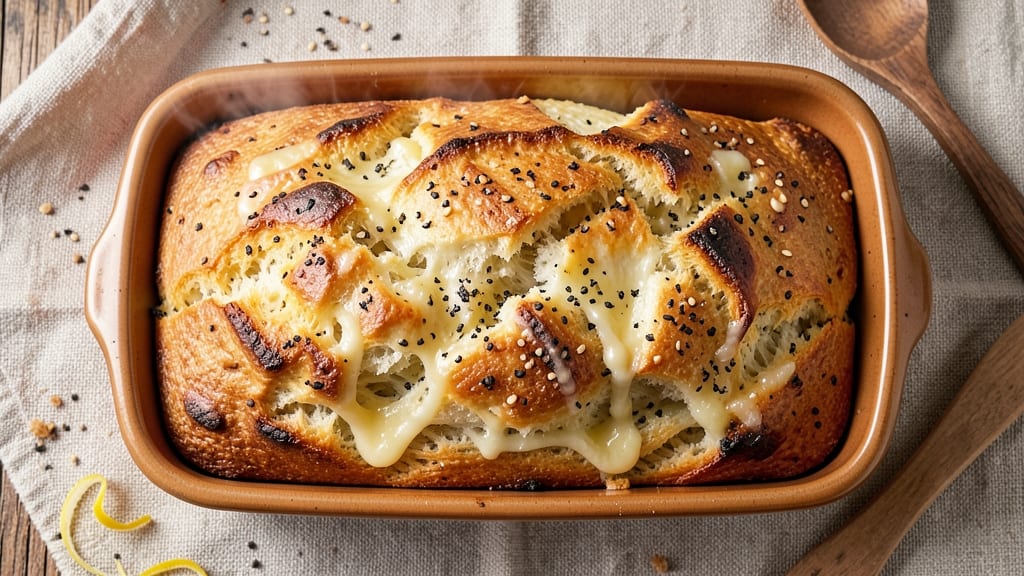
This Asiago cheese bread Panera recipe delivers the same pull-apart gooeyness and melty cheese pockets you crave—without the $6 price tag. The secret lies in a simple yeast dough enriched with Asiago's nutty depth, baked until golden and crisp at the edges while staying tender inside.
I've perfected this version after years of testing, ensuring every bite has that signature Panera texture without shortcuts that compromise flavor.
The process is straightforward but requires patience: kneading warm dough until elastic, letting it rise twice for maximum flavor development, and baking at 375°F for 15 minutes until the crust turns golden brown.
Unlike Panera's version, we use all-purpose flour and a touch of honey for subtle sweetness that balances the sharp Asiago. The cheese pulls dramatically when you tear into it—just like the bakery classic—but with a homemade touch that tastes even better.
What makes this recipe work is the Asiago cheese, which melts into creamy strands while adding a rich, slightly tangy flavor that cuts through the bread's buttery richness.
The dough's structure ensures it doesn't turn gummy, and the garlic-infused olive oil brush before baking adds an aromatic depth that elevates every bite. This isn't just cheese bread—it's a foolproof method for achieving bakery-quality results at home.
Whether you're serving it warm with soup or saving slices for sandwiches, this recipe delivers restaurant-quality texture and flavor. The best part? You can make it ahead and reheat for that fresh-from-the-oven experience anytime. Let's get started on creating your own version of this beloved classic.
Ingredients for asiago cheese bread panera
The secret to Panera-style Asiago cheese bread starts with these simple, quality ingredients.
| Ingredient | Amount | Notes |
|---|---|---|
| Active Dry Yeast 🍞 | ¼ tsp | One packet or 7g |
| Warm Water 💧 | ¾ cup | 110°F for activating yeast |
| All-Purpose Flour 🌾 | 3 ½ cups | Spooning and leveling |
| Granulated Sugar 🍚 | ¼ cup | For yeast activation |
| Unsalted Butter 🧈 | ½ cup | Cold, cubed for dough |
| Asiago Cheese 🧀 | 1 ½ cups | Shredded, freshly grated |
| Large Egg 🥚 | 1 whole | Room temperature |
| Honey 🍯 | ¼ cup | For subtle sweetness |
| Garlic-Infused Olive Oil 🫒 | ¼ cup | For brushing dough |
| Sea Salt 🧂 | 1 ½ tsp | Diamond Crystal preferred |
| Black Pepper 🌶️ | ½ tsp | Freshly cracked |
| Cornmeal 🌽 | ¼ cup | For dusting baking sheet |
The Asiago cheese is non-negotiable here—Kraft brand works in a pinch, but Boar’s Head or Whole Foods have the best quality. Grab the pre-shredded kind for convenience, but if you're feeling fancy, grate it yourself for that perfect melt. The yeast? Bob’s Red Mill or Saf-Instant are my go-tos, but any active dry yeast will work. For the garlic-infused olive oil, I use Trader Joe’s garlic oil or make my own by infusing olive oil with minced garlic for 30 minutes. The honey should be pure, nothing with additives—Whole Foods or Trader Joe’s have great options.
No Asiago? Parmesan or Gruyère are solid swaps, though the flavor won’t be identical. Short on honey? Maple syrup at half the amount works, but the flavor shifts slightly. The garlic oil can be skipped, but don’t skip the olive oil brush—it’s what gives that golden crust. If you’re making this ahead, freeze the shaped loaf before baking, then thaw and bake straight from frozen (add 5 minutes to bake time). For the flour, if you don’t have all-purpose, bread flour works too—just add 1 tsp vital wheat gluten.
This dough needs time to rise—at least 1 hour, up to 2 hours for maximum flavor. Shape it into a loaf pan or boule, then let it rise again before baking. The baked bread keeps well for 2 days at room temperature, wrapped in a clean kitchen towel. For longer storage, freeze slices wrapped in parchment—3 months no problem. Reheat in a 350°F oven for 5 minutes to restore that bakery-fresh texture. Pro tip: Brush extra garlic oil on warm slices before serving—game-changer.
Why You'll Love This Recipe
- No-Knead Magic: I swear by this dough—just mix, let it rise, and forget it. The yeast does all the work while I sip coffee, and that buttery pull-apart texture? Zero effort, all reward.
- Cheese Pull Magic: That moment when you tear into warm bread and molten asiago stretches between your fingers? Honestly, it’s the only way to eat bread. The sugar in the dough caramelizes just enough to balance the sharp, creamy cheese—like a hug in every bite.
- Breakfast to Brunch: I make a double batch on Sundays—some for toast with jam, some sliced thin for French toast the next morning. Freezes like a dream too, so I always have backup for lazy mornings or unexpected guests.
- Budget Stretch: A single loaf costs less than takeout but feels like a treat. The butter and sugar keep it rich without breaking the bank, and leftovers? They disappear faster than I can say “second helping.” My wallet and my family win.
Step-by-step instructions for Asiago cheese bread
Here's how to create that perfect gooey, pull-apart bread with rich Asiago flavor and crispy edges.
Activate the Yeast and Mix the Wet Ingredients
In a small bowl, combine the 0.25 tsp active dry yeast with the 0.75 cup warm water (around 110°F) and 0.25 cup granulated sugar. Let it sit for 5-7 minutes until it becomes frothy—this confirms your yeast is alive and ready to work. If it doesn't foam, your yeast might be dead, and you'll need to start over.
In a separate large bowl, whisk together the 0.5 cup unsalted butter (cold, cubed), 0.25 cup honey, 0.25 cup garlic-infused olive oil, 1 whole large egg, 1.5 tsp sea salt, and 0.5 tsp black pepper. Mix until the butter is fully melted and everything is well combined. The mixture should look creamy and slightly thickened from the honey.
Combine Wet and Dry Ingredients
Gradually add the 3.5 cups all-purpose flour to the wet mixture, stirring with a wooden spoon or spatula until a shaggy dough forms. This step is where the magic happens—don't overmix, or you'll develop too much gluten, which can make your bread tough. Once the flour is mostly incorporated, turn the dough out onto a lightly floured surface and knead for 5-7 minutes until smooth and elastic.
If the dough feels sticky, add small amounts of flour as needed, but don't overdo it—you want just enough to handle it without making it dry. The dough should be soft but not sticky, and it should spring back slightly when pressed. Here's the thing—this dough is going to be slightly sticky, which is perfect for creating that pull-apart texture later.
Incorporate the Asiago Cheese
Return the dough to the bowl and let it rest for 10 minutes. While it rests, shred the 1.5 cups Asiago cheese using a box grater or food processor. The cheese should be finely grated—this ensures even distribution and maximum flavor in every bite.
After the dough rests, fold in the shredded Asiago cheese by hand, using a gentle folding motion. Work quickly but carefully to avoid deflating the dough. The cheese will make the dough slightly sticky again, but that's okay—it's what gives this bread its signature gooeyness. Once fully incorporated, cover the bowl with a damp towel and let the dough rise in a warm place for 1 hour, or until it has nearly doubled in size.
Shape and Bake the Bread
Preheat your oven to 375°F and line a 9x13-inch baking dish with parchment paper. Lightly dust the dish with 0.25 cup cornmeal to prevent sticking. Once the dough has risen, gently deflate it by pressing down on it with your fingers. Transfer the dough to the prepared baking dish and shape it into a rough rectangle, leaving some gaps for the pull-apart effect.
Brush the top of the dough with a little more garlic-infused olive oil and sprinkle with a pinch of sea salt and black pepper for extra flavor. Bake for 25-30 minutes until the top is golden brown and the edges are crispy. The center should still look slightly soft—this is where the gooeyness comes from. Let the bread cool for 10 minutes before slicing to allow the cheese to set slightly.
Serve Warm and Enjoy
Slice the bread into squares or rectangles, and serve it warm. The cheese should be melted and stretchy, pulling apart easily with each bite. Pair it with your favorite soup or dip for the ultimate comfort food experience. If you have leftovers, store them in an airtight container for up to 3 days, or freeze for up to 3 months. The flavor only gets better as it sits!
Pro Tips For Making Asiago Cheese Bread Panera
- Weigh Your Flour: I learned this the hard way—measuring flour by scooping from the bag gives you way too much volume, and your dough ends up gummy. Use a kitchen scale for the Panera-style dough: 4 cups all-purpose flour actually weighs about 480 grams. Trust me, your bread will thank you.
- Cut Cold Butter in Cubes: Skip the soft butter—cut your unsalted butter into ½-inch cubes and refrigerate them for 10 minutes before mixing. This keeps the dough from overworking and ensures those melty, pull-apart pockets of cheese later. (Yes, even if you're impatient like me.)
- Let the Dough Rise Twice: The first rise is obvious, but the second one? That’s where the texture magic happens. After shaping, let it rise another 30-45 minutes in a warm spot. This isn’t just about volume—it’s what makes the bread light and airy, not dense. (Your future self will notice the difference.)
- Preheat Pan + Butter Generously: Don’t skimp on the butter here. Brush the bread pan heavily with melted butter before adding the dough—about 2 tablespoons, enough to coat the bottom and sides. This isn’t just for flavor; it’s what guarantees that golden, crisp crust Panera-style bread is famous for. (And no, a light spray won’t cut it.)
Storing and reheating your asiago cheese bread panera
Room Temperature Revival
When your Asiago cheese bread sits at room temperature for more than a few hours, it loses that fresh-from-the-oven crispness. To revive it, I recommend placing slices on a baking sheet and heating in a 350°F oven for 5-7 minutes.
The residual heat from the oven will restore the bread's texture while keeping the cheese gooey. For extra flavor, brush warm slices with a little more garlic-infused olive oil before serving. 🌟
Oven Reheating Secrets
For larger portions, reheat the entire loaf wrapped in aluminum foil at 325°F for 10-12 minutes. This gentle heat prevents the crust from becoming rubbery while ensuring the cheese melts beautifully. I like to reheat the bread in its original pan for that authentic bakery feel.
If you're reheating from frozen, add 5-7 extra minutes to account for the cold temperature. The bread should emerge with a crisp exterior and a warm, pull-apart interior.
Microwave Method
When you're in a hurry, the microwave works surprisingly well for individual slices. Place a slice on a microwave-safe plate and cover it with a damp paper towel. Heat on 50% power for 20-30 seconds.
This low-and-slow approach prevents the cheese from becoming stringy or the bread from drying out. For best results, I recommend using this method only for quick snacks—not for restoring the full texture of a whole loaf.
Freezer Storage Tips
This bread freezes beautifully for up to 3 months without losing its quality. After baking, let it cool completely, then wrap individual slices in parchment paper and store them in a ziplock freezer bag. When ready to eat, thaw slices at room temperature for 15-20 minutes before reheating.
For a whole loaf, freeze it wrapped in foil, then thaw overnight in the refrigerator before reheating. The cheese maintains its meltability, and the bread keeps its structure remarkably well. ❄️
Long-Term Freshness
For maximum freshness, store your cheese bread in an airtight container at room temperature for up to 2 days. I like to wrap it in a clean kitchen towel to keep it soft.
If you notice the edges starting to dry out, simply reheat the entire loaf in the oven for 5 minutes at 350°F to restore moisture. The cheese remains delicious even after several days, though the texture will be slightly firmer. This makes it perfect for meal prep—just reheat and enjoy!
Cheese Melting Hacks
If your reheated bread has cheese that's not pulling apart properly, try this trick: Place the slice between two sheets of parchment paper and press it lightly with a hot pan for 10 seconds per side.
The direct heat will remelt the cheese strands, giving you that signature gooey texture. For extra richness, sprinkle a pinch of Asiago cheese on top before reheating—it adds a burst of flavor that makes every bite taste freshly baked. 🧀
Nutrition facts
Frequently asked questions
Can I use Parmesan instead of Asiago cheese?
While Parmesan will work, it won't give you the same rich, nutty flavor that Asiago provides. For the closest match, use a blend of 2/3 cup Parmesan and 1/3 cup Gruyère. The Gruyère adds creaminess that mimics Asiago's melt, while Parmesan brings saltiness. If you must substitute, reduce the salt in the recipe by 1/4 tsp to balance the flavors.
Why is my cheese bread dense instead of gooey?
Dense bread usually means over-kneading or under-rising. The dough should be slightly sticky and elastic after kneading for just 5-7 minutes. If it's not rising enough, your yeast might be old or the water wasn't warm enough (110°F). Try placing the dough in a warm oven with the light on for faster rising, or let it rise in a proofing box.
How do I make this in a bread machine?
Use the dough setting and follow these adjustments: 2 cups water, 3 cups bread flour, 1/4 cup honey, 1/2 cup butter, 1.5 cups shredded Asiago, 1 tsp salt, and 1/4 tsp yeast. After the first rise, remove the dough, fold in the cheese by hand, then return it to the machine for a second rise. Bake as directed in a greased pan.
Can I add other cheeses for variety?
Try adding 1/2 cup mozzarella for extra stretchiness or 1/4 cup sharp cheddar for a tangy kick. For a herb twist, mix in 1 tbsp dried parsley or rosemary with the cheese. Just reduce the Asiago to 1 cup to maintain the bread's structure. The key is keeping the total cheese to 1.5 cups to avoid a gummy texture.
What's the best way to serve this bread?
This bread shines warm with soups, chili, or dips like marinara or spinach-artichoke. For a gourmet touch, serve with a side of roasted garlic hummus or warm pesto. It also makes amazing sandwiches—try it with grilled chicken, arugula, and balsamic glaze. The pull-apart texture works perfectly for breadsticks too!