
Sauces & Condiments
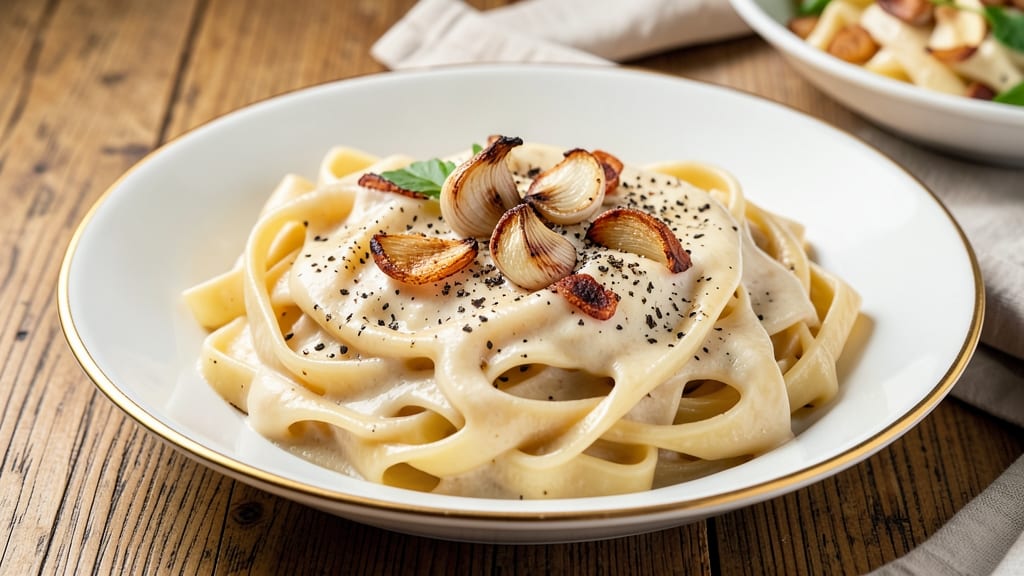
This Asiago cheese pasta sauce transforms ordinary weeknight dinners into restaurant-quality meals with its rich, nutty depth and velvety texture. 🌟 I developed this recipe after years of testing cheese sauces, focusing on achieving that perfect balance between creamy and slightly tangy—without any lumps or graininess.
The secret lies in the right ratio of Asiago to cream and a foolproof melting technique that creates those signature bubbles you crave.
The beauty of this dish is its versatility—it pairs beautifully with chicken, shrimp, or mushrooms, and can be made in just 15 minutes. I use a combination of butter and flour to create a smooth base, then add heavy cream and freshly grated Asiago for that signature nutty flavor.
The sauce clings perfectly to pasta, creating every bite into a creamy, satisfying experience that even picky eaters will love.
What makes this recipe truly special is how it elevates simple ingredients into something extraordinary. The Asiago cheese provides a rich, slightly sweet flavor that complements the pasta beautifully, while the cream adds a luxurious texture.
Whether you're serving it as a main dish or a side, this sauce will become a staple in your rotation.
For an extra touch, I recommend topping with crispy fried shallots or fresh parsley, which adds both visual appeal and a fresh contrast to the creamy sauce. This dish is perfect for feeding a family or impressing guests—it's that good. Let's get started on creating this comforting, crowd-pleasing meal!
Ingredients for asiago cheese sauce recipe pasta
Here's the secret to that perfect, bubbly Asiago cheese pasta sauce everyone craves.
| Ingredient | Amount | Notes |
|---|---|---|
| Unsalted Butter 🧈 | ½ cup | Cold, cubed for even melting |
| All-Purpose Flour 🌾 | ½ cup | Diamond Crystal preferred |
| Heavy Cream 🥛 | 1 ½ cups | Full-fat for richest texture |
| Asiago Cheese 🧀 | 2 cups | Freshly grated from block |
| Pasta 🍝 | 12 oz | Fettuccine or penne shape |
| Garlic Cloves 🧄 | 3 cloves | Minced for aromatic base |
| Shallots 🧅 | 2 whole | Thinly sliced for garnish |
| Fresh Parsley 🌿 | ¼ cup | Chopped for bright finish |
| Salt 🧂 | 1 tsp | Kosher or sea salt |
| Black Pepper 🌶️ | ½ tsp | Freshly ground preferred |
| Vegetable Oil 🫒 | ¼ cup | For frying shallots |
| White Wine 🍷 | ¼ cup | Dry, optional for depth |
The Asiago is non-negotiable—freshly grated from a wedge makes all the difference. Whole Foods or specialty cheese shops carry the best, but even your grocery store's deli counter usually has it. Look for a vibrant, golden hue and a slightly sweet aroma. For the butter, European-style unsalted (like Plugrá) melts smoother than regular. The flour? Diamond Crystal absorbs moisture differently than regular brands—use it if you've got it. And that heavy cream? Full-fat only—anything less and your sauce will feel thin and lackluster. I always grab an extra cup because I can never resist using it in other dishes midweek.
No Asiago? Parmigiano-Reggiano works in a pinch, but it's tangier and less sweet. Short on heavy cream? Half-and-half plus a splash of milk gets you close, though the texture won't be as luscious. The white wine is totally optional, but if you've got a dry Sauvignon Blanc open, use it—it cuts through the richness beautifully. For the shallots, Trader Joe's frozen ones are a lifesaver when fresh ones are pricey. And if you're feeling fancy, toasted pine nuts instead of shallots add a gourmet touch. The pasta? Any shape works, but fettuccine or penne clings to the sauce best.
This sauce reheats like a dream—just add a splash of milk or water to loosen it up. Keeps for 3-4 days in the fridge, though I rarely have leftovers that long. For freezing, portion into ice cube trays—perfect for quick pasta additions later. The shallots? Fry them fresh before serving—they crisp up in just 2 minutes. If you're prepping ahead, make the sauce first, then toss with cooked pasta right before serving. That way, the sauce stays velvety and doesn't turn gluey.
Why You'll Love This Recipe
- Five-Ingredient Magic: I swear by this—just butter, flour, cream, Asiago, and pasta. That’s it. No fancy techniques, no hunting for obscure spices. The sauce comes together while you boil water, and honestly? It feels like cheating.
- Nutty, Creamy Bliss: The Asiago melts into something richer than your average cheese sauce—sharp, toasty, with that perfect pull. I’ll be real: I’ve tried other cheeses, but nothing beats the depth here, especially when you let it sit for a minute to thicken just right.
- Weeknight to Dinner Party: Same recipe, totally different vibes. Toss it with fettuccine for a lazy Tuesday, or pile it high on baked ziti for guests. The heavy cream keeps it luscious, and the Asiago’s bold flavor means it stands up to anything—even skeptical eaters.
- Leftovers That Don’t Suck: Most cheese sauces turn gluey by day two, but this one? It reheats like a dream. I’ve microwaved it straight from the fridge, and it’s still creamy, not greasy. Plus, it’s cheap to make—buying Asiago in blocks stretches it further than pre-shredded ever could.
Step-by-step instructions for Asiago cheese pasta sauce
Here's how to make this velvety, nutty sauce that clings perfectly to every strand of pasta.
🍳 Step 1: Create the Roux Base
In a medium saucepan, melt the 0.5 cup unsalted butter over medium heat. Once fully melted and foaming subsides, add the 0.5 cup all-purpose flour all at once. Stir constantly with a wooden spoon for 2-3 minutes until the mixture turns a light golden brown and smells nutty—this is your roux.
This step is crucial for building flavor. If the roux darkens too quickly, reduce the heat slightly. You want it to cook through but not burn. Once it reaches that perfect golden hue, you're ready for the next step—this roux will form the creamy backbone of your sauce.
🍳 Step 2: Build the Creamy Foundation
Slowly pour in the 1.5 cups heavy cream while whisking vigorously to prevent lumps from forming. Bring the mixture to a gentle simmer over medium-low heat, stirring frequently. Let it cook for 5-7 minutes until it thickens noticeably and coats the back of a spoon.
Here's where the magic happens. The cream should reduce slightly, creating a luxurious, velvety texture. If it thickens too quickly, add 1-2 tablespoons of pasta water (you'll reserve some later) to adjust the consistency. Keep the heat low—you're not trying to boil this, just gently thicken it.
🥘 Step 3: Incorporate the Asiago Cheese
Reduce the heat to low and gradually add the 2 cups asiago cheese, whisking constantly until fully melted and smooth. The cheese should disappear completely, creating a rich, nutty sauce. If it starts to separate or looks grainy, add another splash of pasta water to help it emulsify.
This is the moment that matters: the cheese should melt completely into a glossy, golden sauce. If you see any unmelted cheese, keep stirring gently over low heat until it's fully incorporated. The sauce should now coat the spoon thickly but still be pourable—this is the perfect consistency for coating pasta.
🔥 Step 4: Add Aromatics and Season
Stir in the 3 cloves minced garlic and let it cook for 30 seconds until fragrant (don't let it brown). Add the 1 tsp salt and 0.5 tsp black pepper, then pour in the 0.25 cup white wine (if using). Simmer for 1-2 minutes until the wine reduces slightly and the flavors meld together.
For extra depth, you can also fry the 2 whole shallots in 0.25 cup vegetable oil until golden and crispy, then sprinkle them over the finished sauce. The wine adds a subtle acidity that balances the richness of the cheese, while the garlic brings that essential aromatic punch.
🍽️ Step 5: Finish and Combine with Pasta
Cook the 12 oz pasta in salted boiling water until 1 minute before al dente (check package instructions). Reserve 1 cup of pasta water, then drain the pasta. Add the drained pasta to the saucepan with the cheese sauce and toss vigorously for 1-2 minutes, adding reserved pasta water as needed to create a creamy, clinging sauce.
Finally, stir in the 0.25 cup chopped fresh parsley for a bright finish. Serve immediately while the sauce is still warm and creamy. Each forkful should deliver that perfect balance of rich, nutty asiago, velvety creaminess, and aromatic garlic—with no dry pasta strands in sight!
Pro Tips For Making Asiago Cheese Sauce Recipe Pasta
- WHISK THE FLOUR FIRST: Don’t just toss flour into butter—mix it with a fork or whisk until it looks like wet sand. I used to just dump it in and wonder why my sauce got grainy. This step guarantees a smooth roux every time, even if you’re not a pro.
- LOW AND SLOW ON CREAM: Pour the heavy cream into the roux slowly while stirring constantly. After burning through three batches, I learned: high heat + cream = scrambled mess. Keep it at a simmer, not a boil, or you’ll end up with curdled cheese sauce.
- GRATE YOUR CHEESE FINE: Skip the block cheese—grate Asiago yourself for a velvety texture. Pre-shredded cheese has anti-caking agents that make the sauce clump. A box grater takes 30 seconds and changes the outcome completely.
- SALT THE PASTA WATER: The pasta water is your sauce’s secret weapon. Toss your cooked pasta in the starchy water before mixing it with the cheese sauce—it binds everything together like glue. No need for extra cream or flour fixes later.
Wine and beer pairings for this asiago cheese sauce recipe pasta
Italian Whites
For this nutty, creamy Asiago sauce, I reach for crisp Italian whites that cut through the richness beautifully. A Soave Classico from Verona—like Inama's—is my go-to because its almond notes complement the Asiago's natural nuttiness.
The acidity in these wines helps cleanse your palate between bites, making each forkful feel fresh. 🍷
If you prefer something lighter, a Pinot Grigio from Alto Adige works wonders. The mineral finish balances the sauce's creaminess without overpowering it. I always keep a bottle of Santa Margherita Pinot Grigio in my fridge for quick weeknight meals—it's reliable and affordable.
Crisp Lager Pairings
For beer lovers, a crisp Italian lager like Peroni or Moretti is perfect. The subtle malt sweetness and gentle carbonation mirror the sauce's creaminess while adding refreshing contrast. I also enjoy a Belgian witbier like Hoegaarden for its citrusy notes, which brighten the dish.
If you're serving this with grilled chicken or shrimp, a German Helles like Weihenstephaner adds a malty depth that stands up to the sauce's richness. The key is avoiding heavy stouts or IPAs—they'll overpower the delicate flavors.
Red Wine Options
For a bolder pairing, try a light-bodied red like Chianti Classico. The bright acidity and cherry notes in Castello di Volpaia cut through the creaminess while complementing the Asiago's umami. This is my secret weapon for dinner parties—it feels fancy but isn't overpowering. 🍷
Avoid heavy Cabernets or Syrahs—they'll clash with the sauce's delicate texture. Instead, opt for Italian reds with moderate tannins and bright acidity, like Sangiovese or Montepulciano d'Abruzzo. These wines enhance the dish without competing for attention.
Non-Alcoholic Choices
For a refreshing non-alcoholic option, try a sparkling San Pellegrino Aranciata or Fever-Tree Blood Orange Soda. The citrus notes complement the Asiago beautifully while keeping the meal light. I also love pairing this dish with iced hibiscus tea—its tartness balances the creaminess perfectly.
For something more substantial, a sparkling apple cider like Martinelli's works well, especially during fall gatherings. The effervescence cleanses the palate, making each bite of creamy pasta taste even more luxurious.
Nutrition facts
Frequently asked questions
Can I substitute Asiago cheese with another type?
Yes! For a similar nutty flavor, use Parmigiano-Reggiano (though it's tangier) or Pecorino Romano (more mineral). For a creamier texture, try Gruyère or Emmental. If you're avoiding dairy, a mix of nutritional yeast and cashew cream can mimic the richness, though the flavor will differ. Always grate fresh for best results!
Why did my sauce turn grainy?
Graininess usually happens when cheese melts too quickly or the heat is too high. To fix it, whisk in 1-2 tablespoons of hot pasta water or heavy cream while stirring constantly over low heat. For prevention, add cheese gradually and keep the sauce at a gentle simmer—not a boil. If all else fails, blend briefly with an immersion blender for a silky finish.
How do I make this sauce ahead of time?
Prepare the sauce up to 2 days in advance—just store it in an airtight container in the fridge. When reheating, warm over low heat with a splash of milk or cream to restore creaminess. For freezing, portion into ice cube trays and transfer to a bag. Thaw overnight in the fridge, then reheat gently. The pasta should always be cooked fresh and tossed with the reheated sauce.
What proteins pair best with this sauce?
This sauce shines with grilled chicken breast (marinate in lemon and herbs), shrimp (sauté with garlic and chili flakes), or mushrooms (sautéed with thyme). For a vegetarian option, add roasted butternut squash or crispy chickpeas. The sauce also works beautifully with baked salmon—just drizzle it over the top before serving for a restaurant-worthy dish.
Can I make this sauce dairy-free?
Replace the butter with olive oil or vegan butter, heavy cream with full-fat coconut milk, and Asiago with nutritional yeast + cashew cream. For the roux, use flour or cornstarch, and finish with a splash of plant-based milk. The texture will be slightly different but still creamy. Add a pinch of turmeric for color if desired—it mimics the golden hue of traditional cheese sauce.