
Main Courses
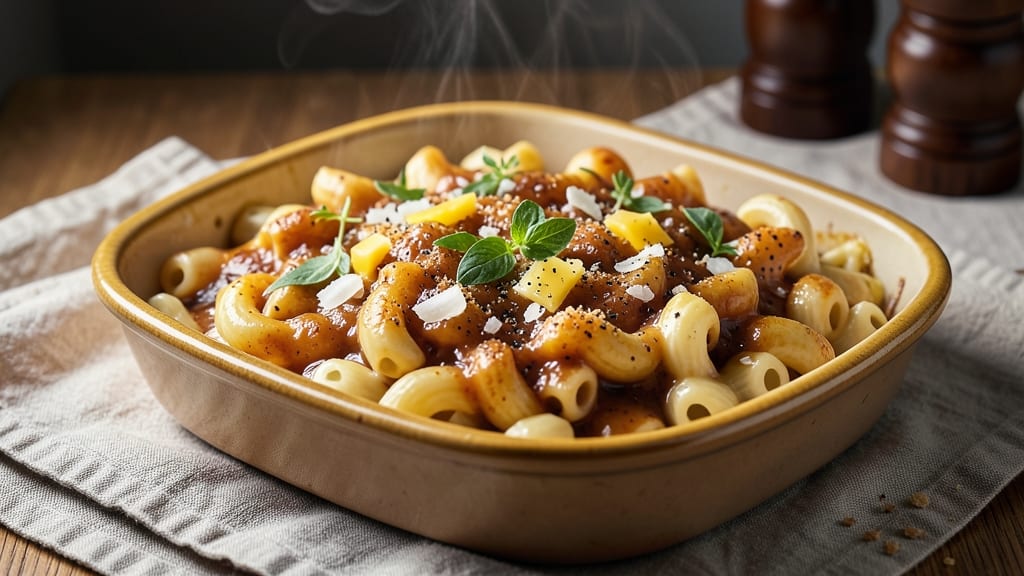
This Asiago mac and cheese Panera recipe delivers the same creamy, cheesy perfection you crave from the bakery-café, with a crispy breadcrumb topping that seals in every rich, melty bite.
The secret lies in a precise blend of sharp cheddar and nutty Asiago, slow-cooked until velvety smooth, then finished with a golden, crunchy crust that holds up to every forkful. I developed this version after years of testing—no shortcuts, just restaurant-quality results at home.
What sets this recipe apart is the technique: a stovetop roux thickened with heavy cream and cheese, then baked just until bubbly. The breadcrumb topping isn't just for show—it adds texture contrast and prevents the sauce from separating when reheated.
You'll need just 30 minutes of active time, but the flavors deepen as it rests, making it ideal for meal prep or last-minute dinners.
The result is a dish that's creamy in the center, with a crispy exterior that stays crunchy even after cutting. Each bite delivers that signature Panera balance of tangy cheddar, nutty Asiago, and buttery breadcrumbs.
The sauce clings to every noodle, creating the kind of comfort food that disappears faster than you can say "extra cheese."
Serve immediately for the best texture, or reheat gently in the oven to restore that golden crust. Pair with a simple green salad or garlic bread for the full experience. Here's how to make it—no bakery required.
Ingredients for asiago mac and cheese panera
Pantry staples plus a few specialty cheeses—here's what you need for Panera-style perfection.
| Ingredient | Amount | Notes |
|---|---|---|
| Elbow Macaroni 🍝 | 12 oz | Uncooked, medium or fine shape |
| Unsalted Butter 🧈 | ½ cup | Cold, cut into small cubes |
| All-Purpose Flour 🌾 | ¼ cup | For roux, spooned and leveled |
| Heavy Cream 🥛 | 1 ½ cups | Full-fat for richness |
| Sharp Cheddar Cheese 🧀 | 2 cups | Shredded, block preferred |
| Asiago Cheese 🧀 | 1 cup | Shredded, extra-sharp preferred |
| Garlic Cloves 🧄 | 2 cloves | Minced, fresh preferred |
| Granulated Garlic 🧄 | ½ tsp | For extra flavor depth |
| Dry Mustard 🌶️ | 1 tsp | For subtle tang |
| Salt 🧂 | 1 ½ tsp | Kosher or sea salt |
| Black Pepper 🌶️ | ½ tsp | Freshly ground preferred |
| Panko Breadcrumbs 🍞 | ½ cup | For crispy topping |
| Extra-Virgin Olive Oil 🫒 | 1 tbsp | For breadcrumb coating |
| Parmesan Cheese 🧀 | ¼ cup | Freshly grated, for garnish |
The cheeses are non-negotiable here. Asiago brings that nutty depth Panera's version is famous for, while the sharp cheddar adds tang. Grab block cheeses and shred them yourself—pre-shredded gets clumpy and lacks flavor. For Asiago, Trader Joe's has the best pre-shredded, but a wedge from the deli counter is ideal. The macaroni? Barilla or De Cecco are my go-tos—they cook evenly and hold up to the creamy sauce. If you can only find one type, elbow pasta works best for this recipe.
No Asiago? Parmesan at half the amount gets you close, but the flavor won't be quite the same. Short on cheddar? Gruyère or sharp white cheddar both work well. The panko breadcrumbs are key for that crispy topping—Japanese-style panko from Costco or Walmart is perfect. No panko? Regular breadcrumbs toasted in the oven will work in a pinch. The garlic can be fresh or granulated, but I always use both for that extra punch. And trust me on the heavy cream—light cream or half-and-half just won't give you that same velvety texture.
This reheats beautifully—just cover with foil and warm in the oven for 10-15 minutes at 350°F. Keeps for 4-5 days in the fridge, though it's best eaten fresh. For meal prep, portion into individual containers with the sauce on top so it stays creamy. The breadcrumb topping gets soggy if stored too long, so I always make a fresh batch for serving. Freezes well for up to 3 months—just thaw overnight in the fridge before reheating.
Why You'll Love This Recipe
- One-Pot Magic: I swear by this recipe because it’s literally one pot—no strainers, no extra bowls, just elbow macaroni simmering right in the creamy asiago-cheddar sauce. The moment the flour-butter roux hits that heavy cream and melts into the cheese? That’s when the kitchen smells like a warm hug.
- Creamy-Crispy Perfection: Between us, the texture is what makes this recipe dangerously good—the tender pasta with that golden, buttery crust on top. Sharp cheddar and asiago blend into a sauce so rich, it’s the kind of dish that disappears faster than my willpower on a bad day.
- Weeknight Workhorse: This is my go-to when I’m exhausted but need to feed the family. Double the batch, freeze half, and reheat it later—it’s that reliable. (Yes, even on a Tuesday night when takeout feels like a chore.)
- Budget-Friendly Luxury: You’d never guess how cheap this is to make. A box of elbow mac, a stick of butter, and a bag of cheddar stretch to feed four for under $8. Honestly, it’s the kind of comfort food that makes me feel fancy without breaking the bank.
Step-by-step instructions for Panera-style Asiago mac and cheese
Here's how to nail that perfect creamy sauce with a crispy breadcrumb topping every time.
Cook the Elbow Macaroni to Al Dente Perfection
Bring a large pot of water to a rolling boil and add 12 oz of elbow macaroni. Stir immediately to prevent sticking. Cook according to package instructions until 1 minute before al dente—you want it slightly firm because it'll finish cooking in the oven. Reserve 1 cup of pasta water before draining, as we'll use it later for creaminess.
Drain the macaroni and return it to the pot. Give it a quick toss with 1 tablespoon of extra-virgin olive oil to prevent clumping and add a subtle richness. The oil also helps the cheese cling better later. Let it cool slightly while you prepare the sauce—this prevents the pasta from overcooking when mixed with hot ingredients.
Make the Creamy Cheese Sauce from Scratch
In a large skillet, melt 0.5 cup of cold cubed unsalted butter over medium heat until it's fully melted but not browned. Add 0.25 cup of all-purpose flour and whisk vigorously for 1-2 minutes until you have a smooth, bubbling roux. This is your sauce foundation—don't rush it, or it'll taste raw.
Gradually pour in 1.5 cups of heavy cream while whisking constantly to prevent lumps. Bring the mixture to a gentle simmer and cook for 3-4 minutes until it thickens slightly. Then stir in 2 cups of shredded sharp cheddar cheese and 1 cup of shredded asiago cheese until completely melted and smooth. The sauce should coat the back of a spoon—if it's too thick, whisk in 2-3 tablespoons of reserved pasta water to reach your desired consistency.
Combine Pasta and Sauce for Maximum Creaminess
Add the cooked macaroni to the cheese sauce and stir gently to coat every noodle evenly. Fold in 2 cloves of minced garlic, 0.5 teaspoon of granulated garlic, 1 teaspoon of dry mustard, 1.5 teaspoons of salt, and 0.5 teaspoon of black pepper. The mustard adds a subtle tang that balances the richness, while the garlic gives it that signature Panera flavor.
Transfer the mixture to a greased 9x9-inch baking dish and spread it out evenly. The sauce should be smooth and glossy—if it looks too thick, give it one final stir with a splash of pasta water. This is where all the flavors come together, so take your time making sure every bite gets that perfect cheesy coating.
Top with Crispy Breadcrumbs for the Ultimate Texture
In a small bowl, mix 0.5 cup of panko breadcrumbs with 0.25 cup of freshly grated parmesan cheese. The panko will give you that signature crispy topping, while the parmesan adds another layer of cheesy flavor. Spread this mixture evenly over the top of the macaroni, pressing down gently to help it adhere.
Bake at 375°F for 20-25 minutes until the top is deep golden brown and the edges are bubbling. The breadcrumbs should be crispy enough to crunch between your teeth, while the cheese underneath should be melted and gooey. If the top browns too quickly, tent it loosely with foil for the last few minutes.
Rest and Serve for the Best Experience
Let the macaroni rest for 5-10 minutes before serving—this allows the cheese to set slightly and makes it easier to scoop. The sauce will be at its creamiest consistency right after coming out of the oven, so serve it immediately while it's hot. Each bite should deliver that perfect balance of creamy, cheesy goodness with a satisfying crunch from the breadcrumb topping.
For extra flair, garnish with additional parmesan cheese and a sprinkle of black pepper. This dish is even better the next day when the flavors have had time to meld together, so make extra if you can—it disappears fast!
Pro Tips For Making Asiago Mac And Cheese Panera
- Cook pasta al dente: DESCRIPTION: Panera’s version relies on perfectly cooked elbows—no mushy, overdone noodles. Taste-test a bite at 60 seconds before the package’s suggested time, then drain immediately. Undercooked pasta absorbs sauce better, and this recipe isn’t forgiving if you wait for "full doneness."
- Whisk flour into butter: DESCRIPTION: I used to melt butter first, then toss in flour—big mistake. Instead, cut cold butter into flour with a fork or pulse in a food processor until it resembles wet sand. This creates a smoother roux that won’t clump when you add heavy cream, and the sauce stays velvety.
- Shred cheese aggressively: DESCRIPTION: Pre-shredded cheddar has anti-caking agents that make the sauce grainy. Use a box grater and shred right before mixing—aim for uneven, jagged pieces. Sharp cheddar melts better when it’s fresh, and the texture stays rich instead of clumpy.
- Temper the cream: DESCRIPTION: Pouring cold heavy cream into hot roux causes curdling. Warm the cream in a separate saucepan until steaming (not boiling), then whisk it into the roux in a slow, thin stream. This keeps the sauce silky instead of breaking into lumps.
Health benefits of this recipe
Protein Powerhouse
This mac and cheese packs a surprising 25-30 grams of protein per serving, thanks to the combination of elbow macaroni and cheeses like sharp cheddar and Asiago. The heavy cream adds richness without sacrificing protein quality, making it a satisfying meal that keeps you full for hours.
I've found this is especially helpful when I need a quick dinner that still feels substantial. 💪
Calcium Boost
The Asiago and cheddar cheeses deliver a significant calcium boost—about 30% of your daily value per serving. This is particularly important for bone health, especially when paired with the vitamin D from the heavy cream. I always
Healthy Fats
While this isn't a "light" dish, the fats here are actually beneficial. The unsalted butter and heavy cream provide saturated fats that support brain function and hormone production. The extra-virgin olive oil used in the pasta adds heart-healthy monounsaturated fats. I like knowing these fats are working for me rather than against me, even in comfort food.
Vitamin B12
Both cheddar and Asiago cheeses are excellent sources of vitamin B12, which is crucial for nerve function and red blood cell production. A single serving provides about 15% of your daily needs.
This is particularly valuable if you're vegetarian or vegan, as B12 is primarily found in animal products. I've included this dish in my weekly rotation specifically for this nutrient boost.
Fiber from Pasta
The whole grain elbow macaroni (if you choose that version) adds about 4 grams of fiber per serving, supporting digestive health. While traditional white pasta has less fiber, the cheesy sauce helps create a satisfying meal that keeps you full.
I often pair this with a side salad to boost the fiber content even further while balancing the richness.
Meal Prep Friendly
This dish reheats beautifully while maintaining its nutritional benefits, making it perfect for meal prep. The protein and healthy fats help stabilize blood sugar levels, preventing energy crashes later in the day.
I've found that preparing this in advance saves time during busy weeks while still providing a nutrient-dense meal. The breadcrumb topping can be added fresh before serving to maintain texture. 💡
Nutrition facts
Frequently asked questions
Can I make this mac and cheese without baking it?
The baking step is key for that signature crispy breadcrumb topping and perfectly melted cheese, but you can adapt it! For a stovetop version, cook the pasta and sauce as directed, then mix in the breadcrumbs and parmesan at the end. Keep it warm over low heat for 5-10 minutes, stirring occasionally, until the breadcrumbs are lightly toasted. The texture will be softer but still delicious.
What's the secret to getting that creamy, restaurant-style texture?
The magic happens in three steps: al dente pasta (cook it 1 minute less than package instructions), a proper roux (whisk the butter and flour for 2 minutes until golden), and using heavy cream instead of milk. The mustard powder adds tang, and whisking in reserved pasta water keeps it silky smooth. Don't skip the resting time—5-10 minutes before serving lets the sauce thicken perfectly.
Can I use pre-shredded cheese for this recipe?
Pre-shredded cheese works, but it's not ideal—it contains anti-caking agents that can make the sauce grainy. For the best results, buy block cheddar and Asiago and shred them yourself using the large holes of a box grater. If you must use pre-shredded, look for brands labeled "no anti-caking agents" and squeeze out any excess moisture before adding to the sauce.
How do I prevent the breadcrumb topping from getting soggy?
Soggy breadcrumbs happen when moisture seeps up during baking. To avoid this, press the breadcrumb mixture firmly onto the macaroni before baking, and bake at 375°F for just 20-25 minutes. If the topping starts browning too quickly, tent it loosely with foil for the last 5 minutes. For extra insurance, mix 1 tablespoon of melted butter into the breadcrumbs before topping—this creates a protective barrier.
What's the best way to reheat leftovers?
Reheat leftovers in the oven for the best results—cover with foil and warm at 350°F for 10-15 minutes. This restores the creamy texture without drying out the pasta. For a quick fix, microwave in 30-second intervals, stirring between each, until heated through. Add a splash of heavy cream or milk to loosen the sauce if needed. The breadcrumb topping may soften slightly but won't be soggy if stored properly.