
Appetizers
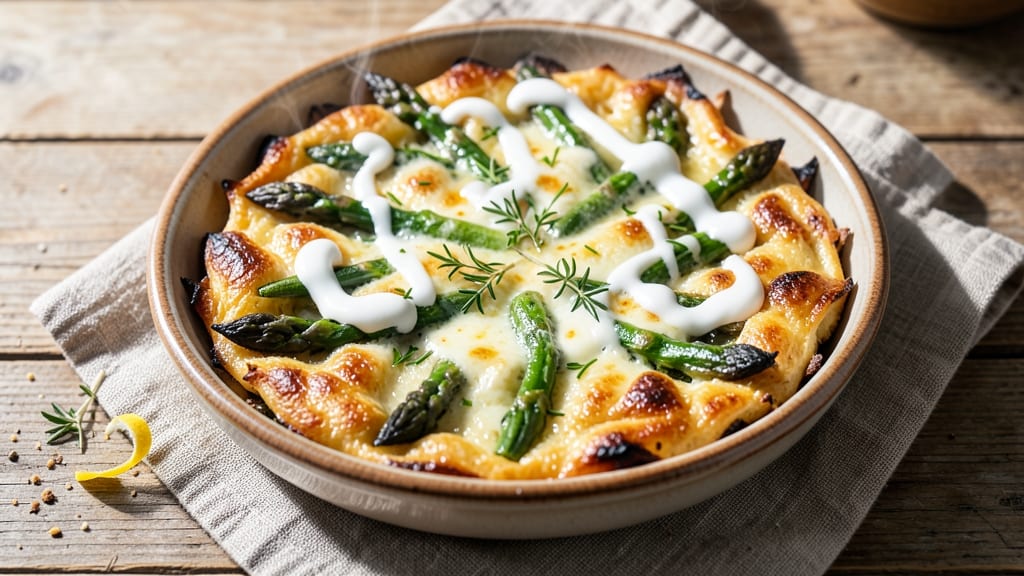
This asparagus and goat cheese frittata delivers crispy edges and herby creaminess in just 20 minutes—perfect for a satisfying vegetarian meal. The secret lies in pre-roasting the asparagus to intensify its natural sweetness while keeping the goat cheese soft and tangy.
I developed this recipe after realizing how often I reached for frittatas during spring's peak asparagus season, and it's become my go-to breakfast or brunch dish.
The beauty of this recipe is its balance: tender asparagus spears cut through the creamy goat cheese, while the crispy edges add satisfying texture.
Unlike traditional frittatas that can dry out, this version stays moist thanks to a simple technique of cooking the eggs low and slow before finishing under the broiler. The fresh herbs and lemon zest brighten every bite, making it taste like spring in a dish.
What you'll achieve is a golden, slightly crispy frittata with a perfectly set interior—no rubbery eggs here. The goat cheese melts into creamy pockets while maintaining its tangy character, and the asparagus stays tender-crisp.
It's the kind of dish that feels special but comes together with minimal effort, making it ideal for weekend brunches or weeknight dinners when you crave something hearty yet light.
Serve it warm with a simple arugula salad or crusty bread to soak up any extra cheese. The leftovers reheat beautifully too, so you can make a batch ahead for busy mornings. Let's get started on this restaurant-quality frittata that's easier than you think.
Ingredients for asparagus and goat cheese frittata
Spring's freshest ingredients meet creamy goat cheese for a frittata that's crispy on top and tender inside.
| Ingredient | Amount | Notes |
|---|---|---|
| Large Eggs 🥚 | 8 whole | Room temperature for even cooking |
| Fresh Asparagus 🌿 | 1 lb | Medium spears, trimmed ends |
| Goat Cheese 🧀 | 6 oz | Soft, crumbled variety preferred |
| Heavy Whipping Cream 🥛 | ¼ cup | Full-fat for richness |
| Fresh Chives 🌿 | ¼ cup | Finely chopped for garnish |
| Fresh Thyme Leaves 🌿 | 1 tbsp | Or 1 tsp dried thyme |
| Lemon Zest 🍋 | 1 tsp | From organic lemon |
| Extra-Virgin Olive Oil 🫒 | 2 tbsp | High-quality, fruity variety |
| Diamond Crystal Kosher Salt 🧂 | ½ tsp | For seasoning |
| Freshly Ground Black Pepper 🌶️ | ¼ tsp | Cracked peppercorns preferred |
| All-Purpose Flour 🌾 | 1 tbsp | For crispy edges |
| Unsalted Butter 🧈 | 1 tbsp | For crisping the top |
The asparagus is non-negotiable—local farmers market spears have the best flavor, but grocery store asparagus works too if it's bright green and firm. Trim the woody ends with a sharp knife, leaving about 1 inch of the tender part. For goat cheese, Whole Foods or specialty cheese shops carry the best soft varieties—look for labels that say 'fresh' or 'crumbled.' The chives? I always grab extra because they add that final herby pop. Fresh thyme is ideal, but dried works in a pinch (just use a third the amount). The lemon zest? Organic lemons have more flavor, but conventional works fine if you're careful to remove all the bitter white pith.
No goat cheese? Feta or ricotta can stand in, though the tang will be different. Short on chives? Green onions or parsley work well. The heavy cream can be swapped for half-and-half or whole milk>, though texture will be slightly lighter. For extra crispiness, sprinkle panko breadcrumbs> instead of flour on top. The olive oil matters here—California-grown brands like Corto or Pompeian> have that fruity punch that makes all the difference. Prefer less fat? Use avocado oil>, but it won't add the same richness. And if you're watching salt, reduce the kosher salt slightly since goat cheese is already tangy.
Prepped asparagus keeps 3-4 days> in the fridge, wrapped in damp paper towels. Goat cheese stays fresh for up to 1 week> if sealed properly. The frittata itself reheats beautifully—just 5 minutes at 350°F> until warmed through. I always make a double batch because it's perfect for breakfast, lunch, or even a light dinner. Store leftovers in an airtight container, and they'll stay moist for 3 days>. Freeze portions for up to 1 month> by wrapping tightly in plastic wrap before placing in a freezer bag.
Why You'll Love This Recipe
- Here’s what sold me: that first bite where the crispy asparagus tips meet the velvety goat cheese. The heavy cream keeps it rich without being heavy, and the chives add a bright finish that cuts through the richness. It’s the kind of dish that makes you go back for seconds—again—without feeling guilty.
- I’ll be real: goat cheese isn’t cheap, but a small log goes a long way here. The eggs and asparagus stretch it into multiple servings, and the cream adds richness without breaking the bank. Plus, it’s one of those dishes where the ingredients shine—no need for fancy garnishes or store-bought sauces. Just good, honest flavor.
Step-by-step instructions for asparagus and goat cheese frittata
Here's how to create a golden, crisp-edged frittata with tender asparagus and creamy goat cheese.
Prep the Asparagus and Whisk the Egg Mixture
Start by trimming the tough ends from the 1 lb fresh asparagus using a sharp knife. Cut the spears into 2-inch pieces and set aside. In a large bowl, whisk together the 8 whole large eggs until the yolks and whites are fully combined and frothy. This ensures an even texture throughout the frittata.
Add the 0.25 cup heavy whipping cream, 1 tbsp fresh thyme leaves, 1 tsp lemon zest, 0.5 tsp kosher salt, and 0.25 tsp freshly ground black pepper to the egg mixture. Whisk until everything is evenly incorporated. The lemon zest brightens the dish, while the thyme adds a subtle earthy depth. Here's the thing—whisking thoroughly prevents any separation later, so don't rush this step.
Sauté the Asparagus and Build the Frittata Base
Heat 2 tbsp extra-virgin olive oil in a 10-inch oven-safe skillet over medium heat. Add the asparagus pieces and cook for 4-5 minutes, stirring occasionally, until they're tender but still vibrant green. Remove the asparagus with a slotted spoon and set it aside.
Reduce the heat to medium-low and sprinkle the 1 tbsp all-purpose flour evenly into the skillet, letting it toast for 1 minute until lightly golden. This creates a crispy, flavorful crust that prevents sticking. Pour the egg mixture into the skillet, gently tilting to distribute it evenly. Sprinkle the 6 oz goat cheese evenly over the eggs, then scatter the cooked asparagus on top.
Cook Until Set and Develop Crispy Edges
Let the frittata cook undisturbed for 5-6 minutes until the edges begin to set and the bottom turns golden brown. This is when it starts developing that perfect crispy texture you're after. I press down gently on the frittata during the first minute—this prevents it from curling and ensures even contact with the pan.
Transfer the skillet to a 375°F preheated oven and bake for 12-15 minutes until the center is just set and the top is golden. You'll know it's ready when the edges pull away slightly from the pan and the center has a slight wobble but no liquid remains. If it looks like it needs more color, broil for 1-2 minutes at the end, keeping a close eye to avoid burning.
Finish with Butter and Fresh Herbs
Remove the frittata from the oven and let it rest for 5 minutes. Return the skillet to the stovetop over low heat and dot the top with 1 tbsp unsalted butter, letting it melt and spread evenly. This adds richness and enhances the crispy texture. Sprinkle the 0.25 cup fresh chives evenly over the top for a pop of color and fresh flavor.
Let the frittata rest for another 5 minutes before slicing. This resting period allows the goat cheese to set slightly and the flavors to meld together. Serve warm with a simple arugula salad or crusty bread. The result should be a perfectly balanced dish with crispy edges, tender asparagus, and creamy goat cheese throughout—every bite delivers on the promise of herby creaminess and that coveted crispy texture.
Pro Tips For Making Asparagus And Goat Cheese Frittata
- Pre-Cook the Asparagus: Roast the asparagus at 400°F for 12-15 minutes before adding it to the frittata—tossed in olive oil, salt, and a pinch of black pepper. This turns the spears tender and slightly caramelized, so they don’t turn to mush when baked again. (Yes, it’s an extra step, but the texture makes all the difference.)
- Whisk the Eggs Cold: Whisk the eggs straight from the fridge—cold eggs create a firmer, creamier frittata. If you’re in a hurry, chill the bowl in the freezer for 5 minutes first. Warm eggs? They’ll turn rubbery, and nobody wants that.
- Skip the Overmixing: Stir the eggs just until the yolks and whites combine—about 15 seconds. Overmixing adds air, which can make the frittata dense. Fold in the goat cheese and cream gently; rough handling = a tough crust.
- Cover with Foil Early: When the edges set but the center’s still slightly jiggly (about 8-10 minutes), tent with foil to trap steam. This keeps the goat cheese gooey and prevents the top from drying out—especially if you’re using a deep skillet. (Pro move: poke a few holes in the foil to avoid a soggy bottom.)
Make-ahead tips for leftovers
Prep Ahead Strategy
I always prep the asparagus the night before—trim the ends and store them in a sealed container with a damp paper towel. This keeps them crisp and ready to sauté in the morning. The goat cheese can be crumbled and portioned into 1.5-ounce servings in small containers, making assembly faster.
Whisk the eggs and cream mixture ahead of time and store it in the fridge for up to 24 hours—just whisk again before using. 🌿
Oven-Bake for Meal Prep
For a make-ahead batch, bake the frittata in a 9x13-inch baking dish instead of a skillet. After cooking, let it cool completely, then slice into 8 wedges. Store in an airtight container for 4 days.
Reheat individual portions in the oven at 350°F for 10 minutes to restore crispiness. This method is perfect for busy mornings or office lunches.
Freezer-Friendly Method
To freeze, bake the frittata in a skillet as directed, then cool completely. Wrap tightly in plastic wrap followed by aluminum foil to prevent freezer burn. Portion into 4 single-serving pieces and freeze for up to 1 month.
Thaw overnight in the fridge, then reheat in a skillet over medium-low heat for 5-7 minutes, adding a splash of water to maintain moisture. 🧊
Portioning for Servings
For individual servings, use a 7-inch oven-safe skillet and halve the recipe. This makes perfect single portions that reheat beautifully. I often prepare these ahead for my kids' lunches—they love the crispy edges and creamy cheese.
Store each portion in a small container with a lid to maintain freshness for 3 days in the fridge.
Herb Prep Shortcut
Chop all fresh herbs (chives and thyme) in advance and store them in small containers with a sprinkle of salt to preserve freshness. I keep these in the fridge for up to 5 days.
When ready to assemble, simply sprinkle them over the warm frittata for instant freshness. This saves 10 minutes of prep time in the morning. ✨
Broiler Finish Trick
For make-ahead frittatas, broil the top for 1-2 minutes before storing to create extra crispiness. This step adds that restaurant-quality texture without requiring fresh prep. Just be sure to watch closely—broilers can burn quickly. I always do this last thing before refrigerating or freezing. 🔥
Nutrition facts
Frequently asked questions
Can I make this frittata without goat cheese?
Swap the goat cheese for 6 oz feta (crumbled) or 8 oz ricotta (mixed with 1 egg to thicken). For a dairy-free option, use ½ cup nutritional yeast plus ¼ cup cashew cream—it won't be identical but adds a cheesy flavor. The texture will differ slightly, but it'll still be delicious.
Why does my frittata come out gummy instead of crispy?
The most common reason is overmixing the eggs or cooking at too high heat. Whisk just until combined (no stiff peaks), and cook on medium-low heat until set. For extra crispiness, broil for 1-2 minutes at the end. Also ensure your pan is properly preheated—cold pans cause uneven cooking.
What's the best way to reheat leftovers?
For crispy edges, reheat in a skillet over medium-low heat for 5-7 minutes with a splash of water. For oven reheating, cover with foil and bake at 350°F for 10 minutes, then uncover and broil for 1-2 minutes to restore crispiness. Microwaving works in a pinch but makes the edges soggy.
Can I use frozen asparagus instead of fresh?
Yes, but thaw and pat dry first to avoid excess moisture. For best results, steam frozen asparagus for 3-4 minutes until tender-crisp, then drain well. Fresh asparagus develops deeper flavor when roasted, but frozen works in a time crunch. Just reduce cooking time by 1-2 minutes in the skillet.
How do I adjust this for a larger group?
Double the recipe and use a 12-inch oven-safe skillet or 9x13-inch baking dish. For the baking dish method, spread the mixture evenly and bake at 375°F for 20-25 minutes. Divide into 8 wedges for easy serving. Pro tip: Add 1 extra egg to maintain texture when scaling up.