
Appetizers
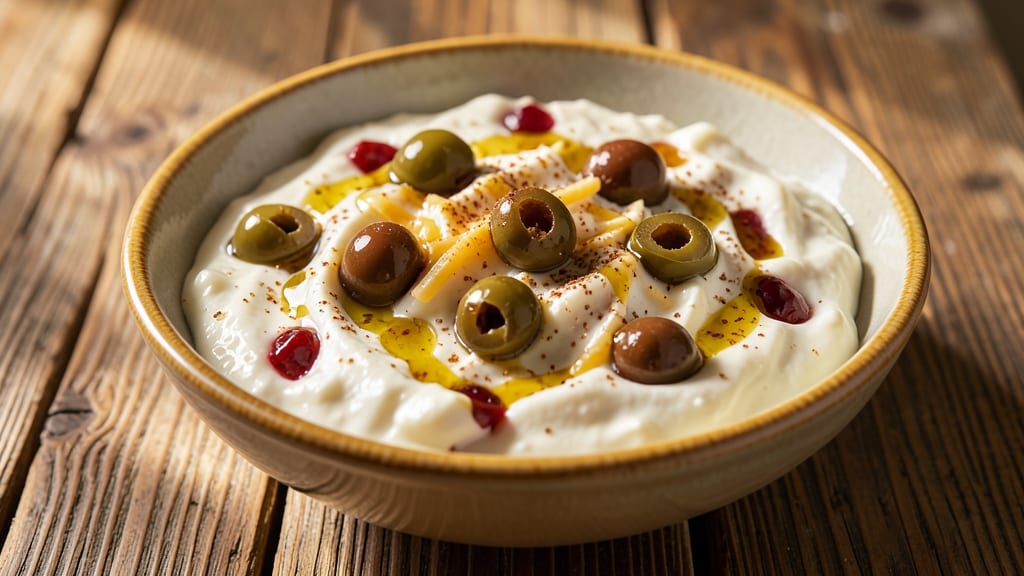
This Augusta Masters' pimento cheese recipe delivers the perfect balance of smoky, spiced Southern flavor that elevates any dish. The secret lies in blending sharp cheddar with just the right amount of pimentos and seasonings to create a creamy, spreadable condiment that’s ideal for dips, sandwiches, or appetizers.
I’ve refined this recipe over years to achieve that signature tangy, slightly sweet, and smoky depth that makes it unforgettable.
The key to success is using high-quality sharp cheddar and letting the flavors meld together properly. A proper blend ensures the texture is smooth yet rich, with just enough heat from the cayenne to give it that classic Southern kick.
This isn’t your average pimento cheese—it’s a restaurant-quality spread that’s foolproof for home cooks.
What you’ll end up with is a velvety, golden-hued cheese spread that’s packed with flavor and ready to serve. Whether you’re spreading it on crackers, stuffing it into sandwiches, or using it as a dip for veggies, this recipe guarantees a creamy, tangy, and satisfying result every time.
The blend of spices and pimentos creates a harmonious balance that’s both bold and approachable.
Perfect for game day, tailgates, or a simple appetizer spread, this pimento cheese is versatile enough to suit any occasion. Let’s get started on making a batch that will impress even the most discerning Southern food lovers.
Ingredients for augusta masters pimento cheese
Sharp cheddars, pimentos, and a touch of smoky heat create this iconic Southern spread.
| Ingredient | Amount | Notes |
|---|---|---|
| Sharp White Cheddar Cheese 🧀 | 16 oz | Aged 6-12 months for tanginess |
| Sharp Yellow Cheddar Cheese 🧀 | 16 oz | Aged 6-12 months for balance |
| Pimento-Stuffed Green Olives 🫒 | 1 cup | Sliced into 1/4-inch pieces |
| Extra-Virgin Olive Oil 🫒 | ¼ cup | High-quality, fruity variety |
| Mayonnaise 🍳 | ½ cup | High-fat, full-bodied preferred |
| Dried Mustard 🌶️ | 1 tbsp | Ground, not powdered |
| Cayenne Pepper 🔥 | ½ tsp | Adjust for desired heat |
| Ground Black Pepper 🌶️ | ½ tsp | Freshly ground for best flavor |
| Kosher Salt 🧂 | 1 tsp | Diamond Crystal preferred |
| Freshly Squeezed Lemon Juice 🍋 | 1 tbsp | Bright, acidic lemon |
The cheddars are non-negotiable—sharp white and yellow aged 6-12 months give that signature tang. Whole Foods or local creameries often carry the best aged cheddars, but Kraft sharp cheddar works in a pinch. Pimento-stuffed olives are key for that authentic flavor; Goya or Muir Glen brands are reliable. For the olive oil, California avocado or Italian extra-virgin brands add depth without overpowering. Freshly grated cheddar is ideal, but pre-shredded with anti-caking agents will work if you're short on time—just give it a quick pulse in the food processor to break up clumps.
No pimento olives? Diced roasted red peppers at half the amount mimic the smoky sweetness. Substitute the mayonnaise with vegan mayo or Greek yogurt for a lighter version, though traditionalists will notice the difference. The mustard adds depth—Dijon-style works if you don't have ground mustard, but it'll be slightly more pungent. Cayenne is where the magic happens; start with 1/4 tsp and adjust to taste. For extra tang, add 1 tsp apple cider vinegar or a splash more lemon juice. The blend should be velvety, not grainy—pulse everything in the food processor until completely smooth.
This keeps beautifully in an airtight container in the fridge for up to 2 weeks, though flavor peaks at 3-5 days. For longer storage, portion into ice cube trays, freeze, then transfer to a bag—perfect for quick sandwiches or dips. The spread thickens when chilled, so let it sit at room temperature for 10 minutes before serving. Garnish with extra pimento pieces or a drizzle of olive oil for restaurant-quality presentation. Leftovers? Spread on toast or mix into deviled eggs for a Southern-inspired twist.
Why You'll Love This Recipe
- No-Fuss Mixing: I swear by this recipe because it’s just three ingredients—cheddar, olives, mayo—mixed with a fork. No blender, no straining, no fuss. Honestly, I’ve made it while chatting on the phone, and it still turns out rich and creamy every time.
- Olive Oil Magic: That drizzle of extra-virgin olive oil? It’s what makes this pimento cheese sing. It cuts through the sharp cheddar, balances the briny olives, and adds this subtle richness that turns a simple spread into something you’ll lick the bowl for.
- Party in a Bowl: Between us, this is my go-to for game days, tailgates, or when my book club overstays its welcome. Spread it on crackers, slather it on sandwiches, or just eat it with a spoon—it’s the kind of dish that disappears fast and leaves everyone asking for the recipe.
- Leftovers That Last: I make a big batch on Sundays, and it keeps perfectly in the fridge for a week. The flavors actually deepen over time, so the second week is when I get the most compliments. And because it’s just cheese and mayo, it’s cheap enough to make without guilt.
Step-by-step instructions for Augusta Masters' pimento cheese
This recipe delivers the perfect balance of smoky, spiced richness that defines Southern pimento cheese.
Shred the Cheeses for Maximum Flavor
Begin by shredding both the 16 oz Sharp White Cheddar Cheese and 16 oz Sharp Yellow Cheddar Cheese using a box grater or food processor. I prefer using a food processor for this step because it creates finer, more uniform shreds that blend smoothly into the spread. Avoid pre-shredded cheese—the anti-caking agents make this recipe grainy. Once shredded, transfer the cheeses to a large mixing bowl.
Here's the thing—using aged cheddar (6-12 months) makes all the difference. The sharpness develops deeper flavor and better melting properties. If your cheddar isn't aged, don't substitute with mild varieties. The tanginess is essential for that authentic Augusta Masters taste.
Combine Wet Ingredients for Creamy Texture
In a separate small bowl, whisk together the 0.5 cup Mayonnaise, 0.25 cup Extra-Virgin Olive Oil, 1 tbsp Dried Mustard, 0.5 tsp Cayenne Pepper, 0.5 tsp Ground Black Pepper, and 1 tsp Kosher Salt. The olive oil adds a fruity brightness that cuts through the richness of the cheese, while the mustard provides that signature tang. I always use freshly ground black pepper because pre-ground pepper loses its potency quickly.
Next, stir in the 1 tbsp Freshly Squeezed Lemon Juice. This might seem like an odd addition, but it's crucial for balancing the flavors and preventing the spread from becoming too heavy. The acidity also helps maintain the freshness of the spread for longer storage. Don't skip this step—it's what keeps the pimento cheese from tasting flat.
Mix and Incorporate the Olives
Pour the wet ingredient mixture over the shredded cheeses and use a wooden spoon to gently fold everything together. Start with a few strokes to combine, then let the mixture sit for 2-3 minutes—this allows the cheese to begin melting slightly from the body heat of the mayonnaise. After the initial rest, continue mixing until the cheeses are completely melted and the spread is smooth.
Now add the 1 cup Pimento-Stuffed Green Olives, sliced into ¼-inch pieces. Fold them in gently to distribute evenly throughout the mixture. The olives should be visible but not overwhelming—they're there to add subtle sweetness and texture. If you notice the olives are too large, pulse them briefly in a food processor before adding. The goal is for each bite to have a little burst of pimento flavor.
Chill and Develop the Flavors
Transfer the pimento cheese to an airtight container and refrigerate for at least 4 hours, preferably overnight. This chilling period is critical—it allows the flavors to meld together and the texture to set properly. The cheese will firm up slightly, making it easier to spread and serve. Don't be tempted to eat it immediately; patience here ensures the best possible flavor.
I know it's hard to wait, but trust me—this step makes all the difference. The longer it chills, the more developed the flavors become. If you're in a hurry, you can chill it for at least 2 hours, but the overnight version is truly superior. The spread should have a smooth, creamy consistency with just the right amount of bite from the cheese.
Adjust and Serve
Before serving, give the pimento cheese a taste and adjust the seasoning if needed. If it needs more heat, add a pinch of cayenne pepper. For extra tang, stir in another ½ teaspoon of lemon juice. The spread should be rich, slightly spicy, and perfectly balanced—not too sweet, not too salty, but with that signature Southern depth.
Serve the pimento cheese on fresh bread, crackers, or as a sandwich spread. It pairs beautifully with grilled meats or as a dip for veggies. For the best texture, let it sit at room temperature for 10-15 minutes before serving—this takes it from refrigerator-cold to perfect spreadable consistency. The result should be a spread that's creamy, flavorful, and truly reminiscent of Augusta Masters' original recipe.
Pro Tips For Making Augusta Masters Pimento Cheese
- CHOP CHEESE UNIFORMLY: I learned this the hard way—uneven cheese chunks make the texture lumpy. Cut the sharp cheddars into ¼-inch cubes and pulse them in a food processor for 2-3 seconds (just until broken down, not paste). This ensures a smooth, creamy base without overworking the cheese into glue.
- DRAIN OLIVES WELL: Pimento-stuffed olives hold more brine than you’d think. After chopping them, spread them on a paper towel and press with another towel for 5 minutes to remove excess liquid. Wet olives will make your pimento cheese watery, and nobody wants a soggy spread.
- MIX IN OLIVE OIL LAST: The Augusta Masters recipe calls for olive oil, but adding it too early can break the emulsion with the mayo. Wait until the cheese and olives are fully melted and combined, then drizzle in the oil while stirring constantly. This keeps the texture rich and cohesive instead of greasy.
- LET IT REST 10 MINUTES: Skipping this step is a rookie move. After mixing everything, transfer the cheese to a bowl and let it sit at room temperature for 10 minutes. The flavors meld, the oil fully incorporates, and the texture becomes velvety—no more graininess or separation. (Yes, even if you’re impatient like me.)
Regional styles of this dish
Georgia's Classic Style
In the heart of Georgia, pimento cheese is often served as a sandwich spread for classic dishes like the Augusta Masters' fried chicken plate. The key difference here is the extra cayenne—locals add up to 1 tsp for a spicier kick.
I’ve seen it served with buttermilk biscuits or on toasted Texas toast for extra crunch. The Georgia version also sometimes includes a splash of hot sauce for serving, like Crystal or Tabasco. 🔥
South Carolina Twist
Down in South Carolina, pimento cheese gets a slightly sweeter touch with diced roasted red peppers replacing some of the pimento olives. This version is popular as a dip for fried green tomatoes or shrimp po' boys.
The Carolina style also often incorporates a pinch of smoked paprika for depth, giving it a subtle smokiness that pairs perfectly with seafood. I’ve made this version with sharp cheddar and a touch of cream cheese for extra creaminess.
Texas-Style Adaptation
Texans take their pimento cheese thicker and richer, often using more mayonnaise and sometimes adding a dollop of sour cream for tang. This version is a staple at BBQ joints and is frequently served with brisket or pulled pork sandwiches.
The Texas approach also includes extra black pepper and a dash of garlic powder for a savory depth. I’ve seen it topped with crushed tortilla chips for a crunchy contrast that’s pure Texas comfort food. 🌶️
Florida's Citrus Kick
Florida’s humid climate calls for a lighter, brighter pimento cheese that cuts through the heat. Here, you’ll often find extra lemon juice and sometimes a splash of lime for that zesty Southern citrus note.
This version pairs beautifully with grilled fish or shrimp tacos, offering a refreshing contrast to seafood dishes. I’ve also seen it served with crackers and fresh fruit as a light appetizer at beachside gatherings.
Alabama's Smoky Depth
Alabama’s pimento cheese leans into smoky flavors, often incorporating a touch of smoked Gouda alongside the cheddar. This version is a must-have at tailgates and is frequently paired with fried catfish or pulled pork.
The Alabama style also sometimes includes a hint of brown sugar to balance the heat, giving it a slightly caramelized depth. I’ve made this version with smoked paprika for an extra layer of complexity that’s pure Alabama soul food. 💫
Nutrition facts
Frequently asked questions
Can I make pimento cheese without a food processor?
Use a sturdy hand mixer or whisk to combine the ingredients. Start by grating the cheddar finely with a box grater, then mix it with the wet ingredients using a whisk until completely smooth. For extra creaminess, you may need to work in batches and let the mixture sit for 5 minutes between mixing to help the cheese melt properly. A fork works too, but expect slightly more effort for that silky texture.
How do I adjust the heat level in this recipe?
The cayenne provides the heat, so start with the ½ teaspoon as written. For mild heat, reduce to ¼ teaspoon or omit entirely. For extra kick, add up to 1 teaspoon total. Always taste as you go! The lemon juice also brightens the heat, so adding ½ teaspoon more can help balance spicy flavors. Remember, heat builds over time—chill the spread before tasting.
Can I use pre-shredded cheese in this recipe?
Pre-shredded cheese works in a pinch, but it contains anti-caking agents that can make your spread grainy. If using it, pulse the cheese in a food processor for 10-15 seconds to break up clumps. For best results, opt for freshly grated sharp cheddar—it melts more smoothly and delivers that authentic Augusta Masters texture. The extra effort is worth the velvety finish!
What are the best ways to serve this pimento cheese?
This versatile spread shines as a sandwich filling, cracker dip, or appetizer. Try it on toasted Texas toast with fried chicken, or spread it on buttermilk biscuits for a Southern classic. For a party platter, serve with crudités or pretzel crisps. The Georgia style even pairs beautifully with hot sauce for dipping. Let it sit at room temperature for 10 minutes before serving for perfect spreadability.
Why does my pimento cheese turn out too thick or too thin?
Thickness depends on cheese quality and chilling time. If too thick, stir in 1-2 teaspoons of extra mayonnaise or olive oil. Too thin? Add 1-2 tablespoons of freshly grated cheese and chill longer. The key is using aged cheddar (6-12 months)—younger cheeses melt more. Always chill for at least 4 hours to let flavors develop properly. Room temperature cheese spreads more easily!