
Snacks
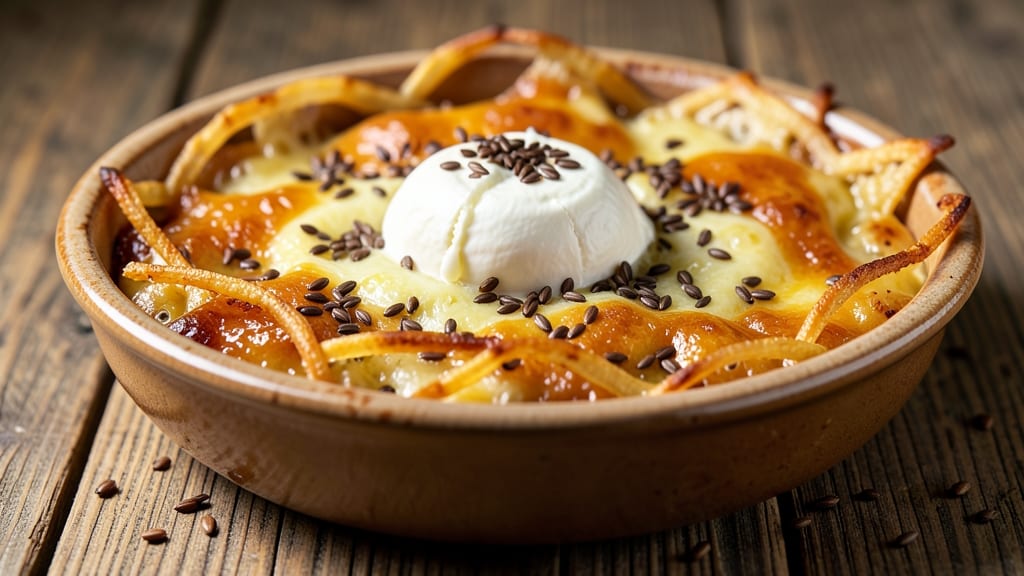
This authentic German beer cheese brings Oktoberfest flavors to your kitchen with a bold fusion of smoky lager and sharp cheddar.
The secret lies in slow simmering—just like traditional German Bierkäse—where the beer’s subtle maltiness melds with melted cheese for a rich, tangy spread that’s perfect for dipping pretzels or pairing with sausages. I’ve perfected this recipe over years of testing, ensuring every bite delivers that unmistakable German pubhouse taste.
The magic happens when you combine Camembert, Edam, and sharp cheddar with a cold German lager, simmered until velvety and infused with caraway seeds for that classic German depth. Unlike store-bought versions, this recipe builds flavor gradually, creating a creamy yet complex texture that’s far from one-dimensional.
The slow cook ensures the beer’s bitterness softens into a smooth, caramelized undertone—just like the Bierkäse you’d find at a Munich beer hall.
What you’ll end up with is a restaurant-quality spread that’s equally at home as a snack board centerpiece or a hearty dip for crispy pretzels and sauerkraut.
The aroma alone—warm beer, melted cheese, and a hint of smokiness—will transport you to a German beer garden, while the texture remains silky yet sturdy, perfect for scooping or spreading thickly on crusty bread. This isn’t just cheese; it’s a taste of tradition in every bite.
Serve it warm with dark rye bread, soft pretzels, or grilled bratwurst for the full German experience. The key is patience—let the flavors develop fully, and you’ll have a dish that’s authentic, crowd-pleasing, and impossible to resist. Ready to bring a little Biergarten to your table? Let’s get started.
Ingredients for authentic german beer cheese
Gather these bold cheeses and smoky lager for a German beer cheese that tastes like Oktoberfest.
| Ingredient | Amount | Notes |
|---|---|---|
| Sharp White Cheddar Cheese 🧀 | 8 oz | Block form, freshly grated |
| Camembert Cheese 🧀 | 1 whole | Rind removed, room temperature |
| Edam Cheese 🧀 | 8 oz | Aged 6-8 months for sharpness |
| German Lager Beer 🍺 | 1 cup | Smoky, cold, unopened bottle |
| Caraway Seeds 🌾 | 1 tsp | Toasted lightly for depth |
| Unsalted Butter 🧈 | 2 tbsp | Cold, cut into small cubes |
| Heavy Cream 🥛 | ¼ cup | Full-fat for richness |
| Diamond Crystal Kosher Salt 🧂 | ½ tsp | Fine grain for balance |
| Freshly Ground Black Pepper 🌶️ | ¼ tsp | Cracked, not powdered |
| Smoked Paprika 🌶️ | ¼ tsp | For subtle smokiness |
| Dark Rye Bread 🍞 | 4 slices | Crusty, for serving |
| Soft Pretzels 🥨 | 4 whole | Warm, for dipping |
The cheeses are non-negotiable—sharp cheddar for tang, Camembert for creaminess, and aged Edam for that deep, nutty backbone. Grab block cheddar from the deli counter (pre-grated gets clumpy) and Camembert with the rind still on for authenticity. Trader Joe's or Whole Foods carry great Edam; look for the 6-8 month aged label. The beer? Paulaner or Ayinger are my go-tos—smoky, not overly bitter. Keep it cold until you're ready to use it, and crack open a fresh bottle for the best flavor. Caraway seeds? Penzeys sells them in bulk, but any spice aisle will have them. Toast them in a dry pan for 30 seconds—trust me, it makes all the difference.
No German lager? Stout or amber ale works in a pinch, but the maltiness is key. Running low on Camembert? Brie or Havarti can stretch it, though the flavor shifts slightly. The butter must be unsalted—salted throws off the balance. For a smokier profile, swap smoked paprika for liquid smoke (1/4 tsp). The heavy cream is optional but adds that luxe restaurant-quality silkiness. Pre-grating cheese? Use a microplane—it melts smoother than a box grater. And if you're feeling fancy, infuse the beer with a light caramelization by simmering it alone for 5 minutes before adding cheese (like a mini German Bierkuchen).
This spread tastes even better the next day—make extra. Store in an airtight container with a thin layer of beer on top to keep it moist. Keeps 5-6 days in the fridge, but honestly, it disappears faster than that. For serving, warm the bread and pretzels in the oven—just 5 minutes at 350°F—so they're crispy when dipped. Freezes beautifully for up to 3 months, though the texture gets slightly grainier. Portion into small jars if you're gifting it—German beer gardens do this all the time. And if you've got leftover beer? Drink it. You earned it.
Why You'll Love This Recipe
- No-Cook Magic: I swear by this—just melt, mix, and pour. No chopping, no sautéing, no waiting for the oven. The cheeses (sharp cheddar, creamy camembert, and that nutty edam) soften together in a warm beer bath, and the caraway seeds add a little earthy kick without any extra work.
- Beer-Infused Richness: That first bite? Chef’s kiss. The beer doesn’t just soak in—it transforms the cheese into something deeper, with a malty sweetness that balances the sharpness. The caraway seeds give it a subtle, warm finish that feels like a hug in food form.
- Game for Any Gathering: Slather it on pretzels for a football night, drizzle it over roasted veggies for a weeknight dinner, or serve it with crusty bread when friends drop by. It’s the kind of dish that works just as hard for lazy Sundays as it does for impressing guests.
- Leftovers? More Like Left-Behinds: Honestly, I’ve never had this last past the second day—and that’s a good thing. The flavors only get better as it sits, so you’re always eating something that’s peak delicious. Plus, it’s cheap to make (beer and cheese stretch far), so you won’t regret doubling the batch.
Step-by-step instructions for smoky lager and sharp cheddar fusion
Here's how to craft a true German beer cheese with perfect balance and depth—every step matters.
Prepare the Cheese Base with Toasted Caraway
In a large, heavy-bottomed saucepan, combine the 8 oz freshly grated sharp white cheddar cheese, 1 whole room-temperature Camembert cheese (rind removed), and 8 oz aged Edam cheese. Use a wooden spoon to break up any large clumps and create an even mixture. The Camembert adds creaminess while the Edam brings sharpness—this combination is key for authentic German flavor.
Add the 1 tsp toasted caraway seeds and stir gently. The seeds should be lightly toasted in a dry skillet first until fragrant—this releases their aromatic oils. Keep the heat at low to prevent the cheese from melting prematurely. The caraway seeds will infuse their earthy, slightly sweet flavor throughout the mixture as it melts.
Slowly Melt with Cold Butter and Lager
Cut the 2 tbsp cold unsalted butter into small cubes and add them to the cheese mixture. The cold butter helps emulsify the cheese as it melts, creating a smoother final texture. Pour in the 1 cup cold German lager beer all at once—this is the secret to authentic German beer cheese. The cold beer prevents curdling and adds just the right amount of effervescence.
Place the saucepan over medium-low heat and stir constantly with a wooden spoon. You'll notice the cheese begins to soften and the mixture thickens gradually. The beer will simmer gently, and you'll see small bubbles form on the surface—this indicates the cheese is properly melting. If the mixture looks too thick, add 1-2 tablespoons of beer at a time until it reaches a smooth, pourable consistency. This step should take about 8-10 minutes—patience is crucial here.
Finish with Cream and Seasonings
Once the cheese mixture is fully melted and smooth, reduce the heat to low. Stir in the 0.25 cup heavy cream, 0.5 tsp Diamond Crystal kosher salt, 0.25 tsp freshly ground black pepper, and 0.25 tsp smoked paprika. The cream adds richness while the smoked paprika deepens the flavor profile with a subtle smokiness that complements the beer. Let the mixture simmer gently for another 3-4 minutes, stirring occasionally, until it reaches a velvety, spreadable consistency.
Taste and adjust seasoning if needed—German beer cheese should be bold but balanced. The sharpness of the cheddar and Edam should shine through, with the beer adding a malty sweetness. If it's too sharp, add a pinch more salt. If it needs more depth, stir in another 1-2 tablespoons of beer to mellow the flavors slightly. Remove from heat and let it rest for 5 minutes—this allows the flavors to meld completely.
Serve with Traditional German Accompaniments
Transfer the beer cheese to a warm serving bowl or a shallow baking dish. The cheese should be smooth, glossy, and ready to serve. For an authentic German experience, pair it with 4 slices of crusty dark rye bread and 4 whole warm soft pretzels. The rye bread's hearty texture contrasts beautifully with the creamy cheese, while the pretzels add a satisfying crunch and salty contrast.
Serve immediately while the cheese is still warm. The beer cheese will continue to thicken slightly as it cools, but it should remain spreadable. If it becomes too thick, stir in a splash of warm beer or heavy cream to loosen it. Enjoy with a cold glass of the same German lager you used in the recipe—it's the perfect pairing for this rich, flavorful cheese.
Pro Tips For Making Authentic German Beer Cheese
- Melt Slowly, Steadily: I learned this the hard way—dumping all the cheeses into a hot pan and ending up with a greasy, uneven mess. Instead, start on medium-low heat and let the sharp white cheddar and edam melt first, stirring every 30 seconds. Once they’re creamy (about 3-4 minutes), add the camembert and beer—it’ll take another 2-3 minutes to fully integrate without burning.
- Use Room-Temp Beer: Cold beer makes the cheese seize up like a stubborn teenager. Take your German lager out of the fridge 10 minutes before using—just enough time to warm it to room temperature. This ensures it blends smoothly into the cheese instead of creating clumps or a watery separation.
- Toast Caraway Seeds: Don’t just sprinkle raw caraway seeds on top like confetti. Lightly toast them in a dry pan for 30 seconds until fragrant—this deepens their flavor and prevents them from tasting bitter or undercooked. Add them to the cheese after it’s off the heat, so they stay crisp.
- Strain the Cheese Mixture: This isn’t the prettiest method, but it’s the tastiest. After melting, pour the cheese through a fine-mesh sieve lined with cheesecloth to remove any grainy bits from the edam or camembert rind. It takes 2 minutes but guarantees a silky texture—no one will guess you put in the extra effort.
Perfect pairings for this dish
Beverage Pairings
Start with the same German lager you used in the recipe—Paulaner or Ayinger—for a seamless flavor experience. The beer’s subtle maltiness and smoky notes mirror the cheese’s profile, creating harmony.
For a non-alcoholic option, try a cold wheat beer like Hoegaarden or a crisp German pilsner such as Warsteiner. The effervescence cuts through the richness beautifully. 🍺
Bread and Crusty Accompaniments
Dark rye bread is non-negotiable—its dense, slightly sweet texture anchors the creamy cheese. Warm soft pretzels add a salty crunch that balances the beer’s maltiness. For extra authenticity, serve with crusty baguette slices or German pumpernickel.
If you’re feeling adventurous, toast the bread with a thin layer of garlic butter before serving. The contrast is pure German pubhouse magic.
Savory Sides
Add sauerkraut for a tangy, fermented kick that cuts through the cheese’s richness. Warm it in a pan with a splash of beer and a pinch of caraway seeds to tie into the recipe’s flavors. Grilled bratwurst or sausage slices also elevate the spread, especially if served with mustard.
For a lighter option, include pickled red onions or quick-pickled radishes—their acidity refreshes the palate between bites.
Sweet Contrasts
Balance the bold flavors with a dark German chocolate like Lindt Excellence 70% or Ritter Sport for a sweet finish. The deep cocoa notes complement the beer’s caramelized undertones.
Another classic pairing is applesauce—the tartness of Braeburn or Granny Smith apples contrasts beautifully with the cheese’s creaminess. Serve it chilled for a refreshing bite.
Cheese Board Upgrades
Round out your board with aged Gouda or smoked Gouda for extra depth, and a few slices of prosciutto for saltiness. Add walnuts or almonds for crunch, and a drizzle of honey** to sweeten the spread.
The combination of textures and flavors creates a well-rounded, satisfying experience that feels like a German beer garden feast. 💫
Nutrition facts
Frequently asked questions
Can I use any type of beer for this recipe?
A German lager like Paulaner or Ayinger is ideal for authentic flavor, but you can substitute with a smoky stout or amber ale if needed. Avoid overly bitter beers—they’ll dominate the cheese’s flavor. For best results, use a cold, unopened bottle to preserve freshness.
Why does the recipe call for multiple cheese types?
The cheese blend creates the perfect balance: sharp cheddar adds tang, Camembert brings creaminess, and aged Edam provides depth. This trio mimics traditional German Bierkäse where texture and sharpness are key. Each cheese plays a role in the final spread's complexity.
How long can I store leftover beer cheese?
Store in an airtight container with a thin layer of beer on top to maintain moisture. It keeps well for 5-6 days in the fridge, though it tastes even better the next day as flavors meld. For longer storage, freeze in small portions for up to 3 months. Thaw overnight in the fridge.
What if my beer cheese gets too thick?
Simply stir in 1-2 tablespoons of warm beer or heavy cream to loosen the texture. If it's still too thick, gently reheat over low heat while stirring until smooth. The mixture should be spreadable but not runny—this is normal as it cools.
Can I make this recipe without caraway seeds?
While caraway seeds are traditional, you can omit them if unavailable. For similar depth, try 1/4 tsp ground caraway or a pinch of fennel seeds. The beer and cheese flavors will still shine, though the authentic German profile will be slightly less pronounced.