
Appetizers
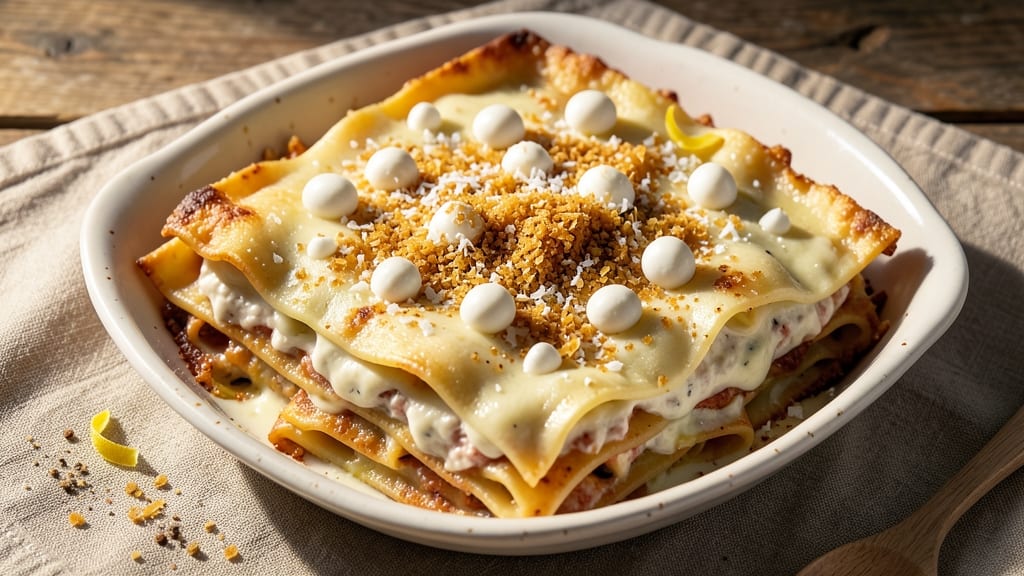
This authentic Italian cheese lasagna recipe brings the soul of a Roman trattoria to your kitchen with layers of creamy béchamel, rich ricotta, and melted mozzarella—each bite a symphony of textures and flavors.
The secret lies in slow-baked layers that transform tender lasagna noodles into al dente perfection while the cheeses meld into a velvety blanket. I’ve perfected this version over years, ensuring every forkful delivers the depth of tradition without sacrificing modern convenience.
What sets this lasagna apart is the béchamel sauce, a cornerstone of Italian lasagna that binds the layers with a silky, golden richness. Combined with a blend of Parmigiano-Reggiano, pecorino, and fresh mozzarella, it creates a cheese sauce that’s both luxurious and authentically Italian.
The noodles stay al dente—never mushy—thanks to a precise baking time of 40–50 minutes at 350°F, ensuring a crispy, golden edge that adds texture contrast.
The assembly is where the magic happens: thinly spread béchamel between layers of ricotta and mozzarella, then topped with a final sauce layer for that signature bubbly finish. This method guarantees restaurant-quality results at home, with each slice offering a harmonious balance of creamy, cheesy, and slightly crispy elements.
Serve with a crisp side salad and warm garlic bread for the full Italian dining experience.
For those short on time, store-bought no-boil lasagna noodles work perfectly—just adjust the baking time slightly. The key to success? Patience in layering and baking, ensuring every bite is as comforting as it is authentic. Let’s get started on this timeless classic.
Ingredients for authentic italian cheese lasagna
Authentic Italian lasagna demands quality cheeses and precise layering for restaurant-style perfection.
| Ingredient | Amount | Notes |
|---|---|---|
| Lasagna Noodles 🍝 | 12 sheets | No-boil preferred for convenience |
| Ricotta Cheese 🧀 | 2 cups | Whole-milk for creaminess |
| Parmigiano-Reggiano Cheese 🧀 | 2 cups | Freshly grated, block form |
| Pecorino Romano Cheese 🧀 | ½ cup | Shredded for sharp contrast |
| Fresh Mozzarella Cheese 🧀 | 1 ½ cups | Low-moisture, sliced thin |
| Unsalted Butter 🧈 | ½ cup | Cold for béchamel roux |
| All-Purpose Flour 🌾 | ½ cup | For béchamel base |
| Whole Milk 🥛 | 2 cups | Warmed for smooth texture |
| Garlic Cloves 🧄 | 4 cloves | Minced for béchamel depth |
| Nutmeg 🌿 | ¼ tsp | Freshly grated for warmth |
| Salt 🧂 | 1 ½ tsp | Kosher or sea salt |
| Black Pepper 🌶️ | ½ tsp | Freshly ground preferred |
| Marinara Sauce 🍅 | 2 ½ cups | San Marzano tomatoes preferred |
| Fresh Basil Leaves 🌿 | ¼ cup | Chopped for garnish |
The cheeses are non-negotiable for authentic flavor. Parmigiano-Reggiano must be freshly grated from a block—pre-grated lacks the depth. Pecorino Romano adds sharpness that cuts through the creaminess. For ricotta, whole-milk delivers richer texture than part-skim. Mozzarella should be low-moisture to prevent soggy layers. Whole Foods or Italian specialty stores carry the best selections. The lasagna noodles? No-boil saves time, but traditional dried noodles yield superior texture if you're patient. Always check the package for baking time adjustments.
No fresh basil? Dried oregano at half the amount works in a pinch, though it lacks the bright aroma. Short on pecorino? Extra Parmigiano-Reggiano compensates, though the flavor profile shifts slightly. The béchamel requires precise technique—cold butter and gradual whisking prevent lumps. For the marinara, San Marzano canned tomatoes are the gold standard, but quality jarred brands like Rao's work well. Nutmeg is essential here—freshly grated makes a noticeable difference. If you're using store-bought béchamel, add an extra pinch of nutmeg and salt to bridge the flavor gap.
Assembled lasagna keeps 3-4 days in the fridge, but reheating can dry it out. For best results, reheat covered at 350°F for 15-20 minutes with a splash of milk to restore moisture. Freezes beautifully for up to 3 months—wrap tightly in foil before plastic to prevent freezer burn. Leftovers transform into lasagna soup by simmering with vegetable broth and adding extra cheese. Always bake in a 9x13-inch pan for proper layer distribution.
Why You'll Love This Recipe
- No-Sauce Struggle: I swear by this version because you skip the messy marinara—just layered cheeses and a splash of pasta water. The ricotta and mozzarella melt into that perfect, stretchy blanket, while the Pecorino adds a sharp bite that cuts through the richness. (Between us, my kids don’t even notice it’s not "traditional.")
- Cheese Overload Joy: That combo of Parmigiano-Reggiano and Pecorino? It’s like a salty, umami hug in every bite. The ricotta keeps it creamy, but the fresh mozzarella pulls it all together with that gooey, pull-apart texture. Honestly, I’ve made lasagna before, but this one actually makes me want seconds.
- Weeknight Hero: Assemble it while dinner burns, or make it Sunday night for leftovers that taste just as good reheated. The noodles stay al dente if you bake it right, and the cheese layers hold together like a dream—no soggy bottoms here. (Yes, even on a Tuesday night.)
- Budget-Friendly Luxury: You’re getting all the fancy Italian cheeses without breaking the bank—just a block of Parmigiano, a wedge of mozzarella, and a tub of ricotta. It stretches to feed six but feels like a restaurant dish. My daughter picks out the best slices, but still asks for more. That’s the real win.
Step-by-step instructions for authentic Italian cheese lasagna
Here's the traditional method that delivers restaurant-quality lasagna with perfect texture and layered richness.
Prepare the Béchamel Sauce
In a medium saucepan, melt the 0.5 cup unsalted butter over medium heat until foaming. Whisk in the 0.5 cup all-purpose flour and cook for 1-2 minutes until the mixture forms a smooth, golden roux with no raw flour taste. This forms the base of our béchamel.
Gradually whisk in the 2 cups whole milk while maintaining medium heat. Stir continuously for 5-7 minutes until the sauce thickens enough to coat the back of a spoon. Add the 4 minced garlic cloves, 0.25 tsp nutmeg, 1 tsp salt, and 0.25 tsp black pepper, stirring until fully incorporated. Remove from heat and set aside—this sauce should be smooth and velvety, not grainy.
Assemble the Cheese Mixture
In a large bowl, combine the 2 cups ricotta cheese with 1 cup parmigiano-reggiano cheese (reserve the remaining 1 cup for layering). Add 0.5 tsp salt and 0.25 tsp black pepper, mixing until smooth. Fold in 1 cup of the béchamel sauce and mix well. The ricotta should be light and airy—this creates the signature creamy texture between lasagna layers.
In a separate bowl, shred the 1.5 cups fresh mozzarella cheese into thin, even strips. This low-moisture mozzarella will melt beautifully without making the lasagna soggy. Keep both mixtures ready for layering—we'll use them immediately to maintain texture.
Layer the Lasagna with Precision
Spread 1 cup marinara sauce on the bottom of a 9x13-inch baking dish. Place 4 lasagna noodles (no-boil preferred) side by side, slightly overlapping if needed. Spread half of the ricotta mixture evenly over the noodles, followed by half of the mozzarella strips. Sprinkle with the remaining 1 cup parmigiano-reggiano cheese.
Repeat with another layer of 1 cup marinara sauce, 4 lasagna noodles, remaining ricotta mixture, and remaining mozzarella. Top with a final layer of 4 lasagna noodles and the remaining 1 cup marinara sauce. Press down gently on each layer to ensure proper contact—this prevents air pockets and ensures even cooking.
Bake to Golden Perfection
Cover the baking dish tightly with aluminum foil and bake at 375°F for 30 minutes. Remove the foil and bake for an additional 10-15 minutes until the top is golden brown and bubbly. The edges should be crisp while the center remains slightly soft—this indicates perfect doneness.
Let the lasagna rest for 15-20 minutes before slicing. This resting period allows the layers to set and prevents a runny lasagna. Garnish with 0.25 cup chopped fresh basil leaves just before serving. Each slice should reveal distinct layers of al dente noodles, creamy ricotta, and melted mozzarella—this is the hallmark of authentic Italian lasagna.
Pro Tips For Making Authentic Italian Cheese Lasagna
- Preheat That Pan: The lasagna dish needs to go into a scorchingly hot oven—think 375°F (190°C) for 15 minutes before adding it. I learned this the hard way: a lukewarm oven means a soggy bottom layer where the noodles turn to mush instead of crisping up.
- Drain Ricotta Like a Pro: Pat that ricotta dry with paper towels—seriously, squeeze out every bit of moisture. Wet ricotta makes your layers gloppy, and no one wants a lasagna that slides off the plate. (Yes, even if you’re impatient like me.)
- Layer Cheese in Order: Start with ricotta on the bottom, then mozzarella, and finish with a sprinkle of Pecorino-Reggiano mix. The ricotta binds the layers, mozzarella melts like a dream, and the Pecorino adds that sharp, salty kick at the end—don’t skip the order.
- Bake It Covered First: Foil traps steam for the first 20 minutes—this guarantees the noodles cook through without drying out. After that, uncover and let it brown for 10-15 minutes. (Your future self will thank you when it’s not a chewy brick.)
Best sauces and condiments for these flavors
Béchamel Mastery
The béchamel sauce is the heart of this lasagna, and nailing it makes all the difference. For extra richness, I melt 2 tbsp unsalted butter separately and stir it into the finished béchamel—this adds a luxurious depth.
If your sauce thickens too much, whisk in 1 tbsp warm milk to restore smoothness. For a nutty twist, add ½ tsp toasted pine nuts to the roux before adding milk. 🔥
Marinara Magic
Use a high-quality marinara that balances acidity and sweetness—Rao's Traditional San Marzano Tomato Sauce is my go-to. For depth, simmer 1 tbsp tomato paste with 1 tsp dried oregano and ½ tsp red pepper flakes for 5 minutes before mixing into your sauce.
If your marinara is too acidic, balance it with 1 tsp sugar or a pinch of baking soda (just a pinch!).
Cheese Upgrades
For a gourmet touch, fold ½ cup burrata into the ricotta mixture before layering—it adds creaminess and a buttery note. Swap ¼ cup pecorino for Parmigiano-Reggiano in the final layer for extra sharpness.
If you love umami, sprinkle 1 tbsp nutritional yeast over the top before baking for a cheesy, nutty aroma. 🧀
Sauce Layering
Don’t skip the sauce between layers—it prevents sticking and adds moisture. For extra flavor, mix 1 tbsp olive oil into your marinara before spreading. If your lasagna seems dry after baking, brush the top with 2 tbsp warm milk and broil for 2 minutes to restore moisture.
A drizzle of balsamic glaze before serving adds a tangy contrast.
Finishing Touches
Garnish with fresh basil leaves and a sprinkle of flaky sea salt right before serving. For a smoky note, top with crumbled pancetta or crispy prosciutto in the final minutes of baking. A squeeze of lemon juice over the sauce brightens flavors if your cheese gets too rich. 💫
Nutrition facts
Frequently asked questions
Can I use regular mozzarella instead of fresh mozzarella?
Fresh mozzarella is ideal for its meltability, but you can substitute low-moisture shredded mozzarella in a pinch. Avoid pre-shredded mozzarella with anti-caking agents—it won't melt smoothly. For best results, shred your own block mozzarella into thin strips.
Why does my lasagna turn out soggy?
Soggy lasagna usually means too much moisture or underbaked layers. Use no-boil noodles and avoid overloading cheese between layers. Bake uncovered for the last 10-15 minutes to crisp the top. For extra insurance, spread a thin layer of béchamel on the final noodle layer before baking.
Can I make this lasagna ahead of time?
Assemble the lasagna up to 24 hours ahead and refrigerate uncovered. Bake straight from the fridge, adding 10-15 extra minutes at 375°F. For freezing, bake first, then cool completely before wrapping tightly in foil. Freeze for up to 3 months—reheat covered at 350°F for 20 minutes with a splash of milk.
What's the difference between this and a meat lasagna?
This is a pure cheese lasagna (no meat), relying on ricotta, mozzarella, and Parmigiano-Reggiano for richness. Meat lasagnas typically include ground beef or Italian sausage layered between noodles. The cheese version is lighter but equally satisfying—ideal for vegetarians or those preferring a milder flavor.
How do I get crispy edges without drying out the center?
Bake at 375°F for the full 40-50 minutes, then broil for 2-3 minutes at the end. For extra crispiness, spread a thin layer of béchamel on the final noodle layer before baking. Avoid overcrowding the pan—use a 9x13-inch dish for proper air circulation.