
Appetizers
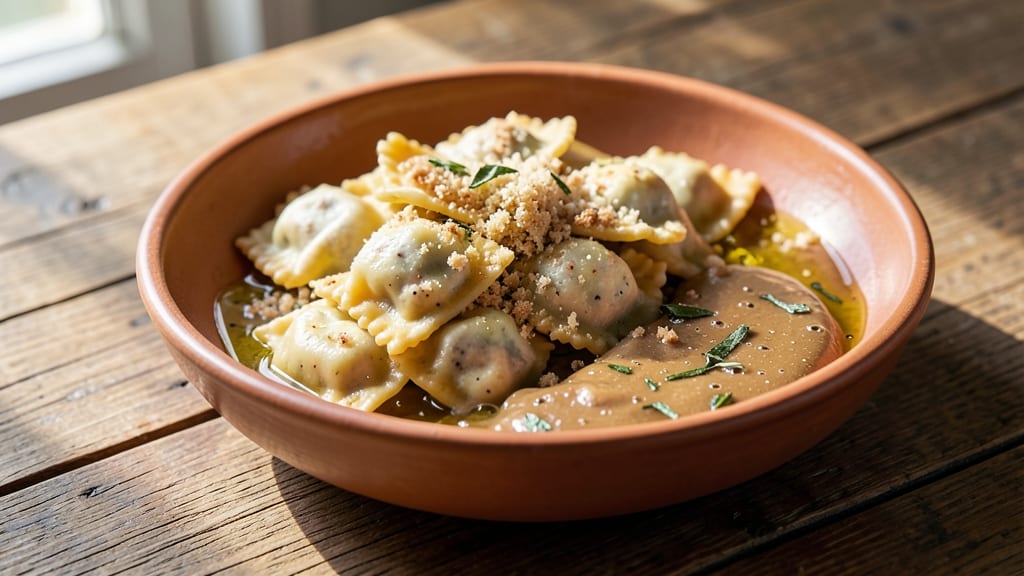
This authentic Italian cheese ravioli recipe delivers the pillowy, handmade texture and rich flavors of a Roman trattoria. The secret lies in fresh egg pasta dough and a delicate ricotta filling, shaped by hand for that signature squish.
After years of perfecting this technique, I've cracked the code for achieving restaurant-quality results at home—no shortcuts, just traditional methods.
The process begins with making the pasta dough from scratch, using just flour, eggs, and a pinch of salt. The filling combines ricotta, parmesan, and nutmeg for that classic Italian flavor profile, while the ravioli are either shaped by hand or pressed through a mold for consistency.
What sets this recipe apart is the attention to detail—proper rolling, careful filling, and precise sealing to ensure those signature pillowy pockets that burst with cheese when cooked.
Once boiled to perfection, these ravioli can be finished in a variety of ways—pan-fried in butter for a crispy exterior, tossed in a light sage brown butter sauce, or served with a simple pomodoro.
The result is a dish that feels luxurious yet is entirely achievable at home, with every bite delivering that authentic Italian taste you crave. Ready to master this classic?
Whether you're making them for a special occasion or a weeknight dinner, this recipe ensures your ravioli will be the star of the meal. The key is patience—taking the time to shape them properly and cook them just right makes all the difference.
Let's get started on creating your own handmade masterpiece.
Ingredients for authentic italian cheese ravioli
Fresh flour, eggs, and ricotta create the signature pillowy texture of authentic Italian ravioli.
| Ingredient | Amount | Notes |
|---|---|---|
| All-Purpose Flour 🌾 | 2 ½ cups | Plus extra for dusting |
| Large Eggs 🥚 | 3 whole | Room temperature preferred |
| Part-Skim Ricotta Cheese 🧀 | 16 oz | Whole milk preferred |
| Parmesan Cheese 🧀 | 1 cup | Freshly grated from block |
| Ground Nutmeg 🌿 | ¼ tsp | Freshly grated preferred |
| Unsalted Butter 🧈 | ½ cup | Cold for shaping |
| Fresh Sage Leaves 🌿 | ¼ cup | Chopped for garnish |
| Salt 🧂 | 1 tsp | Fine sea salt preferred |
| Olive Oil 🫒 | 2 tbsp | Extra-virgin for richness |
| Marinara Sauce 🍅 | 2 cups | Homemade or quality jarred |
| Fresh Basil Leaves 🌿 | ¼ cup | Chopped for finishing |
| Pasta Machine or Rolling Pin 🍝 | 1 piece | For even dough thickness |
The ricotta and Parmesan are the heart of this recipe—whole-milk ricotta gives the creamiest filling, while freshly grated Parmigiano-Reggiano adds depth. Whole Foods or your local Italian market usually carry the best quality. For the flour, King Arthur or Caputo brands are ideal—they give that silky texture. Eggs should be room temperature (pop them out of the fridge 30 minutes before starting). Nutmeg is non-negotiable—it's what gives authentic ravioli that warm, aromatic touch. If you can't find freshly grated, pre-ground works in a pinch.
No ricotta? Cottage cheese blended smooth works surprisingly well—just drain off excess liquid first. Substituting Parmesan? Pecorino Romano has a sharper bite that pairs nicely. Short on butter for sealing? Olive oil works just as well. The pasta machine is ideal, but a rolling pin and steady hand will get you there—just aim for 1/16-inch thickness. For the filling, mix the ricotta and Parmesan until completely smooth—no lumps allowed. That's what makes the ravioli look beautiful when you cut them open.
Freshly made ravioli keep for 2 days in the fridge, wrapped in a damp towel to prevent drying. For longer storage, freeze uncooked ravioli on a tray before bagging—up to 3 months. Cook from frozen (add 2 minutes to boiling time). The dough can be made a day ahead and refrigerated, but bring it to room temperature before rolling. And here's a pro tip: boil in batches—overcrowding lowers the water temperature, and you want those ravioli to dance at the surface.
Why You'll Love This Recipe
- No-Fuss Dough: I swear by this dough—just flour, eggs, and a pinch of salt. No kneading, no resting, no stress. The ricotta and Parmesan blend right into the mix, so you’re not fighting with stubborn dough while the sauce boils over.
- Nutmeg Magic: That tiny pinch of ground nutmeg? It’s the secret weapon. It brightens the ricotta, cuts through the richness, and makes every bite taste like Nonna’s kitchen. Honestly, it’s the difference between "good" and "I’ll make this again."
- Weeknight to Dinner Party: Same recipe, endless uses. Toss with brown butter and sage for a quick weeknight meal, or dress it up with a sage-infused butter and crispy prosciutto for guests. (Yes, even on a Tuesday night.)
- Leftovers That Don’t Suck: Freeze half the batch—uncooked—right after shaping. When you’re too tired to cook, toss them in boiling water, and they’re just as tender. No sad, rubbery ravioli here; the ricotta stays creamy, the Parmesan holds its bite. Budget-friendly and foolproof.
Step-by-step instructions for authentic Italian cheese ravioli
Mastering handmade ravioli comes down to precise technique and fresh ingredients—here's how to do it right.
Prepare the Dough and Filling
Start by making the dough: On a clean surface, mound the 2.5 cups all-purpose flour and create a well in the center. Add the 3 whole large eggs and the 1 tsp salt, then gradually incorporate the flour using a fork, mixing until a shaggy dough forms. The dough should be soft but not sticky—if it's too dry, add a few drops of water.
For the filling, combine the 16 oz part-skim ricotta cheese, 1 cup freshly grated Parmesan cheese, the 0.25 tsp ground nutmeg, and 0.25 cup chopped fresh sage leaves in a bowl. Mix gently with a spoon—overworking will make the filling dense. Cover both the dough and filling and let them rest at room temperature for 15 minutes while you set up your workspace.
Roll the Dough and Cut Ravioli Shapes
Divide the rested dough into 4 equal pieces and work with one at a time. Using a pasta machine (or rolling pin), roll each piece through progressively thinner settings until you reach the thinnest setting—typically 1-2. If using a rolling pin, roll the dough as thin as possible, about 1/16-inch thick. Dust each sheet with flour to prevent sticking.
Cut the rolled dough into 3-inch squares using a sharp knife or ravioli cutter. Keep the remaining dough covered with a damp towel to prevent drying. Repeat with all dough pieces, stacking the cut squares between sheets of parchment paper to maintain shape.
Assemble and Seal the Ravioli
Place 1 teaspoon of filling at the center of each dough square. Fold the dough over the filling, pressing gently around the edges with your fingers to seal. For a classic look, use a fork to crimp the edges by pressing down firmly. Arrange the ravioli on a floured tray, leaving space between each piece to prevent sticking.
Here's the thing—don't rush the sealing. If the edges aren't fully closed, the filling will leak during cooking. I press down firmly with my thumb and index finger, then use the fork to create a decorative pattern. Once all ravioli are sealed, cover them loosely with a damp towel and let them rest for 10 minutes before cooking.
Cook the Ravioli to Perfection
Bring a large pot of salted water to a rolling boil—it should taste like the sea. Add the ravioli in batches (don't overcrowd the pot) and cook for 2-3 minutes until they float to the surface. This indicates they're fully cooked but still tender. Remove them with a slotted spoon and drain well.
For serving, toss the cooked ravioli with the 2 cups marinara sauce in a large skillet over medium heat for 1-2 minutes until heated through. Garnish with the 0.25 cup chopped fresh basil leaves and a drizzle of 2 tbsp extra-virgin olive oil. Serve immediately with a sprinkle of extra Parmesan cheese if desired.
Shape with Butter for Extra Authenticity (Optional)
For an authentic Italian touch, melt the 0.5 cup unsalted butter in a skillet over low heat until it foams but doesn't brown. Add the cooked ravioli and toss gently for 1-2 minutes until lightly coated. The butter will create a silky sauce that clings beautifully to each ravioli. Serve immediately with the marinara sauce on the side for dipping.
Pro Tips For Making Authentic Italian Cheese Ravioli
- Drain the Ricotta Well: I learned this the hard way—ricotta straight from the tub is way too wet. Drain it in a fine-mesh strainer for 15–20 minutes, pressing gently with a clean kitchen towel. This keeps your filling from turning into a soggy mess when cooking, and the texture stays light and pillowy.
- Mix the Dough by Hand: Skip the food processor for the pasta dough—your arms will thank you later. Kneading by hand (about 8–10 minutes) develops the gluten just enough for sturdy ravioli without overworking it. The dough should be smooth but still slightly tacky, not sticky or crumbly.
- Use a Thin, Even Layer: Spread the cheese filling thin—about ¼-inch thick—when assembling. Thicker layers mean uneven cooking, and some ravioli will end up undercooked while others turn gummy. A ruler or pastry brush helps keep your strokes consistent.
- Boil in Small Batches: Crowding the pot turns ravioli into a gluey disaster. Cook them in batches of 6–8 at a time, stirring gently once to prevent sticking. The water should return to a rolling boil between batches—no half-hearted simmering. This guarantees al dente ravioli every time.
Health benefits of this authentic italian cheese ravioli
Protein Powerhouse
Each serving of these cheese ravioli delivers a satisfying 12-15 grams of protein, primarily from the ricotta and egg dough. The ricotta provides all nine essential amino acids, while the eggs contribute high-quality protein that supports muscle repair and immune function.
This makes them an excellent choice for post-workout meals or when you need a protein-rich vegetarian option. 💪
Calcium-Rich Delight
The combination of ricotta and Parmesan cheese creates a calcium powerhouse, with each serving providing about 20% of your daily recommended intake. Calcium is essential for bone health, nerve function, and muscle contraction.
The nutmeg in the filling also contains trace amounts of calcium, adding to the nutritional benefits. Regular consumption can help maintain strong bones and teeth over time.
Complex Carbohydrates
The all-purpose flour in the dough provides complex carbohydrates that fuel your body with sustained energy. These carbs are essential for brain function and physical activity, making this dish perfect for an active day.
The egg content also contributes to the nutritional balance, offering healthy fats that support brain health and nutrient absorption. This combination makes the ravioli both satisfying and energizing.
Low in Fat, High in Flavor
Despite their rich taste, these ravioli are surprisingly low in saturated fat when made with part-skim ricotta and unsalted butter. The butter used in the optional finishing step adds flavor without significantly increasing fat content.
This balance makes them a healthier option compared to many other pasta dishes while still delivering that indulgent Italian flavor. 🧈
Vitamin and Mineral Boost
The ricotta filling is rich in vitamin B12, which is crucial for red blood cell production and neurological function. The Parmesan contributes vitamin A, essential for vision and immune health, while the nutmeg adds a touch of manganese, important for metabolism and bone formation.
Together, these ingredients create a nutrient-dense dish that supports overall health.
Digestive Benefits
For those with sensitive stomachs, the ricotta used in this recipe is naturally easier to digest than many other cheeses. The light texture and gentle seasoning make these ravioli a comforting option for people looking for a comforting yet nutritious meal.
The absence of heavy cream or overly processed ingredients also contributes to their gentle digestion profile. ✨
Nutrition facts
Frequently asked questions
Why do authentic Italian cheese ravioli need to rest before cooking?
The 10-minute rest before cooking is crucial for two reasons. First, it relaxes the gluten in the dough so the ravioli cook evenly without cracking. Second, it lets the filling settle, preventing leaks during boiling. Think of it like letting fresh pasta "breathe"—it makes all the difference in texture.
Can I make the dough ahead of time?
Yes! The dough can be made up to 24 hours ahead and refrigerated. Just wrap it tightly in plastic and bring it to room temperature before rolling. The filling should be made fresh day-of to prevent moisture loss. For best results, let both dough and filling rest at room temperature for 15 minutes before assembling.
What's the best way to store leftover ravioli?
Store cooked ravioli in an airtight container with a damp paper towel to prevent drying. They'll keep for 3 days in the fridge. For longer storage, freeze uncooked ravioli on a tray first (to prevent sticking), then transfer to a freezer bag for up to 3 months. Cook from frozen by adding 2 extra minutes to boiling time.
How do I fix ravioli that won't seal properly?
If the edges won't stick, your dough might be too dry or the filling too wet. Try brushing the dough edges with water before sealing, or add a pinch more flour to the dough. For the filling, drain excess moisture by pressing ricotta through a sieve. Pro tip: Use a fork to crimp edges—this creates both a seal and decorative pattern.
What's the difference between Roman and Tuscan-style cheese ravioli?
Roman-style ravioli (like cacio e pepe) use Pecorino Romano instead of Parmesan, giving them a sharper bite. Tuscan versions often include spinach or herbs in the filling. The dough remains similar, but Roman ravioli are typically served with simple cheese sauces while Tuscan versions might pair with tomato-based sauces or olive oil.