
Snacks
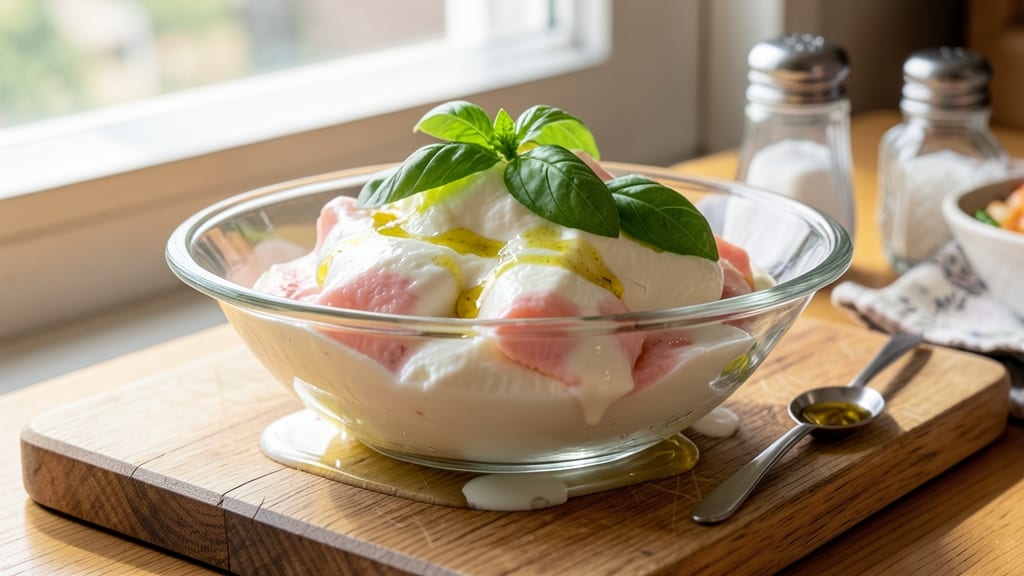
Making authentic mozzarella cheese at home transforms your kitchen into a tiny Italian dairy—where milk becomes creamy, elastic gold. The secret lies in precise temperature control and the satisfying plop of freshly stretched curds, a technique that separates true mozzarella from store-bought imitations.
I've perfected this method after years of trial (and a few failed batches that ended up as ricotta), and the results are worth every minute of attention.
This recipe demands patience but rewards you with cheese that melts perfectly on pizza, stretches elegantly over pasta, or stands alone as a snackable delight.
We'll work with whole milk, rennet, and a starter culture to create curds that transform from rubbery to silky when stretched in hot water—a process that feels almost magical once you master it.
The key is maintaining temperatures within 2-3°F ranges throughout, which ensures the protein structure aligns just right for that signature elasticity.
What you'll end up with is fresh mozzarella that's milky, slightly salty, and impossibly tender—nothing like the wax-coated cubes from the grocery store. The texture should be smooth yet springy, with a clean, dairy-forward flavor that pairs beautifully with tomatoes, basil, and crusty bread.
This isn't just cheese; it's a skill that elevates every dish it touches, from caprese salads to homemade marinara.
Ready to dive in? We'll cover every step—from heating the milk to the final stretch—plus troubleshooting tips for when things go slightly off track. The first batch might take longer than expected, but once you nail the technique, you'll never buy mozzarella again.
Let's begin with the essential ingredients and equipment you'll need to create this Italian classic at home.
Ingredients for authentic mozzarella cheese
Transform ordinary milk into creamy, stretchy mozzarella with these precise ingredients and tools.
| Ingredient | Amount | Notes |
|---|---|---|
| Whole Milk 🥛 | 1 gallon | High-fat, 3.5% minimum |
| Rennet Tablets 🧀 | 2 pieces | Vegetable rennet preferred |
| Cheese Starter Culture 🦠 | ½ tsp | Lactic acid bacteria |
| Diamond Crystal Kosher Salt 🧂 | 1 tsp | Fine grain preferred |
| White Vinegar 🍶 | 1 tbsp | For acidification |
| Extra-Virgin Olive Oil 🫒 | 2 tbsp | For curd stretching |
| Lemon Juice 🍋 | 1 tbsp | Freshly squeezed |
| Thermometer 🌡️ | 1 whole | Dairy-specific, 0-220°F |
| Large Stainless Steel Pot 🍲 | 1 whole | Non-reactive, 6-8 quart |
| Cheese Cloth 🧵 | 1 whole | Muslin or butter muslin |
| Hot Water Bath 💧 | 1 whole | 90-95°F maintained |
| Plastic Wrap 📦 | 1 sheet | Food-grade, for storage |
The milk is non-negotiable—whole milk with 3.5% fat gives authentic texture. Organic Valley or Horizon work well, but avoid ultra-pasteurized. For rennet, Jungbunzlauer M-100 is the gold standard, but vegetable rennet tablets from Amazon or specialty cheese shops work too. The starter culture? Lactobacillus bulgaricus is ideal, but yogurt starter granules from Bob's Red Mill are a good shortcut. Pro tip: Buy extra milk—you'll want to practice before perfecting the stretch.
No rennet tablets? Lemon juice or vinegar (1 tbsp per gallon) can acidify the milk, though texture won't be identical. Short on starter? Plain yogurt (1 tbsp) works in a pinch, but fresh culture yields better results. The thermometer is critical—instant-read dairy thermometers from Thermoworks are worth the investment. For the cheese cloth, muslin or butter muslin from Amazon or kitchen supply stores lets whey drain perfectly. Need to skip the olive oil? Avocado oil works, but olive's fruity notes enhance flavor.
Store fresh mozzarella in airtight containers with brine or olive oil for 5-7 days. For longer storage, freeze portions wrapped in plastic—3 months max. The first batch? Use it all up—it's delicate. Save your cheese cloth and thermometer for future experiments; they're reusable. And if curds look rubbery? Stretch them longer in hotter water—patience is key. This cheese rewards repetition, so practice makes perfect.
Why You'll Love This Recipe
- Just Five Ingredients: I swear, that’s it—whole milk, a tiny rennet tablet, starter culture, salt, and vinegar. No confusing blends or specialty cheeses lurking in the pantry. Honestly, my first batch turned out better than store-bought, and I only had to heat the milk twice.
- That Melty Magic: The second you stretch it fresh over pizza or dip it in basil oil, you’ll know why people pay $12 a ball for this. The vinegar’s tang cuts through the creaminess, and that first pull? It’s like uncovering a secret—silky, stretchy perfection every single time.
- Pantry to Party: Make a batch on Sunday, and you’ve got homemade mozzarella for caprese salads, grilled cheese, or even breakfast burritos all week. I’ll be real: my kids ask for it in their sandwiches now, and I don’t even have to hide the cheese.
- Cheaper Than Takeout: A gallon of whole milk and a few cents’ worth of culture beat buying pre-shredded mozzarella by miles. Between us, I’ve saved enough to splurge on actual garlic bread instead of the sad bagged kind. Plus, leftovers? They last in brine for weeks—no waste, just flavor.
Step-by-step instructions for authentic mozzarella cheese
Here's how to craft restaurant-quality mozzarella with that signature melt and stretch—perfect for fresh pasta.
Acidify and Heat the Milk
Begin by pouring the 1 gallon whole milk into the large stainless steel pot. Add the 1 tablespoon white vinegar and stir gently to distribute evenly. Let it sit for 5 minutes—the milk should develop a slight tangy aroma and curdle slightly. This acidification step is crucial for proper curd formation later.
Place the pot over medium-low heat and insert the thermometer. Heat the milk to 90°F while stirring occasionally with a wooden spoon. You'll notice small bubbles forming at the edges—this indicates the milk is warming properly. Maintain this temperature for 10 minutes to ensure even heating throughout. The milk should feel warm but not hot to the touch when you dip your finger in briefly.
Add Culture and Rennet for Curd Formation
Remove the pot from heat and let the milk cool slightly to 86°F. Sprinkle the 0.5 teaspoon cheese starter culture over the surface and stir gently for 30 seconds to dissolve completely. The mixture should look slightly cloudy with no visible lumps. Return the pot to low heat and maintain the temperature at 86°F for 30 minutes.
After 30 minutes, dissolve one rennet tablet in 1 tablespoon cold water and stir into the milk. Stir gently for 30 seconds until fully dispersed. Cover the pot and let it sit undisturbed for 45-60 minutes at 86°F. You'll know the curds are ready when they form a clean break—gently insert a clean knife at the edge of the pot and lift slightly. If the curd holds together and the whey runs clear, it's ready for cutting.
Cut and Cook the Curds
Once the curds have formed, use a long knife or cheese harp to cut them into ½-inch cubes. Let the curds rest for 5 minutes to firm up slightly, then gently stir them for 5 minutes to release more whey. Gradually increase the heat to 105°F over 30 minutes, stirring occasionally to prevent matting. You'll notice the curds become firmer and the whey becomes clearer as it drains away.
Continue cooking until the curds reach 120°F, stirring gently every 5 minutes. At this point, they should be firm enough to hold their shape when lifted with a slotted spoon. The whey should be mostly clear with minimal curd particles remaining. This cooking process develops the texture that makes mozzarella so special—don't rush this step or the cheese will be too rubbery.
Drain and Stretch the Curds
Line a colander with the cheese cloth and carefully ladle the curds into it, allowing the whey to drain completely. Once all the whey has drained, transfer the curds to a clean bowl. Add the 2 tablespoons extra-virgin olive oil and 1 tablespoon freshly squeezed lemon juice, then mix gently with your hands until the curds are coated.
Here's where the magic happens: place the bowl in the hot water bath maintained at 185°F. Working quickly, knead the curds with both hands for 3-5 minutes until they become smooth and elastic. You'll feel them transform from grainy to silky—this is the signature stretch you're aiming for. If the mixture becomes too hot, remove it from the water bath for 30 seconds to cool slightly before continuing. The cheese should be pliable enough to form into a ball when pressed together.
Shape and Cool the Mozzarella
Once the curds have reached the perfect stretchable consistency, remove them from the water bath and shape into a 4-inch round loaf by pressing firmly with your hands. Wrap the shaped cheese tightly in the cheese cloth and place it in a bowl of ice water for 10 minutes to set its shape. This rapid cooling helps lock in the texture you've worked so hard to achieve.
Unwrap the cheese and transfer it to a plate lined with plastic wrap. Cover with additional plastic wrap and refrigerate for at least 2 hours before using. The mozzarella will firm up as it cools, making it easier to slice for your pasta dishes. For best results, use within 3 days—fresh mozzarella develops its signature melt and stretch when used immediately after making.
Pro Tips For Making Authentic Mozzarella Cheese
- STIR THE MILK CONSTANTLY: The first 10 minutes after adding culture are critical—stop stirring only when the milk reaches 105°F. I learned this the hard way when a batch split because I got distracted. Keep that spoon moving like you’re stirring oatmeal on a busy morning.
- USE VINEGAR LIKE A CHEAT CODE: Add the vinegar after the curds form but before stretching—just 1-2 tablespoons to the whey. It tightens the curds faster than acidifying the milk beforehand. My first attempts with pre-acidified milk always gave me rubbery mozzarella.
- STRETCH IN HOT WATER, NOT BOILING: The water should be 180°F, not rolling—think "just-off-boil" steam. I used to dump curds into scalding water and ended up with gluey, sad cheese. Keep the pot at a steady simmer, not a frenzy.
- SALT THE CURDS, NOT THE WHEY: Mix the salt directly into the curds after draining, not the whey. This ensures even distribution and prevents a bland center. I skipped this once and got a batch that tasted like it forgot half its flavor.
Best sauces and condiments for this dish
Classic Marinara
Your homemade mozzarella deserves a sauce that complements its delicate, milky sweetness. A simple tomato marinara made with San Marzano tomatoes, garlic, and fresh basil is perfect—its bright acidity balances the cheese's richness.
I simmer 2 cups crushed tomatoes, 2 cloves minced garlic, 1 tbsp olive oil, and ½ tsp red pepper flakes for 20 minutes until thickened. Finish with 1 tbsp fresh basil and a pinch of salt. 🍅
Garlic-Infused Olive Oil
Drizzle garlic-infused olive oil over fresh mozzarella for a restaurant-worthy touch. Heat ¼ cup olive oil with 3 thin garlic slices until fragrant (about 3 minutes), then strain.
Drizzle over sliced mozzarella or use as a dip for crusty bread. For extra flavor, add 1 tsp lemon zest or fresh oregano to the oil before straining.
Balsamic Glaze
A drizzle of aged balsamic glaze adds depth to mozzarella's clean flavor. Reduce ¼ cup balsamic vinegar in a saucepan over medium heat for 10-12 minutes until syrupy.
Let cool slightly, then drizzle over mozzarella slices or toss with fresh basil. The caramelized notes elevate every bite without overpowering the cheese.
Pesto Variations
Swap traditional marinara for homemade pesto—its herby, nutty flavors pair beautifully with mozzarella. Blend 2 cups fresh basil, ¼ cup pine nuts, ½ cup grated Parmesan, 1 garlic clove, and ½ cup olive oil until smooth.
For a twist, add 1 tbsp lemon juice or chili flakes to brighten the dish. Serve with mozzarella on toasted baguette slices.
Spicy Arrabbiata
If you love heat, try arrabbiata sauce—a fiery cousin of marinara. Simmer 1 cup crushed tomatoes, 2 tbsp olive oil, 3 garlic cloves, and 1 tbsp red pepper flakes for 15 minutes.
Finish with salt and fresh basil. The spice cuts through the mozzarella's creaminess, creating a bold contrast. 🌶️
Honey and Thyme
For a sweet-savory twist, combine 1 tbsp honey with 1 tsp fresh thyme and a splash of lemon juice. Warm the mixture gently, then drizzle over mozzarella slices.
The floral notes of thyme and subtle sweetness enhance the cheese's natural milky flavor, making it ideal for appetizers or charcuterie boards.
Nutrition facts
Frequently asked questions
Can I use powdered milk instead of whole milk for mozzarella?
I don't recommend it—powdered milk lacks the fat content needed for authentic texture. Whole milk with 3.5% fat minimum is essential for creating that signature stretch. If you must substitute, use heavy cream mixed with whole milk (50/50 ratio) to approximate the fat content, but results won't be identical. The fat content determines how the proteins align during stretching.
Why did my mozzarella turn out rubbery instead of stretchy?
Rubbery mozzarella usually means one of two things: either the curds weren't cooked long enough (120°F minimum) or they weren't stretched properly in hot water (185°F). Try kneading the curds longer (up to 10 minutes) while keeping them in the hot water bath. The key is patience—the cheese should feel silky, not grainy. Also check your thermometer accuracy!
How long does homemade mozzarella keep before it spoils?
Fresh mozzarella should be used within 3-5 days when stored properly in an airtight container with a thin layer of brine or olive oil. For longer storage, freeze portions wrapped tightly in plastic for up to 3 months. The texture changes after freezing (it becomes more crumbly), but it's still safe to eat. Always smell before using—sour or off odors mean it's time to discard it.
Can I make mozzarella without rennet?
Yes, but the texture will differ. Replace rennet with 1 tablespoon lemon juice or vinegar per gallon of milk to acidify. This creates a softer, ricotta-like texture rather than true mozzarella. For better results, use ½ cup plain yogurt as a starter culture along with the acid—this helps develop some structure. The cheese will be less elastic but still delicious for dishes where stretch isn't critical.
What's the best way to test if my mozzarella is ready to stretch?
Perform the "finger test": press two fingers together in the curd mixture. If they leave a clean, smooth indentation that holds its shape, it's ready. The curds should also feel warm but not hot to the touch (185°F water bath temperature). Another trick: try forming a small ball between your palms—if it holds together without crumbling, it's ready for stretching. The cheese should feel like warm taffy, not dough.