
Sauces & Condiments
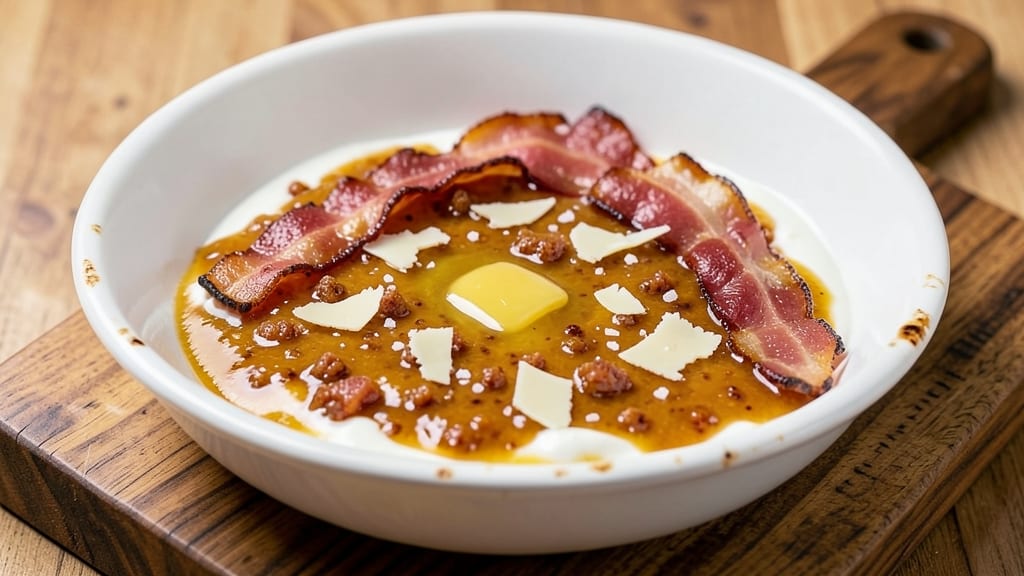
This bacon cheese sauce recipe transforms simple ingredients into a rich, velvety drizzle that elevates everything from mac and cheese to loaded fries. The secret lies in crispy bacon rendered into a fragrant base, then emulsified with sharp cheddar and a touch of cream for that signature creamy texture.
I developed this version after testing countless methods—some too thin, others too greasy—until I found the perfect balance of smoky depth and smooth consistency.
The process is straightforward but requires attention to detail: cook the bacon until crisp, then strain out the fat to create a flavorful foundation. As the cheese melts into the bacon fat, whisk in warm cream to prevent separation, ensuring a sauce that’s restaurant-quality without the fuss.
This isn’t just a topping—it’s a game-changer for turning ordinary dishes into something indulgent.
What makes this sauce truly versatile is its ability to adapt to any dish. Drizzle it over baked potatoes, toss it with pasta, or use it as a dip for fries—the possibilities are endless.
The smoky bacon flavor cuts through richness, while the sharp cheddar adds a tangy kick that keeps every bite exciting. Best of all, it reheats beautifully, making it perfect for meal prep or last-minute cravings.
For those who love to customize, you can adjust the heat level with cayenne or swap cheddar for a smoky gouda. The sauce keeps well in the fridge for up to 5 days, and freezing is no problem—just reheat gently on the stove, stirring frequently to restore that silky smoothness.
Let’s get started on this crowd-pleasing staple!
Ingredients for bacon cheese sauce
Nine ingredients create this velvety, smoky sauce that transforms ordinary dishes into restaurant-worthy masterpieces.
| Ingredient | Amount | Notes |
|---|---|---|
| Thick-Cut Bacon 🥓 | 6 oz | Cut into 1/2-inch pieces, crisped |
| Sharp White Cheddar Cheese 🧀 | 2 cups | Shredded, aged 12-18 months |
| Heavy Whipping Cream 🥛 | ½ cup | Full-fat for best texture |
| Unsalted Butter 🧈 | 2 tbsp | Cold, for emulsification |
| Granulated Garlic 🧄 | 1 tsp | Or 1 fresh clove minced |
| Diamond Crystal Kosher Salt 🧂 | ½ tsp | Fine grain preferred |
| Ground Black Pepper 🌶️ | ¼ tsp | Freshly cracked |
| Cayenne Pepper 🔥 | ¼ tsp | Adjust for heat preference |
| Freshly Squeezed Lemon Juice 🍋 | 1 tsp | Brightens the sauce |
The bacon is non-negotiable here—thick-cut from Costco gives the best flavor and texture, but any quality bacon works. Look for applewood-smoked if you want extra depth, though hickory works fine too. The cheddar should be sharp and aged—White Cheddar melts perfectly, but smoked Gouda adds another layer of complexity. For the cream, full-fat heavy whipping cream is essential; anything lighter will make the sauce separate. Pro tip: keep the butter cold until the very end—it's what creates that silky emulsion.
No thick-cut bacon? Regular bacon cut into smaller pieces works, but it'll render faster. Substituting cheddar? Pepper Jack adds heat, while Gruyère brings nutty notes. Running low on heavy cream? Half-and-half works in a pinch, but the sauce won't be as rich. The lemon juice might seem optional, but it's what keeps the sauce from getting too heavy—store-bought is fine, but fresh is always better. Need to make it dairy-free? Swap the cheese for nutritional yeast and cashew cream, though the texture will differ. And if you're avoiding meat, smoked tofu crumbles can mimic bacon's smokiness.
This sauce reheats beautifully—just warm it gently on the stove, stirring constantly to prevent separation. It keeps for 5 days in the fridge, sealed tightly to trap moisture. For longer storage, freeze in ice cube trays—perfect for portion control. The bacon fat hardens when cold, so let it come to room temperature before reheating. If it ever separates, just whisk in a splash of warm water or a pat of cold butter to bring it back together. Trust me, it's worth the effort.
Why You'll Love This Recipe
- No Chopping Needed: I swear, the only knife work here is slicing that thick-cut bacon—no dicing, no mincing, no stress. Just crisp it up, drain the fat (or leave a little for flavor, no judgment), and you’re halfway there.
- That Crispy-Creamy Magic: Honestly, the moment the sharp cheddar melts into the warm cream and butter? It’s like a hug for your taste buds. The bacon adds this smoky punch that cuts through the richness—perfect balance, every time.
- Game for Any Dish: Slather it on baked potatoes, drizzle it over roasted veggies, or toss it with pasta—this sauce is the MVP of lazy dinners. (Yes, even on a Tuesday night.) It’s the kind of thing that turns a simple meal into something special without trying too hard.
- Leftovers That Don’t Suck: Between us, most sauces turn into a sad, watery mess when reheated. Not this one. The cheese stays gooey, the bacon stays crispy (if you store it right), and it reheats in seconds. Plus, it freezes like a dream for when you’re too tired to cook.
Step-by-step instructions for bacon cheese sauce
This smoky, velvety sauce comes together faster than you'd think—just follow these precise steps.
Cook the Bacon Until Crisp
Place the 6 oz thick-cut bacon in a large skillet over medium heat. Let it render slowly without stirring for the first 3 minutes—this allows the fat to pool and crisp evenly. You'll hear that satisfying sizzle when the fat starts to bubble. Once the bacon reaches golden brown and crispy edges form, use tongs to transfer it to a paper towel-lined plate, leaving all that rendered fat in the pan.
Don't drain the fat—this is liquid gold for your sauce. If you're worried about excess grease, you can pour off about ¼ cup, but I always leave it all for maximum flavor depth. The bacon should yield about ½ cup of fat, which will form the base of your sauce. Let the pan cool slightly for 1 minute before proceeding—hot fat can cause the cheese to seize.
Melt Butter and Add Aromatics
Add the 2 tbsp unsalted butter to the bacon fat in the skillet and place over medium-low heat. Swirl the pan gently until the butter melts completely and the mixture just begins to simmer. This should take about 1 minute. Immediately add the 1 tsp granulated garlic and stir for 30 seconds—you'll smell that irresistible garlic aroma.
Here's where the magic happens: the combination of bacon fat and butter creates an emulsifier that will keep your sauce silky smooth. If you notice the mixture starts to bubble vigorously, reduce the heat slightly. You want a gentle simmer, not a rapid boil, to prevent the cheese from separating later.
Incorporate the Cheese Gradually
Lower the heat to low and begin adding the 2 cups sharp white cheddar cheese in small batches. I use about ¼ cup at a time, stirring constantly with a wooden spoon. The cheese should melt smoothly into the fat, creating a thick, creamy base. If you add too much at once, the sauce can seize—this is why gradual incorporation is key.
Watch closely as the cheese transforms from solid chunks to a glossy, molten sauce. You'll know it's ready when the mixture becomes smooth and coats the back of your spoon. This process should take about 3-4 minutes total. If the sauce starts to look too thick, you can add 1 tablespoon of the heavy whipping cream to loosen it slightly.
Finish with Cream and Seasonings
Pour in the 0.5 cup heavy whipping cream and stir vigorously for 1 minute until fully incorporated. The sauce should become luxuriously smooth and slightly thickened. Now add the 0.5 tsp diamond crystal kosher salt, 0.25 tsp ground black pepper, 0.25 tsp cayenne pepper, and 1 tsp freshly squeezed lemon juice. Stir well to distribute all the seasonings evenly.
The lemon juice is the secret weapon here—it brightens the richness of the cheese and balances the smokiness from the bacon. Taste and adjust seasoning if needed. For extra smokiness, you can add a pinch more cayenne, but be careful—it packs a punch! The sauce should be creamy, flavorful, and ready to drizzle over anything from pasta to fries.
Keep Warm and Serve Immediately
Transfer the sauce to a heatproof bowl and place it over a pot of barely simmering water (double boiler method) to keep it warm. This prevents the sauce from breaking or becoming grainy. If you're not using it immediately, cover the bowl tightly with plastic wrap pressed directly onto the sauce to prevent a skin from forming.
This sauce is best served immediately, but if you need to reheat it, do so gently over low heat, stirring constantly. The texture should remain silky smooth, not thick or separated. The perfect bacon cheese sauce should coat the back of a spoon, cling beautifully to pasta or fries, and deliver that perfect balance of smoky, creamy, and slightly spicy flavors in every bite.
Pro Tips For Making Bacon Cheese Sauce
- CRISP THE BACON LOW: Cook thick-cut bacon at 275°F (135°C) until the fat renders out but the meat stays firm—this keeps it crispy without burning. I used to rush it on high heat, and the bacon turned greasy and sad; slow and steady guarantees that perfect crunch for stirring into the sauce.
- GRATE CHEESE FINE: Use a box grater, not pre-shredded cheese—those anti-caking agents make the sauce grainy. Sharp white cheddar works best when grated fresh; if you’re in a pinch, buy block cheese and do it yourself, or at least skip the pre-shredded stuff labeled with additives.
- WHISK THE CREAM HOT: Heat the heavy cream and butter together until steaming (not boiling), then whisk in the grated cheese in one go. I learned this the hard way—adding cold cheese makes the sauce split like a bad joke. Let it melt smoothly, and resist the urge to rush it.
- SALT THE BACON FIRST: Season the bacon with salt before cooking—it renders better and tastes more balanced. Unsalted butter and sharp cheddar are already salty, so skip adding extra salt later unless you’re using mild cheese. Trust me, your taste buds will notice.
Essential equipment for this recipe
Skillet Essentials
Start with a 10-inch cast iron skillet—it retains heat beautifully and prevents the sauce from sticking. I swear by my Lodge Pre-Seasoned Cast Iron because it’s naturally non-stick after proper seasoning.
If you don’t own cast iron, a heavy stainless steel skillet (like All-Clad) works too, but be extra gentle when stirring to avoid scratching. Avoid non-stick pans—they can’t handle the high heat needed for proper emulsification. 🔥
For stirring, grab a wooden spoon (I use a Oxo Good Grips—it’s heat-resistant and won’t warp). Avoid metal utensils, which can scratch the pan or cause the sauce to seize.
A fine-mesh strainer (like OXO Good Grips) comes in handy if you want to strain the bacon fat for a smoother sauce, though I usually leave it in for maximum flavor.
Emulsification Tools
A handheld immersion blender (like the Ninja 1200-Watt) is a game-changer for achieving that ultra-smooth texture without lumps. If you don’t have one, a whisk (preferably stainless steel) is your next best bet—just whisk vigorously for 2-3 minutes after adding the cream to ensure everything combines perfectly.
For extra insurance, keep a small bowl of ice water nearby; if the sauce starts to separate, dip the whisk in the cold water before whisking again to reset the emulsion.
Temperature Control
An instant-read thermometer (I love the ThermoWorks Thermapen) is worth its weight in gold for monitoring the bacon fat temperature. The ideal range for melting cheese is between 170°F and 180°F—too hot, and the cheese will seize; too cool, and it won’t melt fully.
If your kitchen lacks a thermometer, watch for the gentle simmer (small bubbles forming at the edges) as your visual cue. A kitchen torch (like Blazer 2000) can also help gently melt stubborn cheese chunks if needed.
Storage Containers
For short-term storage, transfer the sauce to an airtight glass container (I use Le Parfait glass jars) to keep it fresh in the fridge for up to 5 days. The glass preserves the sauce’s flavor better than plastic, which can absorb odors.
For freezing, portion the sauce into silicone ice cube trays—each cube is perfect for a single serving. Once frozen, transfer the cubes to a ziplock freezer bag, squeezing out excess air to prevent freezer burn. When reheating, thaw in the fridge overnight for the best texture.
If you’re prepping for a crowd, a slow cooker (like Hamilton Beach) on low heat keeps the sauce warm and creamy for hours without risking separation. Just stir occasionally and add a splash of warm water if it thickens too much.
For serving, a ladle with a long handle (like OXO Good Grips) makes drizzling effortless—no messy fingers or spills!
Nutrition facts
Frequently asked questions
Can I make this bacon cheese sauce without cream?
Yes, but the texture will be thicker and less velvety. Replace the ½ cup heavy cream with ½ cup whole milk or ½ cup half-and-half for a lighter version, or use ¼ cup milk + 2 tbsp sour cream for extra richness. The sauce will still be flavorful but may separate slightly when reheated—just whisk in a splash of warm water to restore smoothness.
Why did my sauce get grainy or separate?
This usually happens from one of three issues: too much heat (cheese seizes), adding cheese too quickly (not stirring constantly), or not enough fat (bacon fat is the emulsifier). Fix it by whisking in 1 tbsp cold butter or 1 tbsp warm water while stirring vigorously over low heat. For prevention, always melt cheese gradually on low heat and keep the pan moving.
What’s the best way to use leftover bacon cheese sauce?
This versatile sauce works on mac and cheese, loaded baked potatoes, fries, grilled cheese sandwiches, or even as a dip for veggie sticks. For extra flavor, stir in chopped chives or crumbled bacon bits before serving. It reheats beautifully—just warm over low heat while stirring constantly to prevent separation. Store leftovers in an airtight container for up to 5 days.
Can I make this sauce dairy-free?
Swap the cheese for ½ cup nutritional yeast (for cheesy flavor) and use ½ cup cashew cream (blend ½ cup soaked cashews + ¼ cup water) instead of dairy cream. For smokiness, add ½ tsp liquid smoke or 1 tbsp smoked paprika. The texture will be lighter, but it’ll still be delicious—perfect for vegan dishes like vegan mac and cheese or loaded sweet potatoes.
How do I adjust the heat level?
Start with the ¼ tsp cayenne as written for a mild kick. For medium heat, add ½ tsp cayenne or ½ tsp crushed red pepper flakes. Want it spicy? Add 1 tsp cayenne or a pinch of chili powder. Balance the heat with a splash of lemon juice—it brightens the sauce and mellows the spice. Always taste as you go!