
Appetizers
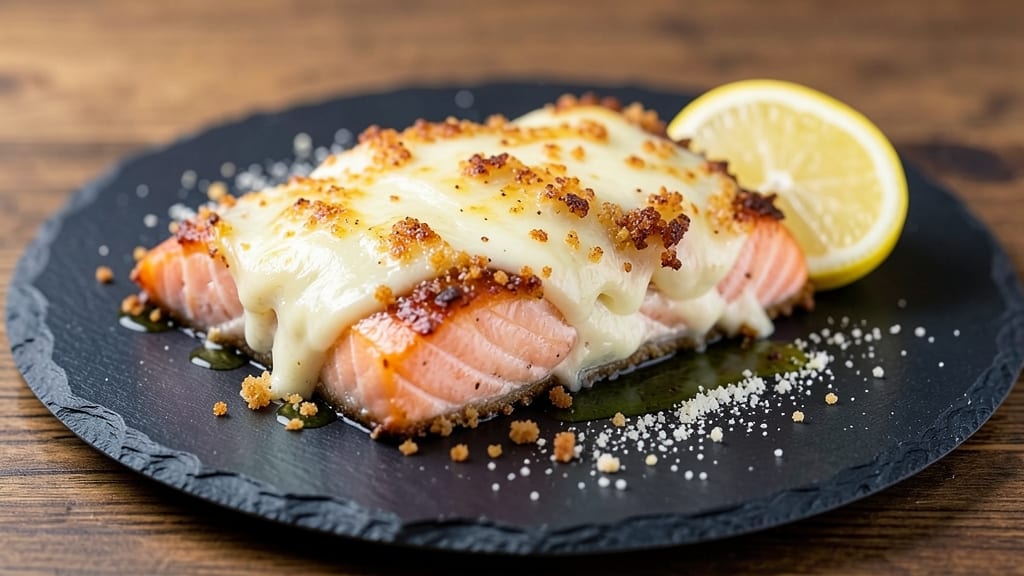
This baked cheese salmon recipe delivers restaurant-quality results with a crispy golden crust and velvety cheese center that melts into every flake. 🔥 The secret lies in the perfect balance of baking time and temperature—hot enough to create that satisfying crunch while keeping the fish tender and the cheese perfectly gooey. As a pescatarian staple, this dish proves you don’t need meat for a satisfying, flavor-packed meal that feels indulgent yet simple to prepare.
The magic happens in the oven, where salmon and cheese work together to create a dish that’s both elegant and approachable.
With just a handful of ingredients—fresh salmon, your choice of creamy cheese, and a touch of seasoning—you’ll achieve a texture that’s crispy on top, creamy in the middle, and perfectly cooked throughout. The key is baking at the right temperature to ensure the cheese melts smoothly without overcooking the fish.
What you’ll end up with is a dish that’s rich, flavorful, and visually stunning—ideal for a weeknight dinner or a special occasion. The crispy cheese crust adds a satisfying crunch, while the creamy center ensures every bite is luxurious.
This recipe is designed to impress with minimal effort, making it perfect for both beginners and seasoned home cooks.
Serve it with a fresh salad, roasted vegetables, or crusty bread to soak up the delicious cheese sauce. The possibilities for pairing are endless, but the dish stands strong on its own as a showstopper. Let’s get started on creating this foolproof, restaurant-worthy baked salmon.
Ingredients for baked cheese salmon
Fresh salmon, creamy cheese, and a crispy golden crust—this is your shortcut to restaurant-quality dinner.
| Ingredient | Amount | Notes |
|---|---|---|
| Fresh Salmon Fillets 🐟 | 4 whole | Skin-on, 6-8 oz each |
| Cream Cheese 🧀 | 8 oz | Room temperature, full-fat |
| Parmesan Cheese 🧀 | ½ cup | Freshly grated, fine |
| All-Purpose Flour 🌾 | ¼ cup | For breading |
| Panko Breadcrumbs 🍞 | ½ cup | Japanese-style, toasted |
| Garlic Cloves 🧄 | 3 cloves | Minced for flavor |
| Lemon Juice 🍋 | 1 tbsp | Freshly squeezed |
| Extra-Virgin Olive Oil 🫒 | 1 tbsp | For crispiness |
| Dried Dill 🌿 | 1 tsp | Or 1 tbsp fresh chopped |
| Salt 🧂 | 1 tsp | Kosher or sea salt |
| Ground Black Pepper 🌶️ | ½ tsp | Freshly cracked |
| Unsalted Butter 🧈 | 1 tbsp | Melted, for brushing |
The salmon makes or breaks this dish, so pick fillets with even thickness—ask the fish counter to cut them for you if they're not uniform. Wild-caught salmon has better flavor, but farmed works fine. Look for bright pink color and firm texture. I grab mine at Whole Foods or the seafood counter at Trader Joe's—their pre-portioned fillets save time. Room-temperature salmon cooks more evenly, so take it out of the fridge 20 minutes before baking. The cheese? Full-fat cream cheese is non-negotiable here—it melts perfectly and gives that velvety center. Parmesan adds depth, but Parmigiano-Reggiano is worth the splurge if you're using it often.
No cream cheese? Mascarpone or goat cheese works in a pinch—just add a splash of milk to thin it out. Short on Parmesan? Pecorino Romano has a sharper bite. The breadcrumbs can be regular, but Panko stays crispier. Fresh dill is ideal, but dried works at one-third the amount. Want extra crispiness? Mix 1 tbsp cornstarch into the breadcrumbs. The olive oil and butter combo is what creates that golden crust—don't skip either. If you're worried about the salmon sticking, pat it dry with paper towels first. That's the secret to a perfect crust.
This dish reheats beautifully—just pop it back in the oven for 5-7 minutes at 375°F. Keeps 3 days in the fridge, but honestly tastes best fresh. For meal prep, bake an extra fillet and freeze it—thaw overnight in the fridge before reheating. The crust gets a little softer when reheated, but it's still delicious. Store leftovers in an airtight container with a piece of parchment between layers to keep the crust crisp. Pairs perfectly with roasted asparagus or a simple arugula salad.
Why You'll Love This Recipe
- One-Pan Wonder: I swear by this recipe when I’m too tired to scrub pots. The salmon, cream cheese, and panko all bake together on a single sheet—no fancy gadgets, no extra bowls. Just 20 minutes in the oven, and I’m left with zero cleanup.
- Crispy-Creamy Magic: That first bite? Chef’s kiss. The panko crust gives way to a gooey, herby cream cheese center, while the parmesan adds a salty punch. It’s the kind of dish that makes people ask, “What’s in it?”—then immediately want the recipe.
- Weeknight to Dinner Party: Honestly, this works for everything. Toss it on a sheet pan for a lazy Tuesday, or dress it up with a drizzle of lemon and fresh dill for a fancier meal. My roommates never know which night I’m serving it, and they never complain.
- Budget-Friendly Luxury: Salmon feels fancy, but this recipe stretches it. The cream cheese and panko make every fillet feel indulgent without breaking the bank. Plus, leftovers reheat beautifully—perfect for packing lunches or sneaking seconds. (Yes, even on a Tuesday night.)
Step-by-step instructions for crispy-creamy baked salmon
Here's how to nail that perfect golden crust with a luscious cheese center—every time.
🍳 Step 1: Prep the Salmon for Maximum Crisp
Preheat your oven to 425°F and line a baking sheet with parchment paper. Pat each of the 4 whole fresh salmon fillets completely dry with paper towels—this is non-negotiable for crispy skin. The drier the surface, the better the crust forms.
Place the fillets skin-side down on the prepared baking sheet. Brush each fillet generously with the 1 tablespoon melted unsalted butter using a pastry brush. This creates a flavorful barrier between the fish and the breading, plus it helps with browning. Let them sit for 5 minutes while you prepare the breading mixture.
👨🍳 Step 2: Create the Crispy Breading Station
In a shallow bowl, whisk together the 0.25 cup all-purpose flour, 0.5 cup panko breadcrumbs, 1 tsp salt, 0.5 tsp ground black pepper, 1 tsp dried dill, and the 3 cloves minced garlic. This is your flavor bomb—don't skip the dill or garlic, they make all the difference.
In a separate bowl, mix the 8 oz cream cheese with the 0.5 cup freshly grated parmesan cheese until smooth. Spread this mixture evenly over each salmon fillet, leaving about ½ inch of bare fish around the edges. This creates that signature creamy center while keeping the edges crispy.
🍳 Step 3: Bread and Bake for Perfect Texture
Working quickly, press each fillet into the breading mixture, coating all sides completely. Tap off any excess crumbs—too much breading will make them soggy. Transfer the breaded fillets to the baking sheet, skin-side down, and drizzle lightly with the 1 tablespoon extra-virgin olive oil.
Bake for 12-15 minutes until the edges are deep golden brown and the breading is crispy. You'll smell that amazing garlic-dill aroma—don't walk away! If the top starts browning too quickly, tent loosely with foil for the last 3-5 minutes to prevent burning.
🍽️ Step 4: Finish with Lemon and Serve Warm
Remove the salmon from the oven and immediately drizzle each fillet with 1 tablespoon lemon juice (divided evenly). The acid brightens all those rich flavors and cuts through the creaminess beautifully. Let them rest for 2 minutes before serving—this ensures the cheese stays creamy and doesn't run out.
Serve immediately with your favorite sides. The contrast of crispy exterior with that gooey, herby cheese center is what makes this dish so special. You'll want to make this at least once a week—it's that good!
Pro Tips For Making Baked Cheese Salmon
- Pat the Salmon Dry: I learned this the hard way—salmon with any moisture left on it steams instead of browns. Grab paper towels and press firmly, even if it feels like overkill. That crispy crust from the panko depends on it.
- Mix Cheese Early: Don’t wait until the last minute to blend cream cheese and Parmesan—soften them first in the fridge for 10 minutes. Cold lumps in your mixture mean uneven texture, and nobody wants a cheesy salmon with clumps fighting for space.
- Preheat Pan, Not Just Oven: This isn’t the prettiest method, but it’s the tastiest: slide your baking dish into a cold oven, then turn the heat to 400°F. The pan warms up with the salmon, locking in moisture while the cheese melts perfectly. Skip this, and you’ll end up with dry edges and sad salmon.
- Toast Panko Separately: I was skeptical until I tried it—lightly toast the panko in a dry pan for 2-3 minutes before mixing it into the flour. The extra crunch and nuttiness cut through the richness of the cream cheese, and it browns better on top. Yes, even if you’re impatient like me.
Troubleshooting this dish
Cheese Too Melty
If your cheese center turns into a runny mess, it’s likely because the oven temperature was too high or the salmon wasn’t cooked long enough. Reduce the oven temperature to 400°F and bake for 10-12 minutes instead of 12-15.
Also, make sure your cream cheese is room temperature—cold cheese melts unevenly. For extra stability, mix in 1 tbsp of cream cheese with 1 tsp of cornstarch before spreading it on the salmon. 🧀
Breading Not Crispy
Soggy breading usually means the salmon was overcooked or the breading was too wet. Pat the salmon completely dry before breading—this is key for crispiness. Also, toast your panko breadcrumbs for 2-3 minutes in a dry skillet before using them.
If your oven runs hot, tent the salmon with foil for the last 3-5 minutes of baking to prevent over-browning. For an extra crunch, mix 1 tbsp of cornstarch into the breadcrumb mixture. 🍞
Salmon Overcooked
If your salmon ends up dry and tough, it was likely overcooked. Check the internal temperature with a meat thermometer—it should reach 125-130°F for perfect doneness. Since salmon cooks quickly, reduce the baking time to 10-12 minutes and keep a close eye on it.
If you’re unsure, start checking at 10 minutes and pull it out as soon as the edges are golden. For extra insurance, bake at 375°F instead of 425°F. 🌡️
Skin Not Crispy
A soft or uncooked skin means the salmon wasn’t prepped correctly. Pat the skin-side dry with paper towels until it’s completely dry—this is non-negotiable for crispiness. Also, brush the skin-side with melted butter before breading to help it brown.
If the skin still isn’t crispy, bake skin-side up for the first 5 minutes before flipping. For an extra crunch, spritz the skin with olive oil before baking. 🐟
Cheese Stuck to Pan
If the cheese mixture sticks to the baking sheet, it’s likely because the salmon wasn’t properly sealed. Spread the cheese mixture evenly over the salmon, leaving a ½-inch border of bare fish around the edges. This prevents the cheese from touching the pan directly.
Also, line your baking sheet with parchment paper and lightly grease it with olive oil to prevent sticking. For extra insurance, chill the salmon for 10 minutes before baking to help the cheese set slightly. 🧈
Uneven Cooking
If some parts of the salmon are undercooked while others are overdone, your fillets are likely uneven in thickness. Ask your fishmonger to cut the fillets evenly if they’re not uniform. For thicker fillets, bake at 375°F for 12-15 minutes and check frequently.
If you’re using thinner fillets, reduce the time to 8-10 minutes. For extra control, bake the thickest parts first and adjust the time accordingly. ⏱️
Nutrition facts
Frequently asked questions
Can I use frozen salmon for this recipe?
Yes, but thaw it properly first! Place frozen salmon in a sealed bag and submerge in cold water for 30 minutes per inch of thickness. Once thawed, pat completely dry with paper towels—this is critical for crispy skin. Never thaw at room temperature, as it promotes bacterial growth.
What's the best cheese alternative if I don't have cream cheese?
Try mascarpone (equal parts) or goat cheese (thin with 1 tbsp milk). For a sharper flavor, use ricotta mixed with parmesan (1:1 ratio). All work well, but cream cheese gives the signature velvety texture. The key is room temperature cheese that melts smoothly.
How do I prevent the breading from falling off?
First, pat the salmon bone-dry before breading—moisture is the enemy of crispy coatings. Second, chill the breaded salmon for 10 minutes before baking to help the coating set. Finally, use a mix of flour and cornstarch (1:1) in your breading for extra adhesion.
Can I make this recipe ahead of time?
Bake fresh for best results, but you can prep components ahead: marinate the salmon (without cheese) up to 12 hours ahead. Assemble the breading station the night before. For leftovers, reheat at 350°F for 8-10 minutes—the crust may soften slightly but still taste delicious. Store in an airtight container.
What sides pair best with this dish?
Try roasted asparagus with lemon zest, garlic sautéed spinach, or a simple arugula salad with balsamic glaze. For carbs, crusty sourdough bread or quinoa pilaf works perfectly. The crispy salmon pairs beautifully with bright, fresh flavors that cut through the richness.