
Appetizers
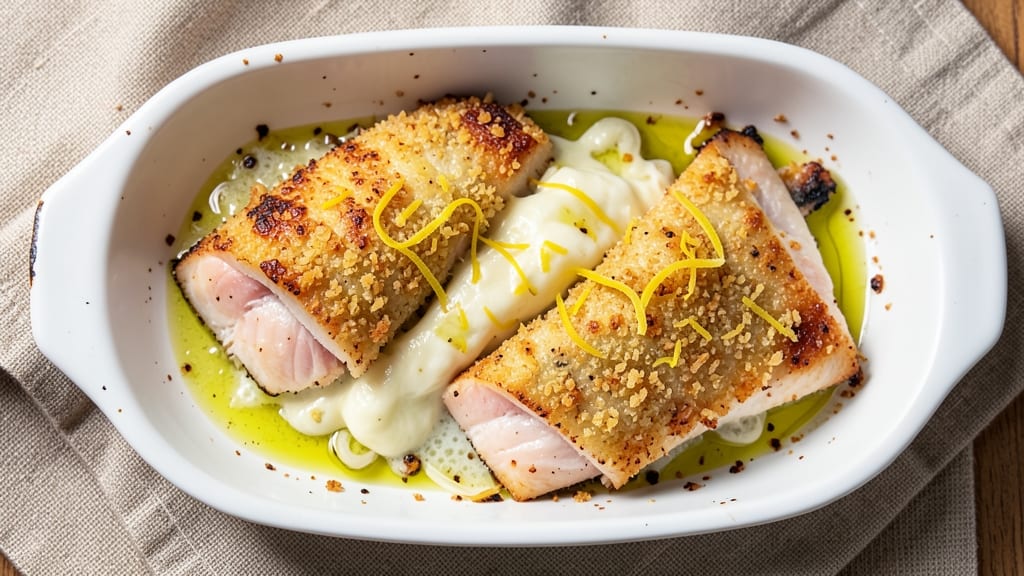
This baked cod with cheese recipe delivers crispy golden edges and a melty, savory center that transforms simple weeknight dinner into something restaurant-worthy. The secret lies in the perfect balance of seasoning and cheese—just enough to complement the delicate fish without overpowering its natural flavor.
I developed this recipe after years of testing, and it consistently delivers that ideal texture contrast: crispy on top, tender inside, with cheese that melts into every bite like a warm hug.
The beauty of this dish is its simplicity—no fancy techniques required, just a few key steps that make all the difference. You'll start with fresh cod fillets seasoned just right, then top them with a blend of cheeses that creates that irresistible golden crust.
The oven does most of the work while you prepare your favorite sides, making this a perfect pescatarian option that comes together in under 30 minutes.
What you'll end up with is a visually stunning dish that looks as good as it tastes—golden-brown cheese crust that cracks slightly when you cut into it, revealing tender fish beneath. The cheese adds richness without masking the oceanic sweetness of the cod, creating a perfect harmony of flavors.
Serve it with lemon wedges to brighten the richness or pair it with roasted vegetables for a complete, balanced meal.
This recipe works equally well for special occasions or casual dinners—it's elegant enough for guests but simple enough for weeknights. The technique is foolproof once you understand the key steps, and the results are always impressive. Let's get started on creating your perfect baked cod with cheese masterpiece.
Ingredients for baked cod with cheese
Golden cheese crust meets tender cod—here's what brings this restaurant magic home.
| Ingredient | Amount | Notes |
|---|---|---|
| Fresh Cod Fillets 🐟 | 4 whole | Skin-on for better texture |
| Shredded Monterey Jack Cheese 🧀 | 1 cup | Freshly shredded preferred |
| Panko Breadcrumbs 🍞 | ½ cup | For extra crunch |
| Extra-Virgin Olive Oil 🫒 | 2 tbsp | High quality for flavor |
| Fresh Lemon Juice 🍋 | 2 tbsp | Brightens the dish |
| Garlic Cloves 🧄 | 3 cloves | Minced for seasoning |
| Fresh Parsley 🌿 | ¼ cup | Chopped for garnish |
| Salt 🧂 | 1 tsp | Diamond Crystal preferred |
| Ground Black Pepper 🌶️ | ½ tsp | Freshly ground |
| Dried Oregano 🍃 | ¼ tsp | For Mediterranean flair |
| Unsalted Butter 🧈 | 1 tbsp | For extra richness |
| Lemon Zest 🍋 | 1 tsp | Freshly grated |
| Whole Milk 🥛 | 2 tbsp | For cheese blend |
The cod makes or breaks this dish. Wild-caught fillets have better texture than farmed, but either works. Look for fillets with even thickness—about 1-inch thick—so they cook uniformly. I always buy mine from Whole Foods or the seafood counter at Trader Joe's because they keep it fresh. Skin-on fillets give that extra crispy edge when baked. If yours is skinless, just add an extra 2 minutes to the baking time. The Monterey Jack is key—it melts beautifully without overpowering the delicate fish flavor. Pre-shredded cheese gets clumpy, so grab a block and shred it yourself.
No panko? Regular breadcrumbs toasted in the oven work in a pinch. Short on parsley? Fresh dill or basil gives a different but equally delicious twist. The olive oil matters here—use something fruity and high-quality, not the cheap stuff. If you're feeling fancy, add a pinch of smoked paprika to the breadcrumb mix for extra depth. The milk in the cheese blend is non-negotiable—it keeps the cheese from getting too dry. Want more flavor? Swap half the Monterey Jack for Parmesan—just make sure it's freshly grated.
This dish is best served fresh, but leftovers reheat beautifully. Store any extras in an airtight container in the fridge for up to 2 days. The cheese crust gets soggy if reheated too long, so pop it in the oven at 350°F for 5-7 minutes to revive it. For meal prep, bake extra fillets and freeze them—just thaw and reheat when ready. The lemon juice and zest keep best in the fridge for 1 week, so use them up quickly. Fresh parsley? Wrap it in damp paper towels and store in a bag for 5-7 days to keep it vibrant.
Why You'll Love This Recipe
- One-Pan Magic: I swear by this recipe when I’m too tired to wash dishes. Just toss the cod on a sheet pan, sprinkle the Monterey Jack and panko, and bake—no pots, no pans, no stress. The lemon juice zings through the whole thing while you’re scrolling through your phone waiting for the timer.
- Crispy-Creamy Bliss: That buttery panko crust meets the melt-in-your-mouth cod? It’s the kind of combo that makes you pause mid-bite. The Monterey Jack turns golden and gooey, while the olive oil keeps everything rich without being greasy. Honestly, it’s the closest I get to restaurant-quality seafood at home.
- Weeknight to Dinner Party: Between us, this dish works just as well for a lazy Tuesday as it does for guests. For a fancier touch, add a squeeze of lemon at the table—suddenly, it’s “elevated.” But honestly? My kids devour it straight from the pan, no frills needed. It’s my secret weapon for when I don’t want to overthink dinner.
- Leftovers That Don’t Suck: Most baked fish turns dry the next day, but not this. The cheese keeps the cod tender, and the panko stays crispy if you reheat it right (just a quick broil, 2 minutes max). I make double batches because it’s that good—perfect for lunches or a last-minute work dinner. No sad, rubbery fish here.
Step-by-step instructions for baked cod with cheese
Here's how to create that perfect golden crust and creamy center every time.
Prepare the Cheese Panko Mixture
In a medium bowl, combine the 1 cup shredded Monterey Jack cheese, 0.5 cup panko breadcrumbs, 1 tsp salt, 0.5 tsp ground black pepper, 0.25 tsp dried oregano, 1 tsp lemon zest, and 2 tbsp whole milk. Use your hands to mix everything thoroughly until the panko is evenly coated and the mixture holds together when pressed. This blend creates the perfect crispy topping that'll melt into gooey perfection.
Here's the thing—don't skip the milk. It helps the cheese blend bind together better and creates that magical crispy crust we're after. If the mixture seems too dry, add another splash of milk, but don't overdo it or you'll lose that crunchy texture.
Season and Prep the Cod Fillets
Pat the 4 whole fresh cod fillets completely dry with paper towels—this is crucial for that crispy skin. Place them skin-side down on a clean work surface. Using your fingers, gently press the 1 tbsp unsalted butter over each fillet, being careful not to tear the delicate flesh. Then, sprinkle both sides evenly with the remaining 1 tbsp fresh lemon juice and 3 cloves minced garlic. The butter adds richness while the lemon and garlic infuse the fish with bright Mediterranean flavors.
I like to press down gently on each fillet during this step—it helps the seasoning adhere better and prevents the fish from curling up in the oven. Don't press too hard though, or you'll end up with uneven thickness that cooks at different rates.
Assemble and Bake to Golden Perfection
Preheat your oven to 425°F for maximum browning power. Line a baking sheet with parchment paper and arrange the seasoned cod fillets in a single layer. Spoon about ¼ cup of the cheese panko mixture onto each fillet, pressing down lightly to help it stick. The skin-side should face down on the baking sheet to crisp up beautifully.
Bake for 12-15 minutes until the top is deep golden brown and the cheese is bubbling. You'll know it's ready when you see that perfect contrast—crispy golden crust on top with a creamy cheese layer underneath. The fish should flake easily with a fork when tested at its thickest point. If the cheese isn't fully melted after 12 minutes, give it another minute or two—just watch closely so it doesn't overcook.
Garnish and Serve Immediately
Remove the cod from the oven and let it rest for 2-3 minutes—this prevents the cheese from sliding off when you serve. While it rests, sprinkle the 0.25 cup chopped fresh parsley evenly over all fillets. The parsley adds a fresh pop of color and brightens the dish with its herbal notes.
Serve immediately with lemon wedges on the side. The contrast of the crispy cheese crust with the tender, flaky fish is what makes this dish truly special. If you wait too long, that perfect texture will start to break down—so dig in while it's hot! This dish pairs beautifully with a simple arugula salad or roasted vegetables.
Pro Tips For Making Baked Cod With Cheese
- Dry the Cod First: Pat those fillets thoroughly with paper towels—wet skin steams instead of browns, and you’ll end up with soggy breadcrumbs. I used to skip this, and the crust always came out sad, like someone drowned it in butter.
- Bake at 425°F: Too low, and the cheese melts into a greasy mess; too high, and the panko burns before the fish cooks. Preheat that oven good—this isn’t the time to eyeball it.
- Press the Crust Down: Don’t just sprinkle panko on top—press it firmly into the cheese layer. That’s how you get the crispy bits that actually stick, not just a dusting that slides off when you cut in.
- Add Lemon Early: Toss the shredded Monterey Jack with lemon juice before baking—it keeps the cheese from getting rubbery and adds a brightness that cuts through the richness. (Yes, even if it looks weird mixing cheese and acid.)
Common mistakes when making perfect results
Overcooking the Cod
The biggest mistake I see is letting the cod overcook, which turns it rubbery and dry. Cod cooks quickly—once it hits 145°F internal temperature, it's done. I use an instant-read thermometer to check the thickest part.
If you're baking without one, remove the fillets when the cheese is golden brown and bubbly, not when you think they're "done." Overcooked cod loses all its delicate texture, and that's a shame because the cheese topping is the star.
Here's my trick: Set a timer for 12 minutes at 425°F, then check at the 1-minute mark. If the cheese isn't fully melted, give it another minute. But if you see the edges starting to brown too quickly, pull it out immediately.
The cheese will keep melting slightly even after you remove it from the oven, so don't wait for it to be fully melted before pulling it out.
Uneven Cheese Distribution
Splattering cheese unevenly leads to some fillets looking like they got a full topping while others look bare. The key is to use about ¼ cup of the cheese mixture per fillet—don't eyeball it. I like to use a small ice cream scoop to portion out the mixture for consistency.
Press it down lightly so it sticks to the fillet, but don't pack it too tightly or it won't brown properly.
Another common issue is cheese sliding off during baking. To prevent this, I recommend chilling the assembled fillets in the fridge for 10-15 minutes before baking. The cold helps the cheese adhere better to the fish.
Also, make sure your baking sheet is lined with parchment paper—not aluminum foil, which can cause sticking. The paper creates a non-stick surface that lets the cheese crisp up properly.
Skipping the Drying Step
Wet cod skin won't crisp up—it's as simple as that. I can't stress enough how important it is to pat those fillets completely dry before seasoning. Use paper towels and press firmly to remove all moisture.
If you skip this, you'll end up with a soggy topping instead of that beautiful crispy crust we're after. I've made this mistake too many times to count, and trust me, it's not pretty.
Pro tip: Let your cod sit uncovered in the fridge for 10-15 minutes before prepping it. This extra drying time makes all the difference.
Also, if your fillets are particularly moist, you can pat them dry again right before baking—just give them a quick press with fresh paper towels right before you spoon on the cheese mixture.
Using Pre-Shredded Cheese
Pre-shredded cheese contains anti-caking agents that prevent it from melting smoothly, leading to a grainy texture that ruins the dish. Always use freshly shredded cheese—it melts into a silky blanket over the cod. I prefer Monterey Jack because it melts beautifully and has a mild flavor that complements the fish.
If you're in a pinch, you can use pre-shredded cheese, but add 1 tsp milk to help it melt more smoothly.
For extra flavor, I like to mix in ¼ cup freshly grated Parmesan with the Monterey Jack. The Parmesan adds a nice umami depth that pairs perfectly with the cod. Just
Nutrition facts
Frequently asked questions about baked cod with cheese
Can I use frozen cod instead of fresh?
Yes, but thaw it properly first! Place frozen cod in the fridge overnight or use the cold water method (sealed in a bag, submerged for 30 minutes). Never thaw at room temperature—it promotes bacterial growth. Pat completely dry before seasoning to ensure that crispy crust. Frozen cod works just as well, but fresh always gives the best texture.
What's the best cheese substitute if I don't have Monterey Jack?
Try sharp cheddar for bold flavor or mozzarella for extra meltiness. For a lighter option, use feta (crumbled) but reduce by 25% since it's saltier. Avoid pre-shredded cheese—the anti-caking agents make it grainy when melted. Freshly grated Parmesan adds great depth when mixed in (about ¼ cup with Monterey Jack).
How do I keep the cod from sticking to the baking sheet?
Line your baking sheet with parchment paper and lightly grease it with olive oil. For extra insurance, chill the assembled fillets in the fridge for 10-15 minutes before baking—the cold helps the cheese adhere better. Never use aluminum foil directly under the cod, as it can cause sticking. The parchment creates a non-stick surface while allowing the cheese to crisp beautifully.
Can I make this ahead of time?
Bake the cod up to 2 days ahead and store in an airtight container. Reheat at 350°F for 5-7 minutes—just watch closely so the cheese doesn't over-brown. For meal prep, bake extra fillets and freeze them (without cheese) for up to 1 month. Thaw in the fridge overnight, then top with cheese and bake fresh for 8-10 minutes at 425°F to restore that crispy texture.
Why did my cheese not melt properly?
Most likely, your oven wasn't hot enough or the cheese was too cold. Preheat thoroughly to 425°F and use room-temperature cheese. Pre-shredded cheese contains anti-caking agents that prevent smooth melting—always shred fresh. For extra insurance, mix 1 tsp milk into the cheese blend. If the top browns too quickly, tent loosely with foil to let the cheese melt through.