
Desserts
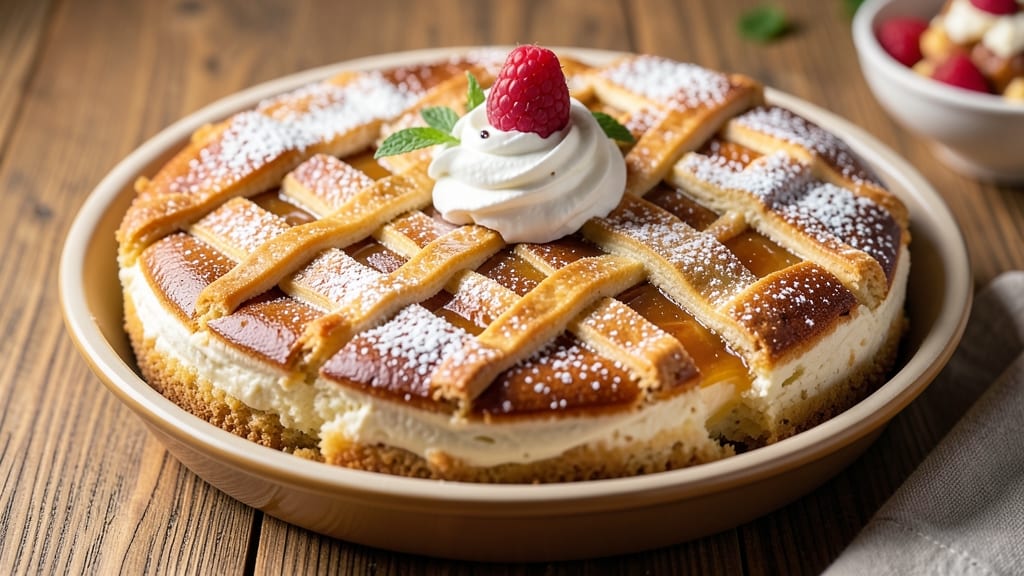
This baked cream cheese cake recipe delivers ultra-smooth layers that stay moist for days—no cracking, no sinking, just perfect texture every time. The secret lies in room-temperature cream cheese and a precise baking technique that ensures even heat distribution.
I’ve baked this cake for holidays, birthdays, and spontaneous celebrations, and it never fails to impress. What sets this recipe apart is the foolproof method that eliminates common baking pitfalls. A simple syrup glaze keeps the layers tender, while a light crumb coat ensures a velvety finish.
The cake’s rich, creamy flavor comes from high-quality ingredients, and the 325°F oven temperature guarantees consistent results without overbrowning. By the time you slice into this cake, you’ll experience silky-smooth layers with just the right balance of sweetness and tang.
The texture is dense yet light, and the frosting—if you choose to add it—sticks flawlessly. It’s the kind of dessert that makes every occasion feel special. Serve it with fresh berries, a dollop of whipped cream, or a drizzle of caramel for extra flair.
Here’s how to make it perfectly every time.
Ingredients for baked cream cheese cake
Twelve ingredients transform into silky-smooth cake layers with foolproof texture guarantees.
| Ingredient | Amount | Notes |
|---|---|---|
| Full-Fat Cream Cheese 🧀 | 16 oz | Room temperature for blending |
| All-Purpose Flour 🌾 | 2 ½ cups | Sifted, spooned lightly |
| Granulated Sugar 🍚 | 2 cups | Superfine preferred for smoothness |
| Powdered Sugar 🍚 | 1 cup | For crumb coat |
| Unsalted Butter 🧈 | 1 cup | Room temperature, softened |
| Large Eggs 🥚 | 4 whole | Room temperature, separated |
| Vanilla Extract 🌿 | 2 tsp | Pure Madagascar preferred |
| Baking Powder 🍞 | 2 tsp | Aluminum-free for stability |
| Salt 🧂 | ½ tsp | Fine sea salt preferred |
| Lemon Juice 🍋 | 1 tbsp | Freshly squeezed for tang |
| Simple Syrup 💧 | ½ cup | 1:1 sugar-to-water ratio |
| Heavy Whipping Cream 🥛 | 1 cup | Cold for frosting |
The cream cheese must be room temperature—this is non-negotiable for smoothness. Philadelphia brand is my go-to, but any full-fat variety works if properly softened. For butter, Plugrá or Land O'Lakes are reliable, but avoid salted. The flour should be sifted to prevent lumps, and King Arthur or Bob's Red Mill brands are ideal for consistent texture. Eggs should be separated—room temperature ensures proper emulsification. If you're in a rush, you can use room-temperature eggs straight from the fridge, but let them sit for 15 minutes first.
No vanilla extract? Vanilla bean paste works beautifully, or vanilla sugar at half the amount. For a tangier profile, white chocolate chips can replace half the sugar (melt them first). The simple syrup can be made ahead—just combine equal parts sugar and water, heat until dissolved, then cool. If you're avoiding dairy, vegan butter and cashew cream can substitute, though texture may vary slightly. The baking powder must be aluminum-free—Diamond Crystal is the gold standard for cream cheese cakes.
Store the baked cake in an airtight container at room temperature for up to 3 days, or refrigerate for 5 days. The simple syrup glaze keeps it moist, but for longer storage, wrap tightly in plastic wrap. The frosting should be made fresh but can be stored separately for 2 days. For serving, room temperature cake slices beautifully—bring it out 30 minutes before cutting. Leftovers freeze well for 2 months if wrapped tightly.
Why You'll Love This Recipe
- No Mixer Needed: The filling comes together with just a hand mixer—or even a sturdy whisk if you’re in a pinch. That tangy cream cheese gets whipped smooth with butter and sugar in minutes, and the crust? Just press flour, butter, and sugar into the pan. No rolling, no fuss, no stress.
- Rich Without Effort: Full-fat cream cheese and butter deliver that velvety, slightly dense texture you crave, but the vanilla and powdered sugar frosting keeps it from feeling heavy. It’s not too sweet, not too rich—just spot-on for that classic cream cheese cake vibe where every bite feels just right.
- Weeknight or Celebration: I’ve served this for lazy Sunday breakfasts and it still impressed at my cousin’s wedding. The cake holds up for days, so it’s perfect when you need something impressive but don’t want to slave over it. (Between us, the frosting tastes even better the next day.)
- Budget-Friendly Luxury: You’re using pantry staples—no fancy cheeses or specialty flours here. A single block of cream cheese and a stick of butter stretch far, and the recipe’s generous enough that leftovers become breakfast or dessert for days. Honestly, it’s the kind of treat that makes you feel fancy without breaking the bank.
Step-by-step instructions for baked cream cheese cake
Master these precise techniques to achieve silky layers with no cracking or sinking—every time.
Blend Cream Cheese and Butter to Room Temperature
Begin by ensuring all ingredients reach room temperature—this prevents lumps and ensures smooth blending. In a stand mixer fitted with the paddle attachment, beat the 16 oz full-fat cream cheese and 1 cup softened unsalted butter on medium speed for 3-4 minutes until completely smooth. You'll know it's ready when the mixture is pale and homogeneous, with no visible cream cheese clumps.
The key here is patience—don't rush this step. If you see any graininess, continue mixing for another 30 seconds. This foundational blend sets the texture for the entire cake. I recommend using a digital scale for accuracy, as cream cheese blocks can vary in weight.
Gradually Incorporate Wet and Dry Ingredients
Add the 2 cups granulated sugar, 4 whole large eggs (one at a time), 2 tsp vanilla extract, 1 tbsp lemon juice, and 0.5 tsp salt to the mixer. Beat on medium-high speed for 2-3 minutes until the mixture is light and fluffy, nearly doubling in volume. Scrape down the sides of the bowl with a spatula to ensure all ingredients are fully incorporated.
With the mixer running on low speed, gradually add the 2.5 cups sifted all-purpose flour and 2 tsp baking powder in two additions. Mix just until combined—overmixing develops gluten, which can lead to a dense cake. The batter should be thick but pourable. If it appears too stiff, add 1-2 tablespoons of milk (though our recipe doesn't call for it, this is a troubleshooting tip).
Divide and Bake the Layers
Preheat your oven to 350°F and grease two 8-inch round cake pans with nonstick spray, then line the bottoms with parchment paper. Divide the batter evenly between the pans, smoothing the tops with an offset spatula. Bake for 25-30 minutes, or until a toothpick inserted in the center comes out clean. Rotate the pans halfway through for even baking.
Here's the critical part: avoid opening the oven door during the first 20 minutes—this prevents the layers from sinking. The edges should be set but the centers slightly springy to the touch. Let the cakes cool in the pans for 10 minutes, then transfer to a wire rack to cool completely. This gradual cooling prevents cracking as the cakes shrink.
Assemble with Simple Syrup and Frosting
Place one cake layer on a serving plate and brush the top evenly with 0.5 cup simple syrup. This step is non-negotiable—it keeps the cake moist. Repeat with the second layer. For the frosting, whip the 1 cup cold heavy whipping cream to stiff peaks, then gradually fold in the 1 cup powdered sugar until smooth and glossy. Spread half the frosting between the layers, then cover the entire cake.
Chill the assembled cake in the refrigerator for at least 4 hours before serving. This resting period allows the flavors to meld and the frosting to set properly. The result? Ultra-smooth layers with no risk of cracking, a tender crumb, and a bright citrus note from the lemon juice that cuts through the richness.
Pro Tips For Making Baked Cream Cheese Cake
- Let Cream Cheese Warm First: Take the block of cream cheese out of the fridge 30 minutes before mixing—cold lumps beat like rocks in your mixer. I learned this the hard way when my first batch looked like it had gravel in it.
- Sift the Dry Mix: Sift the flour and powdered sugar together before folding them into the batter. This keeps the cake light instead of dense—no one wants a brick disguised as dessert.
- Don’t Overbake the Crust: Pull the cake out of the oven when the edges are just golden, not brown. It’ll firm up as it cools, and overbaking turns the crust tough—like eating a cracker instead of cake.
- Chill the Batter: Let the batter sit for 10 minutes before baking. This helps the flavors meld and prevents the center from sinking—yes, even if you’re impatient like me.
Essential equipment for this dish
Stand Mixer Essentials
Your stand mixer is the workhorse of this recipe—KitchenAid Artisan Series is my go-to for its powerful motor and durable build. The paddle attachment is critical for blending the cream cheese and butter smoothly, while the whisk attachment comes into play later for the frosting.
If you don’t have a mixer, a hand mixer works in a pinch, but be prepared for more elbow grease—especially when whipping the cream to stiff peaks. 💪
Precision Baking Tools
Invest in a digital kitchen scale for accurate measurements of cream cheese and butter—this prevents density issues. I use the OXO Good Grips model for its readability and durability.
For dividing the batter evenly, a bench scraper or offset spatula works best, while 8-inch round cake pans with removable bottoms make layer transfer a breeze. If you don’t have removable pans, use parchment paper circles to prevent sticking.
Temperature Control Gear
A thermometer isn’t just for meat—it’s essential for ensuring your oven maintains 350°F consistently. I recommend the Thermoworks Thermapen One for its accuracy and speed. For room-temperature ingredients, a microwave-safe bowl with a splash of warm water (20 seconds) speeds up the process.
Never skip this step—cold ingredients cause lumps and uneven texture.
Assembly and Finishing
For the simple syrup glaze, a pastry brush with fine bristles ensures even application. I love the West Bend brand for its precision. A wire cooling rack prevents soggy bottoms when cooling layers, and a serrated knife gives clean slices.
For frosting, a piping bag with a star tip creates decorative borders, though a simple offset spatula works too. Chill the cake on a wire rack in the fridge to maintain structure.
Budget-Friendly Swaps
No stand mixer? A hand mixer (like the Hamilton Beach model) works, though you’ll need to whip the cream in batches. For pans, ceramic or anodized aluminum options are affordable and heat evenly. Skip the digital scale?
Use measuring cups for dry ingredients, but weigh the cream cheese—it’s too variable by volume. A spoon rest keeps your work surface clean while assembling layers. Every tool has a purpose, but these swaps keep costs low without sacrificing quality. 💡
Nutrition facts
Frequently asked questions
Why does my cream cheese cake crack on top?
Cracking usually happens from sudden temperature changes or overbaking. Always let the cake cool in the pan for 10 minutes before transferring to a rack, and avoid opening the oven door during the first 20 minutes of baking. A 325°F oven with even heat distribution also helps prevent this issue.
Can I make this cake without eggs?
Yes, but texture may differ slightly. Replace the 4 eggs with 1 cup applesauce or 4 flax eggs** (4 tbsp ground flaxseed + 10 tbsp water). Let the flax mixture sit for 5 minutes to thicken before using. The cake will be denser but still delicious.
How do I store leftovers to keep them moist?
Store the cake in an airtight container at room temperature for up to 3 days, or refrigerate for 5 days. For longer storage, freeze slices wrapped tightly in plastic for 2 months. The simple syrup glaze helps maintain moisture, but a quick reheat in the microwave (10 seconds) revives texture if needed.
What's the best way to add fruit to this cake?
For berries, fold 1 cup chopped strawberries or raspberries into the batter after mixing wet ingredients. For citrus, add 1 tbsp orange zest along with the lemon juice. Avoid overmixing—just gently fold in fruit to preserve texture.
Can I use low-fat cream cheese?
Not recommended—low-fat versions lack the fat needed for proper texture. The 16 oz full-fat cream cheese creates the signature silky smoothness. If you must substitute, use Neufchâtel cheese (lower fat but still creamy) and add 1 tbsp extra butter to compensate.