
Main Courses
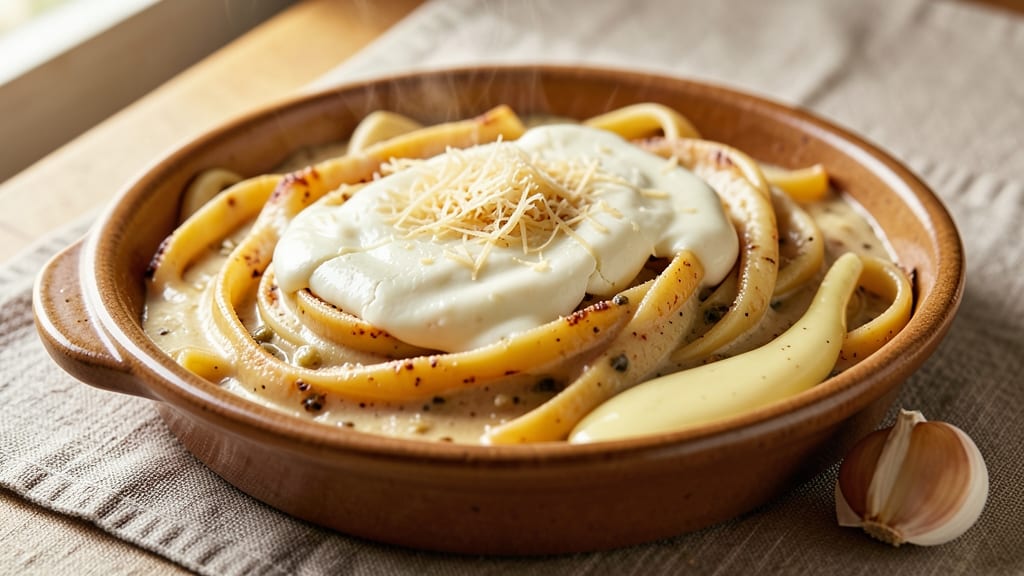
This baked cream cheese pasta recipe transforms simple ingredients into a restaurant-quality dish with a sauce so rich it clings to every noodle. 🌟 The secret lies in balancing cream cheese with parmesan and a splash of pasta water, creating a velvety coating that's both indulgent and foolproof to execute.
I developed this recipe after years of experimenting with baked pasta dishes, finally cracking the code for that perfect creamy texture without separation.
What makes this recipe special is the combination of tender pasta, a luscious cream cheese sauce, and the magic of baking. The high heat creates a golden, crispy top layer while keeping the interior silky and warm.
This method ensures the sauce doesn't turn greasy—just rich, creamy, and perfectly balanced. It's the kind of dish that feels impressive yet comes together with simple pantry staples.
The result is a baked pasta casserole with perfectly cooked noodles, a sauce that's neither too heavy nor too thin, and a crispy top that adds satisfying texture.
The aroma alone will have everyone gathering at the table. This recipe serves 6-8 and can be prepped ahead, making it ideal for weeknight dinners or meal prep.
Whether you're feeding a family or hosting dinner guests, this baked cream cheese pasta delivers comfort food perfection. The sauce clings beautifully to the noodles, and the crispy top adds just the right amount of crunch. Let's get started on creating this creamy, crowd-pleasing masterpiece.
Ingredients for baked cream cheese pasta
Simple pantry staples transform into a restaurant-worthy baked pasta with velvety sauce and crispy golden top.
| Ingredient | Amount | Notes |
|---|---|---|
| Medium Fettuccine Pasta 🍝 | 12 oz | Uncooked, any shape works |
| Cream Cheese 🧀 | 16 oz | Full-fat, room temperature |
| Parmesan Cheese 🧀 | 1 cup | Freshly grated, block preferred |
| Heavy Whipping Cream 🥛 | 1 cup | Full-fat for best texture |
| Whole Milk 🥛 | ½ cup | For sauce consistency |
| Garlic Cloves 🧄 | 4 cloves | Minced, fresh preferred |
| Yellow Onion 🧅 | 1 whole | Diced, medium size |
| Extra-Virgin Olive Oil 🫒 | ¼ cup | For sautéing, fruity variety |
| Dried Oregano 🌿 | 1 tsp | Italian preferred |
| Ground Black Pepper 🌶️ | ½ tsp | Freshly ground preferred |
| Kosher Salt 🧂 | 1 ½ tsp | For seasoning, plus more to taste |
| Fresh Mozzarella Cheese 🧀 | 1 cup | Diced, low-moisture works too |
| Fresh Basil Leaves 🌿 | ¼ cup | Chopped, for garnish |
| All-Purpose Flour 🌾 | 2 tbsp | For thickening if needed |
The cream cheese is the heart of this recipe—full-fat, room-temperature is non-negotiable for that silky texture. I always grab Philadelphia brand from the grocery store's refrigerated section, but any quality brand works. The Parmesan? Freshly grated from a block makes all the difference—pre-grated gets clumpy and lacks flavor. For the pasta, fettuccine or penne work best, but any medium shape will do. Cook it just one minute less than package instructions—it'll finish baking in the oven. The garlic and onion are the aromatic base, so don't skip sautéing them until they're soft and translucent—this builds flavor that carries through the baking process.
No heavy cream? Full-fat Greek yogurt thinned with milk works in a pinch, though the texture will be slightly lighter. Running out of Parmesan? Pecorino Romano at a 1:1 ratio has a sharper bite that pairs beautifully. The mozzarella can be low-moisture shredded from a block if fresh isn't available, but drain it well to avoid a watery sauce. For extra richness, add 1/4 cup sour cream to the sauce mixture. The basil is optional but adds that fresh finish—Trader Joe's sells pre-washed bundles that make prep easier. If you're making this ahead, assemble the casserole up to 24 hours in advance and refrigerate before baking—just add 10-15 minutes to the baking time.
This reheats beautifully—350°F for 15-20 minutes until bubbly and golden. Store leftovers covered in the fridge for 4-5 days, though honestly it's even better the next day as flavors meld. For freezing, assemble and bake as directed, then cool completely before portioning into airtight containers. Freezes for 3 months, though the crispy top may soften slightly. I always make a double batch—one for dinner, one for lunches. The sauce clings so well to the noodles that it reheats perfectly without turning greasy, making it ideal for meal prep.
Why You'll Love This Recipe
- Here’s what sold me: the heavy cream and milk blend into a velvety sauce that doesn’t separate or curdle, even when baked. That rich, tangy cream cheese flavor shines, but it’s balanced by the sharp bite of parmesan—like a hug for your taste buds, but make it fancy.
- I’ll be real: this feels like a restaurant dish, but the ingredients cost less than takeout. Cream cheese and parmesan stretch far, and you’re not drowning in expensive cream or specialty cheeses. Plus, it’s one of those dishes where leftovers taste just as good the second day—proof it’s a winner.
Step-by-step instructions for baked cream cheese pasta
Master this creamy, clinging sauce with foolproof technique and perfect timing.
🍳 Step 1: Sauté Onions and Garlic for Flavor Foundation
Heat the 0.25 cup extra-virgin olive oil in a large skillet over medium heat. Add the 1 whole yellow onion and cook for 5-6 minutes until softened and translucent. The onions should release their moisture and begin to caramelize slightly at the edges.
Add the 4 cloves minced garlic and cook for 30 seconds until fragrant—not browned. Here's the thing—garlic burns fast, so keep an eye on it. Remove from heat immediately after that garlic aroma fills your kitchen. This aromatic base will carry all the rich flavors of the cream cheese sauce.
👨🍳 Step 2: Cook Pasta Until Al Dente
While the onions cook, bring a large pot of water to a rolling boil and add 1.5 teaspoons kosher salt. Add the 12 oz medium fettuccine pasta and cook for 1 minute less than package instructions for al dente texture. You want pasta that's firm to the bite but still tender.
Before draining, reserve 1 cup of pasta water—this starchy liquid is essential for creating the silky sauce. Drain the pasta but don't rinse it; the surface starch helps the sauce cling perfectly to each strand. Toss the drained pasta with 1 teaspoon dried oregano and 0.5 teaspoon ground black pepper right in the pot.
🥘 Step 3: Build the Creamy Sauce Base
Return the skillet with onions and garlic to medium-low heat. Add the 16 oz cream cheese and stir constantly until completely melted and smooth. This should take about 3-4 minutes. Don't walk away—cream cheese can separate if you let it cook too long.
Pour in the 1 cup heavy whipping cream and 0.5 cup whole milk, stirring continuously until just combined. The mixture should look like a thick, velvety custard. If it's too thick, add 1-2 tablespoons of reserved pasta water to reach your desired consistency. This is where the magic happens—the cream cheese gives richness, while the milk creates that signature silky texture.
🔥 Step 4: Combine and Bake for Perfect Texture
Transfer the pasta to a large baking dish, spreading it out evenly. Pour the cream cheese mixture over the pasta and gently toss to coat completely. Sprinkle with 1 cup freshly grated parmesan cheese and 1 cup diced fresh mozzarella cheese, pressing down lightly so the cheeses melt into the pasta.
Cover the dish tightly with aluminum foil and bake at 375°F for 20 minutes. Then remove the foil and bake for another 5-7 minutes until the top is lightly golden and bubbly. The foil traps steam for creamy texture, while the final uncovered minutes create that beautiful crust. If the sauce looks too thick, add another splash of pasta water before baking.
🍽️ Step 5: Finish and Serve Immediately
Remove from oven and let rest for 2-3 minutes. This resting period allows the sauce to set slightly and makes it easier to serve. Stir once more to redistribute any settled cheese at the bottom.
Transfer to serving plates and garnish with 0.25 cup chopped fresh basil leaves. The basil adds that bright, fresh contrast to the rich cream cheese. Serve immediately while still warm—this creamy pasta tastes best straight from the oven when the sauce is at its peak silky texture. Each bite should deliver that perfect balance of creamy, cheesy goodness clinging to perfectly al dente pasta.
Pro Tips For Making Baked Cream Cheese Pasta
- DON’T OVERMIX THE SAUCE: Cream cheese is stubborn—once it gets lumpy, it’s a fight to fix. Mix the sauce on low heat with a wooden spoon, scraping the bottom constantly. If it still looks grainy, add a splash of warm milk and let it sit for 30 seconds before stirring again. I learned this the hard way after serving a dish that looked like it had been blended with gravel.
- USE COLD CREAM CHEESE: Straight from the fridge, cream cheese blends smoother and doesn’t turn greasy. Take it out 10 minutes before using—just enough to soften, not melt. If you’re in a rush, grate it instead of slicing; the smaller pieces melt faster and create a silkier texture. (Yes, even if you’re impatient like me.)
- SALT THE PASTA WATER LIKE THE SEA: The sauce is rich, so the pasta needs a punch of salt to balance it. Toss in at least 2 tablespoons of salt per 4 quarts of water—more if you’re using unsalted butter in the sauce later. Trust me, the dish will taste flat if you skimp here. (Your future self will thank you.)
- BAKE UNTIL IT’S GOLDEN, NOT JUST BUBBLY: This isn’t a casserole—it’s a baked pasta, and the top should be golden brown, not just steaming. Broil for the last 2-3 minutes if needed, watching like a hawk to avoid burning. A quick spray of water before broiling helps, but don’t overdo it or the sauce will split. Sounds weird, but it works.
Best sauces and condiments for this dish
Creamy Cheese Sauce
This rich sauce is the star of the dish—16 oz cream cheese blended with 1 cup heavy whipping cream and ½ cup whole milk creates that signature velvety texture. The key is to melt the cream cheese slowly over medium-low heat while stirring constantly to prevent lumps.
I like to add 1 cup reserved pasta water gradually to reach the perfect consistency—it should coat the back of a spoon but still be pourable. For extra flavor depth, I sometimes add 1 tsp Dijon mustard to balance the richness. 🧀
Parmesan Crisp
Freshly grated 1 cup Parmesan cheese on top transforms this dish from creamy to irresistible. The high heat of baking melts the cheese into the pasta while forming a golden, crispy crust. For maximum flavor, use block Parmesan and grate it yourself—pre-grated cheese lacks that sharp, nutty punch.
I also sprinkle ½ cup breadcrumbs on top before baking for extra crunch. This crispy layer makes every bite satisfyingly textured. 🧀
Fresh Herb Garnish
Bright, fresh herbs cut through the richness beautifully. I always finish with ¼ cup chopped fresh basil right before serving—its peppery notes balance the creamy sauce perfectly. For a different twist, try ½ cup chopped parsley or 1 tbsp fresh dill.
If you're short on fresh herbs, 1 tsp dried basil works in a pinch, though the flavor won't be as vibrant. The herbs should be added just before serving to preserve their freshness and aroma. 🌿
Spicy Kick Option
For those who love heat, a pinch of red pepper flakes or ½ tsp hot sauce stirred into the sauce adds just the right amount of spice.
I like to sprinkle 1 tsp crushed red pepper flakes on top right before baking—they'll toast slightly and infuse the cheese with subtle heat. For a smoky twist, add ½ tsp smoked paprika to the sauce mixture. This optional step lets you customize the dish to your spice preferences. 🌶️
Garlic-Infused Oil
If you love garlic flavor, infuse the olive oil with extra aroma by sautéing 6 cloves minced garlic in the oil until golden brown (about 3-4 minutes). Strain out the garlic bits and use this fragrant oil for sautéing the onions.
The deep, toasted garlic flavor carries through the entire dish. For a milder version, use just 2 cloves—this technique lets you control the intensity perfectly. 🧄
Extra Crispy Top
Want that perfect golden-brown crust? Try this pro trick: After removing the foil, sprinkle 1 tbsp grated Parmesan and 1 tbsp crushed cornflakes on top before the final 5-7 minutes of baking.
The cornflakes add a delightful crunch while the Parmesan melts into the sauce. This technique creates a restaurant-quality finish that's surprisingly easy to achieve at home. 🔥
Nutrition facts
Frequently asked questions
Can I use low-fat cream cheese in this recipe?
The recipe relies on full-fat cream cheese for that signature velvety texture. Low-fat versions tend to separate when baked, resulting in a grainy sauce. If you must use low-fat, add 1 extra tablespoon of heavy cream to compensate for the reduced fat content. For best results, stick with full-fat for that rich, clinging sauce.
How do I prevent the sauce from separating when baking?
Separation happens when the sauce gets too hot too quickly. Always melt the cream cheese over medium-low heat while stirring constantly. For extra insurance, whisk in 1 tablespoon of flour with the milk before adding it to the cream cheese mixture. This creates a natural emulsifier that keeps everything smooth during baking.
Can I make this ahead of time?
Assemble the casserole in a baking dish, cover tightly with foil, and refrigerate for up to 24 hours before baking. When ready to bake, add 10-15 extra minutes to the baking time (cover with foil the entire time). The flavors actually improve overnight as the cheeses meld together. Just be sure to let it rest 5 minutes after baking before serving.
What's the best pasta shape for this recipe?
Medium shapes like fettuccine, penne, or rigatoni work best as they hold sauce well. Avoid long, thin noodles like spaghetti—they can get mushy when baked. For extra sauce clinging power, try rotini or fusilli, whose ridges trap the creamy mixture beautifully. Just be sure to cook the pasta 1 minute less than package instructions.
Why did my baked pasta turn out greasy?
Greasy texture usually means the sauce was too thick or the pasta was overcooked. Always use reserved pasta water to thin the sauce if needed, and cook pasta to al dente (1 minute less than package time). For extra insurance, bake at 375°F with the foil on for 20 minutes first to set the sauce, then uncover for 5-7 minutes to crisp the top. This two-stage baking prevents greasiness while keeping everything creamy.