
Sauces & Condiments
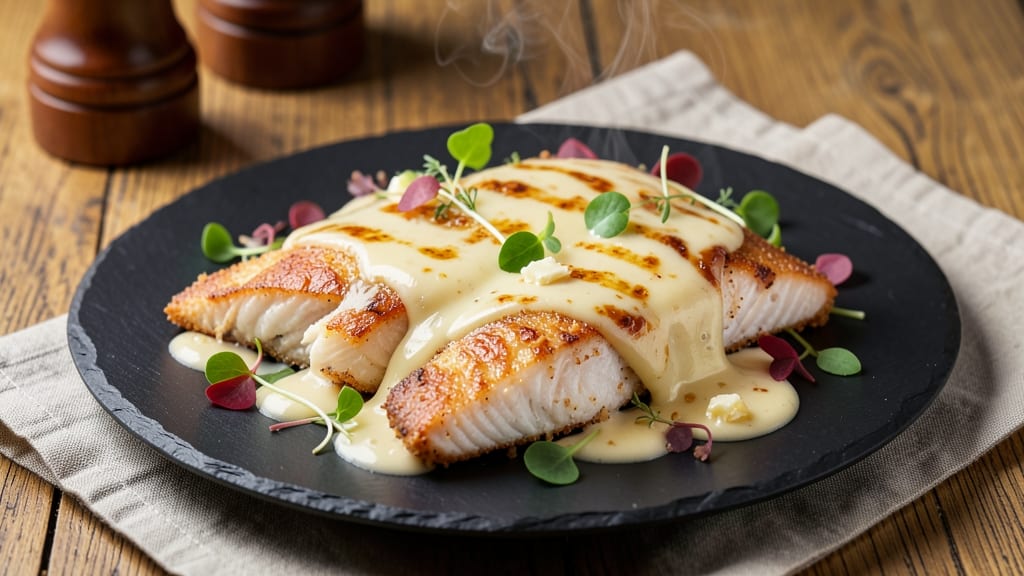
This baked fish in cheese sauce delivers the perfect balance of crispy golden edges and creamy, melty cheese that seeps into every flake. The secret lies in a simple yet foolproof technique that transforms ordinary white fish into a restaurant-worthy dish with minimal effort.
What makes this recipe stand out is how the cheese sauce transforms from a simple mix into a rich, velvety blanket that clings to the fish, creating those coveted melty streaks inside while maintaining a crispy exterior.
You'll start with a high-quality white fish like cod or halibut, which holds its shape beautifully while absorbing the rich flavors. The cheese sauce—made with a blend of sharp cheddar, cream cheese, and a touch of mustard—develops a perfect consistency when baked, ensuring it's creamy without being watery.
The key is baking at the right temperature to achieve that crispy top while keeping the fish tender and the sauce lusciously thick.
By the time you pull this dish from the oven, you'll have perfectly baked fish with a golden, crispy crust that contrasts beautifully with the creamy cheese sauce pooling underneath.
Each bite delivers tender fish flakes coated in that rich, melty cheese, making it a dish that's both comforting and impressive enough for dinner guests. The best part? It comes together in under 40 minutes, with most of that time being hands-off baking.
This recipe works beautifully as a weeknight dinner or a special occasion meal, especially when paired with roasted vegetables or a fresh salad. The cheese sauce is versatile enough to work with different types of fish, so feel free to experiment with your favorites.
Let's get started on creating this comforting yet elegant dish that's sure to become a family favorite.
Ingredients for baked fish in cheese sauce
These 13 ingredients transform simple fish into restaurant-worthy crispy-cheese perfection.
| Ingredient | Amount | Notes |
|---|---|---|
| High-Quality White Fish Fillets 🐟 | 4 pieces | Cod or halibut, skin-on preferred |
| Sharp Cheddar Cheese 🧀 | 1 cup | Shredded, aged for maximum flavor |
| Cream Cheese 🧈 | 8 oz | Full-fat for rich texture |
| Dijon Mustard 🍯 | 1 tbsp | For subtle tangy depth |
| Heavy Cream 🥛 | ½ cup | Whole milk for creaminess |
| Unsalted Butter 🧈 | 2 tbsp | Cold, cubed for crispy topping |
| Panko Breadcrumbs 🍞 | ¼ cup | For extra crispy crust |
| Fresh Lemon Juice 🍋 | 1 tbsp | Brightens the cheese sauce |
| Garlic Cloves 🧄 | 2 cloves | Minced for aromatic base |
| Extra-Virgin Olive Oil 🫒 | 1 tbsp | For crispy fish coating |
| Diamond Crystal Kosher Salt 🧂 | ½ tsp | For seasoning fish |
| Freshly Ground Black Pepper 🌶️ | ¼ tsp | Enhances cheese sauce |
| Fresh Parsley Leaves 🌿 | ¼ cup | Chopped for garnish |
The fish is everything here—cod or halibut holds its shape perfectly while soaking up the sauce. Look for fillets with vibrant color and firm texture at Whole Foods or your local seafood counter. If you can't find skin-on, don't stress—just pat the fillets dry with paper towels before seasoning. The cheese blend is where magic happens: sharp cheddar for tang, cream cheese for richness, and a touch of mustard to cut through the fat. I always grab Trader Joe's sharp cheddar—it's consistently delicious without being overly processed.
No sharp cheddar? Parmesan mixed with mild cheddar works in a pinch. Running low on cream cheese? Greek yogurt at half the amount gives similar tang. The butter topping is non-negotiable for crispiness—use cold cubes so they melt just enough to create that golden crust. For the breadcrumbs, panko is ideal, but crushed cornflakes work too if you're out. The lemon juice is crucial—it brightens the whole dish, so don't skip it. If you're feeling fancy, add a pinch of smoked paprika to the cheese sauce for depth.
This dish reheats beautifully—5 minutes at 350°F revives it perfectly. Store leftovers in an airtight container for up to 3 days, though I never have any. The sauce thickens as it cools, so a splash of warm milk or cream brings it back to perfection. For meal prep, assemble the dish ahead but bake it fresh—20 minutes at 425°F gives you that coveted crispy top. Garnish with fresh parsley right before serving to keep it vibrant.
Why You'll Love This Recipe
- One-Pan Magic: I swear by this recipe when I’m too tired to wash dishes—just toss the fish and sauce on a sheet pan, pop it in the oven, and walk away. The cheddar and cream cheese melt into a golden blanket, while the fish stays flaky and tender. No pots, no pans, no stress.
- Creamy Sharp Bite: That tangy Dijon mustard cuts through the richness of the sharp chedddar and cream cheese, giving the sauce a bright, almost buttery depth. The heavy cream makes it silky, but the mustard keeps it from feeling too heavy—like a hug from a chef who knows exactly what you need.
- Weeknight to Dinner Party: Honestly, this recipe works for everything. Slap it together for a lazy Tuesday, or dress it up with fresh herbs and crusty bread for guests. Leftovers reheat beautifully, and the sauce clings to the fish so well, you’ll have seconds without even trying.
- Budget-Friendly Luxury: Between us, this tastes like a fancy restaurant dish but costs a fraction. High-quality fish fillets stretch when paired with the creamy sauce, and the cheeses stretch even further. It’s my go-to when I want to feel fancy without breaking the bank—or buying takeout.
Step-by-step instructions for baked fish in cheese sauce
Here's how to create that perfect contrast—crispy golden crust meets creamy, melty cheese center.
Prepare the Fish for Maximum Crispiness
Preheat your oven to 400°F while you prep the fish. Pat the 4 pieces high-quality white fish fillets completely dry with paper towels—this is crucial for that crispy crust. You want them bone-dry, with no moisture left on the surface. Place the fillets skin-side down on a wire rack set over a baking sheet.
In a small bowl, whisk together the 1 tablespoon extra-virgin olive oil, 0.5 teaspoon diamond crystal kosher salt, and 0.25 teaspoon freshly ground black pepper. Brush this mixture generously over both sides of each fillet. The oil helps create that beautiful crust, while the salt and pepper ensure balanced seasoning. Let the fish sit at room temperature for 10 minutes while you prepare the sauce.
Create the Ultimate Cheese Sauce
In a medium saucepan, melt the 2 tablespoons unsalted butter over medium heat until it foams. Add the 2 cloves minced garlic cloves and cook for 30 seconds until fragrant—don't let it brown or it'll turn bitter. Pour in the 0.5 cup heavy cream and bring to a gentle simmer.
In a separate bowl, combine the 1 cup sharp cheddar cheese and 8 ounces cream cheese until smooth. Slowly whisk this cheese mixture into the cream sauce, a little at a time, until fully incorporated. The sauce should be thick and luxurious. Remove from heat and stir in the 1 tablespoon dijon mustard and 1 tablespoon fresh lemon juice. This brightens the rich cheese and adds that perfect tangy depth. Taste and adjust seasoning with additional salt or pepper if needed.
Assemble and Bake to Perfection
Carefully transfer each fish fillet to a greased baking dish, skin-side up. Spoon the cheese sauce evenly over each fillet, creating a generous layer that will melt beautifully during baking. The sauce should cover about ¾ inch of the fish surface. Sprinkle the 0.25 cup panko breadcrumbs evenly over the top of the sauce—this creates that irresistible crispy crust while keeping the cheese underneath creamy.
Bake in the preheated oven for 12-15 minutes until the top is deep golden brown and the cheese sauce is bubbling vigorously. You'll see the panko turn crispy and the cheese develop those beautiful golden streaks. The fish should be just opaque through the center—it'll continue cooking slightly after you remove it from the oven. This is where the magic happens: the crispy breadcrumb crust contrasts perfectly with the creamy, melty cheese underneath.
Garnish and Serve Immediately
Remove the baking dish from the oven and let it rest for 2-3 minutes before serving. This brief rest allows the cheese to set slightly, making it easier to plate without losing that perfect texture. Garnish each serving with 0.25 cup chopped fresh parsley leaves for a pop of color and freshness that cuts through the richness.
Serve immediately while the crust is still crispy and the cheese is at its most luxurious. Each bite should deliver that perfect combination of textures—crunchy breadcrumb topping, creamy cheese center, and tender fish underneath. The lemon brightens the dish, while the sharp cheddar and rich cream cheese create that irresistible flavor profile. Don't wait too long to serve—this dish is best enjoyed while the cheese is still melty and the crust is crisp!
Pro Tips For Making Baked Fish In Cheese Sauce
- Pat the fish dry: Fish is finicky—if it’s damp, the cheese sauce will slide right off instead of clinging. Use paper towels to press every inch, even the edges, and let it sit uncovered for 5 minutes. (Yes, even if you’re impatient like me.)
- Melt cheeses slowly: Dumping cold cheddar and cream cheese straight into hot cream? That’s how you end up with lumps. Warm the cream first, then whisk in the cheeses off the heat until smooth. Then, when you pour it over the fish, it’ll coat like silk.
- Don’t overbake the sauce: The cheese sauce looks done when it’s bubbly, but if you bake it too long, it turns grainy and loses its creamy texture. Cover the dish with foil halfway through baking—just until the fish flakes easily, then pull it out while the sauce is still glossy.
- Use a splash of mustard: The Dijon isn’t just for flavor—it cuts through the richness of the cheese and keeps the sauce from tasting flat. Mix it into the warm cream before adding the cheeses, and trust me, the sauce will taste brighter and more balanced. (I used to skip it, and the dish always felt heavy.)
Perfect pairings for this baked fish in cheese sauce
Side Dish Harmony
Bright, acidic sides cut through the richness of the cheese sauce beautifully. I love serving this dish with roasted asparagus tossed in 1 tbsp lemon zest and 1 tbsp olive oil, roasted at 425°F for 12 minutes.
The crisp-tender asparagus contrasts the creamy fish perfectly. For a heartier option, try garlic mashed potatoes—mix in 2 tbsp sour cream and 1 tbsp chives for extra creaminess. 🥗
Another winner is a simple arugula salad with 1 tbsp balsamic glaze and 1 tbsp toasted pine nuts. The peppery greens balance the richness, while the nuts add crunch.
For a warm side, crusty sourdough bread with herb butter soaks up any extra cheese sauce. Don’t forget steamed green beans with almond slices—they add a fresh, crunchy element.
Wine Pairings
A crisp Sauvignon Blanc from New Zealand is my go-to choice—its citrus notes complement the lemon in the cheese sauce. Look for a bottle like Cloudy Bay Sauvignon Blanc, which has bright acidity to cut through the richness.
For a white wine alternative, Chardonnay with minimal oak (like Kendall-Jackson Vintner’s Reserve) works beautifully, especially if it has a hint of lemon.
Red wine lovers can enjoy a light Pinot Noir from Oregon, such as Domaine Serene. The delicate fruit flavors won’t overpower the dish, and the acidity keeps the meal balanced. Avoid heavy reds like Cabernet Sauvignon—they’ll clash with the creamy cheese sauce. 🍷
Beer Pairings
A Belgian witbier like Hoegaarden is a fantastic choice—its citrusy, spicy notes enhance the lemon and mustard in the sauce. The effervescence also cleanses your palate between bites.
For a lager option, Peroni or Heineken provide a crisp, refreshing contrast to the rich flavors. Both beers have a light body that won’t compete with the dish.
If you prefer something with a bit more body, try a German Helles Lager like Weihenstephaner. Its malty sweetness pairs well with the cheese sauce, while the light carbonation keeps the meal feeling fresh. Avoid heavy IPAs or stouts—they’ll overpower the delicate flavors of the fish and sauce. 🍺
Cheese Sauce Variations
For a spicier kick, stir in ½ tsp smoked paprika and ¼ tsp cayenne pepper into the cheese sauce before baking. The heat complements the richness without overpowering it.
If you love herbs, add 1 tbsp chopped fresh dill or thyme to the sauce for an aromatic twist. Both herbs pair beautifully with white fish.
Want a lighter version? Swap half the heavy cream for Greek yogurt and reduce the butter to 1 tbsp. The result is still creamy but with a tangier profile.
For a vegetarian twist, replace the fish with extra-firm tofu—press and bake it the same way, then top with the cheese sauce. The tofu absorbs the flavors just as well! 🌶️
Nutrition facts
Frequently asked questions
Can I use any type of fish for this recipe?
White fish works best because it stays tender and absorbs flavors well. Cod, halibut, or tilapia are ideal choices. For thicker fillets like salmon, reduce baking time to 10-12 minutes to avoid overcooking. Avoid delicate fish like flounder—they can fall apart with the sauce's weight.
Why is my cheese sauce watery after baking?
This usually happens if the sauce wasn't thickened enough before baking or if the oven temperature was too low. Always simmer the sauce until it coats the back of a spoon before assembling. For extra insurance, sprinkle 1 tbsp cornstarch mixed with 1 tbsp cold water into the sauce before baking. Bake at 400°F (not lower) to ensure proper thickening.
Can I make this dish ahead of time?
Assemble everything except the breadcrumbs and refrigerate for up to 24 hours. When ready to bake, sprinkle breadcrumbs and bake at 425°F for 12-15 minutes to restore crispiness. For best results, reheat from room temperature—microwaving makes the crust soggy. The sauce may thicken slightly after chilling, so add a splash of warm milk when reheating.
What's the secret to getting that perfect crispy top?
The crispy crust comes from three key elements: bone-dry fish, cold butter cubes on top, and panko breadcrumbs. Pat fish fillets thoroughly with paper towels before seasoning. Use cold butter so it melts just enough to create a golden crust without making the breadcrumbs soggy. Bake at 400°F for that perfect balance of crispy and creamy.
How do I prevent the fish from sticking to the baking dish?
Always use a well-greased baking dish or line it with parchment paper. For extra insurance, place fish on a wire rack set over a baking sheet. This allows heat to circulate evenly and prevents sticking. If using parchment, make small cuts to let excess sauce drain away—this keeps the fish from steaming instead of baking.