
Appetizers
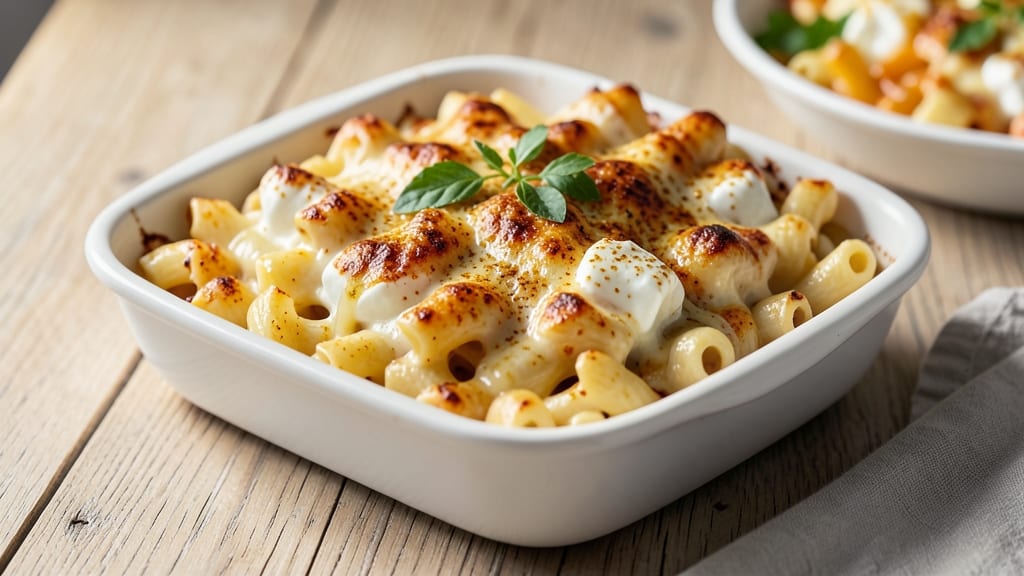
This baked mac and cheese recipe with dry mustard delivers a nutty-kick flavor and cheesecake-like texture that transforms a classic comfort food into something extraordinary. The secret lies in the dry mustard—just a pinch—but it adds a subtle tang that elevates the creamy cheese sauce to new heights.
What makes this version special is the crispy, golden-brown top that forms during baking, creating a satisfying contrast to the velvety interior.
The recipe starts with perfectly cooked elbow macaroni, then builds a rich, velvety cheese sauce using a blend of sharp cheddar, Gruyère, and cream cheese. A light dusting of dry mustard (about ½ teaspoon) infuses the sauce with a gentle heat that lingers without overpowering.
The sauce is then poured over the pasta, topped with a buttery breadcrumb crust, and baked until bubbling and golden.
By the time it emerges from the oven, you’ll have a dish that’s restaurant-quality—creamy, cheesy, and with that perfect crispy top that makes every bite irresistible. The dry mustard adds depth without bitterness, while the breadcrumb crust adds texture that holds up even after cutting.
This isn’t just mac and cheese; it’s a showstopping centerpiece for any meal.
Serve immediately for the best texture, but leftovers reheat beautifully in the oven with a splash of milk to restore creaminess. Pair with roasted vegetables or a simple green salad for a complete, satisfying dinner. Here’s how to make it—step by step—for foolproof results every time.
Ingredients for baked mac and cheese recipe with dry mustard
Six servings of restaurant-quality comfort, where nutty Gruyère meets sharp cheddar and crispy breadcrumbs.
| Ingredient | Amount | Notes |
|---|---|---|
| Elbow Macaroni 🍝 | 1 ½ lb | Cooked al dente, drained |
| Sharp Cheddar Cheese 🧀 | 2 cups | Shredded, aged 6+ months |
| Gruyère Cheese 🧀 | 1 cup | Shredded, nutty flavor |
| Cream Cheese 🧈 | 8 oz | Full-fat, cut into cubes |
| Whole Milk 🥛 | 1 ½ cups | Warmed for smooth sauce |
| Dry Mustard 🌶️ | ½ tsp | Yellow mustard powder |
| All-Purpose Flour 🌾 | ½ cup | For thickening sauce |
| Unsalted Butter 🧈 | ½ cup | Melted for breadcrumbs |
| Panko Breadcrumbs 🍞 | ½ cup | Light and crispy |
| Garlic Powder 🧄 | ½ tsp | For breadcrumb seasoning |
| Salt 🧂 | 1 ½ tsp | Kosher or sea salt |
| Black Pepper 🌶️ | ½ tsp | Freshly ground |
| Fresh Parsley 🌿 | ¼ cup | Chopped, for garnish |
The cheese blend is non-negotiable here. Gruyère brings the nutty depth, while aged sharp cheddar adds that tangy kick—both should be freshly shredded (pre-shredded gets clumpy). I always grab Kraft sharp cheddar for its reliable sharpness and Whittard of Chelsea Gruyère when I want to splurge. For the dry mustard, Mustard Powder from the spice aisle works best—it dissolves smoothly into the sauce without graininess. If you're using boxed macaroni, check the package for cooking times, but De Cecco or Barilla are my go-tos for consistent al dente results.
No Gruyère? Parmigiano-Reggiano in a pinch, though it won't have the same nutty profile. Substituting cream cheese? Full-fat only—low-fat makes the sauce grainy. The dry mustard can be swapped for 1/4 tsp of Dijon mustard, but taste first—it's stronger. For the breadcrumb topping, panko plus 1 tbsp flour gives extra crispiness. If you're making this ahead, assemble everything except the breadcrumb topping—bake it just before serving so the crust stays crisp.
This bakes best in a 9x13-inch baking dish, so grease it well with butter or oil. Leftovers keep 4-5 days in the fridge, but the texture suffers—reheat only once. For freezing, assemble completely (including topping), then freeze before baking. Bake straight from frozen, adding 5-7 extra minutes. The dry mustard flavor actually improves overnight, so make a double batch—it's that good.
Why You'll Love This Recipe
- Mustard Magic Boost: I’ll be real—adding dry mustard to the cheese mix takes this from good to ridiculously good. That sharp, tangy kick cuts through the richness of Gruyère and sharp cheddar, making every bite bright and complex. (My picky eaters still ask for seconds.)
- One-Pot Wonder: Honestly, this is the kind of dish where you can set it and forget it. Toss the cooked pasta with the cheese sauce, pour it into a greased dish, and bake—no fancy layers, no extra bowls. The mustard blends right in while you’re mixing, so no extra steps.
- Leftovers That Don’t Suck: Between us, most baked mac and cheese turns into a sad, dry mess the next day. Not this one. The Gruyère keeps it creamy, and reheating just a minute or two in the oven (or microwave with a splash of milk) brings it back to life. Packs lunches for days.
- Budget-Buster Crowd-Pleaser: Sharp cheddar and Gruyère might sound fancy, but they stretch far when mixed with cream cheese and milk. I feed six people for under $15, and no one complains—even my college-student nephew who “doesn’t eat carbs.” (He’s lying.)
Step-by-step instructions for baked mac and cheese with crisp-top texture
Here's how to craft a rich, nutty mac and cheese with a golden, crackly crust.
🍳 Step 1: Cook and Prepare the Pasta
Bring a large pot of water to a rolling boil and add 1.5 lb elbow macaroni. Cook until al dente—about 2 minutes less than the package instructions. This ensures the pasta finishes cooking in the oven while absorbing the cheese sauce. Drain the pasta and transfer it to a large bowl.
While the pasta cooks, warm the 1.5 cups whole milk in a small saucepan over medium heat until steaming but not boiling. This step prevents lumps in your sauce later. Keep it warm until ready to use.
👨🍳 Step 2: Build the Cheese Sauce
In a separate large bowl, combine the 2 cups sharp cheddar cheese, 1 cup Gruyère cheese, and 8 oz cream cheese (cut into cubes for even melting). Add the 0.5 tsp dry mustard and 1.5 tsp salt to the cheese mixture. The mustard adds that signature tangy depth without overpowering the rich cheeses.
Pour the warm milk over the cheese mixture and let it sit for 3-5 minutes while you prepare the roux. This allows the cheese to begin softening and blending naturally. In a small saucepan, melt 0.5 cup unsalted butter over low heat and whisk in 0.5 cup all-purpose flour to form a smooth roux.
🍳 Step 3: Thicken and Combine
Gradually whisk the roux into the cheese mixture, stirring constantly for 3-4 minutes until the sauce thickens to a velvety consistency. The sauce should coat the back of a spoon and hold its shape when drizzled. If it's too thick, add 1-2 tablespoons of the pasta water to loosen it.
Remove the sauce from heat and fold in the drained pasta until fully coated. The pasta should be evenly distributed in the sauce, not clumped together. Taste and adjust seasoning with additional salt or 0.5 tsp black pepper if needed. The sauce should be rich, slightly tangy, and perfectly seasoned.
🥘 Step 4: Assemble and Bake
Transfer the pasta mixture to a 9x13-inch baking dish and spread it evenly into a ¼-inch thick layer. In a small bowl, mix the 0.5 cup panko breadcrumbs, 0.5 tsp garlic powder, and 0.5 tsp black pepper. Pour the melted butter over the breadcrumbs and stir until evenly coated.
Sprinkle the buttery breadcrumb mixture evenly over the top of the mac and cheese, pressing down gently to create a continuous layer. This ensures a crispy, golden crust that contrasts beautifully with the creamy interior. Bake at 375°F for 25-30 minutes until the top is deep golden brown and the edges are bubbling.
⏰ Step 5: Rest and Serve
Remove the mac and cheese from the oven and let it rest for 10 minutes before serving. This resting period allows the layers to set slightly, making it easier to slice and ensuring every bite has that perfect texture—creamy in the center with a crispy, nutty top.
Garnish with 0.25 cup chopped fresh parsley just before serving. The parsley adds a fresh contrast to the rich, cheesy flavors and brightens the dish visually. Serve immediately while the top is still crispy and the cheese is at its peak meltiness.
Pro Tips For Making Baked Mac And Cheese Recipe With Dry Mustard
- Preheat That Dish: DESCRIPTION: I learned this the hard way—skipping the preheat means a soggy bottom. Slide your baking dish into a 375°F (190°C) oven for 10 minutes before adding the mac and cheese. The cheese sauce won’t clump, and the crust will actually brown instead of steam like a sad science experiment.
- Grate Cheese Like a Pro: DESCRIPTION: Sharp cheddar and Gruyère lose their edge when shredded too fine. Use a box grater for the cheddar (medium holes) and pulse the Gruyère in a food processor—just until it’s pea-sized. Larger cheese pieces melt slower, so you get that gooey pull, not a gluey mess.
- Skip the Boil Test: DESCRIPTION: Al dente pasta is key, but overcooking is the real enemy here. Cook your elbows just 1 minute less than the package says, then drain and rinse with cold water. The starch clings to the noodles, helping the sauce stick—no slimy texture, no extra flour needed.
- Mustard First, Then Milk: DESCRIPTION: Sounds weird, but it works: Whisk the dry mustard into the warm milk before adding it to the cheese. This keeps the flavor balanced—no bitter punch or clumpy sauce. Stir in the cream cheese last, or you’ll end up with lumps that won’t disappear, no matter how long you bake it.
Regional styles of these flavors
Southern Comfort
In the American South, mac and cheese is a staple, often elevated with a touch of heat and a crispy, buttery top. This version typically includes a dash of hot sauce or cayenne pepper alongside the dry mustard, giving it a spicy kick that pairs perfectly with the creamy cheese.
I love adding a layer of crushed Ritz crackers mixed with melted butter for the topping—it creates a shatteringly crisp crust that’s a Southern favorite. 🌶️
New England Crisp-Top
Up north, the focus shifts to a golden, crackly breadcrumb topping that’s almost like a mini cheesecake crust. New England cooks often use Parmigiano-Reggiano instead of Gruyère, adding a sharp, salty depth to the sauce.
The dry mustard is still key here, but the topping might include a sprinkle of paprika for extra warmth and color. This version is all about that satisfying contrast between creamy and crispy. 🧀
Midwest Casserole Style
The Midwest takes baked mac and cheese to casserole territory, often layering it with bacon bits or diced ham for extra protein. The dry mustard adds a subtle tang that balances the richness, while the topping might include a mix of breadcrumbs and crushed cornflakes for added crunch.
This hearty version is perfect for family dinners and potlucks, where it’s often served with a side of green beans or a simple salad. 🍽️
California Fusion Twist
West Coast chefs love to get creative with mac and cheese, often adding unexpected ingredients like roasted red peppers or sun-dried tomatoes to the sauce. The dry mustard still plays a role, but the topping might include toasted almonds or panko mixed with smoked paprika for a nutty, smoky flavor.
This fusion style keeps the comfort of mac and cheese while adding a gourmet twist that’s perfect for a lighter, yet still indulgent, meal. 🌿
Texas BBQ Pairing
In Texas, mac and cheese isn’t just a side—it’s a main event, often served alongside BBQ ribs or smoked brisket. The dry mustard adds a subtle heat that complements the smoky flavors of the meat.
The topping might include a mix of crushed tortilla chips and cheddar cheese powder for a Tex-Mex-inspired crunch. This version is all about bold flavors and big portions—perfect for feeding a crowd. 🔥
Vegetarian-Friendly Adaptation
For those avoiding meat, the dry mustard still shines in a vegetarian version loaded with roasted mushrooms, caramelized onions, or spinach. The topping remains the same crispy breadcrumb crust, but the sauce might include a splash of white wine or nutritional yeast for extra depth.
This version proves that mac and cheese can be just as satisfying without any meat—it’s all about the cheese and the technique. 🌱
Nutrition facts
Frequently asked questions
Why does this recipe use dry mustard instead of regular mustard?
The dry mustard adds a subtle, tangy depth without adding moisture or changing the sauce's texture. Just ½ teaspoon enhances the cheese flavor, while regular mustard could make the sauce too thin. It dissolves completely into the warm milk for a smooth, even distribution.
Can I make this ahead of time?
Yes! Assemble everything except the breadcrumb topping, cover tightly, and refrigerate for up to 24 hours. When ready to bake, add the topping and bake at 375°F for 25-30 minutes (5-7 extra minutes if frozen). The flavor actually improves overnight as the mustard infuses.
What if my breadcrumb topping isn't crispy?
Try these fixes:
- Bake 5 minutes longer at 375°F (cover with foil if browning too fast).
- Mix 1 tbsp flour into the breadcrumbs before adding butter.
- Press down firmly when topping. For extra crispiness, broil 1-2 minutes at the end.
Can I substitute Gruyère?
Yes! Use Parmigiano-Reggiano for sharpness or Swiss cheese for mild sweetness. For nutty flavor, try Jarlsberg or Emmental. Reduce to ¾ cup if using a milder cheese to maintain richness. The dry mustard will still shine through with any cheese blend.
How do I make this vegetarian?
Keep all the original ingredients—this recipe is already meat-free! For extra depth, stir in ½ cup roasted mushrooms or caramelized onions with the cheese. The dry mustard adds that signature tang without any animal products. Garnish with fresh herbs for extra freshness.