
Sauces & Condiments
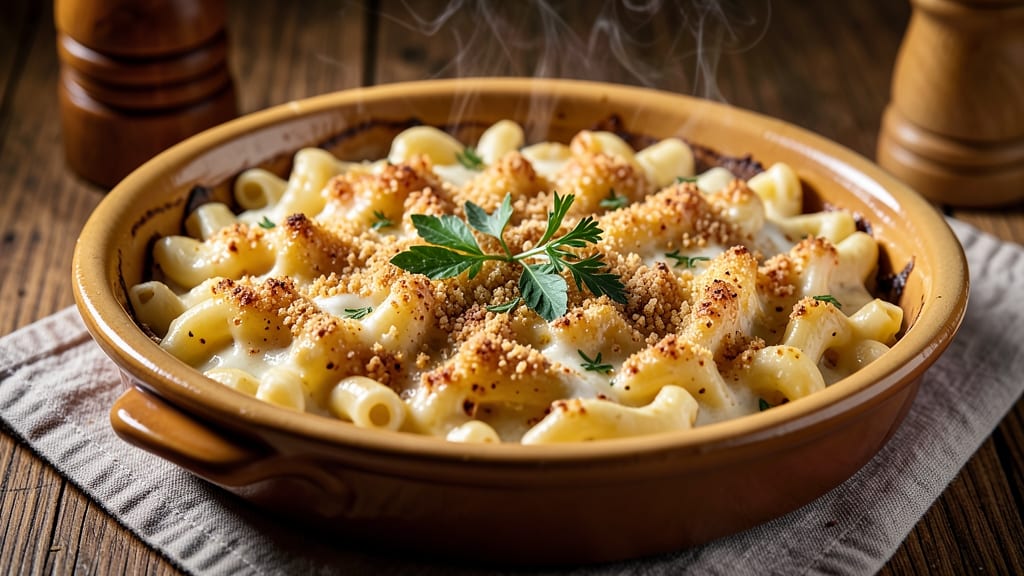
This baked mac and cheese recipe with mustard powder delivers a sharp tang that transforms ordinary comfort food into something extraordinary. The secret lies in balancing rich cheddar with just the right amount of mustard powder—adding depth without overpowering.
I developed this version after years of perfecting the technique, and it never fails to impress even the most critical palates.
The mustard powder works its magic by cutting through the creaminess of the cheese sauce, creating a perfect balance between savory and tangy. You'll start with al dente pasta, then build a velvety cheese sauce using a classic roux technique before adding that signature sharp kick.
The result is a dish that's creamy, indulgent, and packed with complex flavor in every bite.
What makes this recipe truly special is how the mustard powder enhances the cheese without dominating it. When baked, the top develops a golden, slightly crispy crust while maintaining that luscious, melt-in-your-mouth texture throughout.
This is comfort food elevated—rich enough to satisfy cravings but with a sophisticated twist that makes it perfect for any occasion.
The best part? This recipe comes together in just 45 minutes, making it ideal for weeknight dinners or special gatherings. Whether you're feeding a family or hosting a dinner party, this baked mac and cheese with mustard powder will be the star of the meal.
Let's get started on creating this flavorful masterpiece.
Ingredients for baked mac and cheese recipe with mustard powder
Sharp cheddar meets tangy mustard powder—these 13 ingredients transform ordinary mac and cheese into a bold flavor masterpiece.
| Ingredient | Amount | Notes |
|---|---|---|
| Elbow Macaroni 🍝 | 1 ½ lbs | Al dente when cooked |
| Sharp White Cheddar Cheese 🧀 | 3 cups | Shredded, block preferred |
| Heavy Whipping Cream 🥛 | 1 ½ cups | Full-fat for richness |
| Yellow Mustard Powder 🌶️ | 1 ½ tbsp | Key for tangy depth |
| Unsalted Butter 🧈 | ½ cup | Cold, cubed for roux |
| All-Purpose Flour 🌾 | ¼ cup | For creamy roux base |
| Whole Milk 🥛 | 1 ½ cups | Warmed for smooth sauce |
| Garlic Cloves 🧄 | 2 cloves | Minced for subtle aroma |
| Kosher Salt 🧂 | 1 ½ tsp | Adjust to taste |
| Ground Black Pepper 🌶️ | ½ tsp | Freshly ground preferred |
| Panko Breadcrumbs 🍞 | ½ cup | For crispy topping |
| Extra-Virgin Olive Oil 🫒 | 1 tbsp | For breadcrumb crispiness |
| Gruyère Cheese 🧀 | ½ cup | Shredded for added depth |
The cheddar is non-negotiable here. Sharp white cheddar from a block (like Cabot or Tillamook) gives that perfect balance of tang and creaminess—pre-shredded gets clumpy and lacks depth. Gruyère adds a nutty complexity that pairs beautifully with the mustard powder. For the mustard powder, Bulk Spice or Penzeys brands deliver the most authentic flavor. The elbow macaroni should be al dente—undercooked pasta holds up better to the baking process without turning mushy. I always grab extra cheese because it freezes beautifully for future batches.
No sharp cheddar? Smoked Gouda or pepper jack adds a different but delicious twist. Running out of mustard powder? Dijon mustard at half the amount works in a pinch, but you'll lose that dry powder texture. The panko topping can be swapped for crushed Ritz crackers if you're out, though it won't be as crispy. For the roux, don't rush the cooking—you want that butter to turn a deep golden color before adding flour. The garlic can be omitted if you're not a fan, but trust me, it enhances the overall flavor without overpowering. If you're making this ahead, assemble everything up to baking, then refrigerate for up to 24 hours before baking.
This reheats beautifully—honestly tastes better the next day once everything melds together. Store leftovers in an airtight container for 4-5 days in the fridge. For freezing, portion into individual servings and freeze for up to 3 months. I always make an extra serving because it disappears so fast. The crispy topping gets soggy if reheated directly, so cover with foil and warm in the oven first, then uncover to crisp again. The mustard powder flavor intensifies slightly after baking, so don't be afraid to use the full amount—it's what makes this recipe truly special.
Why You'll Love This Recipe
- Foolproof Pasta Night: I swear by this—no overcooked noodles, no lumpy cheese. Just boil the elbows, drain, and toss. That’s it. The mustard powder ties everything together without extra fuss.
- Sharp Twist: The mustard powder isn’t an afterthought—it cuts through the richness of the cheddar and cream, giving it a tangy kick. Honestly, it’s the secret weapon in my mac and cheese rotation.
- Lunchbox Hero: Between us, this is my go-to for meal prep. The baked version reheats beautifully, and the crispy top keeps it exciting. Pack it cold or warm—either way, it’s a hit with kids (and adults).
- Budget Magic: Sharp cheddar stretches further than you’d think, and the mustard powder adds depth without costing a fortune. I’ve made this for $3 a serving—no guilt, all satisfaction.
Step-by-step instructions for baked mac and cheese with mustard powder
This method delivers a creamy, tangy baked mac and cheese with a crispy golden top—every bite is pure comfort.
Cook the Elbow Macaroni to Al Dente Perfection
Bring a large pot of salted water to a rolling boil—it should taste like the ocean. Add the 1.5 lbs elbow macaroni and cook until 1 minute before the package indicates al dente (usually around 11-12 minutes). The pasta should have a slight bite but still feel tender when bitten. Drain thoroughly in a colander, shaking off any excess water.
I like to reserve 1 cup of pasta water before draining—this starchy liquid is pure gold for creating a silky sauce later. Don't rinse the pasta; you want that surface starch to help the cheese cling beautifully. Transfer the drained macaroni to a large mixing bowl and set aside.
Create the Creamy Mustard-Powder Roux
In a separate large skillet, melt the 0.5 cup unsalted butter over medium heat. Once the butter has completely melted and starts foaming, whisk in the 0.25 cup all-purpose flour all at once. Cook for 2-3 minutes, stirring constantly, until the mixture turns a light golden color and smells nutty—this is your roux.
Slowly pour in the 1.5 cups whole milk while whisking vigorously to prevent lumps. Add the 1.5 tbsp yellow mustard powder and 2 minced garlic cloves, stirring until smooth. Bring the mixture to a gentle simmer and cook for 3-4 minutes until it thickens enough to coat the back of a spoon. This is where the magic happens—the mustard powder adds that signature tangy depth.
Combine Cheese for Maximum Creaminess
Lower the heat to low and gradually add the 3 cups sharp white cheddar cheese and 0.5 cup gruyère cheese, stirring constantly until completely melted and smooth. The sauce should be thick and glossy—if it's too thick, whisk in 2-3 tablespoons of reserved pasta water to reach your desired consistency. Season with 1.5 tsp kosher salt and 0.5 tsp ground black pepper, then remove from heat.
This is where the cheese really transforms into a velvety sauce. I like to taste it at this stage—if it needs more tang, add a pinch more mustard powder. Pour the cheese sauce over the cooked macaroni and toss gently until every strand is fully coated. The mixture should be thick but still pourable.
Assemble and Bake to Golden Perfection
Transfer the macaroni mixture to a 9x13-inch baking dish, spreading it evenly into an even layer. In a small bowl, combine the 0.5 cup panko breadcrumbs with 1 tbsp extra-virgin olive oil and mix until evenly coated. Sprinkle this mixture evenly over the top of the macaroni, pressing down gently with the back of a spoon.
Bake in a 375°F preheated oven for 20-25 minutes until the top is deep golden brown and the edges are bubbling. The center should still be slightly jiggly—it'll continue cooking as it rests. For extra browning, broil for 1-2 minutes at the end, watching closely to prevent burning.
Rest and Serve with Confidence
Remove from the oven and let the mac and cheese rest for 5-10 minutes before serving. This resting period allows the cheese to set slightly, making it easier to slice and serve. The top should be crispy while the interior remains creamy and gooey—this is the perfect texture contrast.
Slice into 6 generous portions and serve immediately. The mustard powder gives it that signature tangy kick that makes this version stand out from ordinary baked mac and cheese. Pair with a simple green salad or crusty bread to complete the meal.
Pro Tips For Making Baked Mac And Cheese Recipe With Mustard Powder
- Cook pasta al dente: Your mac and cheese will fall apart if the pasta’s mushy—cook elbows one minute less than package instructions, then drain immediately. Cold pasta absorbs sauce better, so rinse briefly under lukewarm water and drain again. (Yes, even if you’re impatient like me.)
- Grate cheese fine: Sharp white cheddar has a sharp texture, and big chunks won’t melt smoothly. Use a box grater with medium holes—no food processor, or you’ll end up with a paste. If you’re lazy, buy pre-shredded but squeeze out all the anti-caking starch first. (Your sauce will thank you.)
- Temper the mustard: Sprinkle the yellow mustard powder into the warm cream before adding butter—this prevents bitter clumps. Start with ½ teaspoon, taste, then adjust. Too much? A splash of cream dilutes it faster than you’d think. (I learned this the hard way with a batch that tasted like a condiment mistake.)
- Bake covered first: Crank oven to 375°F, then bake mac and cheese covered with foil for 20 minutes. This builds a creamy base before the final 5 minutes uncovered for browning. Skip this, and you’ll either have a soup or a sad, flat top. (Your future self will thank you.)
Troubleshooting this recipe
Sauce Too Thin?
If your cheese sauce separates or feels too thin, you likely didn't cook the roux long enough or added too much milk at once. Whisk in 1-2 tablespoons of reserved pasta water to loosen the sauce gradually.
For a quicker fix, mix 1 teaspoon cornstarch with 1 tablespoon cold milk, then stir into the sauce until thickened. Always keep heat on low when adding cheese to prevent curdling. 🔥
Cheese Not Melting?
Cheese clumping usually means you added it too quickly or didn't stir enough. Lower the heat to low and add cheese gradually, whisking constantly. For stubborn clumps, place the sauce over a double boiler and stir gently until smooth.
Using sharp white cheddar (not pre-shredded) prevents clumping better. If all else fails, blend briefly with an immersion blender for a silky texture.
Mustard Overpowering?
The mustard powder should enhance, not dominate. Start with 1 teaspoon and taste as you go—you can always add more. If it's too sharp, balance it with ½ teaspoon sugar or 1 extra tablespoon heavy cream.
The baking process intensifies flavors, so err on the lighter side. For milder heat, use Dijon mustard instead (reduce to ½ teaspoon).
Top Not Crispy Enough?
For extra crunch, broil for 1-2 minutes at the end, watching closely to avoid burning. Mix 1 tablespoon grated Parmesan into the panko topping before baking. Another trick? Press the breadcrumbs firmly onto the top with the back of a spoon.
If using Ritz crackers instead, crush them finely for better texture. Always preheat your oven thoroughly to ensure even cooking.
Pasta Too Mushy?
Overcooked pasta leads to a soggy final dish. Cook pasta 1 minute less than package instructions and drain thoroughly. Shocking pasta in ice water stops cooking immediately, but don't rinse—surface starch helps the cheese cling.
For extra insurance, use freshly cooked pasta (no leftovers) and bake immediately. If needed, sprinkle 1 tablespoon flour over the pasta before adding the cheese sauce to absorb excess moisture.
Nutrition facts
Frequently asked questions
Why does this recipe use mustard powder instead of regular mustard?
The mustard powder adds a subtle, dry heat that infuses evenly throughout the dish without making it too wet or altering the texture. Regular mustard would introduce liquid, potentially thinning the sauce. Plus, the powder dissolves completely, giving you that signature tangy depth without any graininess.
Can I make this ahead of time?
Assemble the dish up to the baking step, cover tightly with foil, and refrigerate for up to 24 hours. When ready to bake, add 10-15 extra minutes to the baking time (cover with foil for the first 15 minutes to prevent over-browning). The flavors actually develop better overnight!
What's the best way to reheat leftovers?
Cover with foil and warm in a 350°F oven for 15-20 minutes until heated through. For extra crispiness, broil for 1-2 minutes at the end. Microwaving works too, but it'll make the topping soggy—always cover with a damp paper towel and heat in 30-second intervals.
Can I substitute Gruyère with another cheese?
Yes! Swap the 0.5 cup Gruyère for 0.5 cup smoked Gouda (for extra depth) or 0.5 cup Monterey Jack (for a milder flavor). Avoid pre-shredded cheese—it contains anti-caking agents that prevent proper melting. If you're out of Gruyère, add 1 tablespoon nutritional yeast for a cheesy umami boost.
How do I adjust the spice level?
For milder heat, reduce mustard powder to 1 teaspoon or use ½ teaspoon Dijon mustard (blended with 1 tablespoon milk). For extra kick, add ½ teaspoon smoked paprika or ¼ teaspoon cayenne pepper** to the cheese sauce. Remember, baking intensifies flavors, so start conservative!