
Salads
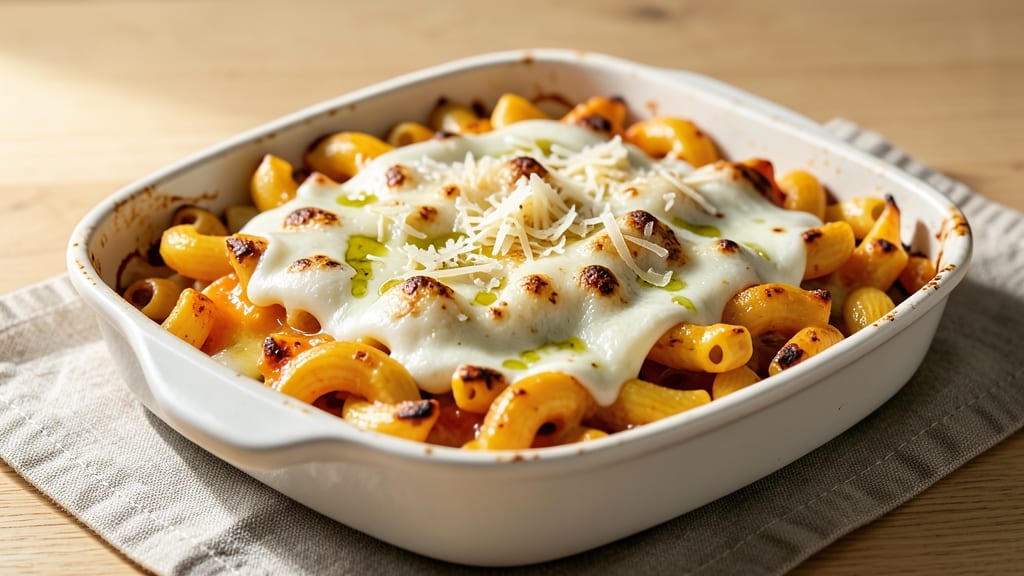
This baked macaroni and four cheese recipe delivers restaurant-quality comfort food with a triple-layered approach that guarantees gooey perfection every time.
The secret lies in balancing sharp cheddar, creamy cream cheese, nutty Gruyère, and salty Parmesan—each playing its part to create a sauce that coats every noodle and bubbles to golden glory.
I've perfected this technique after years of testing, ensuring the pasta stays al dente while the cheese develops that signature caramelized crust.
The foundation starts with elbow macaroni cooked just shy of al dente, then tossed with a roux-based cheese sauce that thickens beautifully in the oven. Four cheeses work together: sharp cheddar provides tang, cream cheese adds richness, Gruyère contributes nutty depth, and Parmesan brings umami punch.
A final topping of buttery breadcrumbs transforms the dish from ordinary to extraordinary, creating that coveted crispy texture that contrasts perfectly with the creamy interior.
What you'll end up with is a bubbling, golden casserole that's impossible to resist—each forkful delivers perfectly cooked pasta suspended in a velvety cheese sauce with a crispy top layer that's worth the wait.
The aroma alone will have everyone gathering around the table, and the first bite proves this is comfort food at its finest. This recipe serves 6 generously, making it ideal for family dinners or holiday gatherings where hearty dishes are always welcome.
For those who love customization, you can easily swap cheeses based on what you have on hand while maintaining that perfect balance. The 375°F oven temperature is critical—it's hot enough to create that golden crust without overcooking the pasta underneath.
Let's get started on creating this cheesy masterpiece that will become a staple in your dinner rotation.
Ingredients for baked macaroni and 4 cheese
Six hearty ingredients transform into bubbling, golden comfort food that's restaurant-quality at home.
| Ingredient | Amount | Notes |
|---|---|---|
| Elbow Macaroni 🍝 | 1 ½ lb | Cooked al dente, drained |
| Sharp Cheddar Cheese 🧀 | 1 ½ cups | Shredded, aged 6+ months |
| Cream Cheese 🧈 | 8 oz | Full-fat, room temperature |
| Gruyère Cheese 🧀 | 1 cup | Shredded, nutty flavor |
| Parmesan Cheese 🧀 | ½ cup | Freshly grated from block |
| Unsalted Butter 🧈 | ½ cup | Cold, cubed for roux |
| All-Purpose Flour 🌾 | ¼ cup | For roux base |
| Whole Milk 🥛 | 1 cup | Warmed for smooth sauce |
| Garlic Cloves 🧄 | 3 cloves | Minced for aromatic depth |
| Pasta Water 💧 | ½ cup | Reserved from cooking |
| Panko Breadcrumbs 🍞 | ½ cup | For crispy topping |
| Dried Mustard 🌶️ | ½ tsp | For subtle tang |
| Salt 🧂 | 1 ½ tsp | Diamond Crystal preferred |
| Black Pepper 🌶️ | ½ tsp | Freshly ground |
| Nutmeg 🌿 | ¼ tsp | Freshly grated |
The cheeses are non-negotiable here—Gruyère from France (or Swiss Emmental if unavailable) brings that nutty depth, while sharp cheddar from Wisconsin adds tang. I always grab Cabot Creamery for the cream cheese—it melts like a dream. The Parmesan? Parmigiano-Reggiano from a deli counter (not the canned stuff) makes all the difference. Pro tip: Shred your own cheeses—pre-shredded packs contain anti-caking agents that make the sauce grainy. For the macaroni, De Cecco or Barilla are my go-tos—they hold up perfectly during baking.
No Gruyère? Swiss cheese or extra sharp cheddar works in a pinch. Out of cream cheese? Substitute with an extra 0.5 cup of sharp cheddar plus 2 tbsp sour cream—it won't be identical, but close. The mustard is key for that subtle tang—Dijon or yellow both work, but don't skip it entirely. For the roux, European-style butter (like Plugrá) gives richer flavor than American brands. The breadcrumbs? Panko stays crispy—regular breadcrumbs get soggy. And that pasta water? Don't drain it completely—those starchy waters are the secret to a silky sauce.
This casserole tastes even better the next day, so make a double batch if you can. Store leftovers covered in the fridge for 4-5 days, reheating at 350°F until bubbly. For freezing, portion into individual servings before baking—freezes for 3 months and reheats beautifully. The breadcrumb topping gets extra crispy when reheated, so I often add a sprinkle of Parmesan on top before serving. Trust me, the first bite is worth the wait.
Why You'll Love This Recipe
- One-Pan Magic: I swear by this recipe—just toss the pasta, cheese, and a splash of milk into one dish, bake, and walk away. No boiling, no straining, no extra pots. (Yes, even on a Tuesday night.)
- Creamy Crunch Perfection: That sharp cheddar and Gruyère combo? It’s ridiculously good—the chedddar melts smooth while the Gruyère adds little nutty bites. The cream cheese ties it all together like a hug in food form.
- Lunchbox Hero: Make a double batch, and you’ve got tomorrow’s lunch sorted. Pack it cold or reheat it—it’s just as good the next day, and way cheaper than takeout. My kids fight over it. (I let them win.)
- Budget Cheese Flex: Sharp chedddar and Parmesan stretch further than you’d think, and cream cheese keeps the cost down without skimping on flavor. It’s my go-to when I want something fancy but don’t want to break the bank.
Step-by-step instructions for triple-layered baked macaroni
Here's how to build the perfect cheesy layers—crispy topping, creamy middle, and al dente pasta base.
Cook and Prepare the Elbow Macaroni
Bring a large pot of water to a rolling boil and add 1.5 pounds of elbow macaroni. Cook until the pasta is al dente—1 minute less than the package instructions specify. This ensures it holds its shape during baking while still being tender. Reserve ½ cup of pasta water before draining, as we'll use it later to create a silky sauce.
While the pasta cooks, have a colander ready to drain it immediately. Overcooking will turn the pasta mushy during the baking process. Once drained, give the pasta a quick rinse under cold water to stop the cooking process completely. Toss it with 1 tablespoon of the reserved pasta water to prevent sticking. This step is crucial for maintaining the texture we want in our final dish.
Create the Creamy Cheese Sauce
In a large mixing bowl, combine 1.5 cups of shredded sharp cheddar cheese, 1 cup of shredded Gruyère cheese, 8 ounces of room-temperature cream cheese, ½ cup of freshly grated Parmesan cheese, ½ teaspoon of dried mustard, ½ teaspoon of black pepper, and ¼ teaspoon of freshly grated nutmeg. Mix until fully combined and smooth.
In a separate saucepan, melt ½ cup of cold unsalted butter over medium heat. Once melted, whisk in ¼ cup of all-purpose flour to create a roux. Cook for 1-2 minutes until the mixture turns a light golden color. Slowly pour in 1 cup of warmed whole milk while whisking continuously to prevent lumps from forming. Stir in the minced 3 cloves of garlic and let the sauce simmer for 3-4 minutes until it thickens enough to coat the back of a spoon.
Assemble the Triple-Layered Casserole
Preheat your oven to 375°F. Grease a 9x13-inch baking dish with butter or cooking spray to prevent sticking. Start by spreading half of the cooked elbow macaroni evenly across the bottom of the dish, creating a thin, even layer. This forms the foundation of our dish and ensures even baking.
Next, spread half of the creamy cheese sauce evenly over the pasta layer. Top this with the remaining macaroni, creating another even layer. Finally, spread the remaining cheese sauce over the top layer of pasta. The goal is to create a smooth, even surface that will bake uniformly. This layering technique is what gives this dish its signature texture and flavor profile.
Add the Crispy Topping and Bake
In a small bowl, combine ½ cup of panko breadcrumbs, 1 teaspoon of salt, ¼ teaspoon of black pepper, and ¼ teaspoon of freshly grated nutmeg. Sprinkle this mixture evenly over the top of the casserole, pressing down gently to ensure it adheres to the cheese sauce. This topping will create a delicious contrast to the creamy layers beneath.
Place the baking dish on the middle rack of your oven and bake for 25-30 minutes, until the top is golden brown and the edges are bubbling. The center should be hot and the cheese should be fully melted. If the top browns too quickly, tent it loosely with aluminum foil to prevent burning while allowing the cheese to melt completely. Remove from the oven and let it rest for 5-10 minutes before serving—this allows the layers to set and makes it easier to slice.
Pro Tips For Making Baked Macaroni And 4 Cheese
- Cook pasta al dente: Baked mac and cheese starts with pasta that’s just firm enough to bite into—no mushy nonsense. Toss the drained elbows back into the pot with a splash of pasta water (about ¼ cup) and let them sit for 30 seconds off the heat. That extra starch is what makes the sauce cling like it’s supposed to.
- Shred cheddar aggressively: I learned this the hard way—pre-shredded cheddar is coated in anti-caking agents that turn your sauce into a sad, grainy sludge. Use a box grater for sharp cheddar (the finer, the better) and resist the urge to skip the Gruyère—its nutty depth makes all the difference. Skip the pre-shredded stuff unless you’re okay with texture failure.
- Bake uncovered first: The golden crust isn’t just for looks—it’s the thing that matters most. Bake the casserole uncovered for the first 15 minutes at 375°F (yes, even if it looks messy). Covering too soon traps steam and turns your top into a sad, pale blanket. Trust me, the wait is worth the crispy reward.
- Press parmesan on top: This isn’t the prettiest method, but it’s the tastiest. After mixing the cheese sauce, press a handful of freshly grated parmesan directly onto the top of the casserole before baking. It melts into a rich, salty crust that no sprinkling halfway through can match. (Your future self will thank you.)
Troubleshooting this recipe
Cheese Sauce Too Thin?
If your cheese sauce separates or looks too thin after baking, it’s likely because the roux didn’t thicken enough or the milk was added too quickly.
To fix this, whisk 1 tablespoon of cornstarch mixed with 1 tablespoon cold water into the sauce and simmer for 2-3 minutes until it thickens. For next time, cook your roux for 3-4 minutes until it reaches a light golden color before adding milk—this ensures proper thickening. 🧈
Pasta Overcooking Issue
The most common mistake is overcooking the pasta, which leads to a mushy texture after baking. Always cook it 1 minute less than package instructions and rinse immediately with cold water to stop cooking.
Toss with 1 tablespoon of reserved pasta water to prevent sticking. If your pasta feels too soft after baking, reduce cook time by 30 seconds next time. 🍝
Topping Not Crispy Enough
If your breadcrumb topping stays soggy, it’s likely because the cheese sauce wasn’t fully set before baking. Press the breadcrumbs firmly into the sauce and bake at 375°F for 5-10 minutes longer to crisp them up.
For extra crunch, sprinkle an additional ¼ cup of panko on top right before serving. Avoid using regular breadcrumbs—they absorb moisture and won’t stay crisp. ✨
Cheese Separating After Baking
Cheese separation happens when the sauce overheats or the cheeses aren’t fully melted together. To prevent this, ensure all cheeses are room temperature before mixing and stir the sauce constantly while heating.
If separation occurs, blend the sauce briefly with an immersion blender or whisk vigorously until smooth. Adding 1 tablespoon of Dijon mustard to the sauce helps emulsify the cheeses. 🧀
Uneven Baking
Uneven baking often results from an uneven layer of pasta or sauce. Spread each layer as thinly and evenly as possible—use a spatula to smooth out the sauce. Place the baking dish on the middle rack of the oven for even heat distribution.
If one side browns faster, rotate the dish halfway through baking. A 9x13-inch baking dish is ideal—avoid larger pans that require longer baking times. 🔥
Cheese Sauce Too Salty
If your finished dish tastes too salty, it’s likely from the cheeses or the breadcrumb topping. Taste the cheese sauce before baking—if it’s already salty, reduce the salt in the breadcrumb mix.
Use low-sodium cheeses if needed, and balance flavors with a splash of whole milk or a pinch of sugar to cut the saltiness. For future batches, adjust salt in small increments and taste frequently. 🧂
Nutrition facts
Frequently asked questions
Can I use different cheeses in this recipe?
While the original recipe uses sharp cheddar, Gruyère, cream cheese, and Parmesan, you can swap cheeses while keeping the same ratios. For example, try Monterey Jack for a milder flavor or fontina for extra creaminess. Just ensure one cheese remains sharp (like cheddar) and another adds creaminess (like cream cheese). Avoid pre-shredded cheese—it contains anti-caking agents that make the sauce grainy.
How do I prevent the pasta from getting mushy during baking?
Cook the macaroni 1 minute less than package instructions and rinse immediately with cold water to stop cooking. Toss with 1 tablespoon of reserved pasta water to prevent sticking. Spread the pasta in an even layer in the baking dish—thicker layers trap steam and cause mushiness. For extra insurance, bake at 375°F for 25-30 minutes max.
Can I make this recipe ahead of time?
Yes! Assemble the casserole (without the breadcrumb topping) up to 24 hours ahead and refrigerate. When ready to bake, cover with foil and bake at 375°F for 30-35 minutes (the extra time accounts for the cold start). For the crispy topping, add fresh panko after baking. Leftovers keep for 4-5 days in the fridge—reheat at 350°F until bubbly.
Why did my cheese sauce separate?
Cheese sauce often separates when the roux isn't cooked long enough or the cheeses aren't fully melted together. Fix it by whisking 1 tablespoon cornstarch mixed with 1 tablespoon cold water into the sauce and simmering for 2-3 minutes. For future batches, cook your roux until it reaches a light golden color (about 3-4 minutes) before adding milk, and ensure all cheeses are room temperature.
Can I make this in a different-sized baking dish?
For best results, stick to a 9x13-inch baking dish—it provides the ideal surface area for even baking. If using an 8x8-inch dish, reduce the recipe by half. Larger dishes (like 11x15-inch) will require longer baking times and may result in uneven cooking. If you must use a different size, spread the layers as thinly as possible and check for doneness 5-10 minutes early.