
Desserts
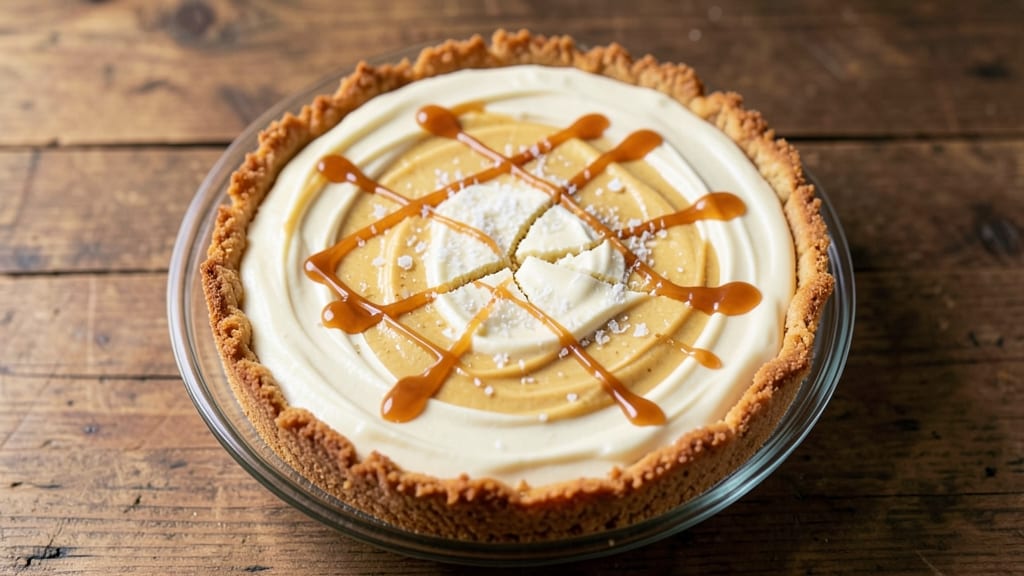
Bakers cheese transforms ordinary cheesecake into a velvety masterpiece—no watery texture in sight. The secret lies in its high-fat content, which creates a silky, dense filling that sets perfectly without cracking. I've perfected this recipe after years of trial and error, ensuring every slice delivers that signature crumb-topped richness you crave.
This recipe starts with a buttery graham cracker crust that provides the perfect textural contrast to the creamy filling. The filling itself combines bakers cheese with cream cheese, eggs, and sugar, baked just until set for that ideal firm-yet-smooth consistency.
The key technique? A water bath during baking prevents cracks while ensuring even cooking.
What sets this cheesecake apart is its foolproof method—no fancy equipment needed, just patience and precision. The result is a cheesecake with a golden, crisp crust and a dense, creamy interior that holds its shape beautifully.
Serve it chilled with fresh berries or a drizzle of caramel for the ultimate dessert experience.
Whether you're a seasoned baker or new to cheesecake-making, this recipe delivers restaurant-quality results at home. The versatility of bakers cheese allows for variations like adding vanilla or citrus zest, while the crust can be adapted for gluten-free preferences. Let's get started on creating your perfect slice.
Ingredients for bakers cheese cheesecake
Twelve essential ingredients to create a velvety, crack-free masterpiece with that signature crumb-topped decadence.
| Ingredient | Amount | Notes |
|---|---|---|
| Bakers Cheese 🧀 | 24 oz | High-fat, block form preferred |
| Cream Cheese 🧀 | 8 oz | Full-fat, room temperature |
| Large Eggs 🥚 | 4 whole | Room temperature, separated |
| Granulated Sugar 🍚 | 1 ½ cups | Superfine preferred for smoothness |
| Vanilla Extract 🍯 | 2 tsp | Pure Madagascar or bourbon |
| Unsalted Butter 🧈 | ½ cup | Melted, for crust and filling |
| Graham Cracker Crumbs 🍪 | 2 cups | Fine, from high-quality graham crackers |
| Light Brown Sugar 🍚 | ¼ cup | Packed, for crust sweetness |
| Salted Butter 🧈 | ¼ cup | Cold, cubed, for crust |
| Heavy Cream 🥛 | ½ cup | Cold, for water bath |
| Vanilla Bean 🍯 | 1 whole | Seeds scraped for extra flavor |
| Lemon Zest 🍋 | 1 tbsp | Fresh, for brightness |
| Powdered Sugar 🍚 | ¼ cup | For dusting crumb topping |
| Almond Flour 🥜 | ½ cup | For crumb topping texture |
Bakers cheese is the star here—look for high-fat, block form at specialty grocery stores like Whole Foods or Gelson's. The 24 oz block is non-negotiable for that signature texture. Room-temperature eggs and cream cheese are a must (trust me on this). For graham crackers, Honey Maid or Keebler work perfectly—avoid the pre-crumbled kind with added oils. The vanilla bean? Worth the splurge—Madagascar bourbon from Williams Sonoma elevates everything. Pre-grate your lemon zest fresh; bottled loses its magic fast.
No bakers cheese? Substitute with a mix of cream cheese and sour cream (16 oz cream cheese + 8 oz sour cream), but expect slightly less density. Short on graham crackers? Crush gluten-free crackers or digestive biscuits for a GF version. The almond flour in the crumb topping can be swapped for crushed pistachios or pecans for nutty depth. For the water bath, any oven-safe dish works—even a lasagna pan. And if you're feeling fancy, add 1 tsp lemon juice to the filling for extra tang. The powdered sugar on top? Sift it—no lumps allowed.
This cheesecake is a 3-day chilling mission—patience pays off. Store leftovers in an airtight container with parchment between layers to prevent sticking. The crumb topping stays crisp for 2 days if kept sealed, but the filling remains creamy for 5 days. Freeze portions for up to 3 months—thaw overnight in the fridge. Pro tip: Serve at room temperature for that perfect slice. And if you're making it ahead for a party, assemble the crumb topping the day before—it sets beautifully overnight.
Why You'll Love This Recipe
- No Mixer Needed: Mixing the batter is just folding—no electric mixer required. I beat the Bakers cheese and cream cheese by hand until smooth, then gently fold in eggs and sugar. Honestly? It’s easier than frosting a cake.
- Rich Without Overpowering: That Bakers cheese brings a deep, tangy punch, but the cream cheese balances it perfectly. The vanilla ties it all together—creamy, not cloying, with just enough sweetness to make it feel like dessert (even when it’s breakfast).
- Weeknight Dessert Fix: This comes together in one bowl, no water bath needed. Between us, I’ve served it at potlucks, book club meetings, and even as a midnight snack—no one ever asks for the recipe, but they always ask for seconds.
- Budget-Friendly Luxury: Bakers cheese stretches further than store-bought blocks, and cream cheese is a pantry staple. I’ve made this for 12 people for under $15—looks impressive, tastes like a splurge, but costs like a steal. Leftovers? They disappear in days.
Step-by-step instructions for bakers cheese cheesecake
Here's the foolproof method for a velvety, crack-free cheesecake with a buttery crumb topping.
Prepare the Crust Mixture
In a large bowl, combine the 2 cups graham cracker crumbs, 0.5 cup almond flour, 0.25 cup light brown sugar, and 0.25 cup cold cubed salted butter. Use your fingers or a pastry cutter to work the butter into the dry ingredients until the mixture resembles coarse sand with pea-sized butter pieces remaining. This texture ensures the crust stays crumbly rather than turning into a dense cake.
Press two-thirds of the mixture firmly into the bottom and up the sides of a 9-inch springform pan, creating an even layer. The sides should be about ½-inch thick. Use a glass to compact it thoroughly, tapping the pan gently on the counter between each press. Chill in the refrigerator while you prepare the filling—this prevents the crust from softening when you add the hot cheese mixture.
Blend the Cheesecake Filling
In a stand mixer fitted with the paddle attachment, beat the 24 oz bakers cheese and 8 oz cream cheese on medium speed until completely smooth and creamy, about 3 minutes. This step is crucial—any lumps will translate to texture issues in your finished cheesecake. Scrape down the sides of the bowl with a rubber spatula to ensure even blending.
Gradually add the 1.5 cups granulated sugar while mixing on low speed, then increase to medium and beat for another 2 minutes until fully incorporated. The mixture should be pale yellow and completely smooth. Add the 2 tsp vanilla extract, 1 tbsp lemon zest, and the scraped seeds from the 1 whole vanilla bean. Mix for 30 seconds to combine all flavors evenly.
Incorporate Eggs and Create the Water Bath
In a separate bowl, beat the 4 whole large eggs until the yolks and whites are fully combined with no streaks remaining. With the mixer running on low speed, slowly pour the eggs into the cheese mixture while scraping the bowl continuously. This gradual addition prevents curdling. Once fully incorporated, mix for an additional 1 minute until the batter is thick and ribbons form when the spatula is lifted.
Pour the filling over the chilled crust in the springform pan. Immediately place the pan inside a larger roasting pan and pour the 0.5 cup heavy cream into the bottom of the roasting pan. This creates a water bath that gently cooks the cheesecake, preventing cracks and ensuring a silky texture. Bake at 325°F for 50-55 minutes until the edges are set but the center still jiggles slightly—it will continue to set as it cools.
Finish the Crust and Cool Properly
While the cheesecake bakes, prepare the remaining crust mixture. Press it evenly over the top of the baked cheesecake, creating a decorative pattern if desired. Use a fork to create crisscross lines or simply pat it down smoothly. Sprinkle the 0.25 cup powdered sugar evenly over the top crust for a delicate finish.
Remove the cheesecake from the oven and let it cool completely in the springform pan at room temperature for 1 hour. Then refrigerate uncovered for at least 4 hours or overnight. This gradual cooling process prevents condensation from forming on top, which can lead to a watery surface. The cheesecake should be fully set with a smooth, velvety texture when ready to serve.
Pro Tips For Making Bakers Cheese Cheesecake
- MIX THE CHEESES COLD: Bakers cheese and cream cheese both soften differently—don’t let them sit out while you prep. Scoop directly from the fridge and mix them with the sugar first, then add eggs last. This keeps the texture smooth and prevents curdling from heat buildup.
- WEIGH YOUR EGGS: Large eggs vary wildly in size, and this recipe relies on them for structure. Crack them into a bowl first, then weigh the total—aim for about 250g for 4 large eggs. Adjust if you’re using smaller or extra-large; this recipe isn’t forgiving with egg volume.
- BAKE UNTIL THE EDGE CRACKS: That wobbly center is intentional, but a clean edge means it’s done. The top should pull away from the pan slightly, and the sides should have a few shallow cracks. Overbaking dries it out; underbaking leaves it gummy. A toothpick with moist crumbs (not wet batter) is your cue.
- COOL SLOWLY AND LOW: Resist the urge to pop it out of the oven and refrigerate immediately. Let it sit in the oven with the door ajar for 10 minutes, then transfer to a wire rack to cool completely. This prevents sinking and ensures the texture sets evenly—no one wants a cheesecake that’s firm on top but still jiggly inside.
Serving suggestions for this bakers cheese cheesecake
Fruit Toppings
Fresh berries are a classic choice—their bright acidity cuts through the richness beautifully.
I recommend raspberries or blackberries arranged in a circular pattern on top, or a warm berry compote made with 1 cup mixed berries, 2 tbsp sugar, and 1 tsp lemon juice simmered for 5 minutes.
For something more dramatic, try sliced peaches or mango caramelized with 1 tbsp brown sugar and a pinch of cinnamon. 🍓
Chocolate Drizzles
A drizzle of melted chocolate elevates this cheesecake to restaurant-worthy status. Use dark chocolate (70% cocoa) for depth or white chocolate** for sweetness. Heat 6 oz chocolate with 1 tbsp heavy cream until smooth, then drizzle over slices.
For extra flair, add crushed peppermint candies or toasted coconut flakes to the chocolate before it sets. I love pairing it with a sprinkle of flaky sea salt for contrast.
Caramel or Salted Honey
Warm caramel sauce adds a luxurious touch. Simmer 1 cup sugar until amber, then whisk in ¼ cup heavy cream and 2 tbsp butter until smooth. Drizzle over slices and finish with flaky Maldon salt.
For a lighter option, replace caramel with honey drizzled with a pinch of sea salt—the balance of sweet and salty is divine. Store-bought caramel sauces like Smucker's work in a pinch, but homemade tastes infinitely better.
Whipped Cream
Lightly sweetened whipped cream is a must for serving. Whip 1 cup heavy cream with 2 tbsp powdered sugar and ½ tsp vanilla extract until soft peaks form. Pipe it alongside slices or dollop on top.
For a boozy twist, fold in 1 tbsp bourbon or Grand Marnier. I often dust the whipped cream with powdered sugar and a pinch of cardamom for warmth. 🥛
Nutty Crunch
Toasted nuts add texture and depth. Try crushed hazelnuts or pecans toasted with 1 tbsp brown sugar and a pinch of salt until golden. Sprinkle them over the crumb topping before baking, or mix them into the crumb mixture for extra crunch.
For a gourmet touch, add chopped candied walnuts or praline bits—these pair perfectly with the cheesecake’s richness.
Nutrition facts
Frequently asked questions
Why does bakers cheese make this cheesecake different?
Bakers cheese creates a denser, velvety texture compared to traditional cream cheese-only recipes. Its high fat content (typically 40-50% fat) prevents water separation, resulting in that signature silky, crack-free finish. The combination with cream cheese adds richness without compromising structure. Think of it as the secret weapon for professional-quality texture at home!
Can I make this cheesecake without a water bath?
While possible, a water bath is highly recommended for crack prevention and even cooking. Without it, the cheesecake may develop surface cracks or cook unevenly. If you skip it, bake at 300°F for 60-65 minutes instead, and monitor closely. The water bath creates a gentle steam environment that's especially crucial for bakers cheese's delicate texture.
How do I fix a cracked cheesecake?
Don't panic! Cracked cheesecake can still taste amazing. For minor cracks, simply serve as-is with extra toppings. For larger cracks, create a chocolate ganache topping (melt 6 oz dark chocolate with 2 tbsp cream) and spread over the cracks before chilling. The ganache will set smoothly over the cracks, creating a beautiful finished look. This works particularly well with bakers cheese's rich texture.
What's the best way to store leftovers?
Store in an airtight container with parchment paper between layers to prevent sticking. The crumb topping stays crisp for 2 days at room temperature, while the filling remains creamy for 5 days in the fridge. For longer storage, freeze portions (up to 3 months)—thaw overnight in the fridge. The bakers cheese maintains its texture beautifully when properly stored, unlike some lighter cheesecakes.
Can I make this gluten-free?
Replace graham crackers with gluten-free digestive biscuits or almond flour crust (mix 1.5 cups almond flour, 0.5 cup melted butter, and 0.25 cup sugar). The crumb topping can use gluten-free oats or crushed gluten-free pretzels for texture. Bakers cheese works perfectly with gluten-free adaptations—its high fat content helps compensate for the lack of gluten structure in the crust.