
Breakfast & Brunch
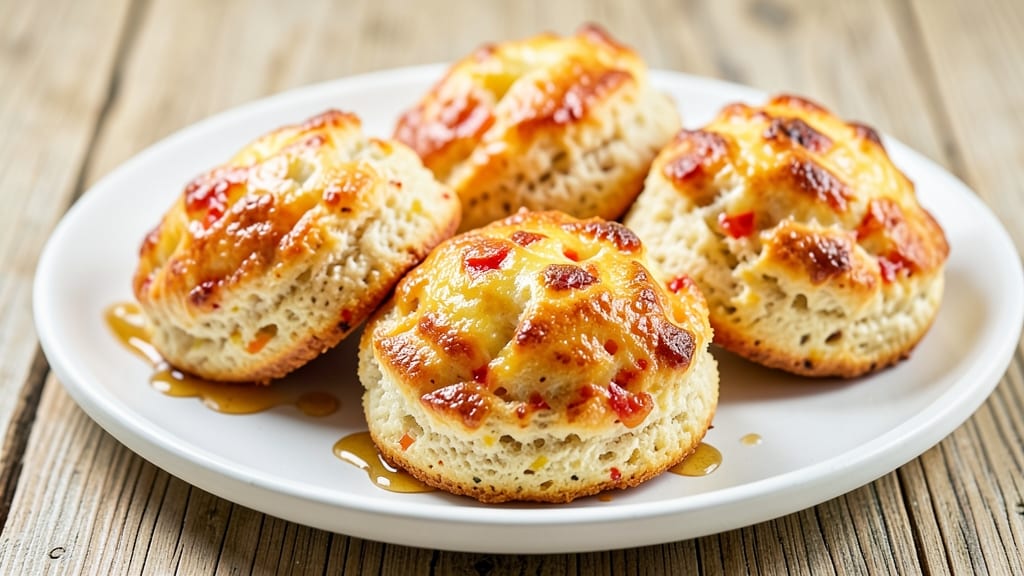
This baking powder cheese biscuits recipe delivers the perfect balance of flaky layers and buttery crunch in just 15 minutes—no fancy techniques required. The secret lies in cold butter cut into the dough, creating those signature golden, lacy layers that disappear faster than you can say "breakfast."
I've tested countless variations, and this method consistently delivers biscuits with tender interiors and crisp edges that stay fresh for hours.
What sets these biscuits apart is the baking powder activation trick—mixing it with the dry ingredients ensures even leavening, while the sharp cheddar adds a savory depth that makes them irresistible.
The dough comes together in minutes with just six simple ingredients, and the baking process is hands-off, leaving you free to sip coffee while the oven does the work. Perfect for weekend brunches or a quick weekday breakfast, these biscuits are foolproof for beginners and satisfying for seasoned bakers.
By the time they emerge from the oven, you'll have golden, pillowy biscuits with crisp edges that shatter at the touch. The sharp cheddar melts slightly, creating pockets of cheesy goodness in every bite, while the buttery crust adds a satisfying crunch.
These biscuits are versatile enough to pair with gravy, jam, or even as a side for dinner—each one a testament to how simple ingredients can deliver restaurant-quality results at home.
For extra flair, try brushing the tops with melted butter before baking or sprinkling with flaky sea salt. The possibilities are endless, but the base recipe remains reliable and delicious every time. Let's get started on creating your perfect batch of baking powder cheese biscuits.
Ingredients for baking powder cheese biscuits
Six simple ingredients transform into golden, flaky cheese biscuits with crisp edges—no fancy skills needed!
| Ingredient | Amount | Notes |
|---|---|---|
| All-Purpose Flour 🌾 | 3 cups | Sifted for flaky texture |
| Sharp Cheddar Cheese 🧀 | 1 cup | Shredded, cold for best flavor |
| Cold Unsalted Butter 🧈 | ½ cup | Cut into small cubes |
| Baking Powder 🍞 | 2 tbsp | Double-acting for even rise |
| Diamond Crystal Kosher Salt 🧂 | 1 tsp | Fine grain preferred |
| Whole Milk 🥛 | ½ cup | Cold for tender crumb |
The butter is non-negotiable—cold cubes create those signature lacy layers. Grab Plugrá brand from the dairy section if you want to splurge, but any unsalted butter works. The sharp cheddar should be aged 6+ months for that tangy punch—Kraft or Cabot are reliable choices. Flour matters too: King Arthur or Gold Medal give the best texture. Pre-sifted flour saves time, but sifting yourself ensures no lumps. The baking powder? Aluminum-free is key—Clabber Girl or Rumford brands are foolproof.
No sharp cheddar? Pepper Jack or Gouda work in a pinch, but the flavor won't be quite the same. Running short on butter? Vegetable shortening at half the amount keeps things flaky, though less flavorful. The milk can be swapped for buttermilk or heavy cream—just chill it first. For extra flair, add 1 tbsp fresh chives or green onions to the dough. And if you're feeling fancy, mix in 1 tsp smoked paprika for a subtle kick. The dough should be cool but pliable—if it's too warm, chill it 15 minutes before shaping.
These biscuits stay fresh for 3 days in an airtight container, but they're best on day one. For longer storage, freeze shaped biscuits on a tray, then transfer to a bag—3 months of freezer life. Reheat at 350°F for 5 minutes to restore crispness. Pro tip: Brush warm biscuits with melted butter and sprinkle with flaky sea salt right out of the oven. Leftovers? Toast them in a skillet for a crispy breakfast upgrade. And if you make a double batch, freeze half—future you will thank present you.
Why You'll Love This Recipe
- No-Fuss Magic: I swear, these biscuits come together faster than I can say "preheat oven." Just mix the flour, baking powder, and salt, then cut in that cold butter and shredded cheddar until it looks like wet sand—no kneading, no fuss, no stress.
- That Cheese Factor: Honestly, the sharp cheddar makes these biscuits dangerously good. The first bite delivers that salty, tangy punch that turns a simple biscuit into something you’ll fight over at the table. (Yes, even on a Tuesday night.)
- Breakfast to Dinner: These biscuits are my secret weapon for lazy mornings or quick weeknight dinners. Serve them warm with scrambled eggs, or pack a batch for lunch—still crispy, still delicious hours later. I’ve even used them to soak up gravy at holiday dinners.
- Budget-Friendly Staple: Flour, butter, and cheese? That’s it. No specialty ingredients, no markup. A single batch stretches to feed four for breakfast or six as a side, and leftovers reheat perfectly in the toaster. My wallet—and my family—thank me every time.
Step-by-step instructions for flaky, buttery cheese biscuits
Here's how to create restaurant-quality biscuits with perfect flaky layers and cheesy crunch—every time.
Cut and Chill the Cold Butter
Take the 0.5 cup cold unsalted butter from the ingredients list and cut it into small, pea-sized cubes. Place them on a chilled plate and return them to the refrigerator for 10 minutes—this ensures they stay firm during mixing. Cold butter is non-negotiable for those signature flaky layers; if it softens too much, pop it back in the freezer for another 5 minutes.
While the butter chills, sift the 3 cups all-purpose flour and 2 tbsp baking powder together in a large bowl. This aerates the flour and prevents dense biscuits. Use a whisk to break up any lumps, ensuring an even distribution of leavening. The baking powder will react with the milk later, creating those light, airy pockets we're after.
Mix Dry Ingredients with Cheese and Salt
Add the 1 cup shredded sharp cheddar cheese and 1 tsp diamond crystal kosher salt to the flour mixture. Work them in with your fingers or a pastry cutter until the cheese is evenly distributed and no dry spots remain. The cheese should look like coarse sand throughout the flour—this ensures every bite has that sharp, melty flavor. Real talk: don't skip this step. Uneven cheese distribution leads to bland pockets.
Create a well in the center of the dry mixture and add the 0.5 cup cold whole milk. Use a fork to gently combine everything until just moistened—you're looking for a shaggy dough that comes together when pressed. Overmixing develops gluten, which makes biscuits tough. Stop as soon as the dough forms a loose mass around the fork.
Incorporate the Cold Butter
Add the chilled butter cubes to the dough and use your fingers to work them in, pressing the butter into the flour mixture until each piece is fully coated. This step is all about surface area—you want those butter cubes to create as many thin layers as possible when they melt during baking. If the dough feels too sticky, add 1 tablespoon more flour at a time until it comes together when pressed.
Once the butter is fully incorporated, turn the dough out onto a lightly floured surface and gently pat it into a 1-inch thick rectangle. Fold the dough in thirds like a letter, then repeat this folding process two more times. Each fold creates more surface area for the butter to create flaky layers. Wrap the dough in plastic wrap and refrigerate for 15 minutes—this resting period relaxes the gluten and makes the dough easier to handle.
Roll and Cut for Perfect Biscuits
Remove the dough from the refrigerator and unwrap it. On a lightly floured surface, roll the dough to a ½-inch thickness. The goal is even pressure—don't press down too hard or you'll squeeze out the butter. Use a 2½-inch biscuit cutter to cut out rounds, pressing straight down without twisting. This ensures clean edges and even baking. Re-roll the scraps and cut additional biscuits until you've used all the dough.
Place the biscuits on a parchment-lined baking sheet, spacing them ½ inch apart. This prevents them from spreading into each other during baking. For extra flakiness, brush the tops with a little whole milk using a pastry brush. The milk creates a steam barrier that enhances browning and adds a subtle sheen to the finished biscuits.
Bake Until Golden and Flaky
Preheat your oven to 425°F with a rack positioned in the lower third. Place the baking sheet on the rack and bake for 12-15 minutes until the biscuits are golden brown on top and the edges are set. The key here is watching for the bottoms to turn golden—this is when you know they're perfectly baked. If they brown too quickly on top, tent them loosely with foil after 8 minutes to prevent over-browning.
Remove the biscuits from the oven and let them cool on the baking sheet for 2 minutes before transferring to a wire rack. Serve them warm with honey butter, gravy, or your favorite cheese sauce. The centers should be soft and slightly crumbly, with those beautiful flaky layers peeling apart at the seams. If they're not flaky, it's likely the butter wasn't cold enough or the dough was overworked—next time, chill the dough longer and handle it gently.
Pro Tips For Making Baking Powder Cheese Biscuits
- CHILL THE DOUGH: Cut the cold butter into the flour mixture until you see pea-sized crumbles—no bigger. I used to rush this, and the biscuits turned out dense. Take the extra 30 seconds to work it by hand; the butter won’t melt, and the texture stays light.
- GRATE THE CHEESE FINE: Use a box grater, not a food processor—you want shreds, not paste. Sharp cheddar releases moisture when grated, so pat the shreds dry with a paper towel before mixing. Wet cheese = gummy biscuits, and nobody wants that.
- PRESS DON’T FOLD: When shaping, press the dough down firmly with your palm—don’t roll it. Rolling flattens the butter pockets, killing that flaky magic. A ½-inch thickness is perfect; any thicker, and the center stays doughy.
- SALT THE PAN: Preheat your cast-iron or baking sheet for 5 minutes, then sprinkle a pinch of kosher salt on the bottom before adding the biscuits. The salt creates steam, helping them rise faster and get that golden crust. (Yes, even if your recipe already calls for salt—this is the extra boost.)
Storing and reheating this dish
Room-Temp Revival
Store your cheese biscuits in an airtight container at room temperature for up to 2 days—they're best enjoyed fresh, but the flavor actually deepens slightly overnight. Place a paper towel on top to absorb excess moisture and prevent sogginess.
I like using glass containers with silicone lids (like Pyrex) because they keep the biscuits from drying out too quickly. If stacking, place parchment paper between layers to maintain crispness. 🧂
Fridge Storage
For longer storage, refrigerate in an airtight container for up to 3 days, though they're at their peak on day one. The cold slows moisture loss, but the texture becomes slightly denser.
To reheat, wrap individual biscuits in aluminum foil and warm in a 350°F oven for 5-7 minutes until golden again. For extra crispiness, broil for 1-2 minutes at the end—just watch them like a hawk! 🔥
Freezer Magic
These biscuits freeze beautifully for up to 3 months—perfect for lazy mornings. Shape the dough into biscuits, place them on a parchment-lined tray, and freeze until solid. Transfer to a freezer bag with parchment between layers to prevent sticking.
Thaw overnight in the fridge, then reheat as directed above. Pro tip: Freeze unbaked biscuits for even better results—they'll bake up just like fresh! ❄️
Microwave Hack
When you're in a rush, the microwave works in a pinch. Place a biscuit on a microwave-safe plate, cover with a damp paper towel, and zap at 50% power for 15-20 seconds. The steam helps restore some crispness, though it won't match oven-reheated results.
For best texture, split the biscuit in half and warm each side separately. Add a squeeze of lemon juice to the paper towel for extra moisture control. 💫
Crispy Revival Trick
To restore that golden, shatteringly crisp texture, brush reheated biscuits with melted butter and sprinkle with flaky sea salt. Pop them under the broiler for 30 seconds—just until the butter melts and the edges crisp.
This works wonders for biscuits that have lost their snap. For extra decadence, add a pinch of garlic powder to the butter before brushing. 🧈
Nutrition facts
Frequently asked questions
Why do my cheese biscuits turn out dense instead of flaky?
The most common culprits are warm butter or overmixing the dough. Always use cold butter cubes and handle the dough minimally—just until combined. Overworking develops gluten, which makes biscuits tough. Also, ensure your baking powder is fresh (test it with vinegar—if it fizzes, it's active).
Can I substitute baking powder with baking soda?
No, they're not interchangeable! Baking powder contains both an acid and base, so it activates when mixed with liquid. Baking soda needs an acid (like buttermilk or lemon juice) to work. For this recipe, you'd need 1 tsp baking soda + 1 tsp vinegar or lemon juice per 2 tbsp baking powder, but the flavor will differ. Stick with baking powder for the best results.
What's the best cheese to use besides sharp cheddar?
For maximum flavor, try Pepper Jack (spicy kick), Gouda (caramel-like sweetness), or Monterey Jack (milder but still creamy). Avoid pre-shredded cheese—it contains anti-caking agents that make biscuits dry. Freshly grated cheese melts beautifully and gives the best texture.
How do I make these biscuits extra crispy?
Brush the tops with melted butter before baking, then sprinkle with flaky sea salt. Bake on the middle rack instead of the lower third, and watch closely after 10 minutes—remove them when the bottoms are golden. For reheating, broil for 30 seconds to restore crispness. The key is high heat and quick baking!
Can I make these biscuits ahead of time?
Yes! Shape the dough into biscuits and freeze them on a tray before baking. Once solid, transfer to a freezer bag for up to 3 months. Bake straight from frozen at 425°F for 15-18 minutes, adding 2-3 extra minutes. For best texture, freeze unbaked biscuits—they'll bake up just like fresh ones.