
Sauces & Condiments
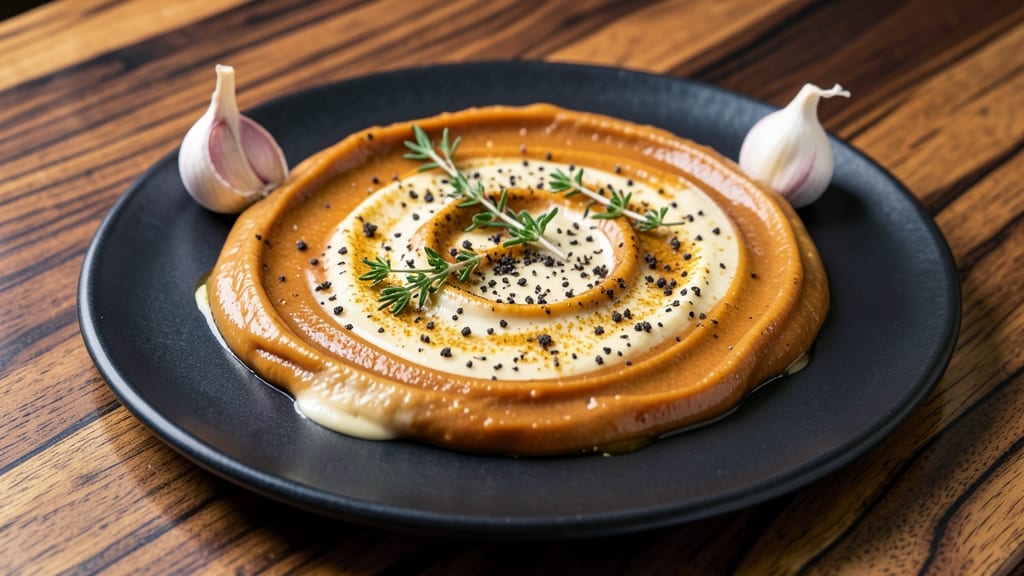
Barbados cheese paste transforms simple sandwiches into flavor explosions with its rich, creamy texture and bold Caribbean spices. This isn't just cheese—it's a velvety spread that blends sharp Barbados cheese with warm butter, garlic, and a touch of thyme for that signature island flair. I developed this recipe after craving that perfect balance of tangy, spicy, and creamy that makes every bite unforgettable.
The secret lies in the slow melting process, where the cheese and butter marry into a smooth, spreadable consistency without breaking. No lumps, no grease—just a luxurious paste that clings perfectly to bread, crackers, or even grilled meats.
The spices are key: a hint of mustard powder for depth, black pepper for heat, and fresh thyme to bridge Caribbean warmth with everyday comfort.
What you'll end up with is a creamy, flavor-packed condiment that elevates any meal—whether slathered on toast, mixed into mashed potatoes, or used as a dipping sauce.
The texture stays cohesive for days, making it ideal for meal prep. This isn't just a cheese spread; it's a taste of Barbados in every bite.
Use it as a bold alternative to mayo or butter, or pair it with grilled fish for a restaurant-worthy finish. Here's how to make it—simple steps for maximum flavor impact.
Ingredients for barbados cheese paste
Eight ingredients blend into a velvety Caribbean-inspired spread that turns everything creamy and bold.
| Ingredient | Amount | Notes |
|---|---|---|
| Barbados Cheese 🧀 | 16 oz | Sharp, aged variety preferred |
| Unsalted Butter 🧈 | ½ cup | Cold, cut into cubes |
| Garlic Cloves 🧄 | 2 whole | Minced for aromatic depth |
| Fresh Thyme Leaves 🌿 | ½ cup | Chopped, vibrant green |
| Mustard Powder 🌶️ | 1 tsp | For subtle tang |
| Ground Black Pepper 🌶️ | ½ tsp | Freshly cracked |
| Extra-Virgin Olive Oil 🫒 | 1 tbsp | For smooth texture |
| Kosher Salt 🧂 | ¼ tsp | Adjust to taste |
Barbados cheese is the star—look for the sharp, aged kind at Whole Foods or Caribbean markets. The deeper the flavor, the better the paste. If you can't find it, Parmigiano-Reggiano works in a pinch, though it won't have that same tangy punch. Butter should be cold when you start, or the paste will seize up. Fresh thyme is ideal, but dried works at half the amount if you're in a bind. I always grab a small bunch and use half here, half in other dishes—it keeps for weeks in the freezer.
No Barbados cheese? Sharp cheddar or Gouda can work, but expect less complexity. Mustard powder is non-negotiable for that signature depth—Dijon-style if you want extra tang. Olive oil matters here; use something fruity and high-quality, like California extra-virgin. The garlic can be roasted for a sweeter note, but raw gives that classic punch. If you're feeling fancy, add a pinch of nutmeg for warmth, but it's optional. The paste thickens as it cools, so don't stress if it looks runny at first.
This keeps beautifully—1 week in the fridge sealed in a jar, or 3 months in the freezer. I portion mine into small containers so it's ready for quick toast or sandwiches. The texture actually improves after a day as everything melds. If it gets too firm, microwave for 10 seconds to soften. Trust me, it's worth the effort—every bite tastes like a vacation.
Why You'll Love This Recipe
- I’ll be real: Barbados cheese isn’t cheap, but a little goes a long way. A single batch stretches across meals, and the butter and spices cost pennies. It’s fancy without breaking the bank.
- Five-Ingredient Magic: I swear, this is the kind of recipe where you measure, mix, and forget about it—no fancy techniques. Just Barbados cheese softened with butter, a quick toast of garlic, and thyme that smells like summer in a jar.
- Garlic-Thyme Bomb: Between us, that fresh thyme and roasted garlic in the butter? It’s the kind of flavor that makes you pause mid-bite. The mustard powder gives it this subtle kick that turns this paste into something ridiculously good.
- Pantry-to-Plate Power: Here’s what sold me—this stuff lasts for weeks in the fridge, so I keep a jar on hand for toast, sandwiches, or even as a quick fish topping. No last-minute shopping, no stress.
Step-by-step instructions for Barbados cheese paste
Here's how to transform bold spices into a velvety, aromatic spread that's pure comfort in every bite.
Prepare the Cheese for Smooth Blending
Start by cutting the 16 oz Barbados Cheese into ½-inch cubes - this ensures even melting and prevents clumping. Place the cheese cubes in the freezer for 10 minutes to firm up slightly, which makes them easier to process. I like to work with cold cheese first because it prevents the butter from melting too quickly during blending.
While the cheese chills, take the 0.5 cup Unsalted Butter and cut it into ¼-inch cubes using a sharp knife. Cold butter is essential here - it creates a stable base that won't separate when we add the liquid ingredients later. Keep both the cheese and butter refrigerated until ready to use.
Toast the Aromatics for Depth of Flavor
Heat a small skillet over medium-low heat and add the 1 tbsp Extra-Virgin Olive Oil. Once the oil shimmers, add the 2 whole Garlic Cloves (minced) and cook for 30 seconds until just fragrant - you should smell that pungent garlic aroma but not see any browning. Remove the pan from heat immediately to prevent burning.
In a separate bowl, combine the 0.5 cup Fresh Thyme Leaves (chopped) with the 1 tsp Mustard Powder and 0.5 tsp Ground Black Pepper. This dry mixture will infuse our paste with bright, herbal notes and a subtle tang. Set both the garlic oil and thyme mixture aside - we'll use them in the next step to build layers of flavor.
Blend the Base Components
In a food processor fitted with the metal blade, combine the frozen cheese cubes and cold butter cubes. Pulse 3-4 times until the mixture resembles coarse crumbs - you want to break down the cheese slightly but not melt it completely. This creates surface area for the other ingredients to adhere to.
With the processor running, slowly drizzle in the garlic-infused olive oil while scraping down the sides with a spatula. Add the thyme mixture and 0.25 tsp Kosher Salt, then process for 1-2 minutes until the mixture forms a thick, dough-like paste. You're looking for a texture that's smooth but still holds together when pressed - it should cling to the sides of the bowl rather than stick to the blade.
Refine for Perfect Spread Consistency
Transfer the mixture to a heatproof bowl and place it over a pot of simmering water (double boiler method), ensuring the bowl doesn't touch the water. This gentle heat helps emulsify the mixture without cooking it. Stir frequently with a silicone spatula for 5-7 minutes until completely smooth and creamy.
Here's the thing - the paste should be thick enough to hold its shape when spread but still glide effortlessly off the knife. If it's too stiff, add 1 tsp water at a time until it reaches that perfect spreadable consistency. For extra richness, you can add 1 more tablespoon of olive oil during this stage, but only if you want an even more luxurious texture.
Cool and Store for Maximum Flavor
Spread the finished paste onto a parchment-lined plate and smooth it into an even layer. Refrigerate for at least 2 hours - this chilling step is crucial as it allows all the flavors to meld together and the texture to set properly. The paste will firm up slightly but remain soft enough to spread easily.
For best results, store any leftovers in an airtight container in the refrigerator for up to 1 week. When ready to use, let it sit at room temperature for 10-15 minutes before spreading - this prevents it from being too firm. The flavor actually improves over time as the spices infuse more deeply into the creamy cheese base.
Pro Tips For Making Barbados Cheese Paste
- Melt Butter Slowly: Barbados cheese is delicate—dumping cold butter straight into the pan will make it seize up and turn grainy. Warm the butter over low heat until it’s just melted and foamy (not browned), then pour it into the cheese while stirring constantly. I learned this the hard way after ending up with a lumpy paste that looked like cottage cheese went to war.
- Toast Garlic First: Skip the raw garlic—it’ll overpower the cheese and leave a bitter aftertaste. Lightly crush the cloves and fry them in a dry pan for 30 seconds until fragrant but not colored. Then, toss them into the cheese mixture when the butter’s melted. This keeps the flavor balanced and stops the garlic from turning acrid.
- Grate the Cheese Fresh: Pre-shredded cheese has anti-caking agents that make the paste dry and crumbly. Use a box grater or food processor to shred the Barbados cheese right before mixing—it’ll blend smoother and stay creamier. If you’re in a rush, at least pulse it in bursts to mimic fresh grating.
- Pulse the Thyme: Whole thyme leaves sink to the bottom and create muddy pockets in the paste. Lightly crush them between your fingers or pulse them briefly in a spice grinder before adding. This distributes the flavor evenly—no more digging for herb bits when you spread it. (Yes, even if you’re impatient like me.)
Pro cooking tips for this dish
Cheese Texture Secrets
For a perfectly smooth Barbados cheese paste, start with cold cheese and butter—this prevents premature melting and separation. I freeze the cheese cubes for 10 minutes before blending, which creates a stable base.
If your paste develops lumps, pulse the mixture again briefly to break them down, then return to blending. The goal is a velvety, lump-free texture that spreads effortlessly. 🧀
Garlic Infusion Tricks
Don’t overcook the garlic—just 30 seconds over medium-low heat releases its aromatic oils without burning. I remove the pan immediately after to preserve its fresh, bright flavor.
For extra depth, add a pinch of smoked paprika to the garlic oil before blending—this adds a subtle smoky note that pairs beautifully with the cheese.
Double Boiler Magic
The double boiler step is where the paste transforms from dough-like to silky smooth. Keep the heat gentle and consistent—simmering water should never touch the bowl. Stir frequently with a silicone spatula to prevent any scorching.
If the paste starts to separate, add 1 tsp water and stir until fully re-emulsified. Patience here ensures a restaurant-quality finish. 🔥
Flavor Layering
Balance is key: the mustard powder adds tang, the black pepper brings heat, and the thyme delivers herbal brightness. I like to taste as I go—adjust the salt last, since the cheese’s natural saltiness can vary.
For a Caribbean twist, add ½ tsp ground allspice during the blending stage for warmth.
Avoiding Grease Separation
Grease separation happens when the paste sits too long before chilling. Always refrigerate for at least 2 hours to let the fat solidify properly. If stored correctly, this paste stays cohesive for 1 week in the fridge or 3 months in the freezer.
For extra insurance, press plastic wrap directly onto the surface before sealing the container to minimize air exposure. ✨
Texture Troubleshooting
If your paste turns out too stiff, add 1 tsp warm water and blend again. Too runny? Chill it longer or add 1 tbsp cold butter, blending until smooth. The ideal consistency should hold its shape when spread but still glide easily.
I’ve found that room-temperature ingredients (like olive oil) help achieve that perfect balance. Trust the process—it’s worth the effort! 💡
Nutrition facts
Frequently asked questions
Can I use a different cheese if I can't find Barbados cheese?
For the closest flavor, try sharp cheddar or aged Gouda—they'll give you that tangy punch. If you want something even richer, Parmigiano-Reggiano works well, though it'll be milder. The key is using a cheese with good sharpness and meltability. Avoid pre-shredded cheeses—the anti-caking agents can make your paste grainy.
Why does my cheese paste separate or get greasy?
This usually happens when the fat doesn't fully emulsify. To fix it, place the paste in a heatproof bowl over simmering water (double boiler) and stir gently until smooth. For prevention, always chill the paste for at least 2 hours before using, and store it properly in an airtight container. If it still separates, add 1 tsp water and blend again.
How can I make this paste spicier?
For extra heat, add ½ tsp cayenne pepper or 1 tsp hot sauce during the blending stage. You can also stir in 1 tsp chopped scotch bonnet pepper (seeds removed for less heat) for a Caribbean kick. For smoky depth, add ½ tsp smoked paprika to the garlic oil before blending. Adjust to taste!
Can I make this without a food processor?
Yes! Use a hand mixer or even a mortar and pestle for small batches. Start by grating the cheese finely, then mix it with softened butter. Add the garlic oil and spices gradually while stirring until smooth. You may need to warm the mixture slightly over a double boiler to help it blend properly. The texture might be slightly less refined, but it'll still be delicious.
What are the best ways to use this cheese paste?
This versatile spread shines on toasted bread or crackers, slathered on grilled fish or chicken, or mixed into mashed potatoes for extra richness. Try it as a dip with veggies or chips, or use it as a sandwich filling instead of mayo. For a Caribbean twist, spread it on fresh plantains before grilling. The possibilities are endless!