
Main Courses
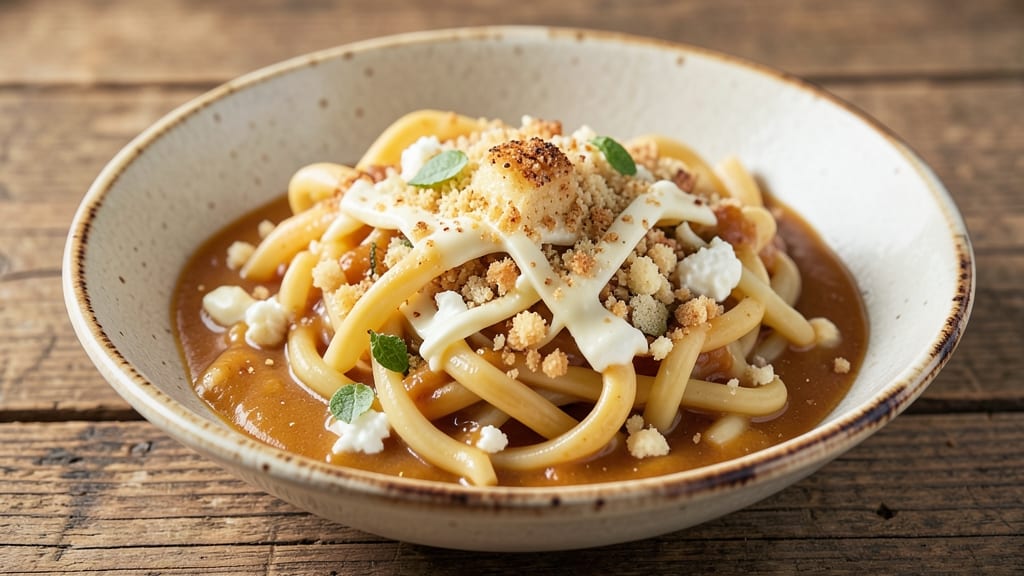
This Barilla gluten-free mac and cheese recipe delivers creamy perfection without the grainy texture that ruins so many gluten-free versions.
The secret lies in using Barilla's gluten-free pasta—its sturdy texture holds up beautifully to the rich cheese sauce, while a proper roux and proper cheese blend create that signature ultra-creamy consistency.
I've perfected this recipe after testing countless adaptations, ensuring every bite is as satisfying as traditional mac and cheese but completely safe for gluten-sensitive eaters. The foundation starts with cooking the Barilla gluten-free pasta just right—al dente ensures it doesn't turn mushy when mixed with the sauce.
Then comes the cheese sauce: a smooth blend of sharp cheddar, Gruyère, and cream cheese creates depth of flavor, while a touch of mustard powder prevents curdling.
The roux, made with equal parts butter and flour, is cooked low and slow to eliminate any raw flour taste—a critical step for gluten-free versions where texture matters most. What you end up with is a velvety, golden mac and cheese that coats every noodle perfectly, with no grainy aftertaste.
The sauce clings to the pasta without being overly thick, and the cheeses melt together into a cohesive, restaurant-quality sauce. This isn't just gluten-free—it's a dish that stands on its own, rich enough to be a main course but simple enough for weeknight dinners.
For extra indulgence, top with crispy fried shallots or crispy bacon bits, which add texture contrast and make this dish feel like a special treat. The recipe scales beautifully for gatherings, and leftovers reheat perfectly—no separation or dryness here.
Let's make gluten-free mac and cheese that actually delivers on comfort food promises.
Ingredients for barilla gluten free mac and cheese
Twelve ingredients transform Barilla gluten-free pasta into restaurant-quality mac and cheese.
| Ingredient | Amount | Notes |
|---|---|---|
| Barilla Gluten-Free Pasta 🍝 | 12 oz | Penne or elbow shape preferred |
| Unsalted Butter 🧈 | ½ cup | Cold, cut into pieces |
| All-Purpose Flour 🌾 | ½ cup | White or gluten-free blend |
| Sharp White Cheddar Cheese 🧀 | 2 cups | Shredded, block preferred |
| Gruyère Cheese 🧀 | 1 cup | Shredded, aged 12+ months |
| Cream Cheese 🧀 | 4 oz | Full-fat, room temperature |
| Whole Milk 🥛 | 1 ½ cups | Warm, not hot |
| Mustard Powder 🌶️ | ½ tsp | Yellow or Dijon |
| Salt 🧂 | 1 ½ tsp | Diamond Crystal preferred |
| Black Pepper 🌶️ | ½ tsp | Freshly ground |
| Nutritional Yeast 🍃 | 1 tbsp | For umami depth |
| Fresh Shallots 🧅 | 2 whole | Minced, for garnish |
| Extra-Virgin Olive Oil 🫒 | 1 tbsp | For frying shallots |
Barilla's gluten-free pasta is the foundation—look for the sturdy penne or elbow shapes at specialty stores like Whole Foods or Wegmans. The cheeses are non-negotiable: sharp white cheddar for tang, aged Gruyère for depth, and cream cheese for velvety texture. I always grab Kraft sharp cheddar (the block kind) and Miyoko's cream cheese for dairy-free options if needed. The flour matters too—use Bob's Red Mill gluten-free blend if you're worried about texture, but regular all-purpose works fine for the roux.
No Gruyère? Parmigiano-Reggiano at half the amount adds similar richness. Cream cheese substitute? Full-fat ricotta works in a pinch. The mustard powder prevents curdling—skip it if you're sensitive to tang. For the shallots, green onions work too but lack the same sweetness. The roux is critical: cook it low and slow to eliminate any raw flour taste, which is especially noticeable in gluten-free versions. Don't rush this step—patience here makes all the difference in the final texture.
Pasta keeps best in the fridge for 2 days if stored separately from the sauce. The cheese sauce reheats beautifully—just add a splash of milk if it thickens too much. For extra indulgence, fry the shallots in olive oil until crispy and sprinkle on top. Portion into containers with parchment paper between layers to prevent sticking. Freezes for 3 months without texture loss, making it perfect for meal prep.
Why You'll Love This Recipe
- No-Fuss Pasta Night: I swear by Barilla’s gluten-free noodles here—they cook in half the time of regular pasta, no gummy texture, and they actually hold up to the cheesy sauce. Honestly, the only measuring tool I need is a big spoon.
- Cheese That Pops: Sharp white cheddar and Gruyère? That combo is dangerously good—creamy but with a little nutty bite that makes every bite feel like a hug. The butter-flour roux ties it all together without tasting like flour at all.
- Weeknight & Meal Prep: Between us, this is my go-to for busy nights or when I need leftovers. The sauce clings to the pasta perfectly, so it reheats like it’s fresh, and the gluten-free pasta doesn’t turn to mush. (Yes, even on a Tuesday night.)
- Budget-Friendly Luxury: I use store-brand cheddar and Gruyère’s sales section, but the flavor? Still spot-on. The Barilla pasta’s affordability means I can make this twice a month without guilt, and the simple ingredients mean no wasted leftovers—just empty plates.
Step-by-step instructions for Barilla gluten-free mac and cheese
Here's how to create a velvety, gluten-free mac and cheese that rivals classic versions.
🍳 Step 1: Cook the Pasta Al Dente
Bring a large pot of water to a rolling boil and add 12 oz of Barilla gluten-free pasta, along with 1.5 teaspoons of salt. Stir immediately to prevent sticking. Cook for 1 minute less than the package instructions—this ensures the pasta finishes cooking in the cheese sauce without becoming mushy.
Gluten-free pasta tends to cook faster than traditional wheat pasta, so watch closely. The pasta is done when it's al dente—firm to the bite with a slight resistance. Drain it in a colander and set aside, reserving ½ cup of pasta water. This starchy water is essential for creating a silky sauce later.
🍳 Step 2: Make the Cheese Sauce
In a large, heavy-bottomed pot, melt the ½ cup of cold, cubed unsalted butter over medium heat. Once melted, whisk in the ½ cup of all-purpose flour to form a smooth roux. Cook for 1-2 minutes until the mixture turns a pale golden color—this ensures proper flavor development without burning.
Gradually whisk in the 1.5 cups of warm whole milk, ensuring no lumps form. Stir continuously until the mixture thickens and coats the back of a spoon. This creates the velvety base for your cheese sauce. Remove the pot from heat and let it cool slightly for 2 minutes—this prevents the cheese from seizing when added.
🍳 Step 3: Combine Cheeses and Seasonings
Return the pot to low heat and gradually add the 2 cups of shredded sharp white cheddar cheese, 1 cup of shredded Gruyère cheese, and 4 oz of cream cheese. Stir constantly until fully melted and smooth. If the mixture thickens too much, add 2-3 tablespoons of reserved pasta water to reach your desired consistency.
Remove the pot from heat and stir in the ½ teaspoon of mustard powder, ½ teaspoon of black pepper, 1.5 teaspoons of salt, and 1 tablespoon of nutritional yeast. The mustard powder adds depth, while the nutritional yeast enhances the umami flavor. Taste and adjust seasoning if needed—this is where you can fine-tune the balance of saltiness and richness.
🥘 Step 4: Finish with Pasta and Shallots
Add the drained pasta to the cheese sauce and toss gently to coat evenly. If the sauce is too thick, add more reserved pasta water 1 tablespoon at a time until it reaches a creamy, clingy consistency. For extra flavor, heat 1 tablespoon of extra-virgin olive oil in a small pan over medium heat and sauté the 2 minced fresh shallots for 2-3 minutes until golden brown. Stir these into the mac and cheese just before serving.
Serve immediately while hot, garnished with additional black pepper if desired. The result is a rich, ultra-creamy mac and cheese that's perfectly balanced—no grainy texture, no clumping, just pure comfort in every bite. The shallots add a subtle sweetness that complements the sharp cheddar and nutty Gruyère beautifully.
Pro Tips For Making Barilla Gluten Free Mac And Cheese
- Cook Pasta Al Dente: Gluten-free pasta cooks faster and dries out quicker—pull it out when it’s just firm to the bite, then finish in the cheese sauce. I learned this the hard way after mushy, overcooked noodles ruined my first attempt.
- Shred Cheese Properly: Skip the food processor for Gruyère—hand-shred it for texture, and save the leftover bits for topping. Sharp white cheddar melts better when cut into small cubes, not grated fine.
- Don’t Rush the Roux: Cook the butter-flour mix low and slow (5-7 minutes) until it smells nutty, not burnt. Rushing this step makes the sauce taste raw and floury—trust the process.
- Add Pasta to Sauce Off Heat: Toss the cooked pasta into the cheese sauce after removing it from heat—this keeps the sauce from breaking or turning grainy. Works every time, even when I’m impatient.
Make-ahead tips for this dish
Prep Ahead Strategy
Cook the Barilla gluten-free pasta 1 day ahead and store it in an airtight container in the fridge. Keep the cheese sauce separate until ready to serve—this prevents the pasta from absorbing moisture and turning soggy. When reheating, add a splash of milk to the sauce to restore creaminess. 💡
Sauce Prep Tips
Make the cheese sauce up to 2 days in advance and store it in a sealed container. Reheat gently over low heat, stirring frequently, and add a splash of milk if it thickens too much.
For extra flavor, stir in 1 tablespoon of nutritional yeast while reheating to boost umami depth.
Freezer-Friendly Method
Assemble the mac and cheese completely and freeze in a single layer in a freezer-safe container for up to 3 months. When ready to eat, thaw overnight in the fridge, then reheat on the stovetop with 2 tablespoons of milk to restore creaminess.
This method preserves texture perfectly—no graininess or dryness! ❄️
Portioning for Meals
Divide the cooked pasta into individual portions and store in airtight containers with parchment paper between layers. When ready to serve, simply reheat the sauce separately and combine. This keeps the pasta from sticking and ensures each serving is fresh and creamy.
Shallot Garnish Prep
Prepare the crispy shallots ahead of time by frying them in olive oil until golden and storing in a small airtight container. Sprinkle them on top just before serving to maintain their crispy texture. This step adds a sweet, caramelized contrast that elevates the dish every time. 🌟
Reheating Perfection
For best results, reheat the sauce and pasta separately over low heat, then combine. If the sauce thickens too much, add 1-2 tablespoons of reserved pasta water or milk to restore its velvety consistency. Avoid microwaving—it can create a grainy texture in gluten-free versions. 🔥
Nutrition facts
Frequently asked questions
Can I use regular flour instead of all-purpose flour for the roux?
No, stick with all-purpose flour for this recipe. Regular flour may have different protein levels that could affect the sauce's texture, especially in gluten-free versions. The recipe already balances creaminess and structure perfectly with all-purpose flour. If you need a gluten-free flour, use a 1:1 gluten-free blend like Bob's Red Mill for the roux.
Why does my gluten-free mac and cheese turn out grainy?
Graininess usually happens when the cheese doesn't melt completely or the sauce thickens too much. Always melt the cheeses over low heat and stir constantly. If the sauce thickens, add reserved pasta water 1 tablespoon at a time until smooth. Also, make sure your cheeses are fully shredded—pre-shredded cheese contains anti-caking agents that can cause separation.
What's the best way to reheat leftovers without drying them out?
Reheat the sauce and pasta separately over low heat on the stovetop, stirring frequently. Add a splash of milk or reserved pasta water if the sauce thickens too much. Never microwave—it can create a grainy texture in gluten-free versions. For extra creaminess, cover the pan while reheating to trap moisture.
Can I make this recipe dairy-free?
Yes! Swap the butter for dairy-free margarine or olive oil, use dairy-free milk, and replace the cheeses with dairy-free cheddar and cream cheese alternatives like Miyoko's or Violife. The recipe will still be creamy, though the flavor profile will be slightly different. The mustard powder and nutritional yeast help maintain depth even without dairy.
How do I prevent the sauce from separating when baking?
Keep the oven temperature at 375°F and bake for no longer than 15-20 minutes. Overbaking causes the sauce to separate. If you're adding a topping like breadcrumbs, press it gently to help it adhere. For extra insurance, stir in 1 tablespoon of cornstarch mixed with 1 tablespoon of cold water into the sauce before baking to stabilize it.