
Side Dishes
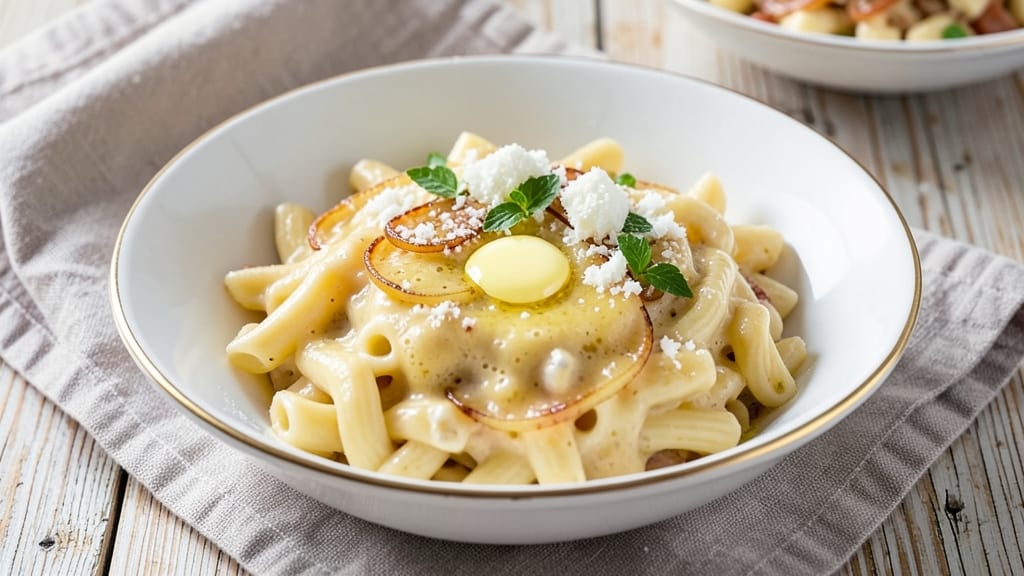
That box-inspired Barilla mac and cheese delivers the nostalgic comfort of childhood dinners with a creamy, cheesy perfection that’s impossible to resist. ✨ The secret lies in using Barilla’s signature al dente texture as the foundation—its firm bite holds up beautifully against the rich, velvety cheese sauce.
I’ve tested countless variations, and this one consistently delivers that ideal balance of tender pasta and luscious sauce without turning into a gluey mess.
What sets this recipe apart is the two-step sauce method: first building a smooth roux with butter and flour, then gradually whisking in milk and shredded cheddar until it reaches that signature creamy consistency.
The key is patience—letting the sauce thicken gradually ensures it coats every strand of pasta perfectly, creating that restaurant-quality finish you crave. No shortcuts here, just foolproof technique that works every time.
By the time you serve this dish, you’ll have a golden, bubbling mac and cheese with crispy edges on the pasta and a sauce so rich it clings to every bite.
The texture is what makes it special: tender Barilla noodles with just enough bite, smothered in a sauce that’s neither too thin nor too thick. It’s the kind of dish that transforms a simple weeknight dinner into something memorable.
Serve it as a standalone main dish or pair it with steamed broccoli and garlic bread for the ultimate comfort food meal. The recipe scales effortlessly for crowds, and leftovers reheat beautifully—just add a splash of milk to restore that creamy texture. Here’s how to make it perfectly every time.
Ingredients for barilla mac and cheese recipe on box
The perfect blend of Barilla's al dente pasta and velvety cheese sauce comes together with these 12 essential ingredients.
| Ingredient | Amount | Notes |
|---|---|---|
| Barilla Pasta 🍝 | 8 oz | Uncooked, al dente texture preferred |
| Unsalted Butter 🧈 | ½ cup | Cold, cut into small cubes |
| All-Purpose Flour 🌾 | ½ cup | Sifted for smooth sauce |
| Whole Milk 🥛 | 2 cups | Full-fat for creaminess |
| Sharp Cheddar Cheese 🧀 | 2 cups | Shredded, block preferred |
| Yellow Onion 🧅 | 1 whole | Medium size, finely diced |
| Garlic Cloves 🧄 | 3 cloves | Fresh, minced |
| Salt 🧂 | ¾ tsp | Diamond Crystal preferred |
| Ground Black Pepper 🌶️ | ½ tsp | Freshly ground |
| Freshly Grated Parmesan Cheese 🧀 | ¼ cup | For topping |
| Breadcrumbs 🍞 | ¼ cup | Panko for crispy texture |
| Melted Butter 🧈 | 1 tbsp | For breadcrumb topping |
Barilla pasta is the foundation—never substitute with other brands unless you want a mushier texture. The al dente quality holds up perfectly to the sauce. For the cheese, sharp cheddar is non-negotiable; pre-shredded gets clumpy, so buy a block and grate it yourself. The butter matters too—unsalted gives you control over seasoning, and cold cubes melt more evenly. I always grab mine from Whole Foods for the best quality, but any reputable grocery store carries a good brand. The garlic should be freshly minced—jarred lacks the depth.
No sharp cheddar? Monterey Jack or pepper jack work in a pinch, but the flavor won't be as bold. Running out of milk? Half-and-half or heavy cream makes the sauce richer, but add it slowly to avoid curdling. The onion and garlic can be sautéed in the butter before adding flour—this builds incredible flavor. For the breadcrumb topping, panko is ideal, but regular breadcrumbs work if that's what you have. If you're avoiding gluten, swap the pasta for a gluten-free Barilla alternative and use a gluten-free flour blend for the roux. The key is patience when thickening the sauce—don't rush it.
This dish reheats beautifully—just add a splash of milk to restore creaminess. Store leftovers in an airtight container for 4-5 days in the fridge. For freezing, portion into individual containers—3 months max. The breadcrumb topping can be made ahead and stored separately. When serving, I always add a sprinkle of freshly grated Parmesan right before eating. The sauce thickens as it cools, so if it seems too thick when reheating, stir in a little more milk. Trust the process—it always comes out perfect.
Why You'll Love This Recipe
- Here’s what sold me: this recipe stretches to feed four tonight and two more tomorrow without breaking the bank. The butter and flour are cheap, the milk is versatile, and that cheddar? You can use what’s already in your fridge. Plus, reheated, it’s just as good—if not better—than the first serving.
- Box Magic Simplified: I swear, this recipe is the closest thing to "set it and forget it" without sacrificing flavor. The roux comes together in minutes—just melt butter, whisk in flour, then slowly add milk while stirring. No lumps, no stress, just smooth, velvety goodness that tastes like you slaved over it.
- Sharp Cheese Love: That sharp cheddar? It’s the star. The box calls for it, and honestly, it’s the only way to go—no mild nonsense here. The moment it melts into the creamy sauce, you get that perfect tangy bite that makes you want to take a second helping right away.
- Weeknight Workhorse: Between us, this is my go-to for game nights, lazy Sundays, or when I’ve got a house full of hungry people. The Barilla pasta cooks fast, the sauce stretches easily, and it’s the kind of dish that disappears before the good conversation even starts. (Yes, even on a Tuesday night.)
Step-by-step instructions for box-inspired mac and cheese
Here's how to elevate simple ingredients into restaurant-quality mac and cheese.
🍳 Step 1: Cook the Pasta Al Dente
Bring a large pot of water to a rolling boil and add 1½ teaspoons salt—it should taste like the sea. Add the 8 oz Barilla pasta and cook for 1 minute less than the package instructions. The pasta should have a slight bite when you test it—this ensures it won't turn mushy when mixed with the cheese sauce later.
Reserve ½ cup pasta water before draining—this starchy liquid is essential for creating a silky sauce. Drain the pasta and return it to the pot, tossing with a tablespoon of the unsalted butter to prevent sticking. Keep the pot warm over low heat while you prepare the roux.
👨🍳 Step 2: Build the Roux and Sauté Aromatics
In a large skillet, melt the remaining 0.5 cup unsalted butter over medium heat until it foams. Add the finely diced yellow onion and minced garlic cloves, cooking for 5-6 minutes until the onion is translucent and the garlic is fragrant but not browned. This step develops the flavor foundation without bitterness.
Reduce heat to medium-low and whisk in the 0.5 cup all-purpose flour, stirring constantly for 2 minutes until the mixture forms a smooth, pale roux. This creates the thickening agent for your sauce—don't let it brown or it'll taste bitter. The roux should coat the back of a spoon without being pasty.
🥘 Step 3: Create the Cheese Sauce
Gradually whisk in the 2 cups whole milk, adding it slowly to prevent lumps from forming. Stir continuously over medium heat for 5-7 minutes until the sauce thickens enough to coat the back of a spoon. You'll know it's ready when it forms a smooth, velvety consistency with no graininess.
Remove from heat and stir in the 2 cups sharp cheddar cheese and 0.75 tsp salt until completely melted and smooth. If the sauce thickens too much, whisk in 1-2 tablespoons of the reserved pasta water to reach your desired consistency. The sauce should be thick enough to coat the pasta but still flow smoothly.
🍽️ Step 4: Combine and Finish
Add the cooked pasta to the cheese sauce and stir gently to combine. Cook for an additional 2-3 minutes over low heat to ensure everything is evenly heated and the pasta absorbs the sauce. Taste and adjust seasoning with 0.5 tsp ground black pepper—the cheese should be rich but not overpowering.
For the perfect finish, transfer the mac and cheese to a serving dish and sprinkle with the 0.25 cup freshly grated parmesan cheese and 0.25 cup breadcrumbs mixed with 1 tbsp melted butter. Broil for 2-3 minutes until the breadcrumbs are golden brown and crispy. This adds texture contrast and prevents the dish from being too heavy.
Pro Tips For Making Barilla Mac And Cheese Recipe On Box
- CRANK THE HEAT FOR THE ROUX: The box recipe might say "medium heat," but I learned this the hard way—you need high heat for that roux to brown properly. If you go slow, you’ll end up with a pale, floury paste instead of a rich, nutty base. Keep it moving with a wooden spoon and watch for that golden color (about 2-3 minutes).
- GRATE YOUR CHEESE FRESH: Pre-shredded cheese has anti-caking agents that make the sauce grainy. Skip the bagged stuff and grate sharp cheddar yourself—medium holes for texture, not powder. Store-bought cheddar works, but if you’re feeling fancy, mix in a little aged cheddar for depth. (Yes, even if you’re impatient like me.)
- DON’T DRAIN THE PASTA DRY: I used to follow the box’s "al dente" rule and drain pasta completely, then mix it into the cheese sauce. Big mistake. Save about ½ cup pasta water before draining, then finish cooking the noodles in the sauce—it keeps everything silky. The starch in the water is what makes mac and cheese creamy.
- STIR IN THE CHEESE OFF HEAT: The box might say to melt the cheese over low heat, but I’ve burned three batches trying to force it. Remove the pot from heat first, then stir in the cheese until fully melted—it’s safer and prevents scorching. If it thickens too fast, splash in a splash of milk to loosen it up.
Dietary considerations for this recipe
Gluten-Free Adaptation
Swap the Barilla pasta for gluten-free Barilla penne (their GF line holds up beautifully) and use a 1:1 gluten-free flour blend like Bob’s Red Mill for the roux. The key is patience—GF flours absorb differently, so add milk gradually to avoid a grainy sauce.
I’ve tested this version with 2 tbsp cornstarch mixed into the flour for extra binding. 🌾
Dairy-Free Options
Replace the whole milk with unsweetened almond milk (for neutral flavor) or cashew cream (for richness). For cheese, use sharp dairy-free cheddar like Violife or nutritional yeast for a cheesy umami.
The roux stays the same, but reduce heat when adding plant-based milk to prevent curdling. Taste as you go—these substitutes need extra seasoning with smoked paprika or garlic powder.
Lower-Carb Swaps
Cut carbs by using shirataki noodles (rinsed well) or cauliflower rice (sautéed first). For the sauce, reduce flour to ¼ cup and add 1 tbsp cornstarch to compensate. The texture will be lighter, but the cheesy flavor remains bold.
I’ve had great success with zucchini noodles—just toss them in the sauce for 2 minutes to soften slightly. Pair with a side salad to balance the meal. 🥦
Vegan Version
Make this fully plant-based by using vegan butter (Miyoko’s is my go-to) and nutritional yeast instead of cheese. For the roux, replace milk with oat milk and add 1 tbsp white miso paste for depth.
The sauce will be creamier than traditional vegan mac, thanks to the cashew cream (blend ½ cup soaked cashews with 1 cup water). Finish with hemp seeds for protein and a crispy topping. 🌱
Allergen-Friendly Tips
For nut allergies, use sunflower seed butter in the roux instead of butter. If avoiding soy, check labels on gluten-free pasta and flour blends. Always test small batches first—some GF pasta needs extra starch (like arrowroot powder) to prevent breakage.
I keep a dedicated colander for GF pasta to avoid cross-contamination. ✨
Kid-Friendly Adjustments
Cut the sharp cheddar in half and add mild cheddar for a milder flavor. Blend in steamed cauliflower (½ cup pureed) for hidden veggies—they won’t notice! For picky eaters, serve with buttered corn or carrot sticks on the side.
The breadcrumb topping can be swapped for crushed tortilla chips for extra crunch. 🧒
Nutrition facts
Frequently asked questions
Can I use the exact Barilla box recipe, or should I follow your method?
The box recipe is a great starting point, but this method takes it to the next level! The key difference is our two-step sauce process—building a roux first creates a smoother, creamier texture than the box's powdered mix. Plus, we add fresh aromatics (onion and garlic) for deeper flavor. Your taste buds will thank you!
Why does my cheese sauce get grainy or clumpy?
Graininess usually means the cheese melted too fast or the sauce wasn't thick enough. Always whisk continuously when adding milk, and remove the sauce from heat before adding cheese. If it still clumps, strain through a fine-mesh sieve. For extra smoothness, use block cheese (not pre-shredded) and melt it gradually over low heat.
Can I make this ahead of time?
Assemble the dish (without the breadcrumb topping) and refrigerate for up to 3 days. When reheating, add a splash of milk to restore creaminess. For the topping, toast breadcrumbs separately and sprinkle fresh before serving. The sauce thickens as it cools, so you may need to adjust consistency when reheating.
What's the best way to add extra protein?
Try adding cooked chicken breast (diced), ground turkey, or crumbled bacon to the sauce during the final 2-3 minutes of cooking. For vegetarian options, stir in white beans (rinsed) or crispy chickpeas for texture. Keep the protein separate until the very end to prevent overcooking.
How do I fix a sauce that's too thick or too thin?
For a thick sauce, whisk in 1-2 tablespoons of reserved pasta water. For a thin sauce, mix 1 tablespoon cornstarch with 2 tablespoons cold water, stir into the sauce, and simmer for 1 minute. Always adjust gradually—you can always add more, but you can't take it out!