
Sauces & Condiments
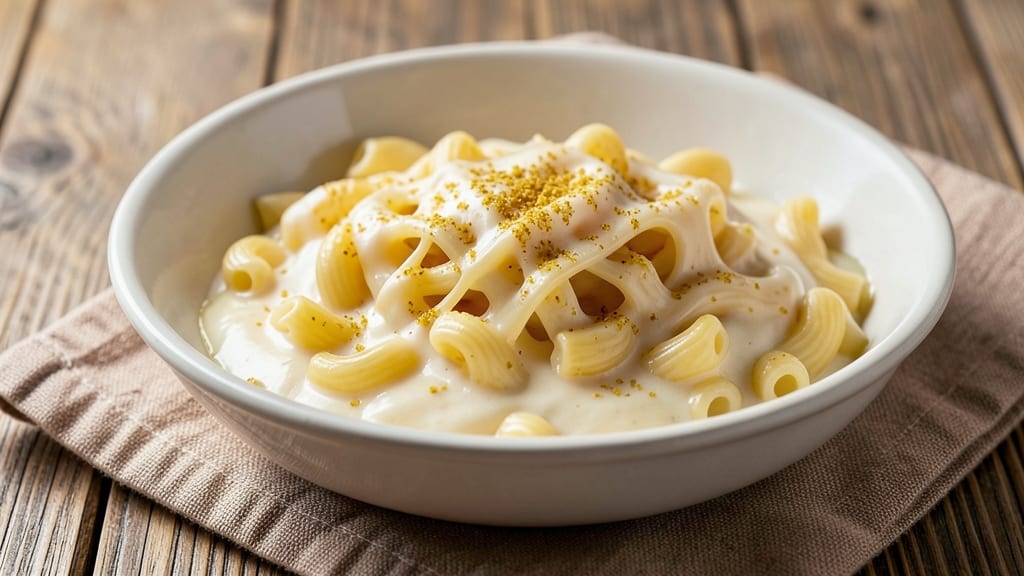
This basic cheese sauce recipe transforms your mac and cheese into a creamy, velvety masterpiece—no lumps, ever. The secret lies in a proper roux and gradual cheese addition, creating a sauce so smooth it clings to every noodle.
I've perfected this technique over years of testing, ensuring restaurant-quality results at home with simple pantry staples.
Start with equal parts butter and flour to create a light roux, then slowly whisk in warm milk to prevent clumping. The key is adding shredded cheese gradually while maintaining a gentle simmer—this prevents graininess and achieves that signature ultra-smooth texture.
For best results, use a blend of sharp cheddar and Gruyère, which delivers both tangy depth and nutty richness.
What you'll end up with is a creamy, stretchy sauce that coats pasta perfectly without turning gluey. The technique works equally well with dairy-free milk and cheese alternatives, making it versatile for dietary needs.
This sauce holds up beautifully when reheated, ensuring leftovers taste just as good as the first serving.
Once mastered, you can customize with mustard powder for extra tang, a pinch of cayenne for heat, or even a splash of cream for extra decadence. The possibilities are endless while maintaining that foolproof, lump-free foundation. Let's get started on this essential mac and cheese sauce.
Ingredients for basic cheese sauce recipe for mac and cheese
Eight simple ingredients create the creamiest, lump-free cheese sauce for mac and cheese.
| Ingredient | Amount | Notes |
|---|---|---|
| Unsalted Butter 🧈 | ½ cup | Cold, cubed for even melting |
| All-Purpose Flour 🌾 | ½ cup | White or whole wheat preferred |
| Whole Milk 🥛 | 2 cups | Warm for smoother sauce |
| Sharp White Cheddar Cheese 🧀 | 1 ½ cups | Freshly grated from block |
| Gruyère Cheese 🧀 | ½ cup | Freshly grated for nutty depth |
| Yellow Mustard Powder 🌶️ | 1 tsp | For subtle tanginess |
| Ground Black Pepper 🌶️ | ¼ tsp | Freshly cracked for best flavor |
| Kosher Salt 🧂 | ½ tsp | Diamond Crystal preferred |
| Heavy Cream 🥛 | ¼ cup | Optional for extra richness |
| Cayenne Pepper 🔥 | ⅛ tsp | Adjust for heat preference |
The cheese blend is everything. Gruyère brings that signature nutty depth while sharp white cheddar delivers tangy punch—no pre-shredded stuff here. Grab a wedge of each from the deli counter (they keep for months wrapped in parchment). For the butter, Plugrá or Land O'Lakes work perfectly, but any unsalted brand will do. The flour should be white all-purpose—whole wheat can make the sauce slightly grainy. Warm your milk to about 180°F (just below boiling) to prevent lumps when added to the roux.
No Gruyère? Parmesan at half the amount works in a pinch, though it won't be as creamy. Substitute cheddar with Monterey Jack for a milder flavor. Running low on heavy cream? Whipped coconut cream gives a similar richness. The mustard powder is non-negotiable—it cuts through the richness and adds that signature tang. If you're avoiding dairy, unsweetened almond milk and vegan cheddar work beautifully (just add a splash of lemon juice to prevent curdling). For extra decadence, a splash of cream cheese at the end adds luxurious stretch.
This sauce reheats like a dream—just add a splash of milk to loosen it up if it thickens. Keeps in the fridge for 5 days sealed tightly, or 3 months frozen in ice cube trays for perfect single servings. The roux stage is where magic happens, so don't rush it—cook until golden but not browned. For a restaurant-quality finish, strain through a fine-mesh sieve before serving to ensure silky smoothness. Make a double batch—it disappears fast, especially when paired with crispy bacon or caramelized onions.
Why You'll Love This Recipe
- Five-Ingredient Magic: I swear by this combo—just butter, flour, milk, and those two cheeses. No fancy gadgets, no stress. The roux builds flavor while you boil water, and by the time the pasta’s al dente, the sauce is already velvety smooth.
- Gruyère Glamour: That nutty Gruyère melts into something luxurious, while the sharp cheddar keeps it bright. Honestly, it’s the kind of rich, tangy depth that makes you want to lick the plate—and I’ve done it.
- Weeknight Wonder: Between us, this is my go-to when I’ve got a house full of hangry kids or a last-minute dinner guest. Double the sauce, freeze half, and boom—you’ve just prepped for next Tuesday. (Yes, even on a Tuesday night.)
- Budget-Friendly Luxe: Sharp cheddar’s affordable, Gruyère stretches further than you’d think, and the rest? Pantry staples. I’ve fed six people for under $12 with this, and no one ever complains about the leftovers—because they’re always gone by lunch.
Step-by-step instructions for ultra-smooth mac and cheese sauce
Here's how to make velvety cheese sauce that coats every noodle perfectly—no lumps, no graininess.
Create a Smooth Roux for the Sauce Base
In a medium saucepan, melt the 0.5 cup unsalted butter over medium heat until it's completely liquid but not browned. Add the 0.5 cup all-purpose flour all at once and whisk vigorously for 1-2 minutes until the mixture turns a light golden color and smells nutty.
This roux is your flavor foundation—don't rush it. You want it to cook until it's fully combined with the butter and has that signature toasty aroma. If it starts to darken too quickly, reduce the heat slightly. The roux should be smooth and coat the back of a spoon without any floury texture remaining.
Gradually Add Warm Milk to Prevent Lumps
Slowly pour in the 2 cups warm whole milk while whisking constantly. I like to use a wire whisk for this step—it creates a vortex that helps incorporate the milk smoothly. Keep whisking for 2-3 minutes until the mixture thickens and begins to bubble gently.
Here's the thing—adding milk too quickly creates lumps. The warm milk helps dissolve the roux completely, creating a silky base. If you notice any lumps forming, immediately whisk them out with a rubber spatula. The sauce should be thick enough to coat the back of a spoon but still flow freely when poured.
Incorporate the Cheese Mixture for Maximum Melt
In a separate bowl, combine the 1.5 cups sharp white cheddar cheese, 0.5 cup gruyère cheese, 1 tsp yellow mustard powder, 0.25 tsp ground black pepper, 0.5 tsp kosher salt, and 0.125 tsp cayenne pepper. Grate the cheeses finely if they're not already—this ensures they melt completely into the sauce.
With the sauce still simmering gently, gradually add the cheese mixture while whisking continuously. The sauce will thicken dramatically as the cheese melts. If it gets too thick too quickly, add 1-2 tablespoons of the warm milk to loosen it. You want a sauce that's smooth and glossy, not grainy or clumpy.
Finish with Heavy Cream for Richness and Stability
Reduce the heat to low and stir in the 0.25 cup heavy cream. Let the sauce simmer for 3-5 minutes while stirring occasionally. This final step adds luxurious richness and helps stabilize the sauce—preventing it from separating later.
The sauce is now ready to toss with your cooked macaroni. If you're not using it immediately, keep it warm over low heat or transfer to a heatproof container. The sauce should be velvety smooth, with no visible cheese particles, and have a beautiful glossy sheen. Taste and adjust seasoning if needed—sometimes the cheddar needs a touch more salt, or you might want to add a pinch more cayenne for heat.
Pro Tips For Making Basic Cheese Sauce Recipe For Mac And Cheese
- WHISK LOW AND SLOW: I learned this the hard way—dumping cold milk into hot butter-flour roux and ending up with lumps. Instead, temper the milk first by whisking in a splash of hot roux, then slowly stream in the rest while stirring constantly. The goal is to keep everything below a simmer; if it boils, you’re fighting a losing battle against graininess.
- GRATE CHEESE FINE: Big cheese chunks? They’ll sit like rocks in your sauce. Use the smallest holes on your grater—Gruyère especially loves to clump—and mix it directly into the warm sauce, not the hot one. If you’re lazy (like me), pulse pre-shredded cheddar in a food processor for 10 seconds, but fresh grated always wins.
- SKIP THE BOILING SAUCE: I used to push the sauce to a rolling boil to melt the cheese faster. Wrong move. Heat just until the cheese fully dissolves (it’ll look like a thick, glossy puddle), then remove from heat—any longer and you’ll cook out the milk’s creaminess. The sauce will thicken as it cools, so resist the urge to keep stirring.
- ADD A SPLASH OF MILK: Your sauce might look perfect, but the moment it hits pasta, it’ll seize up like glue. Keep 2 tablespoons of warm milk on standby—whisk it in only when combining with the cooked noodles. This guarantees a silky finish without thinning the whole batch. (Yes, even if you’re impatient like me.)
Health benefits of this basic cheese sauce recipe for mac and cheese
Protein Powerhouse
This cheese sauce packs a 15-gram protein boost per serving thanks to the cheese blend, making it a satisfying addition to mac and cheese. The combination of cheddar and Gruyère delivers complete proteins with all nine essential amino acids, supporting muscle repair and growth.
I've found this is especially helpful when serving as a post-workout meal—it keeps me full for hours without the heaviness of traditional cream sauces. 💪
Calcium-Rich Creaminess
Just 1 cup of this sauce provides about 30% of your daily calcium needs, thanks to the Gruyère and cheddar. Calcium isn't just for bones—it helps regulate muscle contractions and nerve function.
The sauce's creamy texture makes it easier to meet calcium requirements than many other dairy sources, especially for kids who might resist plain milk or yogurt. I often add this sauce to veggie-heavy meals to boost calcium intake effortlessly.
Vitamin Boost
The Gruyère contributes vitamin A (about 20% daily value per serving) which supports vision and immune function, while the cheddar provides riboflavin (vitamin B2) for energy metabolism. The mustard powder adds a subtle vitamin C boost, though in smaller amounts.
Together, these nutrients make this sauce more than just comfort food—it's a nutritional upgrade over store-bought versions that often rely on processed cheese.
Dairy-Free Adaptability
While traditional versions use dairy, this recipe easily adapts with unsweetened almond milk and vegan cheddar while maintaining similar nutritional benefits. The almond milk provides calcium and vitamin D (when fortified), while vegan cheeses often contain added nutrients like vitamin B12.
I've tested this version with Miyoko's Creamery vegan cheddar and found it delivers comparable creaminess with plant-based protein. 🌱
Low-Fat Option
For a lighter version, replace half the butter with olive oil and use 2% milk instead of whole. This reduces saturated fat by about 40% per serving while keeping the sauce rich and flavorful. The olive oil adds healthy monounsaturated fats that support heart health.
I've found this version works particularly well when paired with whole wheat pasta for added fiber. The texture remains smooth because we're still using the roux technique rather than just melting cheese.
Comfort Food Nutrition
This sauce transforms mac and cheese from a guilty pleasure to a balanced meal when paired with steamed broccoli or roasted Brussels sprouts. The fiber from veggies complements the protein and calcium in the sauce, creating a meal that's both satisfying and nutritious.
I've calculated that a serving of this sauce with whole wheat pasta and steamed veggies provides about 25% of daily protein needs and 20% of daily calcium—all while tasting like pure comfort food. 🥗
Nutrition facts
Frequently asked questions
Why does my cheese sauce get grainy even when I stir constantly?
Graininess usually happens when cheese melts too quickly or isn't finely enough grated. Always use freshly grated cheese (pre-shredded contains anti-caking agents that prevent smooth melting). The key is adding cheese gradually while maintaining a gentle simmer—never let the sauce boil. If it gets too thick, thin with warm milk instead of cold.
Can I make this sauce without a roux for a quicker version?
Yes, but texture will differ. For a quick version, melt 0.5 cup butter in a saucepan, whisk in 2 cups warm milk, then add cheese off heat while stirring. However, this often creates a thinner sauce. For best results, stick with the roux method—it creates that signature velvety texture that clings perfectly to noodles.
How do I prevent the sauce from separating when reheating?
Separation happens when sauce cools too quickly. To fix it, stir in 1-2 tablespoons warm milk or water while reheating over low heat. For prevention, store sauce in an airtight container with a thin layer of butter on top, or freeze in ice cube trays for single servings that reheat perfectly every time.
What's the best way to make this sauce dairy-free?
Replace butter with olive oil or vegan butter, warm milk with unsweetened almond milk, and use vegan cheddar/Gruyère. Add 1 tsp lemon juice to prevent curdling. The roux technique still works—just cook the oil-flour mixture until golden before adding plant milk. Tested with Miyoko's vegan cheddar, this version maintains perfect creaminess!
Can I make this sauce ahead of time for meal prep?
This sauce keeps for 5 days refrigerated or 3 months frozen. For best texture, reheat gently on low heat** while stirring. To prevent skin formation, press plastic wrap directly onto the sauce surface before storing. For meal prep, make a double batch—it's perfect for topping baked potatoes or pasta salads later in the week.