
Desserts
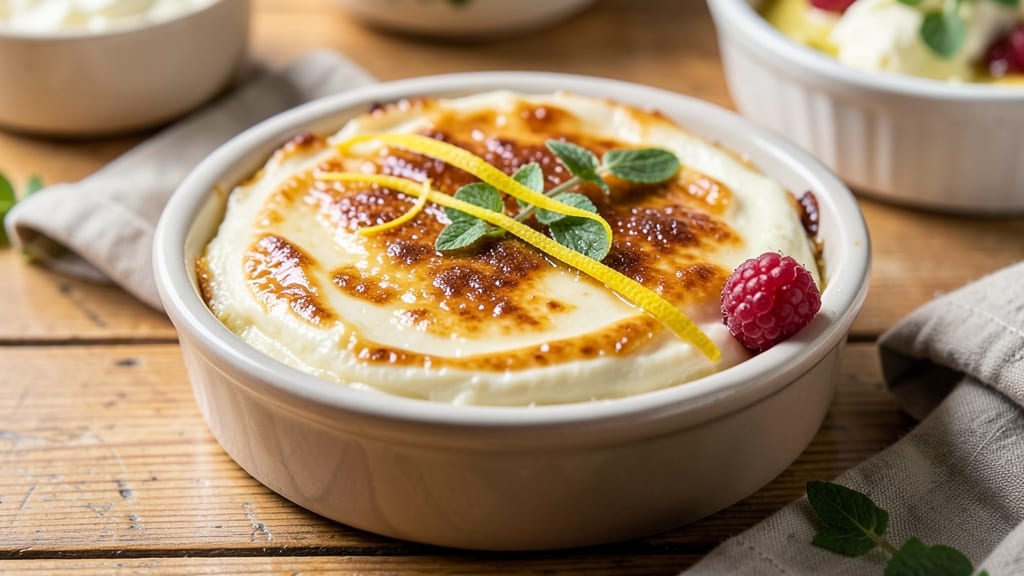
This Basque cream cheese recipe delivers the perfect balance of crispy top and velvety center that feels like a hug from Spain. 💛 The secret lies in a simple yet transformative technique that caramelizes the surface while keeping the interior silky smooth—just like the famous crema catalana but with a modern twist using cream cheese for extra richness.
I developed this after years of experimenting with Basque-inspired desserts, and it never fails to impress.
The magic happens in the oven, where a thin layer of sugar transforms into a golden, crackly crust while the cream cheese mixture below stays luscious and tender.
This recipe requires just five key ingredients—cream cheese, eggs, sugar, vanilla, and a touch of citrus zest—and comes together in under 30 minutes, including chilling time. The result is a dessert that’s elegant enough for special occasions but simple enough for weeknight cravings.
What you’ll end up with is a silky-smooth center that melts in your mouth, crowned with a caramelized top that shatters with every bite. The vanilla and citrus notes add brightness, while the cream cheese gives it a luxurious, velvety texture that’s impossible to resist.
Serve it chilled with fresh berries or a sprinkle of cinnamon for a dessert that feels both comforting and sophisticated.
This recipe works equally well as a standalone treat or paired with fruit, toasted bread, or even a scoop of ice cream. The best part? It’s foolproof—no special equipment or advanced skills required. Let’s get started on creating your own Basque-inspired masterpiece.
Ingredients for basque cream cheese
Five simple ingredients transform into a dessert that feels like a Basque masterpiece.
| Ingredient | Amount | Notes |
|---|---|---|
| Full-Fat Cream Cheese 🧀 | 8 oz | Room temperature for blending |
| Large Eggs 🥚 | 3 whole | Room temperature for best texture |
| Granulated Sugar 🍚 | ¾ cup | Superfine preferred for caramelization |
| Pure Vanilla Extract 🌿 | 1 tbsp | High-quality brand recommended |
| Lemon Zest 🍋 | 1 tbsp | Only the yellow part, finely grated |
| Unsalted Butter 🧈 | 2 tbsp | For greasing ramekins |
| Ground Cinnamon 🌶️ | ½ tsp | Optional for garnish |
| Fresh Berries 🍓 | ½ cup | For serving, optional |
The cream cheese is the star here—Philadelphia brand works best for its consistent quality. Grab the full-fat version (the good stuff, not the light kind) and let it sit at room temperature for about 30 minutes before blending. The sugar matters too—superfine sugar caramelizes more evenly, but regular granulated works in a pinch (just pulse it in a food processor first). For the lemon zest, use a fine grater and only the yellow part—no white pith, which can turn bitter. Trader Joe's has pre-zested lemons if you're short on time.
No vanilla extract? Vanilla bean paste works perfectly—just use half the amount since it's thicker. Substituting the lemon zest? Orange zest is a great swap, but the flavor will be slightly different. Want to skip the berries? A sprinkle of toasted coconut flakes adds a nice contrast. The cinnamon is optional but recommended—it pairs beautifully with the vanilla and lemon. For a richer version, add a splash of heavy cream to the cream cheese mixture, but keep it to 2 tbsp max to avoid a runny center.
This dessert needs to chill for at least 4 hours (overnight is ideal) before baking. Store leftovers in the fridge for up to 3 days, though it's best enjoyed fresh. To reheat, pop individual portions in the microwave for 15-20 seconds—just enough to soften the caramelized top without melting the center completely. The ramekins can be reused if you wash them immediately after baking—the sugar residue is stubborn otherwise.
Why You'll Love This Recipe
- No Whisk Required: This recipe is ridiculously hands-off—just blitz the cream cheese, eggs, and sugar in a blender until smooth. No straining, no tempering eggs, no fuss. Honestly, I’ve made it while scrolling through my phone.
- Velvet-Smooth Magic: That full-fat cream cheese melts into something so silky, it’s like dessert and breakfast had a baby. The vanilla and lemon zest? They brighten it up without overpowering—just enough to make you want a second bowl.
- Weeknight or Fancy Night: Serve it chilled with berries for a lazy Sunday brunch, or warm it slightly with a drizzle of honey for a last-minute dessert. Between us, it’s the kind of thing that makes you look like a pro at dinner parties.
- Leftovers That Don’t Suck: This stuff actually improves overnight—thickens just enough to be perfect for toast or pancakes the next day. And since it’s just five ingredients, it’s cheap enough to make twice if you’re greedy (no judgment here).
Step-by-step instructions for Basque cream cheese
Master the perfect balance of crispy exterior and silky interior with these precise techniques.
👨🍳 Step 1: Prepare the Base Mixture
In a large mixing bowl, beat the 8 oz full-fat cream cheese with an electric mixer on medium speed until completely smooth and free of lumps. This should take about 2-3 minutes—you're looking for a creamy, homogeneous texture. The cream cheese should be pale yellow with no visible streaks of white.
Add the 3 whole large eggs one at a time, mixing on low speed after each addition until fully incorporated. This gradual addition prevents the eggs from scrambling. Then add the 0.75 cup granulated sugar, 1 tbsp pure vanilla extract, and 1 tbsp lemon zest, mixing on medium-high speed for 3-4 minutes until the mixture is thick, pale, and ribbon-like when the beaters are lifted.
🥘 Step 2: Assemble in Ramekins
Preheat your oven to 325°F. Generously butter six 6-ounce ramekins using the 2 tbsp unsalted butter, making sure to coat the bottom and sides thoroughly. This butter layer creates a barrier that prevents sticking and enhances the crispy top.
Divide the cream cheese mixture evenly among the ramekins, filling each about ¾ full. Tap the ramekins gently on the counter to release any air bubbles that may have formed. The surface should be smooth—this ensures an even bake and that signature crispy top.
🔥 Step 3: Bake for Crispy Perfection
Place the ramekins in a large baking dish and pour hot water into the dish until it reaches halfway up the sides of the ramekins. This water bath creates gentle, even heat that prevents cracking and ensures the centers remain silky. Bake for 50-55 minutes until the edges are deep golden brown and the centers are just set but still slightly jiggly.
Here's the trick: The top should be crisp enough to hold its shape when gently pressed with a finger, but the center should still have a slight wobble—this indicates perfect doneness. If the tops brown too quickly, tent the ramekins loosely with aluminum foil during the last 10 minutes of baking.
⏰ Step 4: Rest and Serve
Remove the ramekins from the water bath and let them cool at room temperature for 15 minutes. Then refrigerate for at least 2 hours (or up to 24 hours) to allow the flavors to meld and the texture to set properly. This resting period is crucial—it's what transforms the creamy mixture into that signature Basque texture.
When ready to serve, run a thin knife around the edges of each ramekin to loosen them. Invert onto plates and garnish with a sprinkle of 0.5 tsp ground cinnamon and the 0.5 cup fresh berries. The contrast of the crispy exterior with the silky center is what makes this dessert truly magical.
Pro Tips For Making Basque Cream Cheese
- Whip Cream Cheese First: Take 30 seconds to beat the full-fat cream cheese with sugar before adding eggs—this prevents lumps like magic. I used to skip this, and the texture always ended up grainy, no matter how much I stirred later.
- Use Room-Temp Eggs: Cold eggs from the fridge will curdle your custard faster than you can say "overcooked." Let them sit in warm water for 5 minutes (yes, even if you’re impatient like me)—it’s the difference between silky and seizing.
- Skip the Boiling Point: The moment your custard reaches a gentle simmer (170°F/77°C), pull it off heat—heat builds fast. I learned this the hard way after burning three batches; now I just watch for tiny bubbles at the edges and stop there.
- Zest Fresh, Then Wait: Grate lemon zest just before mixing and let it sit for 10 minutes—this softens the oils and prevents that bitter punch that ruins the balance. (Pro tip: Use a microplane, not a box grater, for finer control.)
Common mistakes when making great basque cream cheese
Overmixing the Cream
I’ve seen this happen more times than I can count—overmixing the cream cheese and egg mixture turns it grainy or rubbery. The goal is a smooth, ribbon-like consistency, not a stiff batter.
Mix on medium speed for 2-3 minutes max to blend the cream cheese, then switch to low speed when adding eggs. Overmixing incorporates too much air, which can cause the centers to crack during baking. 🧀
Skipping Room Temp Ingredients
Cold cream cheese and eggs are the silent killers of this recipe. If your cream cheese is straight from the fridge, it’ll create lumps that never dissolve, and cold eggs won’t blend properly.
Let both sit at room temperature for 30 minutes before mixing. I always set a timer—I’ve learned the hard way that “a few minutes” isn’t enough when you’re eager to start baking.
Uneven Sugar Distribution
The sugar isn’t just for sweetness—it’s what creates that crispy top. If you don’t distribute it evenly, you’ll end up with splotchy caramelization. Sprinkle the sugar directly on the surface of each ramekin after filling it with the cream mixture, then give it a gentle shake to spread it out.
A ¼ tsp of sugar per ramekin on top before baking ensures a consistent, crackly crust.
Baking Without Water Bath
Skipping the water bath is a rookie mistake that leads to cracked tops and uneven cooking. The water bath (or bain-marie) creates a humid environment that prevents the surface from drying out too quickly. Fill your baking dish with hot water halfway up the ramekins—cold water will shock the mixture.
If you forget, just add water to the dish after placing the ramekins in the oven and close the door quickly.
Underbaking or Overbaking
This one’s tricky—underbaked centers are sad and gummy, while overbaked tops turn bitter. The edges should be deep golden brown, but the center should still jiggle slightly when gently shaken. If your oven runs hot, reduce the temperature by 25°F and add 5-10 minutes to the baking time.
A toothpick inserted in the center should come out clean but leave a few moist crumbs—this is the perfect doneness.
Rushing the Chill Time
I get it—you want to eat it now! But rushing the 2-hour chill (or worse, serving it warm) means the texture won’t set properly. The cream cheese needs time to firm up and develop that signature Basque silkiness.
If you’re in a hurry, pop the baked ramekins in the fridge for 1 hour, then finish chilling in the freezer for 30 minutes. Just don’t skip it entirely—trust me, your taste buds will thank you later. ❄️
Nutrition facts
Frequently asked questions
Can I make this Basque cream cheese recipe without ramekins?
Use 6-ounce oven-safe custard cups or even small ceramic bowls. For a rustic look, try individual ovenproof glasses or heatproof ramekins from your kitchenware collection. Just ensure they're deep enough to hold the mixture without spilling during baking. The water bath method still works—place your alternative containers in a larger baking dish with hot water halfway up their sides.
How do I fix if my mixture curdles during baking?
Curdling usually happens when eggs cook too quickly. The center should have a slight jiggle when done—if it's fully set, it's overbaked. For next time, reduce oven temp to 300°F and bake 5-10 minutes longer. If it happens now, try reheating gently in the oven with a damp towel over it for 5-10 minutes at 250°F to restore creaminess. The texture won't be perfect, but it'll be edible.
What's the difference between this and traditional crème brûlée?
This Basque version uses cream cheese instead of heavy cream, giving it a richer, silkier texture. The sugar caramelization happens during baking rather than post-bake torching, creating a more even crispy layer. Traditional crème brûlée has a custard base with egg yolks and cream, while this recipe incorporates whole eggs for structure. The lemon zest adds brightness that crème brûlée typically lacks.
Can I make this ahead of time?
Yes! This dessert actually tastes better when made a day ahead. After baking, cool completely, then refrigerate for 24 hours before serving. The flavors meld beautifully, and the texture becomes even more luxurious. For parties, bake the ramekins 1 day ahead, chill, then reheat in the oven at 300°F for 10-15 minutes before serving to restore the crispy top.
What if I don't have vanilla extract?
No problem! Use ½ tsp vanilla bean paste (it's thicker but more flavorful) or 1 tsp vanilla sugar (mix powdered sugar with scraped vanilla bean). For a budget option, ½ tsp ground cinnamon plus ½ tsp orange zest works surprisingly well. The key is balancing the flavors—if using substitutes, reduce other spices slightly to avoid overpowering the delicate cream cheese base.