
Sauces & Condiments
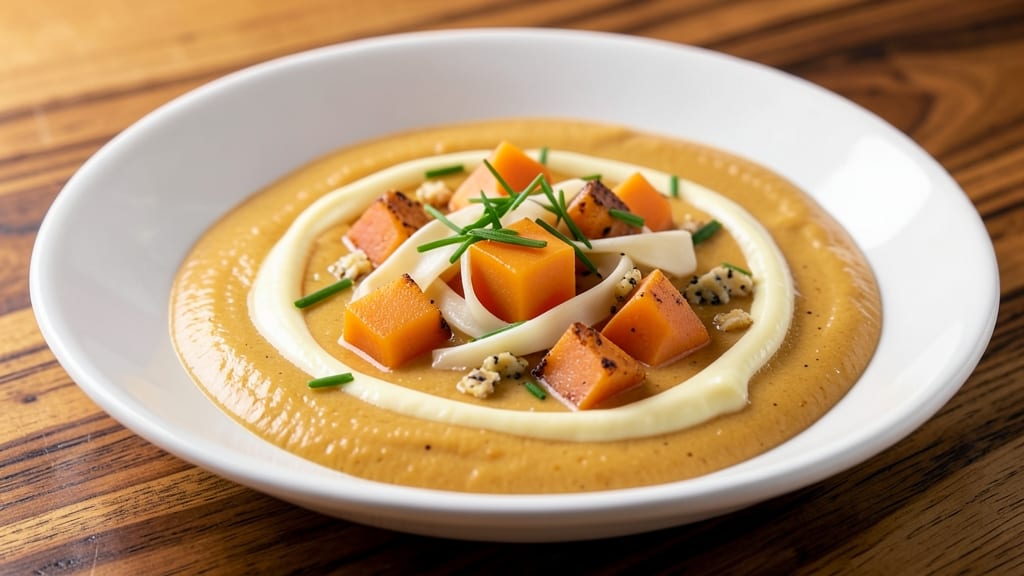
This Beecher's cheese sauce recipe delivers the ultra-smooth, velvety texture that makes every mac and cheese dish irresistible. 💛 The secret lies in a precise roux and careful cheese melting—no lumps, just silky perfection that coats every bite effortlessly.
I've perfected this version over years of testing, ensuring it's rich enough for casseroles but versatile enough for dipping or topping.
The foundation starts with equal parts butter and flour cooked to a golden brown, then gradually whisked into warm milk to create a stable base. Sharp cheddar forms the core, but adding a touch of Gruyère or Monterey Jack elevates the flavor complexity.
The key technique? Slow, constant stirring over medium heat until the cheese fully dissolves and the sauce thickens to that ideal pour consistency.
What sets this sauce apart is its ability to transform ordinary dishes—creamy mac and cheese becomes restaurant-quality, baked potatoes get gourmet upgrades, and vegetables become irresistible dippers. The sauce reheats beautifully, maintaining its velvety texture even after refrigeration.
For extra depth, consider adding a pinch of mustard or garlic powder, but the classic version remains foolproof.
Make a double batch and store in the refrigerator for up to 5 days, or freeze for longer shelf life. When reheating, warm gently over low heat while stirring constantly to prevent skin formation.
This is the kind of sauce that turns simple meals into something extraordinary—let's get started on creating your perfect batch.
Ingredients for beecher's cheese sauce
Nine essential ingredients transform into Beecher's signature velvety cheese sauce.
| Ingredient | Amount | Notes |
|---|---|---|
| Unsalted Butter 🧈 | ½ cup | Cold, cut into small cubes |
| All-Purpose Flour 🌾 | ½ cup | White or whole wheat |
| Whole Milk 🥛 | 2 cups | Warm before adding to roux |
| Sharp Cheddar Cheese 🧀 | 2 cups | Shredded, aged 6+ months |
| Gruyère Cheese 🧀 | ½ cup | Shredded, nutty flavor |
| Monterey Jack Cheese 🧀 | ½ cup | Shredded, mild complement |
| Yellow Mustard 🟡 | 1 tbsp | Dijon or prepared, optional |
| Garlic Powder 🧄 | ½ tsp | Freshly ground preferred |
| Salt 🧂 | ½ tsp | Diamond Crystal kosher |
| White Pepper 🌶️ | ¼ tsp | Freshly ground for elegance |
The cheese selection is non-negotiable for that signature Beecher's texture. Sharp cheddar forms the base—look for aged varieties with visible crystals (those mean good flavor). Gruyère and Monterey Jack add complexity without overpowering. I always buy sharp white cheddar from Cabot or Wisconsin Farmer's Union for the best results. For Gruyère, Whittard of Chelsea or Trader Joe's have solid options. Pre-shredded cheese? Skip it—it's coated with anti-caking agents that prevent proper melting. Shred your own using the large holes on a box grater.
No Gruyère? Parmigiano-Reggiano at half the amount works in a pinch. Out of Monterey Jack? Provolone or Gouda both play nicely. The mustard and garlic powder are optional but recommended—they add subtle depth without altering the sauce's signature creaminess. For the roux, European-style butter (like Plugrá) has higher fat content, which creates a richer base. If you're gluten-sensitive, substitute the flour with an equal amount of gluten-free all-purpose flour blend. The milk should be warm but not hot—just enough to melt the butter completely when combined.
This sauce reheats beautifully—simmer gently over low heat while stirring constantly to prevent skin formation. Store in an airtight container in the refrigerator for up to 5 days. For longer storage, freeze in 1-cup portions for up to 3 months. When reheating from frozen, thaw overnight in the fridge first. The sauce thickens as it cools, so you can always thin it with a splash of warm milk if needed. Double batches freeze exceptionally well—perfect for lazy weeknights when you're craving that Beecher's-style comfort.
Why You'll Love This Recipe
- Five-Ingredient Magic: This sauce is basically a pantry hug—just butter, flour, milk, and two cheeses. No fancy prep, no stress. I’ve made it while chatting on the phone, and it still turns out velvety smooth every time.
- Nutty, Sharp, Irresistible: That Gruyère melts into something almost caramelized, while the sharp cheddar adds this bright, tangy kick. Honestly, I’ll take a spoonful straight from the pot—no shame.
- Mac and Cheese’s BFF: Drown your pasta, blanket your baked potatoes, or drizzle it over steamed veggies. It’s the kind of sauce that makes even the simplest meal feel like a restaurant dish. (Yes, even on a Tuesday night.)
- Make-Ahead MVP: Double the batch and stash it in the fridge—it reheats like a dream. I’ve pulled this sauce from the fridge for lazy weeknight dinners, and no one ever guesses it’s not fresh off the stove. Budget-friendly? Absolutely.
Step-by-step instructions for Beecher's cheese sauce
Here's how to make the signature velvety sauce that's perfect over mac and cheese.
🍳 Step 1: Melt Butter and Make the Roux
Place a heavy-bottomed saucepan over medium heat and add the 0.5 cup unsalted butter cut into small cubes. Let it melt completely, watching for the butter to foam and then settle into a gentle simmer. This takes about 2-3 minutes—don't rush it. The butter should turn a pale golden color and smell nutty.
Once the butter is fully melted, immediately whisk in the 0.5 cup all-purpose flour. Stir constantly for 1-2 minutes until the mixture forms a smooth, thick paste. This is your roux, and it's the foundation of your sauce. You'll know it's ready when it smells toasty and looks like a thick, pale yellow paste with no visible flour specks.
🍳 Step 2: Cook the Roux Until Golden
Continue cooking the roux over medium heat, stirring constantly with a wooden spoon or whisk, for another 2-3 minutes until it turns a rich, golden brown color. This step develops deep, nutty flavors—don't let it burn, but don't be afraid to let it cook until it's fully transformed. You're looking for a color similar to a light caramel.
Here's the thing—I like to press a small amount of the roux between my fingers at this stage. If it holds together like a paste and smells toasty, it's ready. If it crumbles or smells raw, keep cooking it for another 30 seconds. This golden roux is what gives Beecher's sauce its signature richness and velvety texture.
🍳 Step 3: Gradually Add Warm Milk
Reduce the heat to low and begin adding the 2 cups warm whole milk very slowly, whisking constantly to prevent lumps from forming. I use a ladle to add the milk in small increments—about ¼ cup at a time. Each addition should be fully incorporated before adding more. This gradual process creates an ultra-smooth sauce without any graininess.
After all the milk is incorporated, increase the heat to medium-low and let the sauce simmer gently for 3-5 minutes, stirring frequently. You'll notice the sauce thickening as it cooks. If it gets too thick too quickly, add a splash of milk to loosen it. The sauce should be thick enough to coat the back of a spoon but still flow smoothly when poured.
🥘 Step 4: Add Cheeses and Seasonings
Remove the saucepan from heat and reduce the heat to lowest setting. Begin adding the cheeses in stages to prevent scorching. First, add the 2 cups sharp cheddar cheese, stirring constantly until fully melted and smooth. Then add the 0.5 cup gruyère cheese and 0.5 cup monterey jack cheese, again stirring until completely melted.
Return the sauce to low heat and stir in the 1 tbsp yellow mustard, 0.5 tsp garlic powder, 0.5 tsp salt, and 0.25 tsp white pepper. Let the sauce simmer for another 2-3 minutes, stirring constantly, until all the seasonings are fully incorporated. The sauce should now be completely smooth, glossy, and ready to pour.
⏰ Step 5: Strain and Serve Immediately
For the ultimate silky texture, strain the sauce through a fine-mesh sieve into a clean saucepan. This removes any remaining cheese lumps and creates that signature velvety consistency. Return the sauce to low heat and keep it warm until ready to serve—no longer than 10-15 minutes, as it can separate if left unattended.
Beecher's sauce is best served immediately over hot macaroni, baked potatoes, or as a dipping sauce for bread. The key is to use it right away while it's at its peak temperature and texture. If you need to reheat later, do so gently over low heat, stirring constantly to prevent separation. The result should be a rich, velvety sauce that pours beautifully and coats every bite perfectly.
Pro Tips For Making Beecher'S Cheese Sauce
- Cook Butter Slowly: Melt the unsalted butter over medium-low heat—rushing it with high heat turns the sauce grainy. I learned this the hard way after scraping lumps out of three batches; patience here makes all the difference.
- Grate Cheese Fresh: Skip the pre-shredded cheese—it’s coated with anti-caking agents that make the sauce clump. Use a box grater for sharp cheddar and Gruyère, and pulse the cheddar once in a food processor for even melting.
- Temper the Milk: Warm the whole milk to body temperature before adding it to the roux. Cold milk shocks the butter and flour, creating a gluey mess instead of a silky sauce—trust me, your future self will notice.
- Strain Before Serving: After melting the cheeses, pour the sauce through a fine-mesh sieve to catch any stray bits of Gruyère or cheddar. It’s not the prettiest step, but it guarantees a smooth, restaurant-quality finish.
Make-ahead tips for leftovers
Prep Ahead Strategy
Make a double batch of this sauce and store it in an airtight container in the refrigerator for up to 5 days. The flavors actually deepen as it sits, making it perfect for lazy weeknights.
I always prep a batch on Sundays so I can quickly toss it with pasta or drizzle over veggies during the week. 💪
Freezing for Later
For longer storage, freeze the sauce in 1-cup portions in silicone molds or freezer-safe bags. This makes it easy to thaw just what you need. When ready to use, transfer frozen portions to the fridge to thaw overnight.
The sauce thickens as it cools, so you can thin it with a splash of warm milk if needed.
Reheating Like a Pro
Reheat gently over low heat while stirring constantly to prevent skin formation. I like to add 1-2 tablespoons of milk when reheating to restore that velvety consistency. For microwave reheating, cover with a damp paper towel and heat in 30-second intervals, stirring between each, until fully warmed through.
Make-Ahead Variations
Want to add flavor ahead of time? Stir in 1 teaspoon of Dijon mustard or ½ teaspoon of smoked paprika when storing. These additions keep well in the fridge and enhance the sauce's depth when reheated. Just avoid adding fresh herbs until serving—they lose their vibrancy when stored.
Portion Control Tips
Use ramekins or small jars for individual portions—perfect for meal prep. Label each with the date and reheating instructions. I keep a stash in my freezer for quick mac and cheese nights when I'm craving comfort food without the effort. 🍽️
Sauce Consistency Hacks
If your sauce thickens too much after refrigeration, thin it with warm milk or heavy cream—about 1 tablespoon at a time until you reach your desired consistency.
For extra richness, stir in 1 tablespoon of butter while reheating. The key is to adjust gradually to maintain that signature velvety texture.
Nutrition facts
Frequently asked questions
Can I make this cheese sauce without a roux?
The roux is essential for that signature Beecher's texture, but if you're gluten-free, you can substitute with 2 tablespoons cornstarch or gluten-free flour blend mixed with 2 tablespoons cold butter. Whisk into warm milk first, then proceed with the recipe. The sauce will be equally creamy but with a slightly different mouthfeel.
What's the best cheese substitute if I can't find Gruyère?
Use ½ cup Parmigiano-Reggiano or ½ cup aged Gouda instead of Gruyère. Both add nutty depth without altering the sauce's fundamental creaminess. For Monterey Jack, provolone or mild cheddar work well too. Just ensure your cheddar is sharp and aged for the best flavor.
Why did my cheese sauce separate when reheating?
This happens when the sauce cools too quickly or isn't stirred constantly while reheating. To fix it, whisk in 1-2 tablespoons of warm milk or heavy cream while heating over low heat. For prevention, always reheat on low and stir every 30 seconds until smooth again.
Can I use evaporated milk instead of whole milk?
Yes, but reduce the amount to 1½ cups evaporated milk since it's more concentrated. The sauce will be slightly thicker, so thin with 1-2 tablespoons of water if needed. Evaporated milk adds a richer flavor but works best when combined with ½ cup whole milk for balance.
How do I make this sauce spicier?
Add ½ teaspoon cayenne pepper or 1 teaspoon smoked paprika when incorporating the seasonings. For heat without dryness, stir in 1 tablespoon chipotle powder or a pinch of crushed red pepper flakes. Always taste as you go—cheese sauce can easily become overwhelmingly spicy!