
Sauces & Condiments
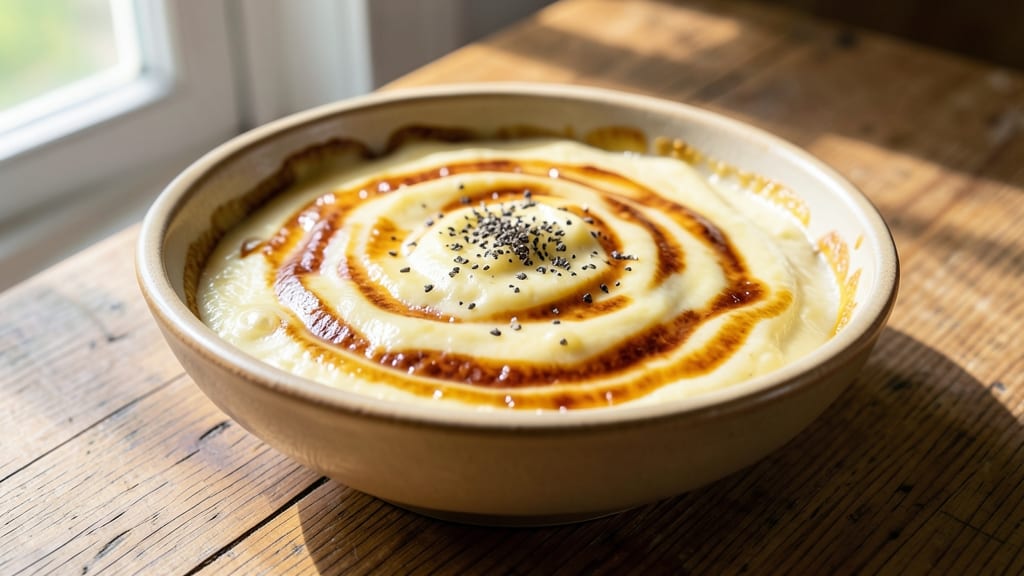
Creating a Campbell’s-style cheese sauce that’s velvety smooth and ready in just 10 minutes is simpler than you think. The key lies in balancing milk, butter, and flour to create a creamy base before adding sharp cheddar for that signature tang.
This sauce transforms ordinary dishes—mac and cheese, baked potatoes, or grilled vegetables—into restaurant-worthy meals with minimal effort.
What sets this recipe apart is the foolproof roux technique, where butter and flour cook together to eliminate any raw flour taste while building a rich foundation for the cheese.
Using a mix of sharp cheddar and cream cheese ensures a sauce that’s both creamy and slightly tangy, just like the classic Campbell’s flavor profile. The process is straightforward, requiring only basic pantry staples and a few minutes of attention.
By the end, you’ll have a silky, lump-free cheese sauce that coats every bite perfectly—no clumps, no graininess, just pure, velvety smoothness. The sauce thickens just enough to cling to noodles or vegetables without being overly heavy, making it versatile for any dish.
Whether you’re prepping a quick weeknight meal or hosting a dinner party, this sauce delivers professional results with ease.
For added depth, consider stirring in a touch of Dijon mustard or a splash of heavy cream, but the base recipe alone delivers exceptional flavor. Let’s get started on creating your perfect cheese sauce.
Ingredients for campbell's cheese sauce
Eight simple ingredients transform into velvety Campbell's-style cheese sauce in minutes.
| Ingredient | Amount | Notes |
|---|---|---|
| Unsalted Butter 🧈 | ½ cup | Cold, cut into small cubes |
| All-Purpose Flour 🌾 | ½ cup | Sifted for smooth sauce |
| Sharp Cheddar Cheese 🧀 | 2 cups | Shredded, block preferred |
| Cream Cheese 🧀 | 8 oz | Full-fat, room temperature |
| Whole Milk 🥛 | 2 cups | Room temperature, 2% works |
| Salt 🧂 | ½ tsp | Kosher or sea salt |
| Ground Black Pepper 🌶️ | ¼ tsp | Freshly ground preferred |
| Dijon Mustard 🍯 | 1 tbsp | Optional, for depth (skip if needed) |
| Heavy Cream 🥛 | ¼ cup | Optional, for extra richness |
The butter and flour are your foundation—don’t skip the roux. Use European-style butter (like Plugrá) if you’ve got it, but any good unsalted works. Sift the flour to avoid lumps, and keep everything cold until the roux is cooked. Whole Foods or Trader Joe's carry pre-shredded cheddar, but block cheese shreds better and melts smoother. For the cream cheese, I always grab Philadelphia brand—it blends perfectly without graininess. If you’re in a pinch, Kraft Natural works too, just cut it into smaller pieces before adding.
No sharp cheddar? Pepper Jack or Colby Jack add a nice kick. Skip the cream cheese? Extra cheddar plus 2 tbsp milk keeps it creamy. Running low on milk? Evan-Peel or almond milk works in a bind, but whole milk gives the best texture. The Dijon mustard is totally optional—it adds a subtle tang, but if you’re not a fan, just omit it. For extra richness, the heavy cream is a game-changer, but the base recipe is already delicious without it. Pro tip: Microwave the butter 40 seconds to just melt it before making the roux—saves scrubbing the pot.
This sauce keeps 5 days in the fridge, sealed tight. For leftovers, reheat gently on low—high heat makes it grainy. Freezes for 3 months too, but add a splash of milk when reheating to restore creaminess. I always make extra—it’s perfect for mac and cheese, baked potatoes, or even as a dip. Store in a glass container to avoid absorbing fridge odors, and stir well before using. The longer it sits, the richer the flavor gets.
Why You'll Love This Recipe
- Five-Ingredient Magic: I swear by this combo—just butter, flour, cheddar, cream cheese, and milk. No weird spices or hard-to-find stuff. The moment you melt that sharp cheddar into the roux? Pure, creamy bliss with zero fuss.
- Creamy Without the Hassle: That cream cheese twist makes it richer than store-bought, but it’s still silky smooth. No lumps, no waiting for hours—just a quick whisk and you’re done. Honestly, it’s the kind of sauce that makes you question why you ever bought the powdered kind.
- Dinner Party Ready: Slather it on mac and cheese, bake it into gratin, or drizzle it over veggies—this sauce works for everything. I’ve used it for potlucks, lazy weeknight dinners, and even as a dip for my kids’ goldfish crackers. (Yes, even on a Tuesday night.)
- Budget-Friendly Leftovers: A single batch stretches across three meals for my family of four. The cheddar and cream cheese stretch further than you’d think, and the milk keeps it from getting too heavy. Plus, it reheats like a dream—no graininess, no weird textures. Just reliable, comforting flavor.
Step-by-step instructions for Campbell's cheese sauce recipe
Here's how to make a velvety, restaurant-quality cheese sauce that's foolproof every time.
Melt Butter and Whisk in Flour
In a medium saucepan, melt the 0.5 cup unsalted butter over medium heat. Let it bubble gently for about 1 minute until it stops foaming. Here's the thing—don't rush this step. The butter needs to get hot enough to cook out the raw flour flavor.
Reduce the heat to medium-low and gradually whisk in the 0.5 cup all-purpose flour. Stir constantly for 2-3 minutes until the mixture turns a light golden color and smells nutty. You're essentially making a roux here—the foundation of your sauce. If it starts to brown too quickly, lower the heat immediately. This is your base, so take your time to get it right.
Add Milk Gradually for Smoothness
Slowly pour in the 2 cups whole milk while whisking vigorously. I like to add it in a thin stream to prevent lumps from forming. Keep whisking for 3-5 minutes until the mixture thickens noticeably. You'll see it go from a thin liquid to a creamy, pudding-like consistency.
This gradual addition is key—it ensures the flour fully incorporates without clumping. If you notice any lumps forming, use a handheld immersion blender for 10 seconds to smooth it out. The sauce should now coat the back of a spoon. If it's still too thin, let it simmer for another 1-2 minutes. If it thickens too much, we'll fix that in the next step.
Incorporate Cheeses for Maximum Creaminess
Lower the heat to low and begin adding the cheeses. First, stir in the 8 oz cream cheese until it melts completely into the sauce. Then, gradually add the 2 cups sharp cheddar cheese, whisking constantly. The mixture will thicken dramatically as the cheeses melt.
Here's where it gets fun—if the sauce becomes too thick, simply whisk in 1-2 tablespoons of the hot milk you set aside earlier. This keeps the texture silky smooth. The cheddar should be fully melted with no visible chunks. If you're using the optional 1 tbsp Dijon mustard, add it now and whisk to combine. This adds a subtle tang that balances the richness.
Season and Finish with Cream
Season the sauce with the 0.5 tsp salt and 0.25 tsp ground black pepper. Taste and adjust if needed—sometimes the cheddar is salty enough that you might not need all the salt. Stir in the 0.25 cup heavy cream (if using) for that extra velvety finish.
Let the sauce simmer gently for 1-2 minutes to meld all the flavors together. It should now be thick enough to coat the back of a spoon but still flow smoothly. If you're using this for mac and cheese or grilled cheese, now's the time to serve it while it's hot and creamy. For best results, keep it warm in a slow cooker set to low heat if you're not using it all at once.
Pro Tips For Making Campbell'S Cheese Sauce
- Melt Cheese Slowly: Dump all the cheddar and cream cheese in at once, and you’ll end up with lumps—no matter how much you stir. Instead, add the sharp cheddar first, let it melt completely into the roux, then fold in the cream cheese in small chunks. It’ll blend smoother and taste richer.
- Whisk Like You Mean It: The moment you add milk, stop stirring and whisk aggressively for 30 seconds. I used to think gentle stirring was enough, but that’s when you get those stubborn flour clumps. Get those whisk strokes sharp—it’s the only way to break up the roux properly.
- Skip the Pre-Shredded Cheese: Pre-shredded cheddar is coated with anti-caking agents that make the sauce grainy, no matter how much you strain it. Grate your own—it melts faster, blends cleaner, and tastes fresher. (Yes, it’s a pain, but worth it.)
- Finish with a Splash of Milk: After everything’s melted, the sauce can get thick and gluey. Thin it out with a splash of warm milk—just enough to loosen it up without making it watery. Taste as you go; you’re aiming for creamy, not soupy.
Troubleshooting perfect results
Lumpy Sauce Fix
If your cheese sauce develops lumps despite careful whisking, don’t panic—this happens to everyone. Immediately reduce the heat to low and use an immersion blender for 10-15 seconds to break up clumps.
If you don’t have one, strain the sauce through a fine-mesh sieve into a clean pot, then whisk in 1-2 tbsp of hot milk to restore creaminess. For future batches, whisk the milk into the roux more slowly to prevent clumping in the first place. 💡
Sauce Too Thin?
A runny cheese sauce usually means the roux wasn’t cooked long enough or too much milk was added. Simmer the sauce uncovered for 3-5 minutes on medium-low heat, stirring constantly, to evaporate excess liquid.
If it still feels thin, mix 1 tbsp cornstarch with 1 tbsp cold water, stir into the sauce, and cook for another 1-2 minutes. Never add extra flour directly—it’ll make the sauce grainy.
Sauce Too Thick?
Over-thickened sauce happens when the roux cooks too long or too much cheese is added. Thin it out by whisking in 1-2 tbsp of hot milk at a time until it reaches the perfect coating consistency.
For a smoother fix, strain the sauce through a sieve to remove any cheese particles that might be making it clumpy. If you’re using this for mac and cheese, a slightly thicker sauce is ideal—just adjust to taste.
Grainy Texture?
Graininess usually means the cheese didn’t melt completely or the sauce was stirred too vigorously after adding the cheeses. Always melt the cream cheese first, then gradually whisk in the sharp cheddar while keeping the heat on low.
If graininess appears, blend with an immersion blender for 5 seconds or strain through a fine-mesh sieve. For next time, shred the cheese yourself—pre-shredded cheese often contains anti-caking agents that cause graininess. 🧀
Cheese Separating?
If the cheese curdles or separates, the sauce was likely too hot when the cheeses were added. Reduce the heat to low and whisk in 1 tbsp of cold milk to temper the sauce. Then, blend with an immersion blender for 10 seconds to re-emulsify.
To prevent this, always add cheeses gradually and keep the sauce moving on low heat. If the sauce still looks broken, whisk in 1 tbsp Dijon mustard—it helps bind the mixture and adds depth.
Sauce Too Salty?
If your sauce tastes overly salty, it’s usually from the cheese (especially pre-shredded varieties). Balance the flavor by whisking in 1-2 tbsp of milk to dilute the saltiness. A splash of lemon juice (½ tsp) or a pinch of sugar can also help brighten the flavor.
For future batches, taste the cheese before adding it—adjust with a pinch of salt if needed. If the sauce is still too strong, add a bit more milk and reheat gently. 🧂
Nutrition facts
Frequently asked questions
Can I make this cheese sauce without cream cheese?
Yes! Replace the 8 oz cream cheese with an extra 1 cup sharp cheddar and 2 tbsp milk to maintain creaminess. For richer texture, use ½ cup sour cream instead—it adds tang without graininess. The sauce will still be delicious, though slightly less velvety.
Why did my sauce turn out grainy?
Graininess usually happens when cheese doesn't melt fully or the sauce gets too hot. Always melt cream cheese first on low heat, then whisk in cheddar gradually. For future batches, shred cheese yourself—pre-shredded varieties contain anti-caking agents that cause texture issues. If it happens, blend with an immersion blender for 5 seconds or strain through a fine-mesh sieve.
How long can I store leftover cheese sauce?
Store in an airtight container in the fridge for up to 5 days. For reheating, warm gently on low heat, stirring constantly to prevent graininess. Freeze for 3 months—thaw overnight in the fridge and whisk in 1 tbsp milk to restore creaminess. Never refreeze thawed sauce.
Can I use this sauce for grilled cheese sandwiches?
This sauce is perfect for grilled cheese—its rich, velvety texture melts beautifully between slices. Spread 1-2 tbsp on each side of your bread before assembling. For extra decadence, add a sprinkle of garlic powder or paprika to the sauce before serving. The sauce will toast slightly on the grill, creating a crispy-cheesy crust.
What's the secret to a smooth roux?
The secret lies in patience and temperature control. Cook the butter and flour on medium-low heat for 2-3 minutes until golden, stirring constantly. Never let it brown—this creates a bitter flavor. For extra smoothness, whisk the milk into the roux in a thin stream while blending with an immersion blender for 10 seconds after adding. This eliminates lumps before they form.