
Sauces & Condiments
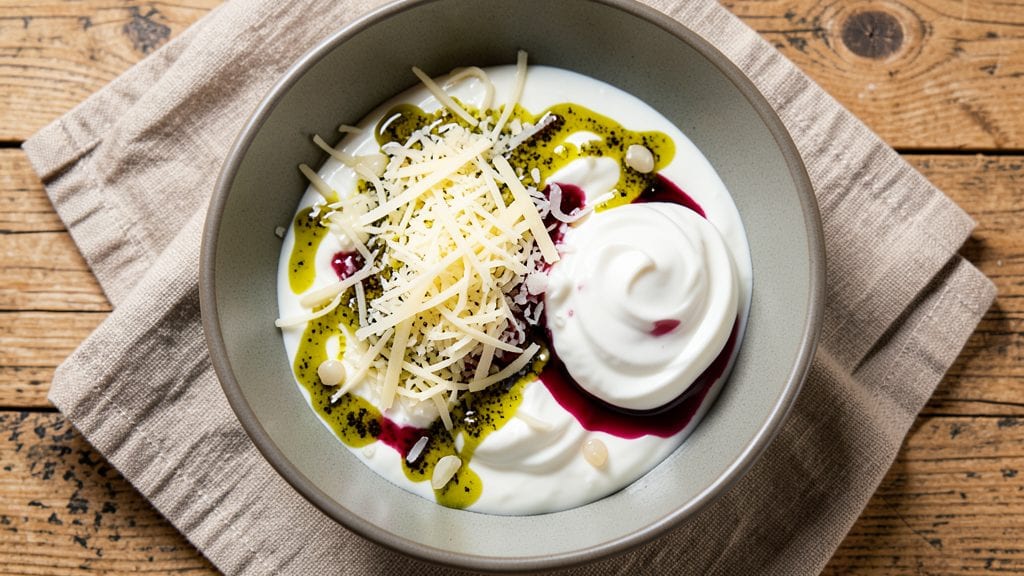
This cheese marinade recipe transforms ordinary grilled or roasted proteins into restaurant-quality dishes with just 15 minutes of prep. The secret lies in blending sharp cheddar with tangy yogurt, bold spices, and a splash of wine—creating a rich, umami-packed marinade that tenderizes meat while infusing deep flavor.
I developed this after years of experimenting with dry rubs and realized cheese could be the game-changer for moisture and complexity.
The beauty of this marinade is its versatility—it works equally well on chicken, pork, or beef, and the cheese base ensures proteins stay juicy even after high-heat cooking.
Unlike traditional marinades, this one doesn’t rely on acidic ingredients that can break down texture; instead, it uses a balanced blend of fat, salt, and herbs to enhance natural flavors.
For best results, let proteins marinate for 2–4 hours in the refrigerator, though even 30 minutes will make a noticeable difference.
What you’ll end up with is meat that’s not just flavorful but also perfectly tender, with a subtle cheesy richness that pairs beautifully with grilled vegetables or fresh herbs.
The marinade itself can be stored in an airtight container for up to 5 days, making it ideal for meal prep. Whether you’re hosting a barbecue or cooking for a weeknight dinner, this marinade elevates every bite without the fuss.
Pair it with bold sides like grilled asparagus or a crisp salad to let the flavors shine. Here’s how to make it—simple, professional, and guaranteed to impress.
Ingredients for cheese marinade
Nine ingredients. One game-changing marinade. Cheesy, tangy, and packed with umami.
| Ingredient | Amount | Notes |
|---|---|---|
| Sharp White Cheddar Cheese 🧀 | 1 cup | Freshly grated, block preferred |
| Plain Greek Yogurt 🥛 | ½ cup | Full-fat for creaminess |
| Dry Red Wine 🍷 | ¼ cup | Bold like Cabernet Sauvignon |
| Extra-Virgin Olive Oil 🫒 | ¼ cup | High quality, fruity flavor |
| Garlic Cloves 🧄 | 4 cloves | Peeled, roughly chopped |
| Dijon Mustard 🍯 | 1 tbsp | For tangy depth |
| Dried Oregano 🍃 | 1 tsp | Mexican oregano preferred |
| Smoked Paprika 🌶️ | ½ tsp | For subtle smokiness |
| Ground Black Pepper 🌶️ | ½ tsp | Freshly cracked preferred |
| Kosher Salt 🧂 | 1 tsp | Adjust to taste |
The cheese is non-negotiable here—sharp white cheddar gives that perfect balance of tang and richness. Block cheese always wins over pre-shredded—it melts better and has no anti-caking agents. I grab mine from Whole Foods or the deli counter at Kroger when it's on sale. For the yogurt, full-fat Greek yogurt (like Fage) keeps things creamy without thinning the marinade. The red wine? Any bold, dry red works—Cab Sauv, Merlot, whatever's open. If you're avoiding alcohol, sub with extra red wine vinegar (start with 1 tbsp).
No sharp cheddar? Pepper jack or smoked Gouda add different but delicious depth. Short on yogurt? Sour cream at half the amount works in a pinch (though it's heavier). The garlic can be fresh or powdered—fresh is better, but powdered saves time. Smoked paprika hard to find? Regular paprika plus a pinch of liquid smoke mimics it. For the wine, if you're out, beef broth with a splash of balsamic gives similar richness. And if you're watching calories, light Greek yogurt keeps the tang without the fat—just add a splash of water to compensate for thinness.
This marinade keeps beautifully—5 days in the fridge sealed tight, or 3 months frozen in ice cube trays for single-use portions. I double the batch and freeze half for future grilling nights. When using frozen marinade, thaw it in the fridge overnight. The cheese base means it won't break down proteins like acidic marinades, so you can marinate for up to 8 hours without worrying about texture. Just remember: always reserve 2 tbsp for basting while your meat cooks—trust me on this.
Why You'll Love This Recipe
- No Chopping Needed: The sharp cheddar and Greek yogurt blend themselves—no grating, no mincing, just a quick mix. I dump everything into a bowl, stir, and in five minutes, I’ve got marinade ready while my chicken (or veggies) soak up the magic.
- Umami Bomb: That red wine and aged cheddar combo? It’s like a flavor explosion in your mouth. The tangy yogurt cuts through the richness, while the garlic adds a punch that sticks with you—perfect for grilled meats or roasted potatoes.
- Weeknight to Party Fix: Use it on weeknight burgers or slather it on steaks for a dinner party. The same marinade works for chicken thighs, pork chops, or even as a dip—no last-minute shopping, just one jar of magic doing double duty.
- Lasts All Week: I make a big batch on Sunday, store it in the fridge, and it stays fresh for days. The wine and olive oil preserve it better than most marinades, so I’m not scrambling for ideas midweek—just grab, pour, and go.
Step-by-step instructions for cheese marinade
This bold umami blend transforms simple proteins into restaurant-worthy dishes.
Grate and Mix the Cheese Base
Start by grating the 1 cup sharp white cheddar cheese using a box grater or food processor for uniform texture. The sharper the cheese, the more complex the flavor profile will be in your marinade. Place the grated cheese in a medium mixing bowl and set aside.
In a separate small bowl, whisk together the 0.5 cup plain Greek yogurt and 1 tbsp Dijon mustard until smooth and fully combined. The yogurt adds tanginess while the Dijon mustard brings a deep, savory punch. This mixture will help emulsify the marinade later, preventing separation.
Infuse with Aromatics and Wine
Add the 4 cloves garlic cloves (roughly chopped) to the cheese mixture and stir well. The garlic should be distributed evenly—this ensures every bite of your protein gets that aromatic punch. Next, pour in the 0.25 cup dry red wine, letting it slowly incorporate into the mixture. The wine adds depth and a subtle acidity that balances the richness of the cheese.
Here's the thing—don't rush this step. Let the mixture sit for 5 minutes while you measure out the remaining ingredients. This gives the wine time to begin breaking down the cheese slightly, creating a smoother texture when fully combined.
Combine Wet Ingredients for Emulsion
Pour in the 0.25 cup extra-virgin olive oil in a slow, steady stream while whisking vigorously. The olive oil is the backbone of this marinade, carrying all the flavors into your protein. If the mixture starts to look curdled or separated, keep whisking—this is normal and will resolve as you continue combining everything.
Now add the 1 tsp dried oregano, 0.5 tsp smoked paprika, 0.5 tsp ground black pepper, and 1 tsp kosher salt. Stir well to distribute these spices evenly. The smoked paprika adds a subtle smokiness that pairs perfectly with grilled or roasted meats, while the oregano and black pepper brighten up the rich cheese base.
Rest and Adjust for Maximum Flavor
Transfer the marinade to an airtight container and let it rest at room temperature for at least 30 minutes—this allows all the flavors to meld together. If you have time, let it sit for up to 2 hours in the refrigerator for even deeper flavor development. The longer it rests, the more complex and cohesive the marinade becomes.
Before using, give it a taste and adjust the seasoning if needed. You might want to add a pinch more salt or a splash of red wine if the flavors need balancing. This marinade works best when applied generously—coat your proteins thoroughly and let them marinate for at least 2 hours (or overnight for maximum flavor).
Pro Tips For Making Cheese Marinade
- GRATE THE CHEESE FINE: Sharp white cheddar works best when it melts smoothly—skip the food processor and use a box grater with medium holes. I learned this the hard way: pre-shredded cheese has anti-caking agents that turn your marinade into a grainy paste.
- ROOM-TEMPERATURE YOGURT ONLY: Take the Greek yogurt out of the fridge 30 minutes before using—cold yogurt makes the marinade clump like glue. I was skeptical until I tried it: the texture blends like butter, and the garlic incorporates without fighting you.
- REDUCED WINE FIRST: Simmer the dry red wine in a small saucepan until it’s cut in half—about 5 minutes on medium heat. This concentrates the flavor without turning your marinade into a thin, boozy mess. (Yes, even if you’re impatient like me.)
- GARLIC TIMES TWO: Use twice the garlic you think you need—raw minced garlic burns easily, and this marinade needs bold flavor. I skip this when I’m lazy, but the dish is noticeably better when I don’t. (Store-bought minced? Skip it—fresh only.)
Pro cooking tips for this dish
Emulsify Like a Pro
The key to a silky, non-separating cheese marinade is slow emulsification. When you add the 0.25 cup extra-virgin olive oil, pour it in a thin, steady stream while whisking vigorously with a balloon whisk or immersion blender.
If the mixture looks curdled, don’t panic—keep whisking for another 30 seconds. The fat from the cheese and yogurt will eventually bind with the oil, creating a stable emulsion. I’ve found that using room-temperature ingredients (especially the cheese) helps prevent clumping. 💡
Cheese Selection Matters
Not all cheeses work equally well in marinades. For this recipe, sharp white cheddar is ideal because its high moisture content and mild acidity create a smooth, tangy base. If you’re experimenting, pepper jack adds a subtle heat, while smoked Gouda brings deep, caramelized notes.
Avoid pre-shredded cheese—it contains anti-caking agents that can make the marinade grainy. For extra sharpness, grate the cheese yourself using a box grater with medium holes. 🧀
Wine Substitutions
The 0.25 cup dry red wine is crucial for depth, but don’t stress if you’re out. A 1:1 substitution of red wine vinegar works in a pinch, though it’s more acidic.
For a non-alcoholic version, use 0.25 cup beef broth mixed with 1 tbsp balsamic vinegar—this mimics the umami and acidity balance. If using wine, let it sit with the cheese for 5 minutes before adding other ingredients.
This allows the alcohol to slightly break down the cheese proteins, creating a smoother texture. 🍷
Marinating Timeframes
Unlike acidic marinades, this cheese-based version is safe for longer soaking without toughening proteins. For chicken or pork, marinate for 2–4 hours at room temperature or overnight in the fridge.
For beef (like flank steak or ribeye), extend to 6–8 hours—the fat in the cheese helps tenderize even tough cuts. Always reserve 2 tbsp of marinade to use as a basting sauce during cooking. This ensures you don’t lose flavor to the raw meat. ⏳
Basting for Extra Flavor
While your protein cooks, use the reserved marinade to baste every 5–10 minutes for grilled or roasted dishes. The cheese base caramelizes beautifully, creating a crisp, flavorful crust. For grilling, baste with a pastry brush to avoid flare-ups.
For roasting, spoon the marinade directly onto the meat. If the marinade reduces too quickly, add a splash of water or broth to keep it flowing. This step is what turns good meat into showstopping, restaurant-quality protein. 🔥
Storage Hacks
Store leftover marinade in an airtight container in the fridge for up to 5 days or freeze it in ice cube trays for single-use portions. To thaw frozen marinade, transfer it to the fridge overnight.
If you’re prepping ahead, double the batch—this marinade freezes exceptionally well and keeps its bold flavors intact. For extra convenience, portion it into small glass jars (like Mason jars) for easy grab-and-go marinating. ✨
Nutrition facts
Frequently asked questions
Can I use this cheese marinade on seafood?
While this marinade works best with poultry, pork, or beef, it can be used on firm white fish like cod or halibut for 15-20 minutes max—never leave it longer than 30 minutes with seafood to avoid over-tenderizing. The cheese base pairs beautifully with grilled shrimp too, but use it as a post-cooking glaze rather than a marinade.
Why does my cheese marinade look grainy?
Graininess usually means you used pre-shredded cheese (which contains anti-caking agents) or didn't emulsify properly. For a silky texture, always grate block cheese and whisk vigorously when adding olive oil. If it's too thick, thin with 1 tsp water or broth at a time until smooth. The marinade should coat the back of a spoon.
How do I make this marinade dairy-free?
Replace the cheese with ½ cup cashew cream (soaked cashews blended with water) and use ½ cup coconut yogurt instead of Greek yogurt. Keep the wine and oil amounts the same, but reduce salt slightly since cashews are salty. The texture will be lighter but still rich—perfect for vegan grilling!
Can I use this marinade as a dipping sauce?
Thicken it slightly with 1 tsp cornstarch slurry (mix cornstarch with cold water) and warm gently for 1-2 minutes until smooth. It makes an incredible dip for grilled veggies, fries, or even as a cheesy glaze for roasted potatoes. The cheese base adds incredible depth to dips.
What's the best way to store leftovers?
Transfer to an airtight glass container and refrigerate for up to 5 days. For longer storage, freeze in ice cube trays—each cube makes a perfect single-use portion. Thaw overnight in the fridge before using. The cheese base actually improves with time, developing deeper flavors.