
Appetizers
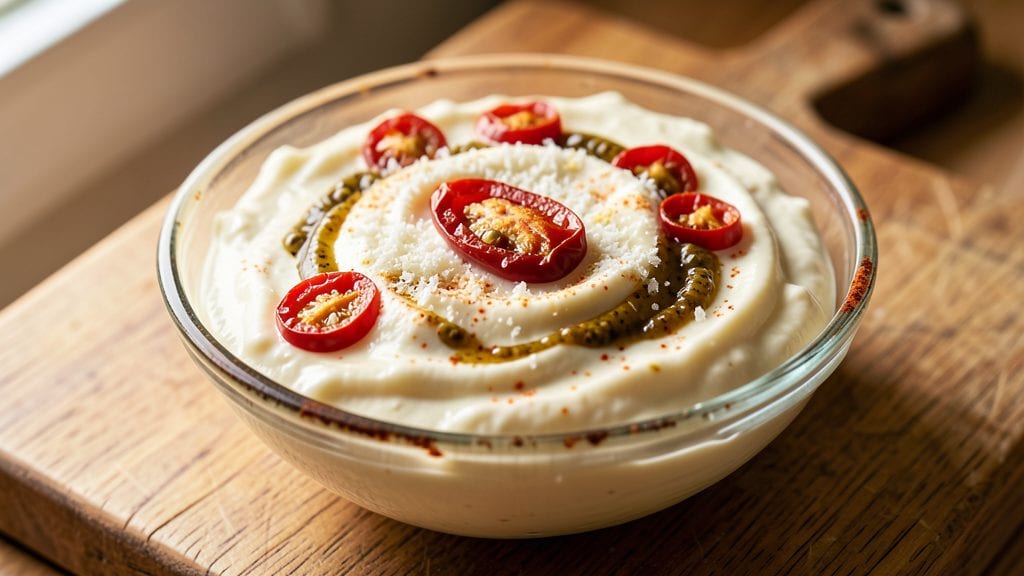
Grandma's old-fashioned pimento cheese recipe delivers that perfect balance of sharp cheddar, smoky roasted peppers, and creamy texture without turning to mush in the blender. This version stays smooth and spreadable while capturing the authentic depth of flavor that makes it a Southern staple.
I've perfected the method over years of testing, ensuring every bite delivers that classic tangy, slightly sweet, and smoky profile.
The secret lies in the ingredient ratios and a brief resting period that allows flavors to meld. Sharp cheddar provides the necessary bite, while pimentos add that signature smoky roasted pepper taste.
A touch of mustard and cayenne enhances the complexity, and the right amount of mayo ensures a creamy yet stable consistency. This isn't just any pimento cheese—it's the kind that transforms sandwiches, deviled eggs, or veggie platters into something truly special.
What you'll end up with is a velvety, spreadable cheese that's smooth without being greasy, with just enough texture to hold its shape when sliced. The flavors develop during the resting time, creating a depth that store-bought versions simply can't match.
This recipe is foolproof and delivers professional results every time, whether you're serving it at a family gathering or using it to elevate everyday meals.
Use it as a sandwich spread, a deviled egg filling, or a dip for fresh vegetables. The versatility makes it a pantry staple worth making ahead—it actually tastes better the next day as the flavors continue to meld.
Let's get started on creating this classic Southern favorite that never fails to impress.
Ingredients for grandma's old fashioned pimento cheese
Nine simple ingredients transform into velvety pimento cheese with smoky depth and perfect texture.
| Ingredient | Amount | Notes |
|---|---|---|
| Sharp White Cheddar Cheese 🧀 | 1 ½ cups | Freshly grated from block |
| Roasted Red Pepper Pimentos 🍆 | ½ cup | Packed, drained well |
| Mayonnaise 🥛 | 1 cup | Duck fat or avocado oil preferred |
| Dijon Mustard 🌶️ | 1 tbsp | Not yellow mustard |
| Cayenne Pepper 🔥 | ½ tsp | Adjust for heat preference |
| Garlic Powder 🧄 | ½ tsp | Freshly ground preferred |
| Salt 🧂 | ½ tsp | Kosher or sea salt |
| Black Pepper 🌶️ | ¼ tsp | Freshly ground preferred |
| Lemon Juice 🍋 | 1 tsp | Freshly squeezed |
The cheddar is non-negotiable—sharp white cheddar from a block (not pre-shredded) gives that authentic tang. Costco or Whole Foods carry the best blocks, but any good grocery store should have it. Look for vibrant orange color and no yellowing. Roasted red pepper pimentos? Trader Joe's has the best canned ones—packed, not loose. If you can't find them, jarred roasted red peppers work in a pinch (drain well). The mayo matters too—duck fat or avocado oil mayo adds richness, but regular works fine if that's what you've got.
No sharp cheddar? Extra-sharp white cheddar is your next best bet, but it'll be slightly milder. Running low on pimentos? Roasted red peppers from a jar plus a pinch of smoked paprika gets you close. Skip the Dijon? Yellow mustard plus extra lemon juice keeps things tangy. Cayenne too spicy? Cut it with more mustard or swap for a pinch of smoked paprika. Fresh garlic powder? Toast it in a dry pan for 30 seconds first—game changer. Pre-shredded cheese? Pulverize it in the food processor first to avoid grit.
This tastes even better the next day—rest it at least 2 hours before serving. Store in an airtight container in the fridge for up to 1 week. For parties, make it ahead and portion into small jars. The flavors deepen over time, so don't rush it. If it gets too thick, stir in a splash of mayo. Leftovers? Perfect for deviled eggs or as a quick sandwich spread—just pop it in the fridge and go.
Why You'll Love This Recipe
- No-Sharp-Knife Night: I swear by this recipe when my hands are full or I’m too tired to chop. The sharp cheddar shreds easily with a box grater, and those pimentos? Straight from the jar—no peeling, no fuss. Honestly, I’ve made it while scrolling through my phone.
- Smoky-Sweet Heat: That jarred roasted red pepper pimento isn’t just for looks—it adds a deep, smoky sweetness that cuts through the sharp cheddar. The cayenne gives it a whisper of kick, and the Dijon mustard ties it all together like a secret handshake.
- Sandwiches to Casseroles: This stuff works everywhere. Slather it on toast for a quick lunch, stuff it into a baked potato, or use it as a filling for grilled cheese. Here’s what sold me—it’s the star of my lazy Sunday brunch and the hero of my game-day snacks.
- Makes Leftovers Worth It: I always double the batch because it keeps for days in the fridge. The texture stays creamy, not greasy, and the flavor only gets better. Between us, I’ve had it cold, room temp, and even reheated—it’s my secret weapon for when I forget to meal prep.
Step-by-step instructions for grandma's old fashioned pimento cheese
Here's the classic method—no blender needed, just smooth texture and bold flavor.
Grate the Sharp White Cheddar Cheese
Start with the 1.5 cups sharp white cheddar cheese freshly grated from a block. I like to use a box grater for this—it gives you that perfect shredded texture without any clumps. If you're using pre-shredded cheese, it's fine, but the fresh grating makes a noticeable difference in the final spread.
Place the grated cheese in a large mixing bowl. The cheese should be at room temperature for best results, so if it's straight from the fridge, let it sit for about 10 minutes while you prepare the other ingredients. Cold cheese creates a grainier spread, so this small step makes a big difference in the final texture.
Mix the Wet Ingredients
In a separate small bowl, combine the 1 cup mayonnaise, 1 tbsp Dijon mustard, 1 tsp lemon juice, 0.5 tsp cayenne pepper, 0.5 tsp garlic powder, 0.5 tsp salt, and 0.25 tsp black pepper. Use a whisk or fork to blend everything together until smooth and fully incorporated. This mixture should be creamy with no visible streaks of mustard or spices.
Here's the thing—using duck fat or avocado oil mayonnaise adds a subtle richness that really elevates this recipe. If you're using a regular mayonnaise, don't worry, but you'll notice the difference if you try it both ways. The lemon juice brightens up the flavors and cuts through the richness of the cheese.
Combine Everything by Hand
Now for the magic—add the wet mixture to the grated cheese in the large bowl. Using your hands, gently fold everything together. Start with a rubber spatula if you're worried about getting too much cheese on your fingers, but once you get the hang of it, your hands are the best tool for this job. You want to work the mixture until it's completely smooth.
This is where you'll feel the texture transform. Start with small folds, gradually working the cheese until it becomes creamy and cohesive. If you see any dry spots, add a teaspoon of mayonnaise to help bind it. The goal is a spread that's smooth enough to pipe but still has that classic pimento cheese body. Don't overmix—just until everything comes together.
Fold in the Roasted Red Pepper Pimentos
Drain any excess liquid from the 0.5 cup roasted red pepper pimentos and add them to the cheese mixture. Using clean hands, gently fold them in until they're evenly distributed throughout. The pimentos should be visible but not clumped together. If you're using packed pimentos, you might have a bit of liquid—just drain them well before adding.
This is the moment that matters: the pimentos should be spread evenly so every bite has that smoky roasted pepper depth. If you're worried about the texture becoming grainy, don't stress—this method creates a smooth spread with just the right amount of pimento flavor. Taste as you go and adjust the seasoning if needed, adding a pinch more cayenne or salt if desired.
Chill and Serve
Cover the bowl with plastic wrap and refrigerate for at least 1 hour before serving. This chilling time allows all the flavors to meld together perfectly. The cheese will firm up slightly, making it easier to spread or pipe onto crackers, bread, or sandwiches. If you're making this ahead of time, it actually tastes even better the next day.
When you're ready to serve, give it one final taste and adjust the seasoning if needed. This spread should be rich, slightly tangy from the lemon juice, and have that perfect balance of heat from the cayenne. The pimentos should add a subtle smokiness that makes it stand out from regular cheese spreads. Enjoy it on sandwiches, with crackers, or as a dip for veggies—it's pure comfort food.
Pro Tips For Making Grandma'S Old Fashioned Pimento Cheese
- Grate Cheese Fresh: Skip the pre-shredded stuff—it’s packed with anti-caking agents that make the cheese taste dull and dry. Use a box grater or food processor and pulse the sharp white cheddar until it’s coarse but not powdery. (Yes, it’s a pain, but the texture stays creamy longer.)
- Drain Pimentos Well: Jarred pimentos hold more liquid than you’d think. After draining, pat them dry with a paper towel—wet pimentos make the cheese watery. I learned this the hard way when my first batch turned into a sad, soupy mess.
- Mix Low and Slow: Don’t just dump everything in and stir. Start with the mayo and mustard, then fold in the cheese in batches. Use a rubber spatula and work gently to avoid heating the cheese—it’ll turn greasy. (Your future sandwich will thank you.)
- Toast the Cayenne: Warm the cayenne pepper in a dry skillet for 30 seconds until it smells fragrant. Let it cool before mixing—this deepens the heat without overpowering. (Sounds weird, but it works: the flavor jumps off the plate.)
Common mistakes when making this recipe
Overmixing the Cheese
I see this all the time—people whip their pimento cheese in a food processor until it looks like a smooth paste. That's the fastest way to turn it into a greasy, unappetizing blob.
The key is to mix just until combined, using your hands to gently fold the cheese and mayo. Overmixing breaks down the fat molecules in the cheese, creating a spread that's too soft and oily. Stop when it's just smooth enough to hold its shape when piped. 🥛
Skipping the Resting Time
Rushing to serve this cheese right after mixing is a huge mistake. The flavors need time to meld, and the texture to set properly. I always let mine rest for at least 1 hour in the fridge—overnight is even better.
This chilling period allows the cheese to firm up slightly, making it easier to spread and giving those flavors time to develop depth. Trust me, the patience pays off with every bite.
Using Pre-Shredded Cheese
Pre-shredded cheese contains anti-caking agents that make it impossible to get that classic smooth texture. Those little starches create grit that ruins the velvety mouthfeel. If you must use pre-shredded, pulse it in your food processor first to break up those clumps.
But honestly, taking 5 minutes to grate sharp cheddar from a block makes all the difference in the world. The fresh grating gives you that authentic, restaurant-quality texture.
Not Draining Pimentos Properly
The pimentos come packed in liquid, and if you don't drain them well, you'll end up with a watery, runny cheese spread. I always use a fine-mesh strainer to drain mine thoroughly before adding. Even better, press them gently with a paper towel to remove any excess moisture.
Wet pimentos will dilute your cheese and make it difficult to pipe. A little extra effort here prevents a soggy disaster.
Incorrect Cheese Temperature
Cold cheese from the fridge creates a grainy, crumbly texture that's impossible to fix. Let your cheese sit at room temperature for 10-15 minutes before mixing. This small step helps the fat in the cheese soften slightly, making it much easier to blend smoothly with the mayo.
I learned this the hard way—my first attempts with cold cheese always ended up looking like cheese grits rather than a creamy spread.
Ignoring the Mayo Quality
Not all mayonnaise is created equal. Using a cheap, watery mayo will make your pimento cheese taste thin and lackluster. I recommend using a high-quality mayo with rich, full-fat ingredients—duck fat or avocado oil mayo adds an extra layer of richness that makes this spread truly special.
If you're using regular mayo, at least choose one with olive oil as the first ingredient. The quality of your mayo directly impacts the final texture and flavor of your cheese. 🥓
Nutrition facts
Frequently asked questions
Why does your recipe call for sharp white cheddar instead of regular cheddar?
The sharpness is key to that authentic tangy flavor that makes traditional pimento cheese special. Sharp white cheddar delivers a brighter, more complex taste compared to mild cheddar. The white variety also has less fat, which helps create that perfect creamy-yet-firm texture without turning greasy. It's what gives this spread its signature depth of flavor.
Can I make this ahead of time for a party?
This cheese actually tastes better the next day as the flavors meld. Make it 1-2 days ahead and store in an airtight container in the fridge. Portion into small jars for easy serving. The texture will firm up nicely, making it perfect for piping onto crackers or spreading on sandwiches without making a mess.
What's the best way to fix pimento cheese that's too thick or too thin?
If it's too thick, stir in 1 teaspoon of mayonnaise at a time until smooth. For a thinner consistency, add 1/2 teaspoon of warm water or lemon juice. The key is to adjust gradually—this spread should be spreadable but hold its shape when piped. Too thin? Chill it longer to help it firm up.
Can I substitute pimentos with something else if I can't find them?
Yes! Mix 1/4 cup jarred roasted red peppers (drained well) with 1/4 teaspoon smoked paprika for a similar smoky flavor. For extra depth, add 1/2 teaspoon of liquid smoke (just a drop or two). The texture will be slightly different but still delicious. The pimentos give that signature roasted pepper character that's hard to replicate.
How long will this keep in the fridge, and can I freeze it?
This pimento cheese stays fresh for up to 1 week in the fridge when stored properly in an airtight container. Unfortunately, it doesn't freeze well—the texture becomes grainy and the flavors separate. For best results, make fresh batches as needed or use within the week. The flavors actually improve slightly after the first day!