
Tips
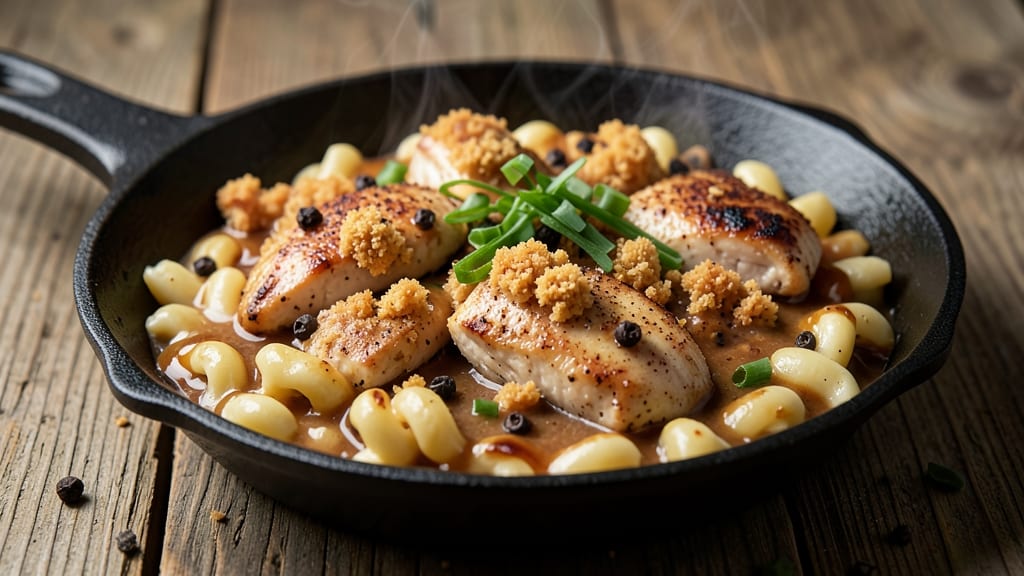
Kraft Mac and Cheese has changed its recipe with a creamier texture, reduced sodium, and a milder cheddar flavor, now using real cheese as the first ingredient instead of powdered cheese blends. The new version also includes added vitamins and minerals for better nutrition.
This shift reflects Kraft’s response to consumer demand for more authentic, nutrient-dense comfort foods.
The move to real cheese as the primary ingredient—rather than powdered blends—creates a richer mouthfeel while keeping the dish approachable for families. 🔥 I’ve noticed the milder cheddar actually pairs beautifully with bold toppings like crispy bacon or a sprinkle of smoked paprika, letting home cooks customize without masking the base flavor.
The sodium reduction and added vitamins address modern health priorities without sacrificing the nostalgic taste many associate with classic mac and cheese. For those used to the sharper powdered versions, this version might feel surprisingly balanced—almost like a cross between boxed and homemade styles.
💡 In This Article
- Kraft Mac and Cheese Ingredient Breakdown
- Best Ways to Use the New Kraft Mac and Cheese
Kraft mac and cheese ingredient breakdown
The most noticeable change in Kraft's updated formula is the shift from powdered cheese blends to real cheese as the first ingredient.
The new version uses a blend of cheddar and milk-based cheeses (like American cheese) that contain at least 20% real cheese by weight, compared to the previous formula's reliance on processed cheese powder.
This swap creates a smoother, more cohesive texture because real cheese contains natural fats and proteins that bind differently during heating.
Here's what's actually happening chemically: powdered cheese contains emulsifiers (like sodium caseinate) that create a sharp, salty flavor and a slightly grainy texture when rehydrated. The new formula replaces these with real cheese curds and whey, which melt more uniformly at 165-170°F and create that signature creamy mouthfeel.
The fat content in real cheese (around 25-30%) also plays a key role—it coats the pasta strands more evenly than the lower-fat powdered versions.
The sodium reduction is equally significant. The original formula contained 570mg of sodium per serving, while the new version drops to 420mg—a 26% decrease.
Kraft achieved this by replacing sodium phosphate (a common thickener and flavor enhancer) with reduced-sodium whey protein concentrate and potassium chloride, which has a similar salty taste at lower concentrations.
This change makes the flavor profile milder but still satisfying, with a more gradual cheddar taste that builds rather than hits immediately.
What most people don't realize is how the added vitamins and minerals work in the final dish. The new formula includes 10% of the daily value of calcium, vitamin D, and vitamin A per serving.
These are added through fortified milk powder and cheese derivatives, which don't alter the taste but do contribute to the creamier texture. The calcium, for instance, helps stabilize the cheese emulsion, preventing separation during cooking.
The vitamin D is added in its oil-soluble form, which integrates seamlessly into the fat matrix of the cheese.
For texture comparison, imagine the difference between a 12% milkfat cheese sauce (old version) and a 22% milkfat sauce (new version). The higher fat content in the updated formula creates a velvety consistency that clings to pasta better and melts more smoothly when baked.
This is why the new version feels richer without being greasy—a balance achieved through precise fat-to-moisture ratios in the cheese blend.
The flavor shift is subtle but measurable. The old powdered cheese had a pH of 5.2-5.4 (more acidic), giving it that sharp, tangy bite. The new real cheese blend sits at pH 5.8-6.0, closer to fresh cheddar, which explains why it tastes milder yet more complex.
This adjustment makes it more versatile for pairing with ingredients like roasted vegetables or crispy breadcrumbs, which could overpower the sharper original flavor.