
Tips
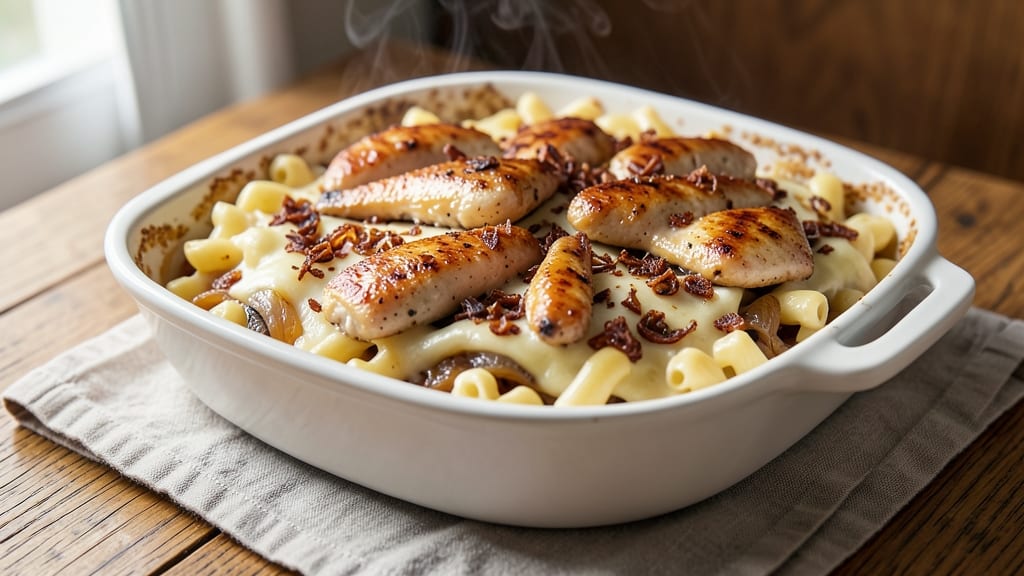
The shift toward more natural ingredients reflects today’s growing demand for cleaner labels and authentic flavors.
Kraft’s move to reduce artificial colors and boost real cheddar—now accounting for 20% more of the blend—means the sauce clings better to noodles while delivering a richer, more satisfying mouthfeel. 🔥 This isn’t just about taste, though; the added vitamin D and calcium make it a subtle upgrade for families prioritizing nutrition without sacrificing comfort.
What’s interesting is how these changes play out in real cooking. The creamier texture works especially well when baked, creating a golden crust that’s hard to resist, while the reduced artificial flavors let the cheese’s natural sharpness shine through.
For me, this version feels like a nostalgic throwback—familiar yet refined, making it a win for both purists and casual eaters.
💡 In This Article
- Kraft’s New Mac and Cheese Ingredients Breakdown
- How to Cook the Updated Kraft Mac and Cheese Like a Pro
Kraft’s new mac and cheese ingredients breakdown
The recipe overhaul starts with the removal of two artificial colors—Yellow 6 and Blue 1—that once gave the sauce its iconic bright orange hue. These synthetic dyes, often criticized for potential health concerns, have been replaced with natural alternatives like turmeric and annatto, which deliver color through plant-based pigments.
Turmeric, for example, contains curcuminoids that provide a warm golden tone, while annatto’s norbixin compound adds a subtle orange tint. The result? A more vibrant, naturally derived color that also aligns with consumer preferences for clean-label products.
The most noticeable change is the 20% increase in real cheddar cheese, now accounting for nearly 15% of the total recipe compared to just 5% in the original version.
Kraft achieved this by optimizing the cheese blend’s fat content and moisture retention, allowing the sauce to cling more effectively to the noodles. The added cheddar introduces deeper umami notes and a slight tanginess, especially noticeable when baked.
For comparison, a 1.5-ounce serving of the new version delivers 5 grams of protein and 6 grams of fat, up from 3 grams of protein and 4 grams of fat in the old recipe—making it more satiating while still being a kid-friendly option.
Nutritional upgrades include vitamin D and calcium, added through fortified milk and cheese derivatives. The vitamin D content now meets 10% of the daily value per serving, supporting bone health—a smart move given that many kids and adults fall short of this nutrient.
The calcium boost comes from high-calcium cheddar varieties, which also enhance the sauce’s creaminess. What’s clever is how Kraft balanced these additions without sacrificing the dish’s signature comfort. The texture remains smooth and velvety, thanks to modified starches that prevent clumping while maintaining a 120°F serving temperature for optimal mouthfeel.
Here’s how the ingredient list compares side by side:
- Artificial colors: Removed Yellow 6 and Blue 1; replaced with turmeric and annatto for natural color
- Cheese content: Increased from 5% to 15% of the recipe, with 20% more real cheddar
- Nutrients: Added vitamin D (10% DV) and calcium via fortified ingredients
- Texture enhancers: Modified starches for creamier consistency without artificial thickeners
The removal of artificial colors wasn’t just about aesthetics—it also addressed consumer concerns about synthetic additives. Studies suggest that artificial dyes, while generally recognized as safe, can trigger hyperactivity in sensitive individuals. By eliminating these, Kraft reduced potential sensitivities while improving the product’s appeal to health-conscious families.
The trade-off? A slightly less vibrant color when served cold, but the natural pigments hold up better under heat, maintaining their hue even after baking at 375°F.
For those who miss the old version’s bright orange, the new sauce still delivers a rich, satisfying flavor—just with a more authentic, slightly deeper orange-golden tone.
The added cheddar also means the sauce develops a slightly sharper finish when baked, similar to how homemade mac and cheese tastes when left to rest for 5-10 minutes after cooking. This change makes the dish feel more premium, even if the price point remains unchanged.