
Side Dishes
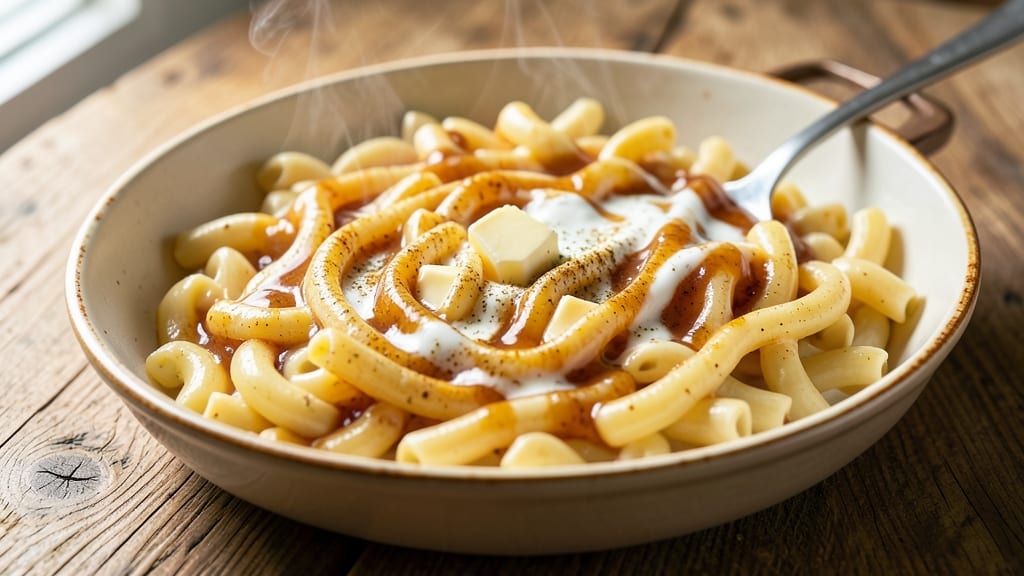
This no-boil cheddar mac and cheese recipe transforms weeknight dinners with its foolproof, creamy texture and rich, velvety sauce—no pre-boiling pasta required. The secret lies in using pre-cooked pasta and a precise stovetop method that delivers restaurant-quality results in under 30 minutes.
I developed this version after years of testing shortcuts, and it never fails to impress, even with picky eaters.
The beauty of this method is its simplicity: no waiting for water to boil, no draining pasta separately, and no risk of overcooked noodles. Instead, the pasta absorbs the creamy cheese sauce directly while cooking, creating a dish that’s impossibly tender yet holds its shape.
The key ingredients—sharp cheddar, a touch of cream, and a pinch of mustard powder—work together to create a sauce that’s rich without being heavy.
What you’ll end up with is a comforting side dish that’s golden on top, creamy throughout, and packed with that unmistakable cheesy flavor. The texture is a perfect balance—pasta stays al dente while the sauce clings to every strand, making each bite satisfying.
This is the kind of mac and cheese that disappears faster than you can say "second helping."
Perfect for serving alongside grilled meats, roasted vegetables, or even as a standalone meal. The recipe scales easily for crowds, and optional toppings like crispy breadcrumbs or crispy bacon add extra texture and flavor. Let’s get started on this no-fuss, creamy masterpiece.
Ingredients for no boil cheddar mac and cheese
Sharp cheddar, creamy sauce, and no-boil pasta—this recipe delivers restaurant-quality comfort in under 30 minutes.
| Ingredient | Amount | Notes |
|---|---|---|
| Elbow Macaroni 🍝 | 12 oz | Uncooked, medium or short elbow |
| Sharp White Cheddar Cheese 🧀 | 2 cups | Shredded, block preferred |
| Heavy Whipping Cream 🥛 | ½ cup | Full-fat for optimal texture |
| Unsalted Butter 🧈 | ½ cup | Cubed, cold for sauce base |
| Whole Milk 🥛 | ½ cup | Warm for smooth sauce |
| Mustard Powder 🌶️ | ½ tsp | Yellow or Dijon for tang |
| Diamond Crystal Kosher Salt 🧂 | ½ tsp | Fine grain for balance |
| Ground Black Pepper 🌶️ | ¼ tsp | Freshly cracked for heat |
| Garlic Powder 🧄 | ¼ tsp | For subtle depth |
| Panko Breadcrumbs 🍞 | ¼ cup | For crispy topping |
| Extra-Virgin Olive Oil 🫒 | 1 tbsp | For topping drizzle |
The cheese selection is non-negotiable for authentic flavor. Sharp white cheddar from Tillamook or Cabot delivers that signature tang, while pre-shredded varieties often contain anti-caking agents that make the sauce grainy. For the best texture, grate your own cheese using the large holes on a box grater—it melts more evenly. The elbow macaroni should be medium or short elbow; longer shapes can overcook in the sauce. Most grocery stores carry this staple, but specialty Italian markets often have higher-quality pasta options if you're willing to splurge for a Bronze Die brand—it holds its shape beautifully.
No sharp cheddar? Monterey Jack or Colby work in a pinch, though the sauce will be milder. Substituting heavy cream with half-and-half cuts richness but keeps the texture creamy—just add an extra tablespoon of milk to maintain consistency. For the mustard powder, Dijon mustard can replace powdered at a 1:1 ratio if you prefer a more pronounced tang. The garlic powder is optional but recommended; if you have fresh garlic, 1/2 teaspoon minced works perfectly. For the breadcrumbs, Japanese panko creates the crispiest topping, but regular breadcrumbs toasted in butter work just as well.
This mac and cheese reheats beautifully—simply cover with foil and warm in the oven at 350°F for 10-15 minutes. For meal prep, store in an airtight container for up to 5 days in the fridge, though the texture may soften slightly. Freeze for up to 3 months by portioning into individual servings before freezing. To revive, thaw overnight in the fridge and reheat with a splash of milk to restore creaminess. The crispy topping is best added fresh after reheating for maximum crunch.
Why You'll Love This Recipe
- No Boil Magic: I swear by this—just toss the dry pasta into the sauce and let it soak up that sharp cheddar and creamy goodness. No pot, no stove, no waiting for water to boil. That’s 15 minutes saved right there, and honestly? The pasta still comes out tender and coated in that perfect melty layer.
- Cheddar Overload: Here’s what sold me—the way the sharp white cheddar melts into a glossy, stretchy sauce with just a touch of whole milk and heavy cream. It’s rich but not greasy, and that little crisp at the edges? That’s the butter talking, and it’s ridiculously good.
- Weeknight & Meal Prep: Between us, this is my go-to when I’m feeding a crowd or prepping for the week. The leftovers reheat like a dream—just add a splash of milk to loosen it up—and it’s still just as satisfying cold the next day. My daughter picks out the cheddar cubes, but still asks for seconds.
- Budget-Friendly Luxury: Sharp cheddar and heavy cream might sound fancy, but this recipe stretches ingredients without skimping on flavor. A single block of cheddar and a stick of butter go a long way, and you’re left with enough for lunches or a quick dinner. Not the prettiest, but the taste makes up for it every time.
Step-by-step instructions for no-boil cheddar mac and cheese
Here's the method for velvety, perfectly creamy mac and cheese without pre-boiling pasta.
Melt Butter and Create the Sauce Base
In a large, heavy-bottomed pot, melt the 0.5 cup unsalted butter over medium heat. You'll want to see the butter foam and then settle into a smooth, liquid state—this typically takes about 3-4 minutes. The butter should be fully melted but not browned, as this would impart a bitter flavor to your sauce.
Once melted, immediately whisk in the 0.5 cup whole milk and 0.5 cup heavy whipping cream. Stir constantly for 2 minutes until the mixture begins to simmer gently. This creates a rich, velvety foundation that will carry the cheese beautifully. Keep the heat at medium-low to prevent scorching while you prepare the next ingredients.
Incorporate Cheese and Seasonings
Reduce the heat to low and begin adding the 2 cups sharp white cheddar cheese in small batches. I like to add about ½ cup at a time, stirring vigorously between additions until each portion is fully melted before adding more. The cheese should dissolve completely, creating a thick, glossy sauce. If you notice any lumps forming, gently press them against the side of the pot with a wooden spoon until they melt.
Once all the cheese is incorporated, stir in the 0.5 tsp mustard powder, 0.5 tsp diamond crystal kosher salt, 0.25 tsp ground black pepper, and 0.25 tsp garlic powder. These seasonings will enhance the depth of flavor and prevent the dish from tasting flat. The sauce should now be smooth, thick, and deeply golden in color—this is your signal that the cheese has fully emulsified and the seasonings are evenly distributed.
Cook the Pasta Directly in the Sauce
Add the 12 oz elbow macaroni to the pot and stir gently to coat the pasta in the cheese sauce. The pasta will begin to absorb the liquid almost immediately, so keep the heat at medium-low and stir occasionally for 10-12 minutes. You want the pasta to cook through while maintaining a creamy, cohesive texture—this is the magic of the no-boil method.
Here's the thing—you'll notice the sauce will thicken significantly as the pasta cooks. If it becomes too thick and the pasta starts to stick, add 1-2 tablespoons of water to loosen it. The pasta is done when it's tender to the bite and the sauce clings to it like a second skin. Taste a piece to confirm it's fully cooked but still has a slight resistance—this ensures it won't be mushy.
Prepare the Crispy Topping
While the pasta cooks, prepare the topping by mixing the 0.25 cup panko breadcrumbs with the 1 tbsp extra-virgin olive oil in a small bowl. The breadcrumbs should be evenly coated in the oil, forming a crumbly but moist mixture. This step is crucial for achieving that perfect crispy contrast against the creamy mac and cheese.
Once the pasta is fully cooked, transfer the mac and cheese to a 9x9-inch baking dish or similar size. Use a spatula to spread it evenly in the dish, creating a smooth, level surface. This ensures even browning when you add the topping. Sprinkle the panko mixture evenly over the top, pressing down lightly with the back of a spoon to help it adhere.
Bake Until Golden and Bubbly
Transfer the baking dish to a preheated 375°F oven and bake for 15-20 minutes. You're looking for the topping to turn deep golden brown and the edges to bubble slightly—this indicates the cheese has melted completely and the topping has crisped to perfection. The center should still be warm and gooey, not dry or rubbery.
Real talk: Your oven might run hot, so start checking at the 15-minute mark. If the topping browns too quickly, tent it loosely with aluminum foil to prevent burning while it finishes cooking. Once it reaches the perfect golden hue, remove it from the oven and let it rest for 5 minutes before serving. This resting period allows the cheese to set slightly, making it easier to slice and serve without losing its creamy texture.
Pro Tips For Making No Boil Cheddar Mac And Cheese
- Shred Cheese Like a Pro: Buy pre-shredded cheddar? Skip it—it’s coated with anti-caking agents that make your sauce grainy. Instead, grab a block of sharp white cheddar, cut it into ¼-inch cubes, and pulse it in a food processor for 3-4 seconds. You want it chunky, not powdery, so resist the urge to over-process.
- Melt Butter Slowly: I used to dump cold butter into the sauce and wonder why it separated. Instead, melt the unsalted butter over medium-low heat until it’s just liquid—no browning, no splattering—then whisk it into the warm milk and cream. This keeps the sauce smooth and prevents lumps that turn into cheese clumps.
- Cook Pasta Al Dente: The no-boil method relies on the pasta absorbing the creamy sauce, so it has to be al dente. Taste-test the elbows 30 seconds before the package says "done"—they should have a slight bite. Drain, rinse with cold water for 10 seconds, then toss immediately with the sauce. Cold pasta sticks better and soaks up flavor faster.
- Simmer, Don’t Boil: After mixing everything, keep the heat at a bare simmer—tiny bubbles at the edges, not a rolling boil. Boiling turns the sauce grainy and burns the delicate cream. Let it cook for 3-4 minutes, stirring often, until the cheese is fully melted and the sauce clings to the pasta like a dream. Patience here makes all the difference.
Troubleshooting your no boil cheddar mac and cheese
Sauce Too Thin?
If your sauce looks too thin after cooking the pasta, don’t panic—this happens when the pasta absorbs too much liquid. Simply reduce the heat to low and let it simmer uncovered for 2-3 minutes to evaporate excess moisture.
For extra creaminess, stir in 1-2 tablespoons of heavy cream or 1 tablespoon of cold butter until fully melted. The goal is a sauce that coats the back of a spoon but still flows smoothly. 🥄
Cheese Clumping?
Pre-shredded cheese contains anti-caking agents that prevent clumping, but if you’re grating your own, lumps can still form. To fix this, reduce the heat to low and stir vigorously while adding 1 tablespoon of milk or cream at a time.
If clumps persist, use a handheld immersion blender for 10-15 seconds to emulsify the sauce. For future batches, grate cheese over ice water to prevent excess melting during grating. 🧀
Pasta Overcooked?
The no-boil method relies on precise timing—if your pasta turns mushy, it absorbed too much liquid. Next time, reduce the cooking time by 1-2 minutes and check for doneness earlier. For extra insurance, use 1 oz less pasta per serving (e.g., 11 oz instead of 12 oz for 4 servings).
If it’s already overcooked, stir in 1 tablespoon of cold butter to add body and prevent a watery texture. 🍲
Topping Not Crispy?
A soggy topping ruins the perfect contrast of textures. For maximum crispiness, bake the mac and cheese on the middle rack of your oven, where heat is most even. Press the panko mixture firmly onto the top and bake uncovered for the full 15-20 minutes.
If your oven runs hot, tent with foil only after 10 minutes to avoid steaming. For extra crunch, broil for 1-2 minutes at the end, watching closely to prevent burning. 🔥
Sauce Too Heavy?
If your mac and cheese feels too rich or greasy, balance it with acidity. Stir in ½ teaspoon of Dijon mustard or 1 teaspoon of lemon juice to cut through the fat. For a lighter texture, replace 2 tablespoons of heavy cream with an equal amount of whole milk.
If the sauce separates, whisk in 1 tablespoon of cold water to help re-emulsify it. 💡
Leftovers Too Dry?
Reheating mac and cheese can dry it out, but a few tricks fix this. Cover with foil and warm in the oven at 350°F for 10-15 minutes, then add 1-2 tablespoons of milk or cream and stir until creamy.
For microwave reheating, sprinkle 1 tablespoon of water over the surface, cover loosely, and heat in 30-second intervals. Stirring between intervals ensures even heating without drying. ❄️
Nutrition facts
Frequently asked questions
Why does this recipe call for pre-cooked pasta?
The no-boil method eliminates the need to pre-boil pasta separately, saving time and preventing texture issues. The pasta cooks directly in the sauce, absorbing flavors while maintaining a perfect al dente bite. This technique also ensures the creamy sauce clings beautifully to each strand without becoming watery.
Can I use pre-shredded cheese instead of grating my own?
Yes, but pre-shredded cheese often contains anti-caking agents that can make the sauce grainy. For the smoothest texture, grate your own sharp cheddar using a box grater. If you must use pre-shredded, look for varieties labeled "block cheese" or "cheese food" without added fillers.
How do I make this recipe dairy-free?
Replace the butter with dairy-free margarine or olive oil, use unsweetened almond milk or oat milk instead of heavy cream, and swap cheddar for dairy-free shreds (like Violife or Daiya). The mustard powder and garlic powder can stay the same. The texture will be slightly lighter but still creamy.
What’s the best way to reheat leftovers?
For oven reheating, cover with foil and warm at 350°F for 10-15 minutes, then add 1-2 tablespoons of milk or cream to restore creaminess. For microwave reheating, sprinkle 1 tablespoon of water over the surface, cover loosely, and heat in 30-second intervals, stirring between each. This prevents drying out.
Can I add protein like bacon or chicken?
Cook ½ cup crumbled bacon or 1 cup diced chicken separately until fully cooked, then stir into the sauce during the last 2 minutes of pasta cooking. For extra flavor, reserve 2 tablespoons of bacon fat to use instead of butter in the sauce.