
Side Dishes
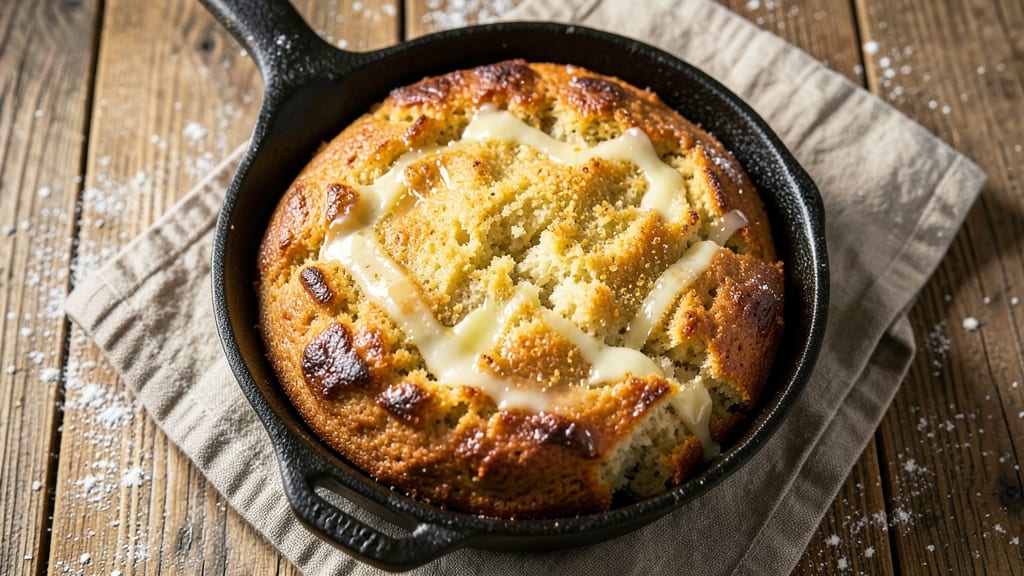
This Philadelphia cream cheese cornbread recipe transforms a classic side into something extraordinary—where tangy cream cheese replaces butter for moist, rich bites that stay tender for days. The secret lies in blending cream cheese into the batter, creating a velvety texture that traditional cornbread simply can’t match.
I first tried this version after burning through three batches of dry, crumbly cornbread, and the difference was immediate.
The cream cheese doesn’t just add moisture—it introduces a subtle tang that cuts through the sweetness of cornmeal, balancing every bite. This recipe requires just 15 minutes of prep and 25 minutes in the oven, making it perfect for busy weeknights or holiday tables.
The batter comes together in a single bowl, and the result? A golden loaf with a crisp exterior and a soft, crumbly interior that’s impossible to resist.
What makes this recipe stand out is how foolproof it is. No special techniques or expensive ingredients—just a few pantry staples and the magic of cream cheese. The batter’s richness pairs beautifully with honey drizzled on top or jalapeños for a spicy kick.
Whether you’re serving it alongside chili, grilled meats, or enjoying it solo, this cornbread delivers restaurant-quality comfort without the fuss.
For extra flavor, try adding a pinch of cinnamon or a dash of cayenne to the batter. The possibilities are endless, but the foundation—creamy, moist, and tangy—is always foolproof. Let’s get baking!
Ingredients for philadelphia cream cheese cornbread
Philadelphia cream cheese and cornmeal create a velvety, tangy cornbread that defies dryness forever.
| Ingredient | Amount | Notes |
|---|---|---|
| Philadelphia Cream Cheese 🧀 | 8 oz | Full-fat for optimal creaminess |
| All-Purpose Flour 🌾 | 1 ½ cups | Sifted for even texture |
| Fine Yellow Cornmeal 🌽 | 1 cup | Stone-ground preferred |
| Granulated Sugar 🍚 | ½ cup | Light brown sugar for depth |
| Baking Powder 🍞 | 2 tsp | Aluminum-free for best rise |
| Salt 🧂 | ½ tsp | Diamond Crystal preferred |
| Buttermilk 🥛 | 1 cup | Homemade or store-bought |
| Large Eggs 🥚 | 2 whole | Room temperature |
| Extra-Virgin Olive Oil 🫒 | ¼ cup | For tenderness |
| Freshly Ground Black Pepper 🌶️ | ¼ tsp | Freshly cracked preferred |
| Honey 🍯 | 2 tbsp | For drizzling |
| Jalapeño Slices 🌶️ | 2 tbsp | Optional for heat |
The Philadelphia cream cheese is non-negotiable—full-fat only delivers that signature richness. Trader Joe's carries it in bulk, but any block-style cream cheese works if you grate it yourself. For cornmeal, Bob's Red Mill stone-ground is my go-to, though any fine yellow cornmeal will suffice. The Diamond Crystal kosher salt enhances flavor without overpowering the delicate tang. Pre-sift your flour and cornmeal to eliminate lumps—this ensures a light, airy crumb. The buttermilk should be slightly thickened but not clotted; if yours is too thin, let it sit for 10 minutes before using.
No buttermilk? Substitute with 1 cup milk plus 1 tbsp vinegar or lemon juice, let curdle for 5 minutes. Low-fat cream cheese will work but sacrifices moisture—full-fat is worth the splurge. For a savory twist, swap half the honey for a drizzle of hot honey or a sprinkle of smoked paprika. The olive oil adds silky texture; avocado oil is a neutral alternative if preferred. Jalapeños can be pickled for extra tang or fresh for a mild kick. Cayenne powder at a pinch (start with 1/8 tsp) adds heat without altering texture.
This batter triples in volume—use an 8x8-inch pan for a dense loaf or 9-inch cast iron for a taller rise. Grease generously with butter or oil; the cream cheese makes the batter sticky. Store wrapped at room temp for 2 days, or freeze sliced portions for 3 months. Reheat slices in a 350°F oven for 5 minutes—they crisp beautifully. Day-old cornbread reheats better than fresh, so bake extra for sandwiches or toast.
Why You'll Love This Recipe
- No Mixer Needed: I swear by this recipe when I’m too tired to measure wet and dry ingredients separately. Just fold that softened cream cheese right into the flour—no lumps, no fuss, and the cornmeal keeps it from turning into a dense brick.
- Rich Without Effort: That cream cheese makes it taste like dessert first, breakfast second. The sugar caramelizes just enough to give it a subtle sweetness, while the baking powder keeps it light—honestly, I’ve had people ask if I used butter, and I just laugh.
- Weeknight Crowd-Pleaser: Serve it warm with chili or BBQ for a hands-off side that disappears faster than my willpower. The leftovers? Still amazing reheated or toasted—my kids grab slices straight from the fridge like it’s a snack.
- Budget Stretch: A single block of cream cheese and a bag of cornmeal stretch to feed four, and the sugar keeps it from tasting like cardboard. I’ll be real: it’s my go-to when I’m trying to make dinner look impressive without breaking the bank.
Step-by-step instructions for Philadelphia cream cheese cornbread
Here's the method for achieving that signature moist crumb and tangy depth—no shortcuts, just precision.
Whisk Cream Cheese and Wet Ingredients to Emulsion
In a large mixing bowl, combine the 8 oz Philadelphia Cream Cheese with the ½ cup granulated sugar and ½ cup extra-virgin olive oil. Use a hand mixer on medium speed for 3-4 minutes until the mixture is smooth and pale, with no visible cream cheese lumps. This step is critical—the emulsion creates the signature moist texture. If you see streaks, keep mixing until fully incorporated.
Add the 1 cup buttermilk, 2 whole large eggs, and 2 tbsp honey to the bowl. Mix on low speed for 30 seconds to combine, then increase to medium and whip for an additional 2 minutes. The batter should be thick but pourable, with a ribbon-like consistency when the whisk is lifted. Overmixing here can develop gluten, so stop as soon as it's uniform.
Sift Dry Ingredients and Fold Gently
In a separate medium bowl, whisk together the 1½ cups all-purpose flour, 1 cup fine yellow cornmeal, 2 tsp baking powder, and ½ tsp salt. Sift the mixture directly into the wet ingredients, then use a silicone spatula to gently fold everything together. Work in a "J" motion from the bottom of the bowl upward to avoid deflating the batter.
Add the 2 tbsp jalapeño slices (if using) and the ¼ tsp freshly ground black pepper to the bowl. Fold just until combined—do not overmix. The batter should remain thick and slightly lumpy. Real talk: this is where the texture magic happens. The cornmeal absorbs moisture differently than flour, so resist the urge to smooth it out completely.
Bake in a Preheated Cast Iron Skillet
Preheat your oven to 425°F and place a 9-inch cast iron skillet inside to heat for 10 minutes. The cast iron retains heat exceptionally well, which helps create that signature crispy crust while keeping the interior moist. Grease the hot skillet lightly with 1 tsp extra-virgin olive oil using a paper towel.
Pour the batter into the prepared skillet and smooth the top with a spatula. Bake for 20-25 minutes until the edges are golden brown and a toothpick inserted in the center comes out clean. The internal temperature should reach 190-195°F—this ensures doneness without overbaking. Your oven might run hot, so start checking at the 20-minute mark to avoid drying out the crumb.
Rest and Serve Warm
Remove the cornbread from the oven and let it rest in the skillet for 5 minutes. This resting period allows the internal structure to set, preventing crumbly texture when sliced. Transfer to a wire rack and serve immediately while still warm—this is when the cornbread is at its peak moisture and flavor.
The reason we wait is simple: the residual heat continues to cook the center slightly, ensuring even texture throughout. For serving, drizzle with an additional 1 tbsp honey if desired, or pair with a dollop of whipped cream to balance the tangy cream cheese flavor. Each bite should deliver that signature moist crumb with a subtle sweet-spicy kick from the jalapeños.
Pro Tips For Making Philadelphia Cream Cheese Cornbread
- Whip the Cheese: Use a stand mixer or hand mixer to beat the cream cheese until it’s completely smooth—no lumps, no streaks. I learned this the hard way when my first batch had grainy bits that made the texture uneven. Take it to soft peaks, about 2-3 minutes, before adding anything else.
- Measure Cornmeal Right: Scoop the fine yellow cornmeal directly from the bag into your measuring cup, then level it off with a knife—don’t pack it down. I used to shake the cup, and my cornbread turned out dense instead of light. Keep it fluffy, just like the recipe intends.
- Don’t Overmix the Batter: Stir just until the dry ingredients disappear—maybe 10-12 strokes max. After burning three batches with tough, chewy cornbread, I realized overmixing develops the gluten too much. Fold in any extra cream cheese gently at the end to keep it tender.
- Preheat Pan and Oven: Get your cast-iron skillet or baking dish piping hot before pouring the batter—400°F for 10 minutes, no exceptions. I skipped this once and ended up with a sad, flat cornbread that didn’t rise. The residual heat helps it leap out of the pan like it’s supposed to.
Pro cooking tips for this dish
Emulsion Mastery
The key to that signature velvety texture lies in creating a proper emulsion with the cream cheese. Use a hand mixer on medium speed for 3-4 minutes until the mixture turns pale and smooth—this breaks down the cream cheese fat into tiny droplets that distribute evenly.
I’ve seen beginners rush this step and end up with streaks of undissolved cheese, which can make the cornbread dense. If you’re using block-style cream cheese, grate it first for faster blending. 🌡️
Batter Consistency
Your batter should be thick but pourable, like heavy pancake batter. If it’s too thin after mixing, add 1-2 tbsp more cornmeal to absorb excess moisture. Overmixing after adding dry ingredients can develop gluten, leading to a tough crumb.
I like to use a silicone spatula to fold gently—just until combined—so the cornmeal’s natural grit remains intact. The slightly lumpy texture is actually ideal for that signature cornbread crumb.
Cast Iron Prep
Preheating your 9-inch cast iron skillet for 10 minutes ensures even heat distribution and that perfect crust. Grease it lightly with 1 tsp olive oil using a paper towel—don’t overdo it, or the cornbread will be greasy.
The hot skillet also helps the edges set quickly, preventing a gummy texture. I always use Lodge cast iron because its thick walls maintain temperature beautifully, but any well-seasoned skillet works.
Baking Time
Your oven’s hot spots can make or break this recipe. Start checking for doneness at 20 minutes—the edges should be golden brown, and a toothpick inserted in the center should come out clean.
If the top browns too quickly, tent loosely with aluminum foil. The internal temperature should hit 190-195°F. I’ve burned cornbread before by walking away for just 5 minutes—set a timer! 🔥
Resting Period
Letting the cornbread rest in the skillet for 5 minutes after baking is non-negotiable. This allows the internal structure to firm up slightly, preventing crumbly slices. Transferring it to a wire rack too soon can cause it to collapse.
Serve warm for the best texture—day-old cornbread reheats beautifully in a 350°F oven for 5-7 minutes, but fresh is always superior.
Troubleshooting Tang
If your cornbread tastes too mild, the cream cheese might not have been fully incorporated. Blend it longer next time, or try using cream cheese at room temperature for better emulsification. For extra tang, add 1 tsp lemon zest to the batter or a drizzle of hot honey after baking.
The honey not only adds sweetness but also enhances the cream cheese’s richness. 💫
Nutrition facts
Frequently asked questions
Why does cream cheese make cornbread so moist?
The cream cheese creates a rich emulsion when blended with oil and sugar, trapping moisture in microscopic fat pockets. Unlike butter, it doesn't melt completely during baking, keeping the crumb tender for days. This is why traditional recipes often turn dry - they lack the fat retention of cream cheese.
Can I make this without cast iron?
Yes! Use a 9x9-inch baking dish sprayed with oil. Preheat it in the oven for 10 minutes at 425°F to mimic cast iron's heat retention. The texture will be slightly less crispy but still delicious. For extra insurance, bake at 375°F for 30-35 minutes instead.
What if my batter is too thick?
Add 1-2 tablespoons buttermilk at a time until it reaches a thick-but-pourable consistency. Never use water - it won't replicate the fat content needed for that signature tender crumb. If you've already added dry ingredients, stir in 1 tablespoon olive oil to restore moisture balance.
How do I store leftovers?
Wrap tightly in plastic wrap or aluminum foil and store at room temperature for 2 days. For longer storage, slice and freeze portions for up to 3 months. To reheat, wrap slices in foil and warm at 350°F for 5-7 minutes until crispy again. The cream cheese prevents staling better than traditional recipes.
Can I make this gluten-free?
Replace the all-purpose flour with a 1:1 gluten-free baking flour blend (like Bob's Red Mill). Use 1/4 cup extra gluten-free flour in the dry ingredients to compensate for lower protein content. The texture will be slightly denser but still moist. For best results, add 1/2 tsp xanthan gum to the dry mix.