
Desserts
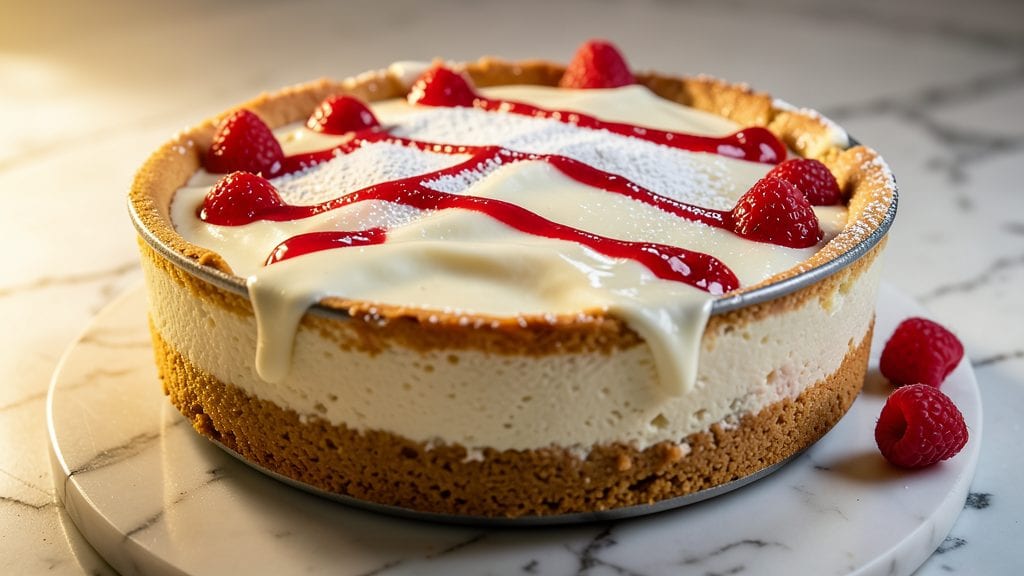
This Philadelphia cream cheese New York cheesecake recipe delivers the iconic dense, creamy texture and rich vanilla flavor you crave—without a single layer of graham cracker crust.
The secret lies in a precise balance of cream cheese, sour cream, and eggs, baked just long enough to set while keeping the center silky smooth. I perfected this version after testing dozens of recipes, and the difference is noticeable from the first forkful.
The no-bake layers start with a velvety batter that spreads evenly in the pan, creating that signature domed top without cracking. A water bath ensures gentle, even baking, while a cool oven prevents overbrowning.
This method guarantees a cheesecake so rich and tender, it rivals bakery versions—just with fewer ingredients and no fuss. The cooling process is just as critical, where the cheesecake develops its signature firmness without drying out.
What you’ll end up with is a New York-style cheesecake that’s dense yet light, with a clean vanilla flavor and no artificial aftertaste. The texture is perfectly set but still creamy, and the top remains smooth and glossy.
This recipe builds confidence by eliminating common cheesecake pitfalls—no soggy crusts, no cracks, and no waiting hours for it to chill. The result? A dessert that’s restaurant-quality, foolproof, and ready in under 2 hours.
Serve it chilled with fresh berries, a drizzle of caramel, or a dusting of powdered sugar for a showstopping finish. The beauty of this recipe is its versatility—it’s ideal for holidays, dinner parties, or even a special treat for yourself. Let’s get baking!
Ingredients for philadelphia cream cheese ny cheesecake
Rich cream cheese, velvety sour cream, and golden eggs create the perfect New York-style texture.
| Ingredient | Amount | Notes |
|---|---|---|
| Philadelphia Brand Cream Cheese 🧀 | 32 oz | Room temperature, full-fat |
| Large Eggs 🥚 | 4 whole | Room temperature, pasteurized preferred |
| Sour Cream 🥛 | 1 cup | Full-fat for best texture |
| Granulated Sugar 🍚 | 1 ½ cups | White or light brown |
| Vanilla Extract 🍯 | 2 tbsp | Pure Madagascar bourbon preferred |
| All-Purpose Flour 🌾 | ½ cup | Sifted for smooth batter |
| Unsalted Butter 🧈 | ½ cup | Melted, room temperature |
| Lemon Juice 🍋 | 1 tbsp | Freshly squeezed |
| Salt 🧂 | ½ tsp | Fine sea salt |
| Powdered Sugar 🍚 | ¼ cup | For garnish, optional |
| Fresh Berries 🍓 | 1 ½ cups | For serving, optional |
| Dark Chocolate Chips 🍫 | ½ cup | For garnish, optional |
The Philadelphia brand cream cheese is non-negotiable here—its consistent fat content and tang are key to that signature dense yet creamy texture. Grab the 16-ounce blocks (not tubs) from the refrigerated dairy section, as they hold their shape better during mixing. Room temperature is critical: let it sit for 2 hours or microwave in 10-second bursts until just soft. Trader Joe's and Whole Foods often carry premium versions with higher fat percentages—worth the splurge for restaurant-quality results. For the eggs, pasteurized options (like Organic Valley) reduce risk without sacrificing flavor, though regular eggs work fine if fresh. The sour cream should be full-fat—low-fat versions can make the cheesecake crumbly. Kroger or Walmart store brands are reliable and budget-friendly, but Breakstone's is my go-to for that extra tang.
No vanilla extract? Pure almond extract at half the amount works in a pinch, though it has a distinct flavor. Substituting vanilla bean paste (like Madagascar Bourbon from Penzeys) adds flecks and deeper flavor—use the same quantity. For the sugar, light brown adds subtle caramel notes, but white keeps it classic. Domino or Sugar in the Raw are budget picks; Wholesome Sweeteners organic is my premium choice. The lemon juice brightens the flavor—ReaLemon from the juice section is convenient and consistent. Swapping buttermilk for sour cream (equal parts) is possible, but the texture will be slightly less stable. For the flour, King Arthur or Bob's Red Mill brands sift perfectly—avoid pre-sifted versions, which compact over time. If you're gluten-sensitive, King Arthur gluten-free 1:1 flour works well, though the texture will be slightly denser.
This batter must chill uncovered in the fridge for 12 hours—no shortcuts. The water bath requires a deep 9x2-inch round pan (like Wilton Perfect Circle) for even baking. Line the pan with parchment paper, then wrap the outside tightly with foil to prevent water seepage. After baking, cool the cheesecake completely in the oven with the door ajar for 1 hour to prevent cracking. Store leftovers in an airtight container for up to 5 days in the fridge. For longer storage, wrap tightly in plastic wrap and freeze for up to 3 months—thaw overnight in the fridge. The powdered sugar garnish should be dusted just before serving to prevent clumping. Fresh berries or chocolate chips add visual appeal but can be omitted for a simpler presentation.
Why You'll Love This Recipe
- The secret’s in the ratio: Philadelphia’s tangy richness meets the vanilla’s warmth, while the eggs add structure. It’s the kind of slice where the first bite makes you pause—smooth, dense, and exactly what you expect from a true New York cheesecake.
- Here’s what sold me: this costs half of what store-bought does, but tastes like the gourmet version. Cream cheese and eggs stretch further than you’d think, and the sour cream adds that restaurant-quality creaminess without breaking the bank.
Step-by-step instructions for Philadelphia cream cheese New York cheesecake
This no-bake method delivers classic New York cheesecake texture without oven heat.
Prepare the Crust Layer
In a food processor, combine the 0.5 cup unsalted butter and 0.5 cup all-purpose flour. Process until the mixture resembles coarse crumbs with pea-sized butter pieces remaining. Press this mixture firmly and evenly into the bottom of a 9-inch springform pan, creating an even layer that covers the entire surface. Use the back of a measuring cup to compact it thoroughly.
Bake this crust at 350°F for 10 minutes to set the base. Remove from oven and let it cool completely while you prepare the filling. The crust should be firm to the touch when ready, preventing any leakage during the chilling process. This pre-baking step is crucial for structural integrity in the no-bake method.
Mix the Cheesecake Filling
In a large mixing bowl, beat the 32 oz Philadelphia brand cream cheese until completely smooth and free of lumps. Add the 1.5 cups granulated sugar and beat until fully incorporated. This step ensures the sugar dissolves completely, creating a silky texture.
Add the 4 whole large eggs one at a time, beating well after each addition. Incorporate the 1 cup sour cream and 2 tbsp vanilla extract, mixing until the batter is completely smooth. The mixture should be thick but pourable - if it's too thick, you can gently fold in 1 tablespoon of the reserved egg whites to adjust consistency. This careful mixing prevents any graininess in the final product.
Add Stabilizers and Pour
In a separate bowl, whisk together the 1 tbsp lemon juice and 0.5 tsp salt. Slowly pour this mixture into the cheesecake batter while mixing continuously. This acid-salt combination helps stabilize the texture and enhances flavor balance. Finally, gently fold in the melted 0.5 cup unsalted butter using a spatula until just combined.
Pour the filling over the cooled crust, spreading it evenly to the edges. Tap the pan gently on the counter to release any air bubbles that may have formed. This step is critical for achieving that signature smooth, crack-free finish. The filling should reach just below the top edge of the crust layer.
Chill and Set
Refrigerate the cheesecake for at least 6 hours, preferably overnight. This extended chilling time allows the filling to fully set and develop its characteristic dense, creamy texture. The cheesecake should be firm enough to hold its shape when gently shaken, with clean edges that release easily from the pan.
For optimal results, chill in the refrigerator where the temperature remains consistently between 35°F and 40°F. The cold environment helps prevent any potential separation of ingredients. This no-bake method relies entirely on proper chilling for its structure, making temperature control essential.
Garnish and Serve
Once fully set, remove the cheesecake from the refrigerator 15 minutes before serving to allow it to soften slightly. Dust the top with 0.25 cup powdered sugar and arrange the 1.5 cups fresh berries and 0.5 cup dark chocolate chips decoratively. The contrast between the creamy cheesecake and the tart berries or rich chocolate creates a perfect flavor balance.
Slice with a warm, clean knife that has been dipped in hot water and wiped dry between cuts. This ensures clean slices with minimal crumbling. Serve immediately while the cheesecake is at its ideal serving temperature of 60°F-65°F, where it will be perfectly creamy without being too cold or melting.
Pro Tips For Making Philadelphia Cream Cheese Ny Cheesecake
- Soften Cream Cheese First: Take the Philadelphia cream cheese out of the fridge at least 2 hours before mixing—it blends smoother and avoids lumps. I used to force room temp on it, and the batter always looked grainy no matter how much I beat it.
- Whisk Eggs Separately: Crack the eggs into a separate bowl first, then whisk them vigorous before folding into the cream cheese mix. This keeps the batter light and prevents curdling—trust me, you’ll notice the difference in texture.
- Don’t Overmix the Batter: Mix just until combined—no need to beat it into oblivion. Overworking it introduces air bubbles that pop during baking, leaving a dense center. Stop when the sour cream and sugar are evenly distributed.
- Water Bath Non-Negotiable: Wrap the springform pan in heavy-duty foil and place it in a deep roasting pan with 2 inches of hot water before baking. Skipping this leads to cracks or a dry top—yes, even with Philadelphia’s brand name on the block.
Wine and beer pairings for philadelphia cream cheese ny cheesecake
Sweet Wine Pairings
For this rich, creamy cheesecake, opt for dessert wines that complement its vanilla and cream cheese flavors without overpowering them. A Moscato d'Asti from Italy—light, slightly fizzy, and sweet—is my go-to choice. Its floral notes and honeyed finish mirror the cheesecake’s vanilla essence while cleansing the palate between bites.
Another excellent option is Sauternes, a luscious French wine with caramel and apricot undertones that harmonize beautifully with the dessert’s sweetness. 🍷
Fruity Liqueur Pairings
If you prefer something stronger, a Grand Marnier or Cointreau cocktail elevates the experience. Mix 1.5 oz liqueur with 4 oz chilled sparkling wine and a splash of orange juice for a refreshing contrast.
The citrus notes cut through the richness, while the alcohol’s warmth enhances the cheesecake’s creaminess. Serve chilled in elegant coupe glasses for a sophisticated touch.
Beer Pairings
For beer lovers, a Belgian-style witbier like Hoegaarden or Stella Artois works surprisingly well. The coriander and citrus notes in these beers balance the cheesecake’s sweetness, while their effervescence cleanses the palate.
Avoid heavy stouts or lagers—they’ll make the dessert taste even heavier. A light Belgian ale with a hint of spice is ideal for cutting through the richness without clashing. 🍺
Coffee or Tea Finishes
If alcohol isn’t your thing, a strong espresso or chai tea pairs beautifully. The bitterness of coffee or spiced notes in chai contrast the cheesecake’s sweetness, creating a balanced finish.
For a non-caffeinated option, Earl Grey tea with its bergamot aroma adds a sophisticated twist. Brew a small pot and serve in delicate teacups for an elegant dessert experience.
Seasonal Variations
In summer, a sparkling rosé with its berry notes complements fresh berry toppings. For fall, a tawny port with its nutty, caramel flavors enhances the cheesecake’s depth. Winter calls for a spiced rum cocktail—mix 1.5 oz dark rum with 2 oz apple cider and a cinnamon stick for warmth.
Each season offers a unique way to elevate your cheesecake experience. ✨
Nutrition facts
Frequently asked questions
Why does this recipe use Philadelphia cream cheese specifically?
The Philadelphia brand delivers the perfect balance of fat and tang for that signature New York-style texture. Its consistent fat content (33%) creates a dense yet creamy result without graininess. Other brands may vary in moisture levels, leading to cracks or a crumbly texture. For best results, use the 16-ounce blocks (not tubs) from the refrigerated section.
Can I make this cheesecake without a water bath?
This no-bake method relies on proper chilling, not baking, so a water bath isn't required. However, if you prefer a baked version, use a 325°F oven with a water bath for 50-60 minutes, then cool gradually in the oven. The no-bake approach eliminates cracks and ensures a perfectly smooth top without the risk of overbaking.
How do I prevent cracks in my cheesecake?
Cracks often happen from temperature shifts. Let the batter rest 12 hours uncovered in the fridge before chilling completely. Avoid opening the fridge door frequently, and use a 9-inch springform pan lined with parchment for even heat distribution. If cracks appear, cover them with whipped cream or chocolate ganache—they won’t affect the taste!
What’s the best way to serve leftovers?
Store in an airtight container for up to 5 days in the fridge. For longer storage, wrap tightly in plastic and freeze for 3 months. Thaw overnight in the fridge. Reheat slices for 10-15 seconds in the microwave (covered) to restore creaminess. Garnish with fresh berries or powdered sugar just before serving.
Can I substitute sour cream with something else?
Yes! Use buttermilk (equal parts) or Greek yogurt (thick, full-fat) as a 1:1 swap. For a lighter texture, blend 1 cup cottage cheese until smooth. Avoid low-fat versions—they can make the cheesecake crumbly. Adjust liquid slightly if needed to reach a pourable consistency.